RenoHouse

7 Kitchen Renovation Mistakes Toronto Homeowners Make
After hundreds of kitchen renovations across the GTA, we've seen the same mistakes cost homeowners time and money. Here's how to avoid them.
Mistake #1: Ignoring the Work Triangle
The work triangle — the path between your sink, stove, and refrigerator — should be efficient. Each leg should be 4–9 feet. We've seen kitchens where the fridge is way too far from the sink. Beautiful? Maybe. Functional? No.
Fix: Before choosing cabinets or finishes, nail down your layout first.Mistake #2: Underestimating the Budget
Most homeowners budget less than they'll actually spend. Hidden issues appear in almost every gut renovation — old wiring, plumbing problems, subfloor damage.
Fix: Always add a contingency buffer to your budget. Talk to your contractor about potential surprises before demolition starts.Mistake #3: Choosing Looks Over Function
That gorgeous marble countertop? It stains. Those open shelves? They collect grease. The trendy brass fixtures? They tarnish.
Fix: Choose materials that match your lifestyle. Quartz countertops look like marble but are nearly indestructible. Closed cabinets with nice hardware give a clean look without the dust.Mistake #4: Skimping on Lighting
One overhead light doesn't cut it. A well-lit kitchen needs three layers: ambient (ceiling), task (under-cabinet), and accent (pendant lights).
Fix: Plan lighting early — it's much cheaper to run wires during renovation than after.Mistake #5: Forgetting About Storage
In Toronto's typically smaller kitchens, every inch matters. We see homeowners sacrifice storage for aesthetics and regret it within months.
Need professional kitchen & bathroom renovation?
Call RenoHouse at 289-212-2345 or get a free estimate today.
Get Free Estimate →Mistake #6: DIY Plumbing and Electrical
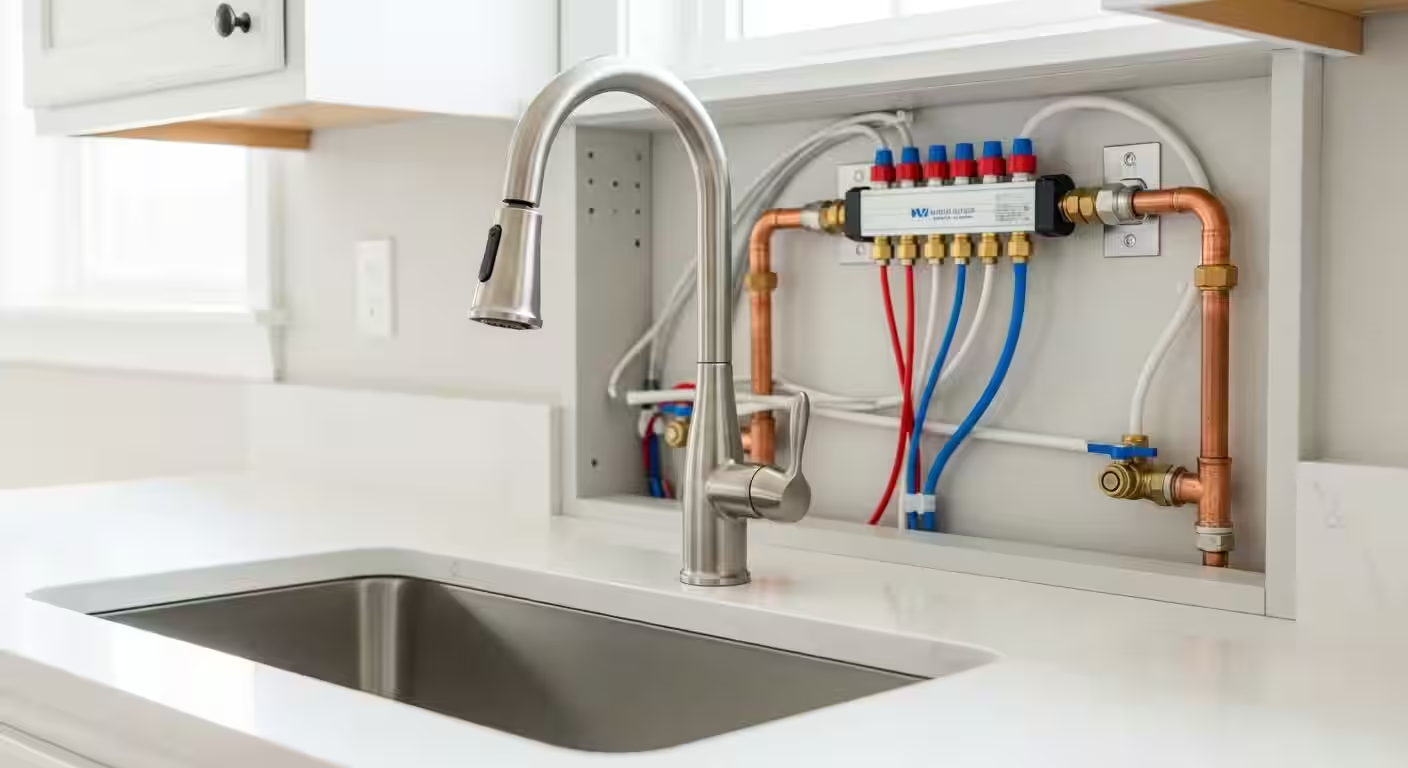
Toronto building codes require licensed professionals for plumbing and electrical work. DIY jobs can fail inspections, void insurance, and create safety hazards.
Fix: Hire licensed, insured contractors. It costs more upfront but protects your home and your investment.Mistake #7: Not Living With the Layout First
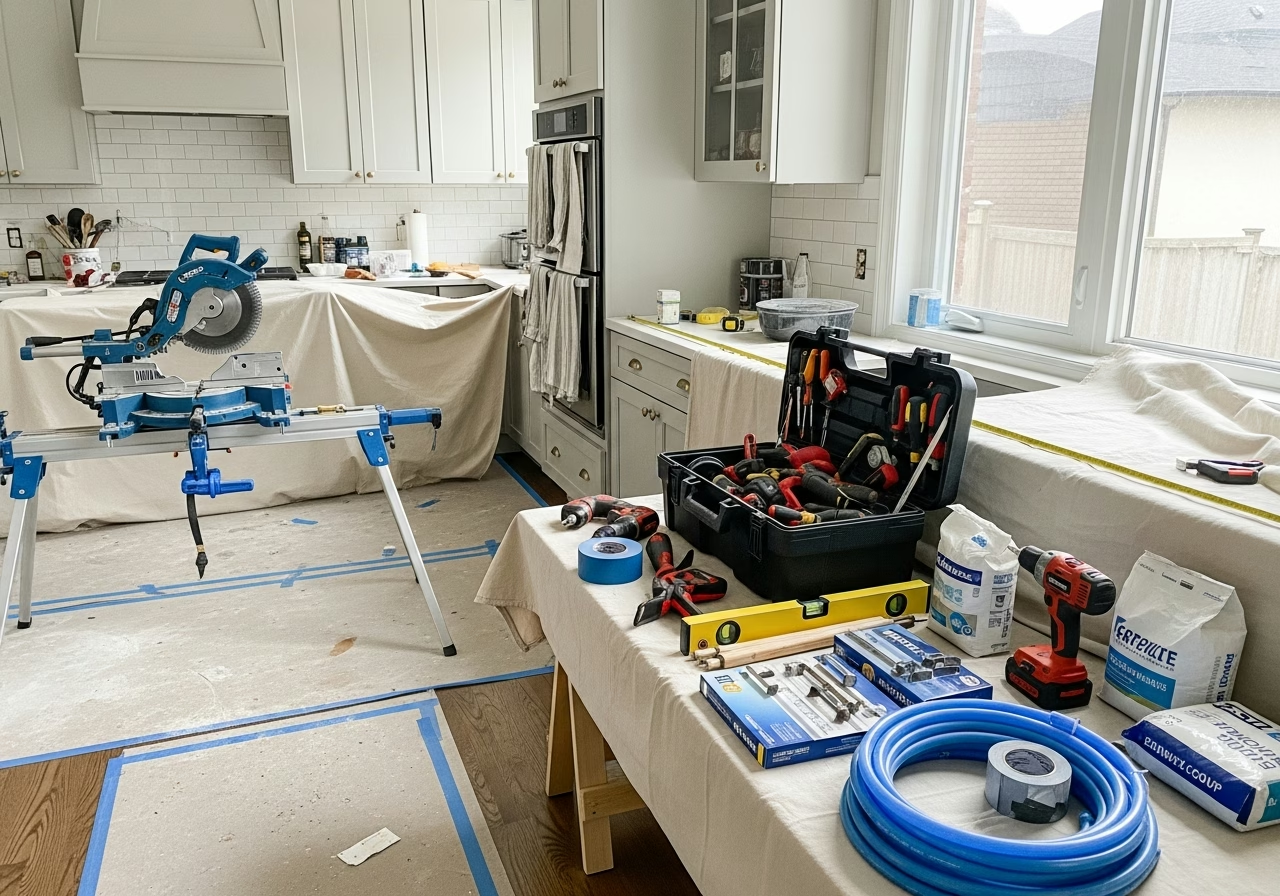
Taping out your new kitchen layout on the floor and "living with it" for a week reveals issues no plan can show. Where will you stand while cooking? Can two people work at once?
Fix: Tape it out. Walk through your morning coffee routine, dinner prep, and cleanup. Adjust before demolition starts.Ready to Plan Your Kitchen Renovation?
Get a free estimate and professional layout advice. Send us your kitchen photos and wishlist — we'll provide honest guidance and practical suggestions.
Ontario Building Code Requirements
Any renovation project in the GTA must comply with the Ontario Building Code (OBC). This applies whether you're in Toronto, Mississauga, Brampton, or any other municipality. Key requirements include:
- Building permits are required for structural changes, plumbing modifications, electrical work, and HVAC alterations
- ESA permits are mandatory for any electrical work — your contractor must be a Licensed Electrical Contractor (LEC) in Ontario
- Plumbing permits through your local municipality for any new plumbing rough-ins or relocations
- Inspections at various stages — rough-in, insulation, and final inspection before closing walls
- Fire safety — smoke detectors on every level, carbon monoxide detectors near sleeping areas (Ontario law since 2015)
Failing to pull permits can result in fines, insurance issues, and problems when selling your home. Always verify your contractor handles permits as part of the project scope.
GTA Regional Considerations
The Greater Toronto Area spans dozens of municipalities, each with unique housing stock and renovation considerations:
- Toronto (Old Toronto, Midtown) — Many homes built pre-1950 with knob-and-tube wiring, galvanized plumbing, and plaster walls. Renovations often uncover issues requiring additional remediation
- Scarborough & Etobicoke — Primarily 1950s–1970s bungalows and split-levels. Common issues include outdated electrical panels (60-amp service), original windows, and aging drainage systems
- North York — Mix of post-war homes and newer builds. Many homeowners are upgrading original finishes from the 1980s–1990s
- Mississauga & Brampton — Rapid growth areas with homes from the 1980s–2000s. Common projects include basement finishing, kitchen updates, and exterior refreshes
- Vaughan & Richmond Hill — Newer subdivisions often need cosmetic updates rather than structural work. Builder-grade finishes are frequently upgraded within 5–10 years
- Markham — Similar to Vaughan with many newer communities. Heritage areas in old Markham Village may have specific design requirements
- Oakville — Higher-end homes with premium finish expectations. Many lakefront properties have specific moisture and drainage considerations
Understanding your neighbourhood's typical home age and construction type helps set realistic expectations for scope and budget.
Understanding Renovation Costs in Ontario (2025–2026)
Renovation costs in the GTA vary significantly based on scope, materials, and labour. Here are some general factors that affect pricing:
- Labour rates — Skilled trades in the GTA command competitive rates due to high demand. Licensed plumbers, electricians, and general contractors reflect the cost of insurance, WSIB, and licensing
- Material costs — Supply chain improvements have stabilized some material prices, but premium materials (natural stone, custom cabinetry) remain at a premium
- Scope creep — Budget 10–15% contingency for unexpected discoveries behind walls (water damage, outdated wiring, asbestos in older homes)
- Seasonal pricing — Late fall and winter months (November–February) are typically slower seasons when some contractors offer better rates
- Economies of scale — Bundling multiple projects (e.g., kitchen + bathroom, or full-home painting) often reduces per-project costs
For accurate pricing tailored to your specific project, request a detailed quote with itemized breakdowns. Avoid contractors who only provide lump-sum estimates without explaining what's included.
What a Typical Project Looks Like: Before & After
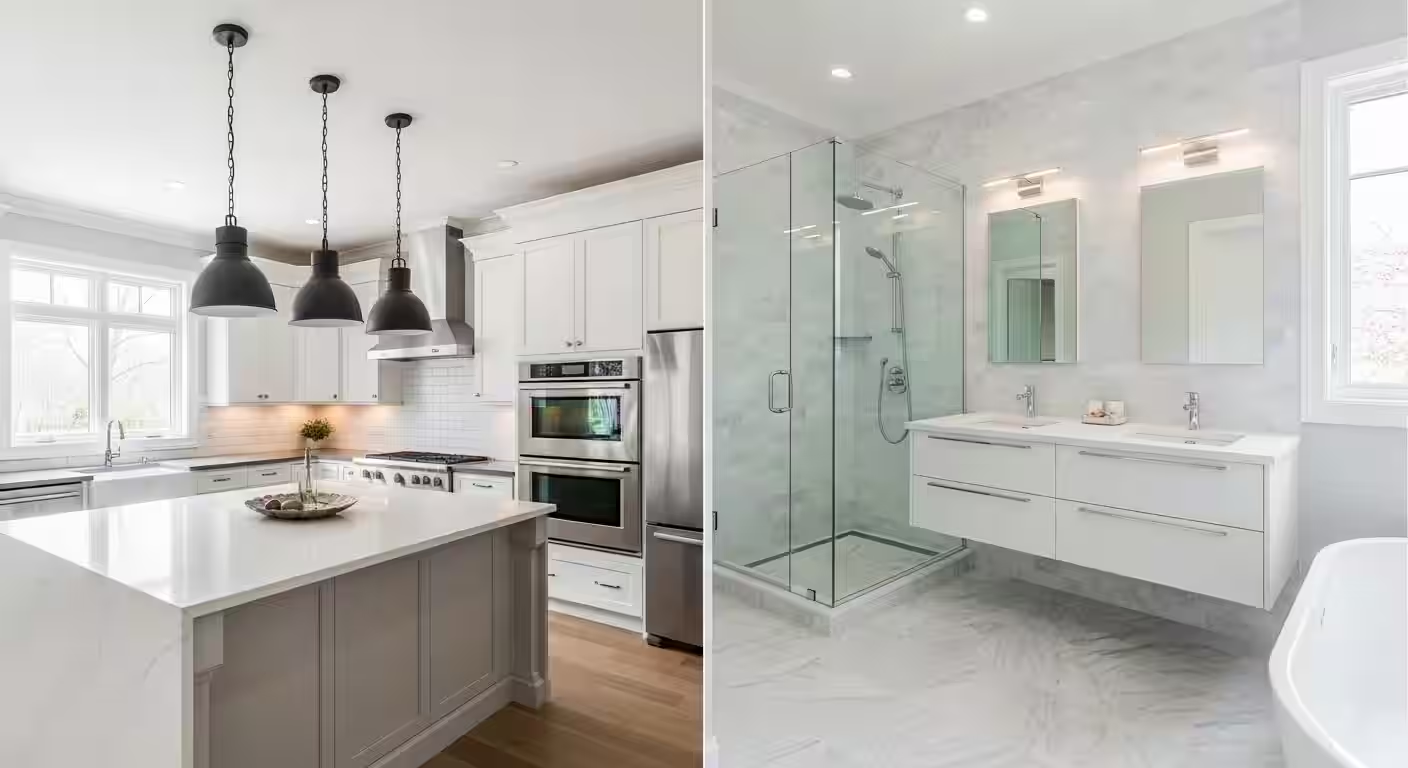
Before: A homeowner in Toronto contacts us about their outdated space. Common issues include worn finishes, inefficient layouts, aging fixtures, and cosmetic damage from years of use. Many homes across Mississauga, Brampton, and Vaughan face similar challenges — especially homes built in the 1980s and 1990s that are now showing their age. During the project: Our team provides a detailed scope of work, handles all permit applications (where required), coordinates trades, and keeps homeowners updated throughout the process. Most projects follow a predictable sequence: demolition → rough-ins (plumbing, electrical) → framing → insulation → drywall → finishing → fixtures → final touches. After: The completed project transforms the space with modern finishes, improved functionality, and increased home value. Many of our clients in Markham, Oakville, and Richmond Hill report that their renovation was the best investment they've made in their home.Sources & References
Authoritative sources cited in this guide:
- Ontario Building Code — OBC official text
- Toronto Building Permits — Permit info
Continue Reading
- Kitchen Renovation Guide Toronto| Costs, Timeline & Ideas
- 10 Renovation Mistakes Toronto Homeowners Make (and How to Avoid
- Home Renovation Guide Toronto — Planning, Costs, Timeline & Tips

Related Services