RenoHouse

Best Flooring Options for Toronto Basements
Toronto basements face unique challenges: moisture, temperature fluctuations, and concrete subfloors. Choosing the wrong flooring can mean bubbling, warping, or mold within a year. Here's what actually works.
The #1 Rule: Moisture Comes First
Before any flooring goes down, test your basement for moisture. Place a plastic sheet on the concrete floor, tape the edges, and wait 48 hours. If moisture appears underneath — you need a vapor barrier first.
Top Flooring Options Ranked
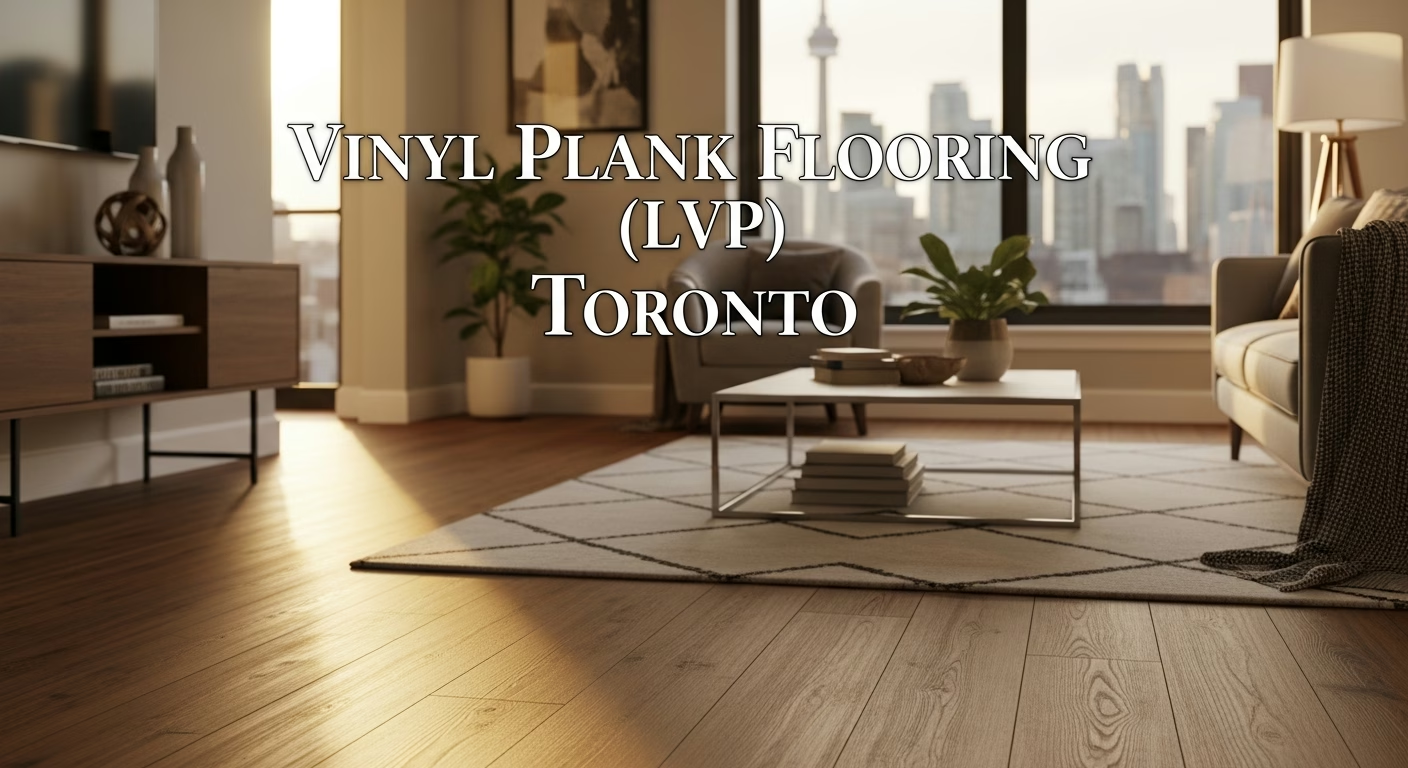
1. Luxury Vinyl Plank (LVP) — Best Overall ⭐
- Pros: 100% waterproof, comfortable underfoot, looks like real wood, easy to install
- Cons: Can look artificial in direct sunlight (not an issue in basements!)
- Best for: Most Toronto basements — this is what we recommend for the majority of basement projects
2. Porcelain/Ceramic Tile
- Pros: Completely waterproof, extremely durable, high-end look
- Cons: Cold underfoot without radiant heating, hard surface
- Best for: Basement bathrooms, laundry areas, high-moisture zones
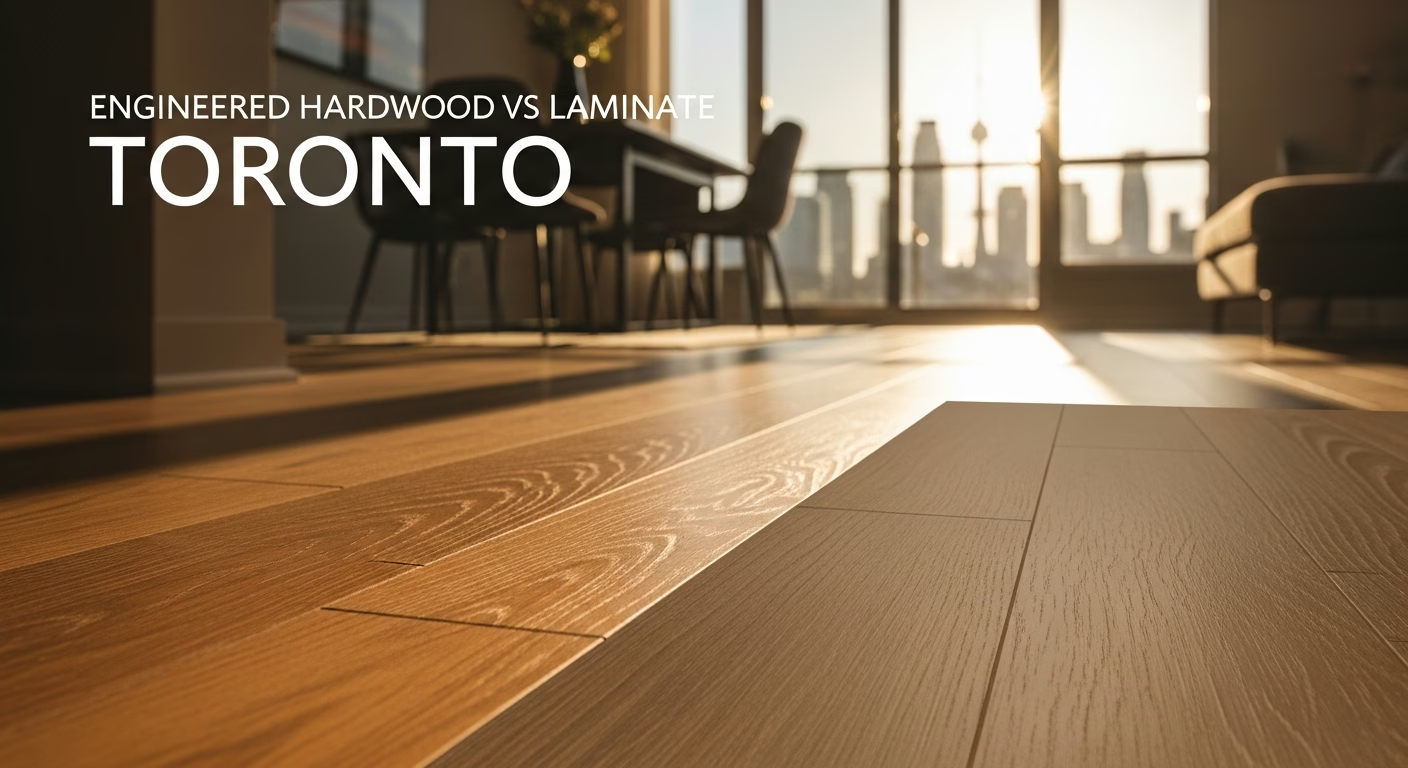
3. Engineered Hardwood
- Pros: Real wood look and feel, more moisture-resistant than solid hardwood
- Cons: Not waterproof — vulnerable to flooding
- Best for: Finished basements with no moisture issues
4. Laminate (Water-Resistant)
- Pros: Affordable, good appearance, newer versions are water-resistant
- Cons: NOT waterproof — core will swell if soaked, can't be refinished
- Best for: Dry basements on a budget
What to Avoid in Toronto Basements
- Solid hardwood — Will warp and cup from moisture
- Carpet — Traps moisture, breeds mold (Toronto's humidity makes this worse)
- Cork — Absorbs water, not suitable below grade
Installation Tips for Toronto Homes
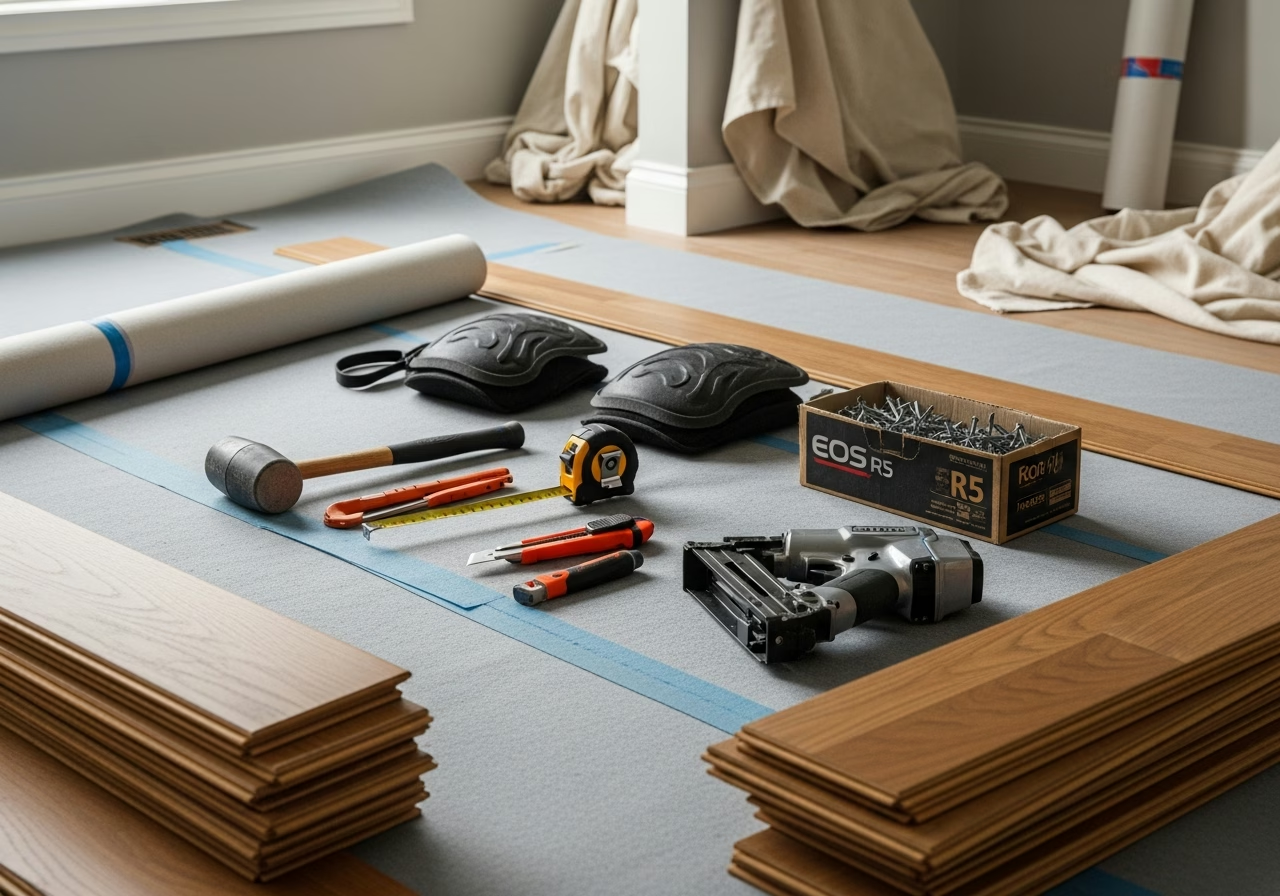
- 1. Always use a vapor barrier on concrete subfloors
- 2. Acclimate materials — Let flooring sit in your basement for 48-72 hours before installation
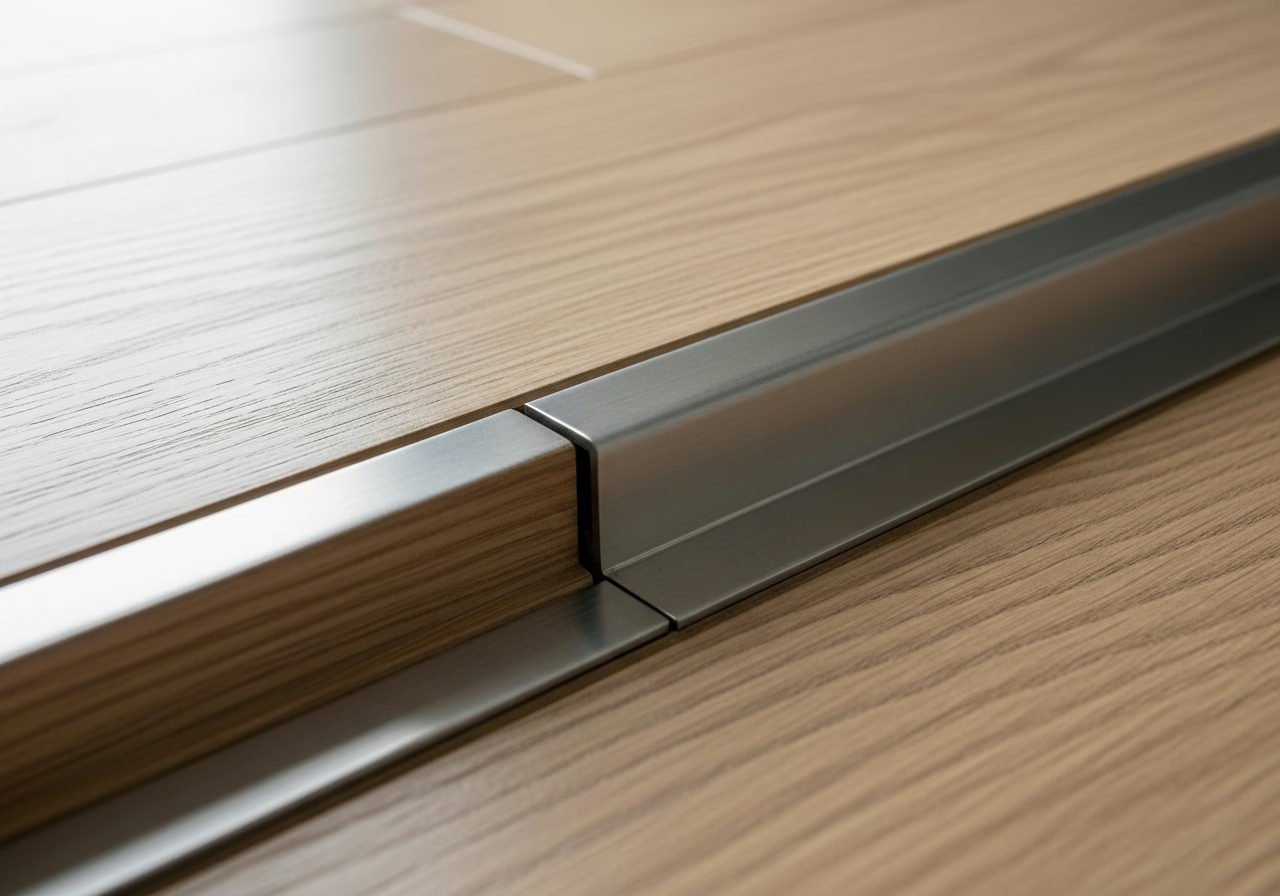
- 3. Leave expansion gaps — Toronto's temperature swings mean your flooring will expand and contract
- 4. Check for radon — While you have the floor up, it's a good time to test
Need Help Choosing?
The right flooring depends on your specific basement conditions, your lifestyle, and your goals. Send us photos of your basement and measurements — we'll recommend the best option for your space and provide a free estimate.
Ontario Building Code Requirements
Any renovation project in the GTA must comply with the Ontario Building Code (OBC). This applies whether you're in Toronto, Mississauga, Brampton, or any other municipality. Key requirements include:
- Building permits are required for structural changes, plumbing modifications, electrical work, and HVAC alterations
- ESA permits are mandatory for any electrical work — your contractor must be a Licensed Electrical Contractor (LEC) in Ontario
- Plumbing permits through your local municipality for any new plumbing rough-ins or relocations
- Inspections at various stages — rough-in, insulation, and final inspection before closing walls
- Fire safety — smoke detectors on every level, carbon monoxide detectors near sleeping areas (Ontario law since 2015)
Failing to pull permits can result in fines, insurance issues, and problems when selling your home. Always verify your contractor handles permits as part of the project scope.
Need professional flooring installation?
Call RenoHouse at 289-212-2345 or get a free estimate today.
Get Free Estimate →GTA Regional Considerations
The Greater Toronto Area spans dozens of municipalities, each with unique housing stock and renovation considerations:
- Toronto (Old Toronto, Midtown) — Many homes built pre-1950 with knob-and-tube wiring, galvanized plumbing, and plaster walls. Renovations often uncover issues requiring additional remediation
- Scarborough & Etobicoke — Primarily 1950s–1970s bungalows and split-levels. Common issues include outdated electrical panels (60-amp service), original windows, and aging drainage systems
- North York — Mix of post-war homes and newer builds. Many homeowners are upgrading original finishes from the 1980s–1990s
- Mississauga & Brampton — Rapid growth areas with homes from the 1980s–2000s. Common projects include basement finishing, kitchen updates, and exterior refreshes
- Vaughan & Richmond Hill — Newer subdivisions often need cosmetic updates rather than structural work. Builder-grade finishes are frequently upgraded within 5–10 years
- Markham — Similar to Vaughan with many newer communities. Heritage areas in old Markham Village may have specific design requirements
- Oakville — Higher-end homes with premium finish expectations. Many lakefront properties have specific moisture and drainage considerations
Understanding your neighbourhood's typical home age and construction type helps set realistic expectations for scope and budget.
What a Typical Project Looks Like: Before & After
Before: A homeowner in Toronto contacts us about their outdated space. Common issues include worn finishes, inefficient layouts, aging fixtures, and cosmetic damage from years of use. Many homes across Mississauga, Brampton, and Vaughan face similar challenges — especially homes built in the 1980s and 1990s that are now showing their age. During the project: Our team provides a detailed scope of work, handles all permit applications (where required), coordinates trades, and keeps homeowners updated throughout the process. Most projects follow a predictable sequence: demolition → rough-ins (plumbing, electrical) → framing → insulation → drywall → finishing → fixtures → final touches. After: The completed project transforms the space with modern finishes, improved functionality, and increased home value. Many of our clients in Markham, Oakville, and Richmond Hill report that their renovation was the best investment they've made in their home.Frequently Asked Questions
How long does this type of project typically take?Timelines vary based on scope. Minor updates may take a few days, while full renovations can take 2–6 weeks. We provide a detailed timeline estimate before work begins.
Do I need permits for this work?In Ontario, permits are required for structural, plumbing, electrical, and HVAC work. Cosmetic updates (painting, flooring over existing subfloor, fixture swaps) typically don't require permits. We handle all permit applications on your behalf when permits are needed.
Can I stay in my home during the renovation?For most projects, yes. We contain work areas with dust barriers and maintain clean access to essential rooms. For major renovations involving kitchen or bathroom removal, you may want to plan alternative arrangements for a few days.
Do you serve my area?We serve the entire Greater Toronto Area including Toronto, Mississauga, Brampton, Vaughan, Markham, Oakville, Richmond Hill, Scarborough, Etobicoke, North York. Contact us to confirm availability in your specific neighbourhood.
What warranty do you offer?We stand behind our work with a comprehensive warranty. Specific warranty terms vary by project type and are outlined in your contract before work begins.
How do I get a quote?Getting started is easy — call us at 289-212-2345 or send photos of your space through our website. We'll provide a detailed, no-obligation estimate. Many quotes can be prepared without an in-person visit for initial pricing.
Sources & References
Authoritative sources cited in this guide:
- Ontario Building Code 9.30 — Flooring standards
- ENERGY STAR Canada — Underlay efficiency
Continue Reading
- Best Flooring for Toronto Basements— Moisture-Resistant Options
- Best Basement Flooring Options Toronto
- Vinyl Flooring vs Laminate
Related Services