RenoHouse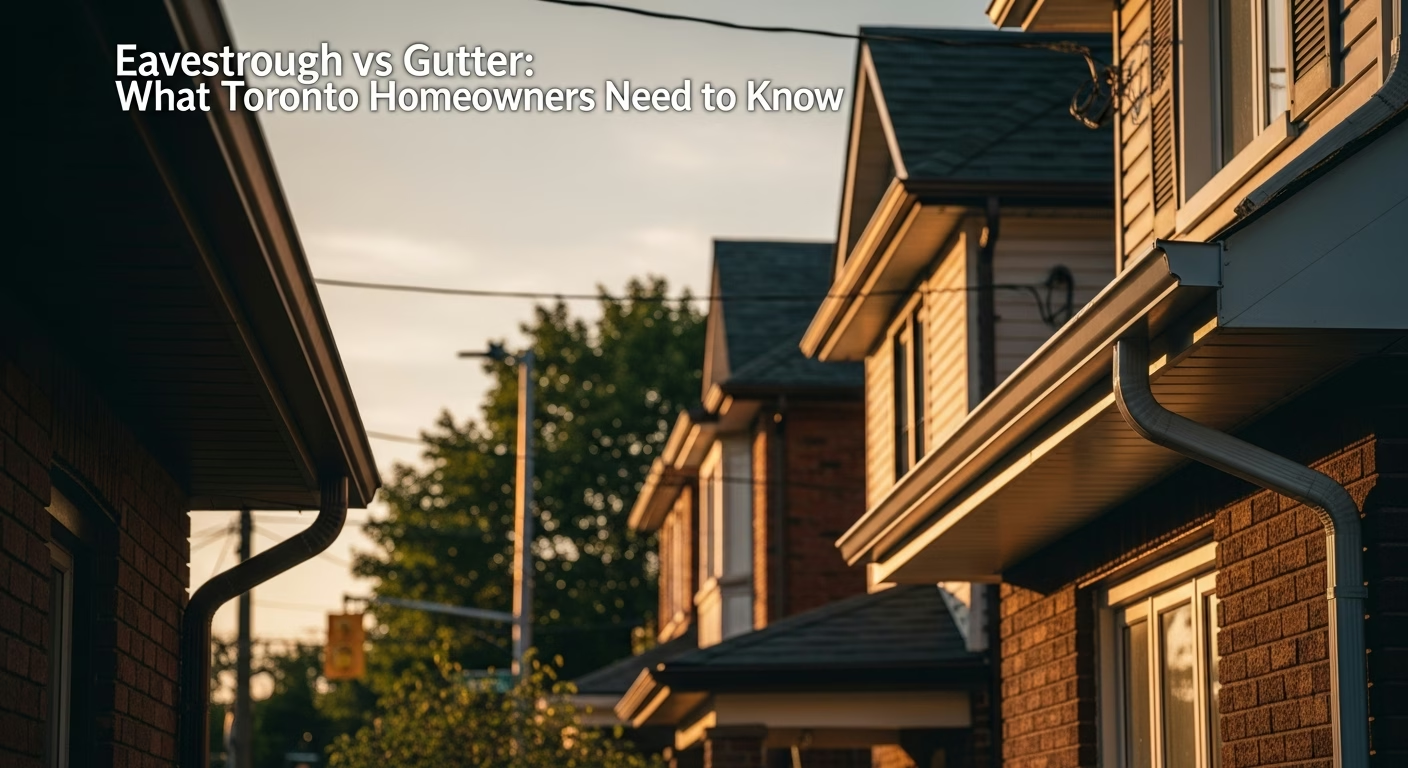

Eavestrough vs Gutter: Is There Actually a Difference?
If you've lived in Toronto long enough, you've probably heard both terms — eavestrough and gutter — used interchangeably. So what's the difference? In short, they refer to the same thing. "Eavestrough" is the Canadian term, while "gutter" is more commonly used in the United States. Regardless of what you call it, this system plays a critical role in protecting your home from water damage.
Why Your Eavestrough System Matters
Your eavestrough collects rainwater and snowmelt from the roof and channels it away from your home's foundation. Without a properly functioning system, water pools around the base of your house, which can lead to:
- Foundation cracks and leaks — Toronto's freeze-thaw cycles make this especially dangerous
- Basement flooding — Water that isn't directed away finds its way in
- Fascia and soffit rot — Overflowing gutters damage the wood they're mounted to
- Ice dams in winter — Clogged eavestroughs contribute to ice buildup at the roof edge
- Landscape erosion — Uncontrolled water runoff destroys gardens and walkways
Signs Your Eavestrough Needs Repair
How do you know when it's time for an eavestrough repair? Watch for these warning signs:
- Sagging sections — Gutters pulling away from the fascia board
- Visible cracks or holes — Even small ones grow quickly with freeze-thaw cycles
- Water pouring over the sides during rain — A sign of clogs or improper slope
- Peeling paint or rust spots — Indicates standing water and deterioration
- Water stains on exterior walls — Your eavestrough isn't channeling water properly
- Pooling water near the foundation — The most serious sign, as it threatens your basement
Eavestrough Materials: What Works Best in Toronto
Not all gutter materials perform equally in our climate. Here's a comparison:
Aluminum — The most popular choice for Toronto homes. Lightweight, rust-resistant, and available in many colours. Handles our temperature extremes well and offers excellent value. Vinyl — The most affordable option, but not ideal for Toronto. Vinyl becomes brittle in extreme cold and can crack during harsh winters. Steel — Extremely durable but prone to rust over time. Galvanized steel lasts longer but costs more than aluminum. Copper — Premium material that develops a beautiful patina. Lasts decades but comes at a significantly higher price point.For most Toronto and GTA homes, aluminum eavestroughs offer the best combination of durability, performance, and value.
Gutter Cleaning: How Often and Why It Matters
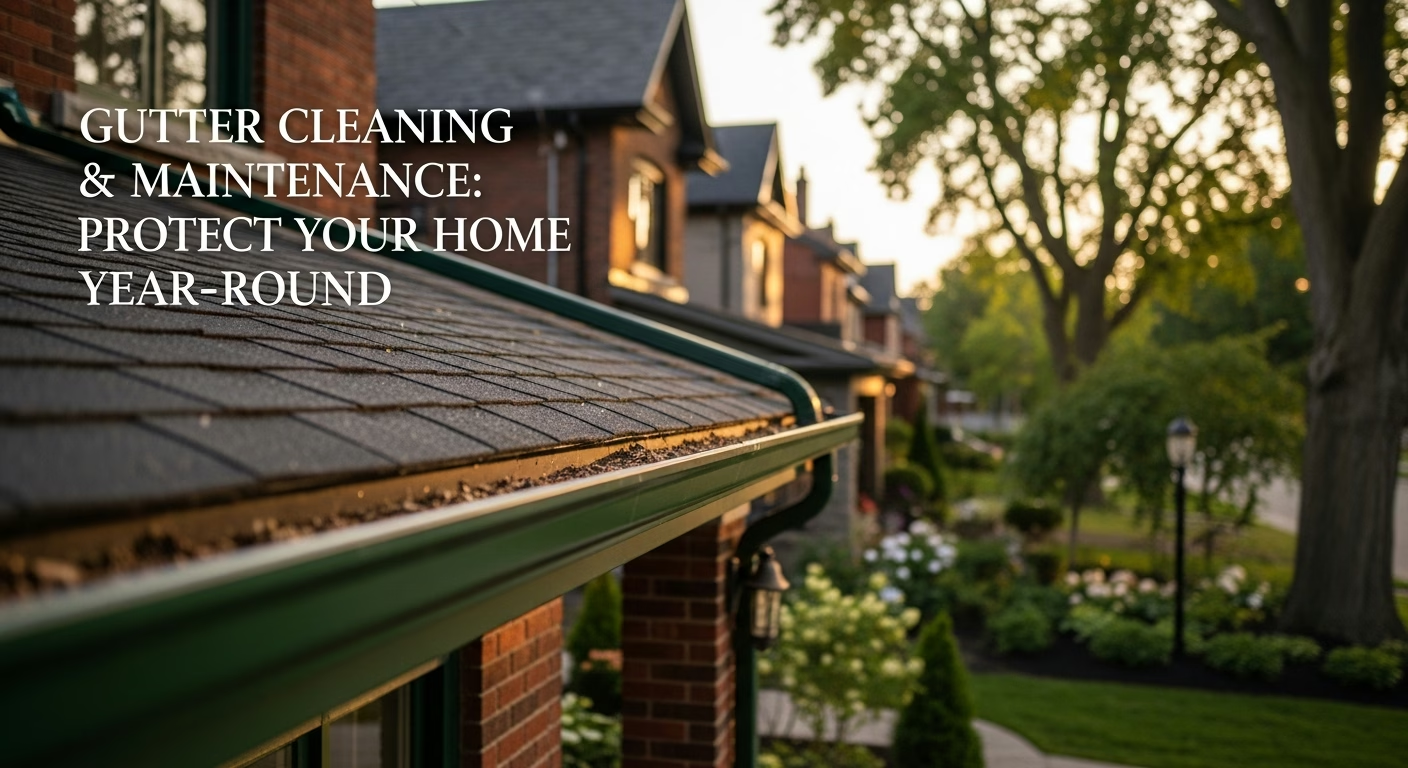
Regular gutter cleaning is essential for keeping your system working properly. In Toronto, we recommend cleaning your eavestroughs at least twice a year:
- 1. Late spring (after tree buds and seeds fall)
- 2. Late fall (after leaves have dropped)
If your property has many trees — common in neighbourhoods like Leaside, the Beaches, and High Park — you may need to clean them three or four times per year.
Need professional exterior renovation?
Call RenoHouse at 289-212-2345 or get a free estimate today.
Get Free Estimate →What Happens When You Skip Gutter Cleaning
Clogged eavestroughs are the number one cause of gutter system failure. Debris creates blockages that cause water to back up, overflow, and eventually damage the system itself. In winter, clogged gutters lead to ice dams that can damage your roof and cause interior leaks.
Gutter Guards: Are They Worth It?
Gutter guards or leaf screens can significantly reduce the frequency of gutter cleaning. Options include:
- Mesh screens — Affordable and effective for most debris
- Micro-mesh guards — Keep out even small particles like pine needles
- Reverse curve guards — Use surface tension to direct water in while keeping debris out
- Foam inserts — Budget option but less effective long-term
No gutter guard eliminates maintenance entirely, but a good system can reduce cleaning from multiple times per year to once annually.
Repair vs. Replace: When Is It Time for New Eavestroughs?
Minor issues like small leaks at joints, loose hangers, or a clogged downspout are easy repairs. However, you should consider full gutter replacement when:
- Multiple sections are sagging or pulling away
- You're seeing widespread rust or corrosion
- Seams are separating in several places
- The system is more than 20 years old
- You're noticing persistent foundation moisture despite repairs
Seamless vs. Sectional Eavestroughs
Seamless eavestroughs are custom-formed on-site from a single piece of material. They have no joints along the length, which means fewer potential leak points. Most professional installations today use seamless systems. Sectional eavestroughs come in pre-cut lengths that are joined together. They're more prone to leaking at seams over time but are easier for DIY installation.For Toronto homes, seamless aluminum eavestroughs are the professional standard and offer the best long-term performance.
Protect Your Home with Proper Drainage
Your eavestrough system is your home's first line of defence against water damage. Whether you need gutter cleaning, repair, or a full replacement, addressing problems early saves you from far more expensive foundation and interior repairs down the road.
Contact us for a free assessment of your eavestrough system. We serve Toronto, Scarborough, North York, Etobicoke, and the entire GTA.
Ontario Building Code Requirements
Any renovation project in the GTA must comply with the Ontario Building Code (OBC). This applies whether you're in Toronto, Mississauga, Brampton, or any other municipality. Key requirements include:
- Building permits are required for structural changes, plumbing modifications, electrical work, and HVAC alterations
- ESA permits are mandatory for any electrical work — your contractor must be a Licensed Electrical Contractor (LEC) in Ontario
- Plumbing permits through your local municipality for any new plumbing rough-ins or relocations
- Inspections at various stages — rough-in, insulation, and final inspection before closing walls
- Fire safety — smoke detectors on every level, carbon monoxide detectors near sleeping areas (Ontario law since 2015)
Failing to pull permits can result in fines, insurance issues, and problems when selling your home. Always verify your contractor handles permits as part of the project scope.
GTA Regional Considerations
The Greater Toronto Area spans dozens of municipalities, each with unique housing stock and renovation considerations:
- Toronto (Old Toronto, Midtown) — Many homes built pre-1950 with knob-and-tube wiring, galvanized plumbing, and plaster walls. Renovations often uncover issues requiring additional remediation
- Scarborough & Etobicoke — Primarily 1950s–1970s bungalows and split-levels. Common issues include outdated electrical panels (60-amp service), original windows, and aging drainage systems
- North York — Mix of post-war homes and newer builds. Many homeowners are upgrading original finishes from the 1980s–1990s
- Mississauga & Brampton — Rapid growth areas with homes from the 1980s–2000s. Common projects include basement finishing, kitchen updates, and exterior refreshes
- Vaughan & Richmond Hill — Newer subdivisions often need cosmetic updates rather than structural work. Builder-grade finishes are frequently upgraded within 5–10 years
- Markham — Similar to Vaughan with many newer communities. Heritage areas in old Markham Village may have specific design requirements
- Oakville — Higher-end homes with premium finish expectations. Many lakefront properties have specific moisture and drainage considerations
Understanding your neighbourhood's typical home age and construction type helps set realistic expectations for scope and budget.
Sources & References
Authoritative sources cited in this guide:
- Toronto Building Permits — Permit info
- Ontario Building Code 9.27 (Cladding) — Exterior cladding standards
Continue Reading