RenoHouse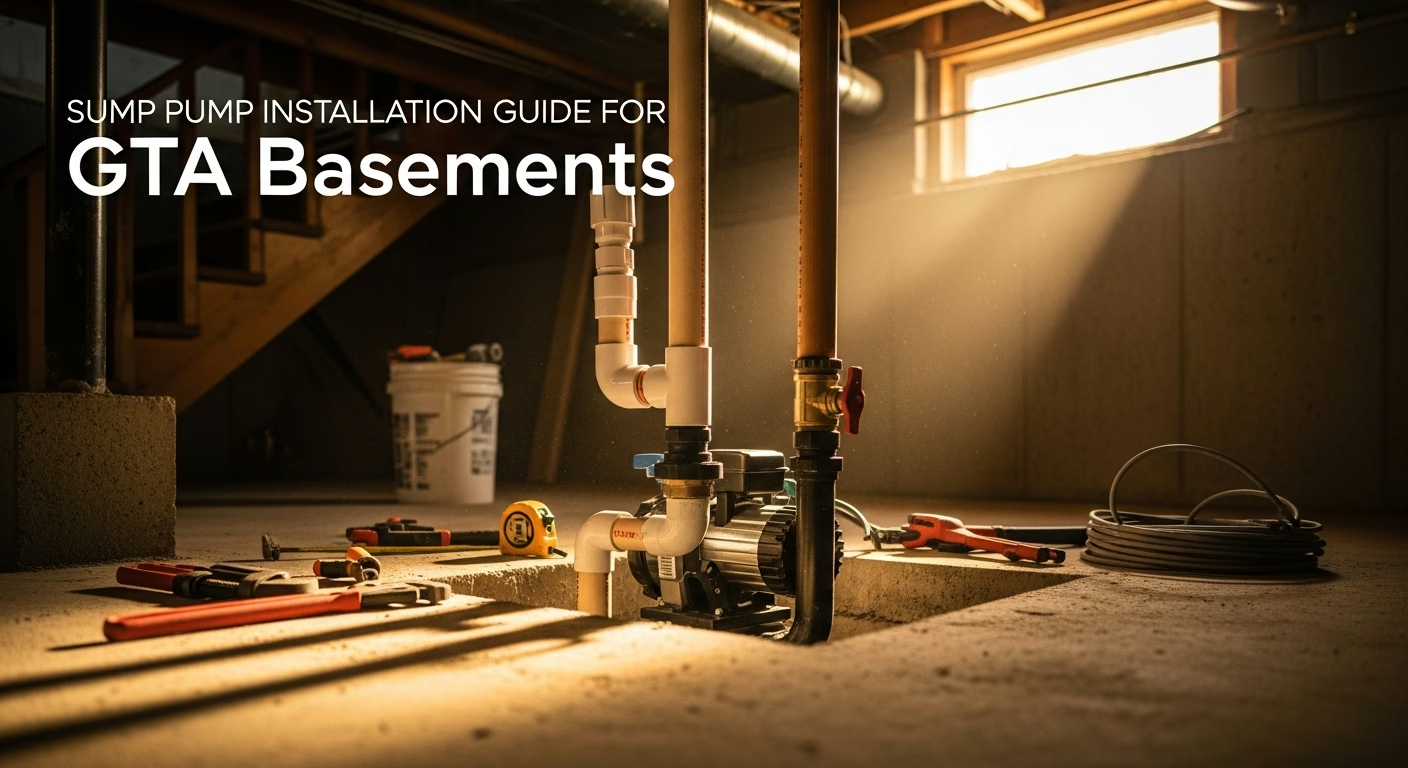

Sump Pump Installation: Protecting Your GTA Basement from Flooding
If you have a basement in the Greater Toronto Area, a sump pump isn't a luxury — it's essential protection. With Toronto's rising water table, aging infrastructure, and increasingly intense rainstorms, basement flooding is one of the most common and costly problems GTA homeowners face.
What Is a Sump Pump and How Does It Work?
A sump pump is a device installed in a pit (called a sump basin or sump pit) at the lowest point of your basement. When groundwater or surface water collects in the pit, the pump automatically activates and pushes the water out through a discharge pipe, directing it away from your foundation.
The system works in conjunction with your home's weeping tile (drainage system) to keep your basement dry. Water that would otherwise seep through your foundation walls or floor is collected and removed before it becomes a problem.
Types of Sump Pumps
Submersible Sump Pumps
These are installed inside the sump pit, fully submerged in water. They're quieter, more powerful, and take up less space. Submersible pumps are the preferred choice for most Toronto homes.
Pedestal Sump Pumps
The motor sits above the sump pit on a pedestal, with only the intake pipe submerged. They're easier to service but louder and less powerful. These work for shallow sump pits where a submersible won't fit.
Battery Backup Sump Pumps
This is a secondary pump with its own battery power supply. During power outages — which often coincide with heavy storms — your primary pump won't work. A battery backup ensures continuous protection when you need it most.
Our recommendation: A submersible primary pump paired with a battery backup system provides the best protection for GTA basements.Signs You Need a Sump Pump
Not sure if your home needs a sump pump installation? Consider these indicators:
- Previous basement flooding or moisture — Even once is enough to justify installation
- Visible water seepage through basement walls or floor after rain
- High water table in your neighbourhood — common in many GTA areas
- Musty smell or mold in the basement
- Your home is in a low-lying area or at the bottom of a slope
- Neighbouring homes have sump pumps — If they need one, you likely do too
- Your home was built before the 1980s — Older drainage systems are often failing
The Sump Pump Installation Process
Professional sump pump installation involves several steps:
Need professional plumbing?
Call RenoHouse at 289-212-2345 or get a free estimate today.
Get Free Estimate →- 1. Assessment — A plumber evaluates your basement, identifies the best location for the sump pit, and determines the right pump size for your home
- 2. Excavation — A pit is dug in the basement floor, typically 24 inches deep and 18 inches wide
- 3. Pit installation — A sump basin (liner) is placed in the hole to prevent soil from entering the pump
- 4. Pump placement — The pump is installed in the basin with a check valve to prevent backflow
- 5. Discharge pipe routing — A pipe is run from the pump to the exterior, directing water away from the foundation
- 6. Electrical connection — The pump is wired to a dedicated circuit (a GFCI-protected outlet is required by Ontario code)
- 7. Testing — The system is tested thoroughly to ensure proper operation
Sump Pump Maintenance: Keep It Running When It Matters
A sump pump that fails during a storm is worse than not having one — because you're relying on protection that isn't there. Regular maintenance is critical:
Monthly checks:- Pour a bucket of water into the pit to verify the pump activates
- Listen for unusual sounds (grinding, rattling)
- Check the discharge pipe for blockages
- Clean the sump pit of debris and sediment
- Inspect the check valve for proper operation
- Test the battery backup system
- Ensure the discharge pipe outlet isn't blocked by ice, snow, or debris
- Have a plumber inspect the entire system, including the float switch, impeller, and electrical connections
How Long Do Sump Pumps Last?
Most sump pumps last seven to ten years with proper maintenance. Battery backup pumps may need battery replacement every three to five years. Factors that shorten pump life include:
- Frequent cycling (high water table areas)
- Debris in the sump pit
- Power surges
- Lack of maintenance
What to Do When Your Sump Pump Fails
If your sump pump stops working during a storm:
- 1. Check the power — Is the outlet working? Has the breaker tripped?
- 2. Check the float switch — It may be stuck or tangled
- 3. Check for clogs — The intake screen or discharge pipe may be blocked
- 4. Use a backup — If you have a battery backup, it should already be running
- 5. Call a professional — If you can't resolve the issue, contact an emergency plumber immediately
Protect Your Basement Investment
Your basement represents a significant portion of your home's living space and value. A properly installed and maintained sump pump system is one of the most cost-effective ways to protect it. Whether you need a new installation, a replacement, or a battery backup added to your existing system, professional installation ensures it works when you need it most.
Contact us for a free assessment of your basement's drainage needs. We serve the entire GTA including Toronto, Mississauga, Brampton, Markham, and Vaughan.
Ontario Building Code Requirements
Any renovation project in the GTA must comply with the Ontario Building Code (OBC). This applies whether you're in Toronto, Mississauga, Brampton, or any other municipality. Key requirements include:
- Building permits are required for structural changes, plumbing modifications, electrical work, and HVAC alterations
- ESA permits are mandatory for any electrical work — your contractor must be a Licensed Electrical Contractor (LEC) in Ontario
- Plumbing permits through your local municipality for any new plumbing rough-ins or relocations
- Inspections at various stages — rough-in, insulation, and final inspection before closing walls
- Fire safety — smoke detectors on every level, carbon monoxide detectors near sleeping areas (Ontario law since 2015)
Failing to pull permits can result in fines, insurance issues, and problems when selling your home. Always verify your contractor handles permits as part of the project scope.
Sources & References
Authoritative sources cited in this guide:
- Toronto Sewer Use Bylaw 681 — Toronto plumbing/sewer regulations
- Ontario Building Code 7 (Plumbing) — OBC plumbing standards
- Health Canada — Drinking Water — Health Canada drinking water guidelines
- CSA B149.1 Natural Gas Code — Canadian gas installation code
Frequently Asked Questions
How much does sump pump installation cost in Toronto?
Basic sump pump installation costs $1,500 to $3,500, including the pump, basin, and labor. A submersible pump with battery backup costs $2,500 to $4,500. Price varies based on basement accessibility, soil conditions, and whether you need drainage line installation. Licensed plumbers should provide quotes that reflect your specific basement setup and local labor rates.
Do I need a permit for basement sump pump installation?
Sump pump installation itself doesn't require a building permit, but any electrical work for battery backup systems must be handled by a licensed electrician. In Toronto, if your pump connects to electrical panel upgrades or ESA-certified work, permit and inspection requirements apply. Check with your local municipality before starting, as some GTA cities have different rules.
How often should I replace my sump pump?
A sump pump lasts 5 to 10 years depending on usage frequency and water quality. Basements with high water flow need earlier replacement. Test your pump monthly by pouring water into the basin to ensure it activates and drains properly. Replace immediately if it fails to start, makes grinding noises, or discharges slowly. Have a licensed plumber inspect annually in the GTA to catch issues early.
Do I need a battery backup for my sump pump?
Battery backup is essential in the GTA where power outages coincide with heavy rain. A backup battery system costs $800 to $1,500 and keeps your pump running for 4 to 8 hours during outages. Without backup, flooding occurs when power fails and water continues entering your basement. It's critical in areas with flood history or near major waterways.
Continue Reading