RenoHouse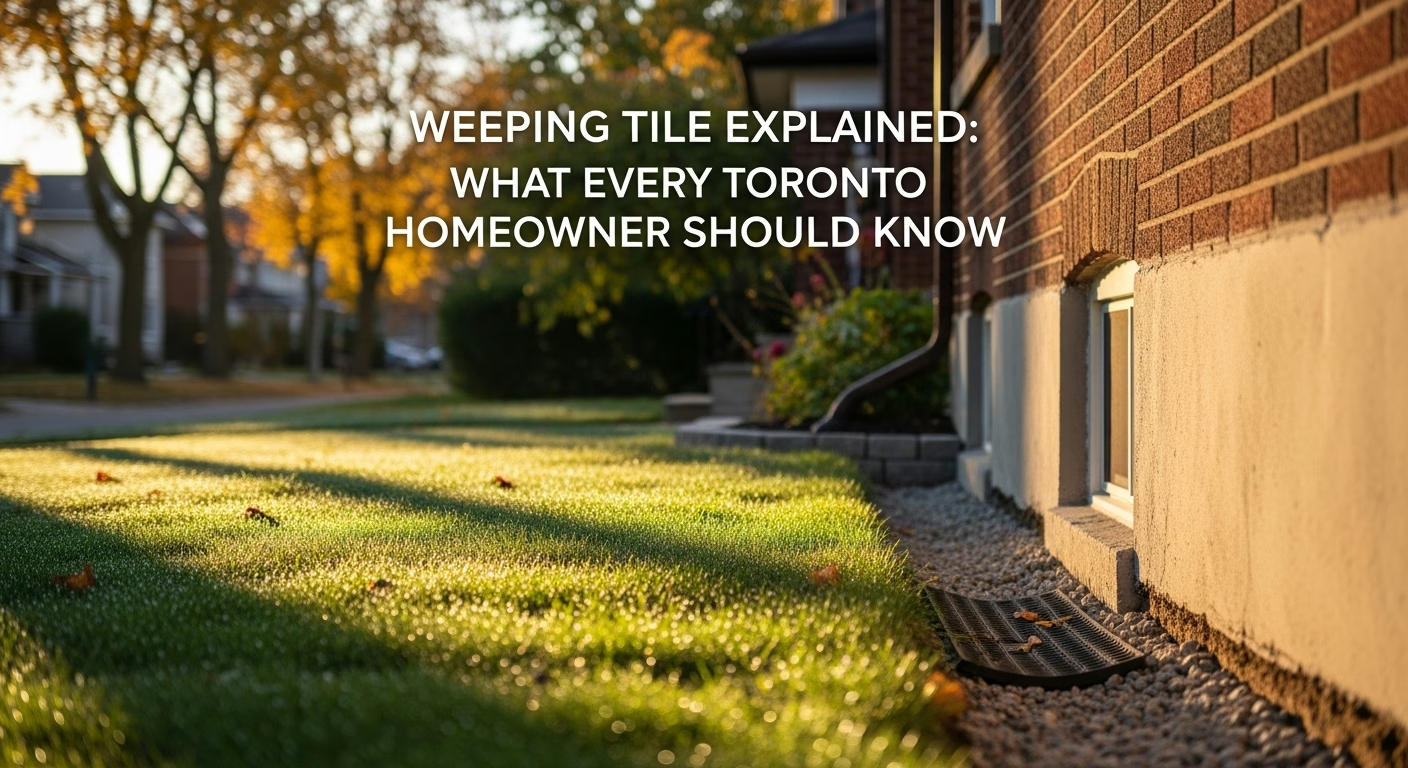

Weeping Tile Explained: Your Home's Hidden Drainage System
Weeping tile is one of the most important — and least understood — systems in your Toronto home. Despite the name, it has nothing to do with tile. It's a drainage system installed around your home's foundation that collects groundwater and directs it away before it can enter your basement.What Is Weeping Tile?
Originally, weeping tile was made from short sections of clay pipe (hence "tile") laid end to end with small gaps between them. Water would seep ("weep") into the gaps and flow through the pipe to a discharge point.
Modern weeping tile systems use perforated plastic pipe (typically 4-inch diameter) wrapped in a filter fabric. The pipe is installed in a bed of gravel around the exterior or interior perimeter of your foundation. Water enters through the perforations, flows through the pipe by gravity, and is directed either to a storm sewer (in older installations) or to a sump pump pit for removal.
Why Weeping Tile Matters in Toronto
Toronto's geography and climate create a perfect storm for basement water problems:
- High water table in many neighbourhoods, especially near Lake Ontario, the Don River, and the Humber River
- Clay soil — Much of the GTA has heavy clay soil that holds water rather than draining it
- Freeze-thaw cycles — Repeated freezing and thawing creates cracks in foundations that allow water entry
- Aging infrastructure — Many Toronto homes were built in the 1950s through 1970s with clay weeping tile that has a limited lifespan
- Intense rainfall events — Climate change is bringing more frequent heavy downpours that overwhelm drainage systems
Signs Your Weeping Tile Is Failing
A failing weeping tile system doesn't announce itself suddenly. Instead, watch for these gradual warning signs:
- Damp or musty basement — The most common early sign
- White mineral deposits (efflorescence) on basement walls — Indicates water is moving through the concrete
- Cracks in basement walls with moisture or staining
- Mold growth on basement walls or near the floor
- Water seeping through the basement floor during or after heavy rain
- Sump pump running constantly — Could mean the weeping tile is overwhelmed or partially blocked
- Standing water in window wells — May indicate exterior drainage issues
Interior vs Exterior Weeping Tile
There are two approaches to weeping tile installation, each with different applications:
Exterior Weeping Tile
This is installed outside your foundation walls, at the footing level. It's the original and most effective approach because it intercepts water before it reaches your foundation.
Process:- Excavation around the full perimeter of the foundation (down to the footing)
- Old weeping tile removal
- Foundation waterproofing membrane application
- New perforated pipe installation in a gravel bed
- Connection to sump pump or appropriate discharge point
- Backfilling and landscape restoration
Interior Weeping Tile
Installed inside the basement along the interior perimeter of the foundation. A channel is cut into the concrete floor along the walls, perforated pipe is laid in gravel, and everything connects to a sump pit.
Need professional plumbing?
Call RenoHouse at 289-212-2345 or get a free estimate today.
Get Free Estimate →- Concrete floor removal along the perimeter (approximately 12 to 18 inches wide)
- Excavation of soil beneath
- Perforated pipe installation in gravel
- Connection to a new or existing sump pit and pump
- Concrete floor replacement
- Optional vapour barrier on walls
How Long Does Weeping Tile Last?
The lifespan depends on the material:
- Original clay tile (pre-1970s): 25 to 40 years — if your home has this, it's likely failing or already failed
- Older plastic pipe (1970s-1990s): 25 to 50 years — may be approaching end of life
- Modern perforated PVC with filter fabric: 50 years or more — current best practice
Common Causes of Weeping Tile Failure
Understanding why systems fail helps you prevent problems:
- 1. Root intrusion — Tree roots seek water and grow into pipe joints and perforations
- 2. Sediment buildup — Soil particles gradually clog the pipe over years
- 3. Pipe collapse — Older clay tile and thin-walled plastic can collapse under soil pressure
- 4. Improper installation — Wrong slope, inadequate gravel, or missing filter fabric
- 5. Iron ochre — A bacterial sludge common in some GTA areas that clogs drainage systems
Maintenance Tips
While weeping tile is largely a "set and forget" system, some maintenance extends its life:
- Keep gutters clean — Overwhelmed eavestroughs dump water right at your foundation
- Grade soil away from the house — The ground should slope away from your foundation on all sides
- Manage trees near the foundation — Large trees within 5 metres can send roots into your drainage system
- Inspect your sump pump regularly — If the pump runs constantly, your weeping tile may need attention
- Address downspout extensions — Ensure downspouts discharge water at least 6 feet from the foundation
When to Call a Professional
If you're experiencing basement moisture issues, don't wait. Water damage compounds over time — what starts as a musty smell becomes mold, structural damage, and a significantly more expensive repair. A professional assessment can determine whether your weeping tile needs repair, replacement, or if the issue stems from another source.
Contact us for a thorough basement waterproofing assessment. We'll diagnose the cause of your moisture problems and recommend the most effective and cost-efficient solution for your Toronto home.
Ontario Building Code Requirements
Any renovation project in the GTA must comply with the Ontario Building Code (OBC). This applies whether you're in Toronto, Mississauga, Brampton, or any other municipality. Key requirements include:
- Building permits are required for structural changes, plumbing modifications, electrical work, and HVAC alterations
- ESA permits are mandatory for any electrical work — your contractor must be a Licensed Electrical Contractor (LEC) in Ontario
- Plumbing permits through your local municipality for any new plumbing rough-ins or relocations
- Inspections at various stages — rough-in, insulation, and final inspection before closing walls
- Fire safety — smoke detectors on every level, carbon monoxide detectors near sleeping areas (Ontario law since 2015)
Failing to pull permits can result in fines, insurance issues, and problems when selling your home. Always verify your contractor handles permits as part of the project scope.
Sources & References
Authoritative sources cited in this guide:
- Toronto Sewer Use Bylaw 681 — Toronto plumbing/sewer regulations
- Ontario Building Code 7 (Plumbing) — OBC plumbing standards
- Health Canada — Drinking Water — Health Canada drinking water guidelines
- CSA B149.1 Natural Gas Code — Canadian gas installation code
Continue Reading
- Basement Waterproofing Toronto
- Basement Flooding Prevention Toronto— Sump Pump, Backwater Valve
- Sump Pump Installation Guide for GTA Basements
Related Reading
- Basement Waterproofing Toronto: Full Guide
- Basement Waterproofing Toronto
- Weeping Tile Repair & Installation
Frequently Asked Questions
How much does weeping tile installation or repair cost?
Weeping tile installation ranges from $8,000 to $15,000 for an average Toronto home, depending on foundation size and soil conditions. Partial repairs cost $2,000 to $5,000 if only sections need replacement. Complete system replacement with full perimeter excavation runs $12,000 to $20,000. Request quotes from licensed contractors to compare scope and pricing.
What are signs my weeping tile system is failing?
Common signs include water pooling in your basement, cracks in foundation walls, or persistent moisture odours. Exterior indicators include water staining on the foundation or soil subsidence (sinking) around the perimeter. If your home is in Toronto and has been on the same drainage system for 40+ years (clay or older plastic), failure is more likely. Have a drainage contractor inspect if you notice any of these warning signs.
How long does a weeping tile system last?
Clay weeping tile systems last 30–50 years before clay pipes degrade and crack. Plastic systems (installed since the 1970s in the GTA) function for 40–60 years. If your home was built before 1980, your weeping tile is likely near or past its design life. Don't wait for failure—proactive inspection and replacement prevents costly basement flooding and foundation damage.
Do I need a permit for weeping tile replacement?
Yes, Toronto requires a building permit for weeping tile installation or replacement. You must also have a licensed drainage contractor complete the work and obtain an ESA inspection if the work is near electrical systems or the basement panel. The permit process takes 1–2 weeks for approval; actual installation takes 3–7 days depending on system complexity and soil. Your contractor handles the permit application.