RenoHouse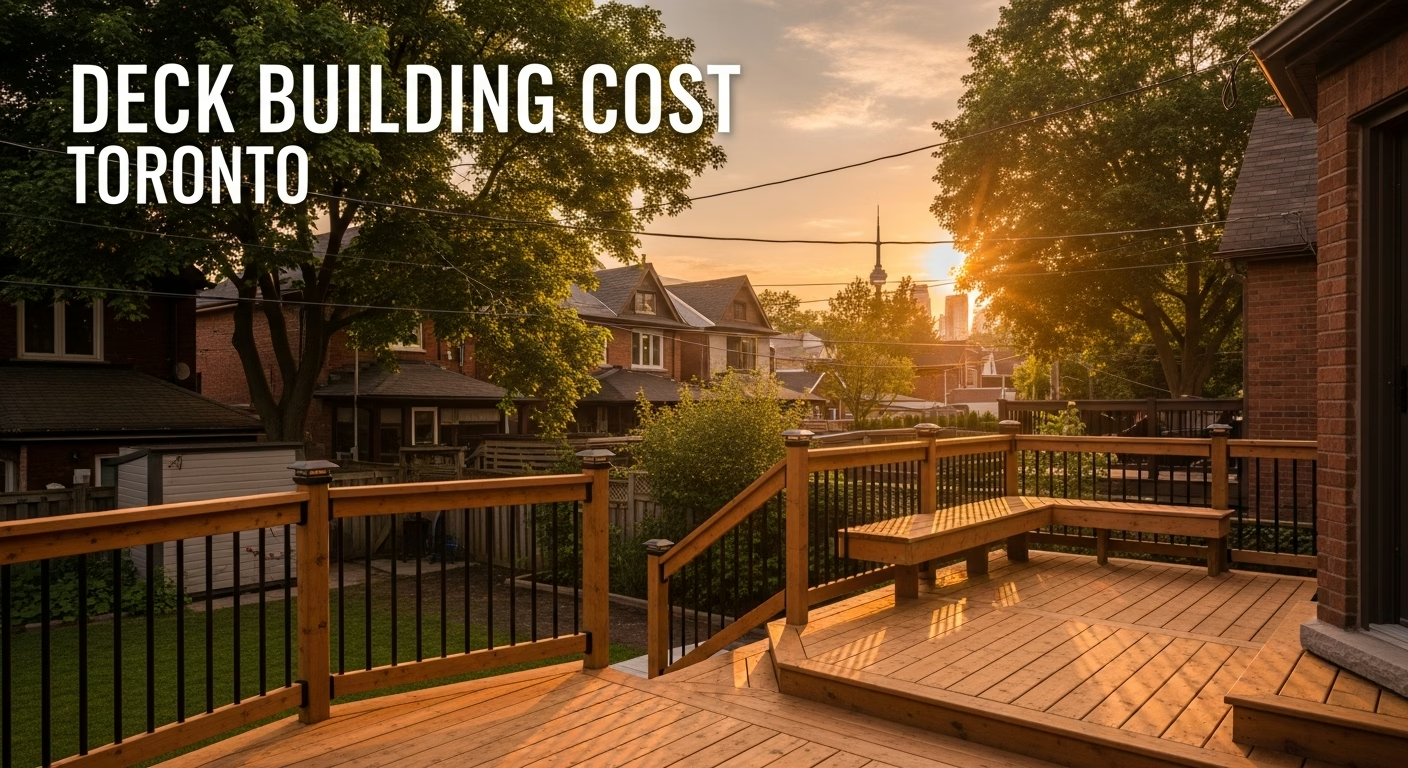

A well-built deck is one of the best investments a Toronto homeowner can make — it extends your living space outdoors, increases property value by 65–80% of the project cost, and transforms how you use your backyard during the GTA's precious warm-weather months. But deck building involves more decisions than most homeowners expect: material choices, permit requirements, design options, and finding a reliable deck builder who delivers quality work on time and on budget.
This guide — part of our Complete Home Exterior Guide Toronto 2026 — covers per-square-foot pricing, City of Toronto permit rules, material comparisons, and design inspiration to help you plan with confidence.
---
Cost Per Square Foot
Deck building costs in Toronto range from $30 to $80+ per square foot, depending primarily on material choice. Here's a detailed breakdown for 2026.| Material | Cost/sqft (Installed) | 200 sqft Deck | 400 sqft Deck | Lifespan |
|---|---|---|---|---|
| Pressure-treated wood | $30 – $45 | $6,000 – $9,000 | $12,000 – $18,000 | 15 – 20 yrs |
| Cedar | $40 – $60 | $8,000 – $12,000 | $16,000 – $24,000 | 15 – 25 yrs |
| Composite (Trex, TimberTech) | $50 – $80 | $10,000 – $16,000 | $20,000 – $32,000 | 25 – 50 yrs |
| PVC / Cellular | $55 – $85 | $11,000 – $17,000 | $22,000 – $34,000 | 30 – 50 yrs |
| Exotic hardwood (Ipe, Tigerwood) | $60 – $100 | $12,000 – $20,000 | $24,000 – $40,000 | 30 – 50 yrs |
Prices include complete installation: footings, framing, decking, basic railing, stairs, and labour. Not included: permits, design fees, or premium features.
What's NOT Included in Base Pricing
| Add-On | Additional Cost |
|---|---|
| Building permit | $200 – $500 |
| Design / engineering drawings | $300 – $1,000 |
| Demolition of old deck | $500 – $2,000 |
| Built-in benches | $50 – $100/linear ft |
| Pergola or shade structure | $2,000 – $8,000 |
| Built-in lighting | $500 – $2,500 |
| Outdoor kitchen/BBQ area | $3,000 – $15,000 |
| Privacy screens | $500 – $2,000 |
| Hot tub reinforcement | $500 – $1,500 |
---
Wood vs Composite
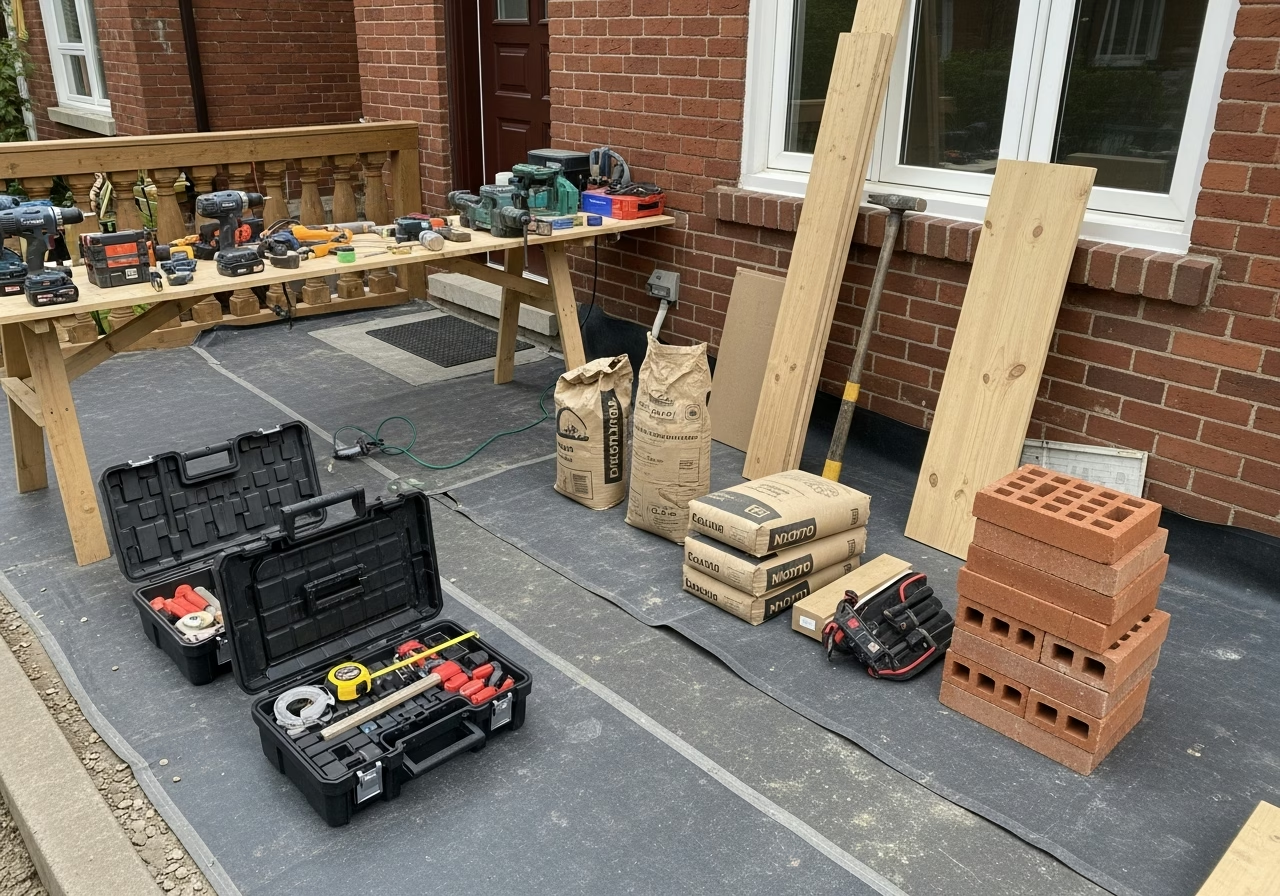
The wood-versus-composite decision is the most important choice in your deck project. Each material has distinct advantages for Toronto homeowners.
| Feature | Pressure-Treated | Cedar | Composite |
|---|---|---|---|
| Upfront cost | Lowest | Medium | Highest |
| Maintenance | High — stain/seal every 1–2 years | Medium — seal annually | Near zero |
| Durability | Warps/cracks in freeze-thaw | Dents easily, soft wood | Won't rot, warp, splinter |
| Appearance | Natural wood, can stain any colour | Beautiful warm grain | Consistent; some look artificial |
| Environmental | Chemical preservatives (ACQ) | Natural, no chemicals | Made from recycled materials |
| Best for | Budget projects, cottages | Natural beauty lovers | Low-maintenance, long-term value |
Total Cost of Ownership (10-Year Comparison)
| Pressure-Treated | Cedar | Composite | |
|---|---|---|---|
| Installation (400 sqft) | $14,000 | $20,000 | $26,000 |
| Annual maintenance (10 yrs) | $5,000 | $5,000 | $500 |
| Repairs (10 yrs) | $1,500 | $1,000 | $200 |
| 10-Year Total | $20,500 | $26,000 | $26,700 |
Over 10 years, the cost difference between pressure-treated wood and composite nearly disappears when you factor in maintenance. And composite decks continue performing for another 15–40 years beyond that point, while wood decks may need replacement.
---
Permit Requirements
The City of Toronto requires building permits for most deck construction. Understanding the rules before you start saves time, prevents fines, and ensures your deck is structurally safe.
When You Need a Permit
You need a building permit if your deck:
- Is higher than 24 inches (60 cm) above grade at any point
- Is attached to your house (which most decks are)
- Is larger than 10 square metres (108 sqft) — even if it's below 24 inches
- Requires structural changes to your home (ledger board attachment, cutting into walls)
- Includes a roof or enclosed structure (pergola with a solid roof, screened room)
When You Don't Need a Permit
You may skip a permit if your deck is:
Need professional door & window services?
Call RenoHouse at 1-289-212-2345 or get a free estimate today.
Get Free Estimate →- Freestanding (not attached to the house) AND
- Under 24 inches above grade at all points AND
- Under 10 square metres (108 sqft)
Even without a permit, all decks must comply with the Ontario Building Code — non-compliance creates issues at resale.
The Permit Process
- 1. Submit application through the City of Toronto's online portal or at a permit counter
- 2. Include drawings — site plan showing deck location relative to property lines and setbacks, structural drawings showing footings, framing, and railing details
- 3. Wait for approval — typical processing time is 10–15 business days for a straightforward deck
- 4. Schedule inspections — typically two: one for footings/framing and one for final completion
- 5. Receive final sign-off — keep this document for your records and future resale
---
Design Ideas
Toronto's diverse housing styles — from Victorian semis to modern infills to suburban colonials — call for different deck designs. Here are the most popular options in the GTA.
| Design | Best For | Cost Impact | Notes |
|---|---|---|---|
| Single-level platform | Any home, most affordable | Baseline | 200–400 sqft off back door |
| Multi-level | Sloped yards (Scarborough, Etobicoke ravines) | +30–50% | Distinct zones for dining, lounging |
| Wraparound | Corner lots, bungalows | +40–60% | Multiple access points |
| Rooftop | Flat-roof row houses (Leslieville, Junction) | $80–$150/sqft | Engineered support required |
| Ground-level | Small backyards, patio replacement | Lowest | Often permit-free (under 24") |
---
Railing Options
Railings are required by the Ontario Building Code for any deck surface more than 24 inches above grade. They must be at least 36 inches high (42 inches if the deck is more than 1.8m above grade) with balusters spaced no more than 4 inches apart.
| Railing Type | Cost/linear ft | Maintenance | Look |
|---|---|---|---|
| Pressure-treated wood | $20 – $35 | High — annual staining | Traditional |
| Cedar | $30 – $50 | Medium — biennial sealing | Warm, natural |
| Composite | $40 – $70 | None | Clean, modern |
| Aluminum | $50 – $80 | None | Sleek, contemporary |
| Glass panel | $80 – $150 | Occasional cleaning | Unobstructed views |
| Cable | $60 – $100 | Occasional tightening | Modern, open feel |
---
Building Timeline
| Phase | Duration |
|---|---|
| Design and permit | 2 – 4 weeks |
| Material ordering | 1 – 2 weeks |
| Site preparation (demolition, grading) | 1 – 2 days |
| Footings and posts | 1 – 2 days |
| Framing | 2 – 3 days |
| Decking installation | 2 – 3 days |
| Railings and stairs | 1 – 2 days |
| Final inspection and touch-up | 1 day |
| Total on-site work | 1 – 3 weeks |
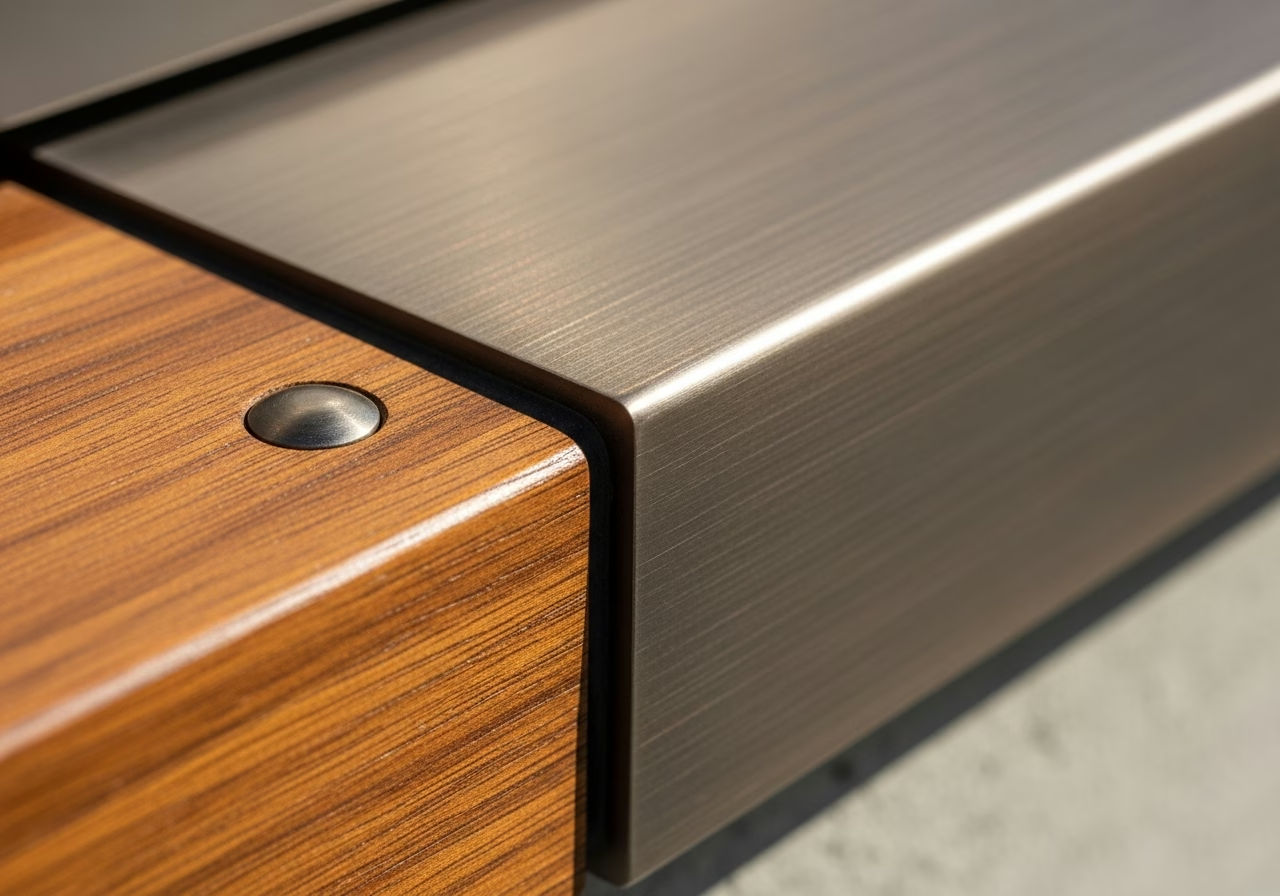
Complex decks extend to 3–4 weeks on-site. Weather delays are common during spring — a good deck contractor builds buffer time into the schedule.
---
How to Choose a Deck Builder
Finding the right deck builder or deck contractor is as important as choosing the right material. Here's what to look for.
- 1. Verify licensing and insurance — ensure they carry commercial general liability ($2M minimum) and WSIB coverage
- 2. Check portfolio — ask for photos of completed projects, ideally in your neighbourhood or with similar designs
- 3. Read reviews — Google, HomeStars, and Houzz reviews from verified Toronto customers
- 4. Get detailed quotes — material specs, timeline, warranty terms, permit handling, and payment schedule should all be in writing
- 5. Ask about subcontracting — some deck contractors subcontract the actual build. Know who's doing the work on your property
- 6. Confirm permit handling — a reputable builder handles the permit application and inspections as part of their service
- 7. Understand the warranty — workmanship warranty (minimum 2 years from the builder) plus manufacturer's material warranty (25–50 years for composite)
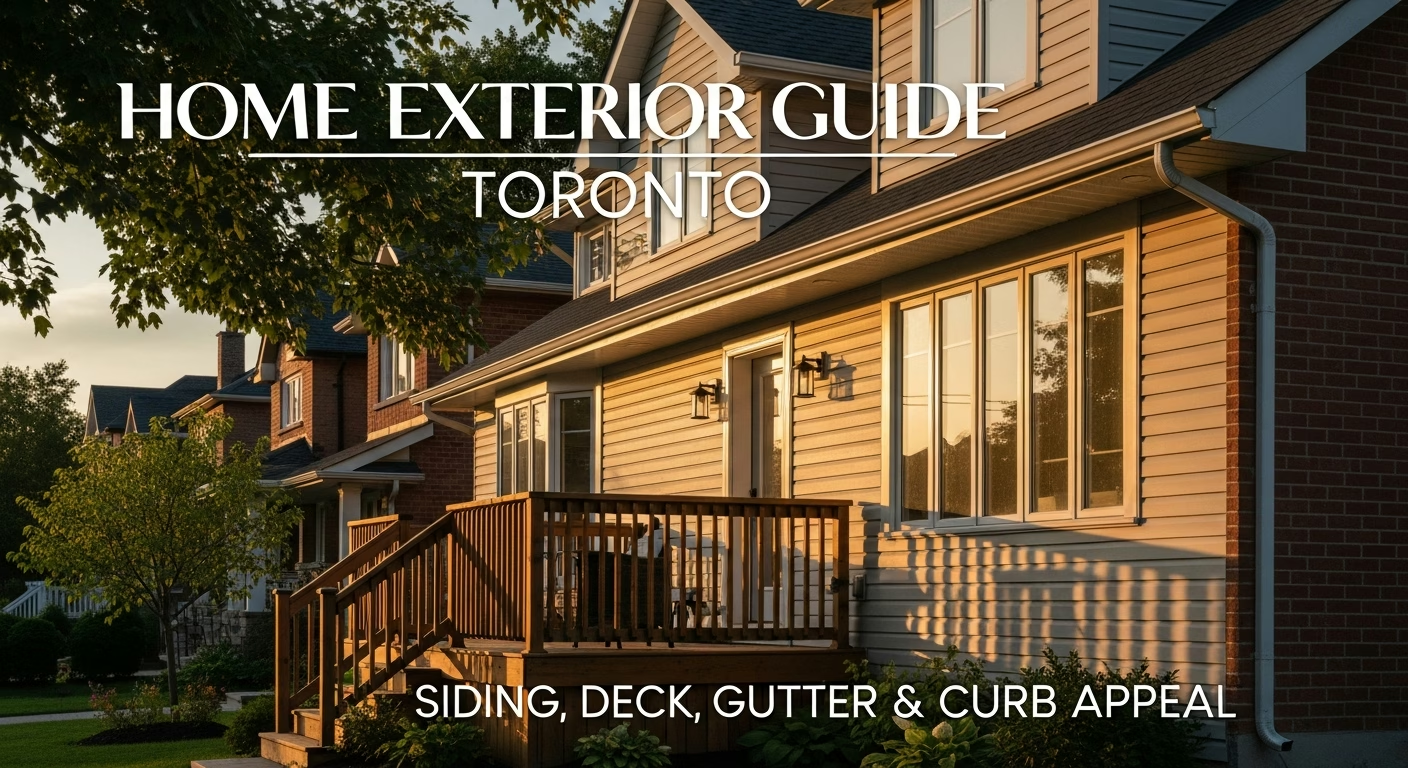
For a comprehensive overview of all exterior home improvements including vinyl siding, pressure washing, and more, visit our Complete Home Exterior Guide Toronto 2026.
---
FAQ
How much does it cost to build a deck in Toronto?A basic 200-square-foot pressure-treated wood deck costs $6,000–$9,000 installed. A similar-sized composite deck runs $10,000–$16,000. Larger decks (400 sqft) range from $12,000 to $32,000 depending on material. These prices include framing, decking, basic railing, stairs, and labour.
Do I need a permit to build a deck in Toronto?Yes, in most cases. The City of Toronto requires a building permit for any deck higher than 24 inches above grade, attached to the house, or larger than 10 square metres (108 sqft). Freestanding, low-level decks under these thresholds may be exempt, but must still meet Ontario Building Code standards.
How long does it take to build a deck?On-site construction takes 1–3 weeks for most residential decks. The full project timeline, including design, permits, and material ordering, is typically 4–8 weeks from start to completion. Complex multi-level designs or custom features can extend this to 8–12 weeks.
Is composite decking worth the extra cost?For most Toronto homeowners, yes. While composite costs 50–100% more upfront than pressure-treated wood, it requires virtually zero maintenance over its 25–50 year lifespan. When you factor in the annual cost of staining, sealing, and repairing wood decks, the 10-year total cost is nearly identical — and composite keeps going for decades longer.
What is the best decking material for Toronto's climate?Composite decking is the best all-around choice for Toronto. It handles freeze-thaw cycles without warping or cracking, resists moisture damage from snow and rain, won't splinter, and maintains its appearance year after year with minimal care. If you prefer natural wood, cedar offers the best weather resistance among wood options.
Sources & References
Authoritative sources cited in this guide:
- Toronto Building Permits — Permit info
- Ontario Building Code 9.27 (Cladding) — Exterior cladding standards
Continue Reading
- Building a Deck in Toronto: Materials, Permits & What to Know
- Composite Decking Toronto: Complete 2026 Cost & Brand Guide
- Home Exterior Guide Toronto| Siding, Deck, Gutter & Curb Appeal
Related Services