RenoHouse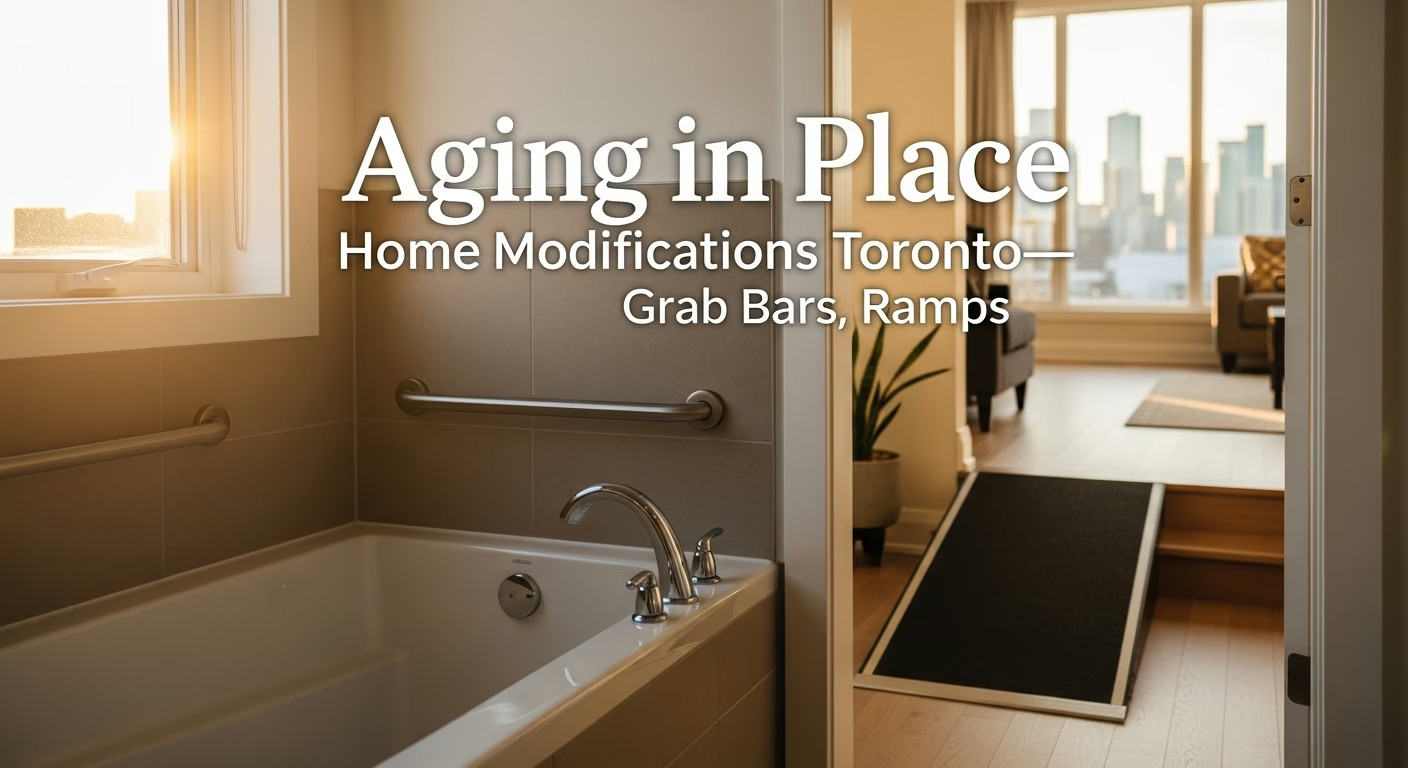

*Part of our Handyman Services Toronto Guide.*
Most Canadians want to stay in their own homes as they age. With the right modifications, that is entirely possible — and often far less expensive than assisted living.
*Part of our Handyman Services Toronto Guide.*
Need professional renovation?
Call RenoHouse at 1-289-212-2345 or get a free estimate today.
Get Free Estimate →Most Canadians want to stay in their own homes as they age. With the right modifications, that is entirely possible — and often far less expensive than assisted living. This guide covers the most effective aging-in-place modifications, their costs, and available financial assistance in Ontario.
Why Modify Your Home?
- Falls are the #1 cause of injury for Canadians over 65
- 80% of falls happen in the home — bathroom and stairs are the top locations
- Home modifications reduce fall risk by 26–39% (source: Canadian Institute for Health Information)
- Staying home costs far less than long-term care ($1,500–$3,000/month vs $5,000–$8,000/month)
Essential Modifications by Priority
Priority 1: Bathroom Safety (Most Critical)
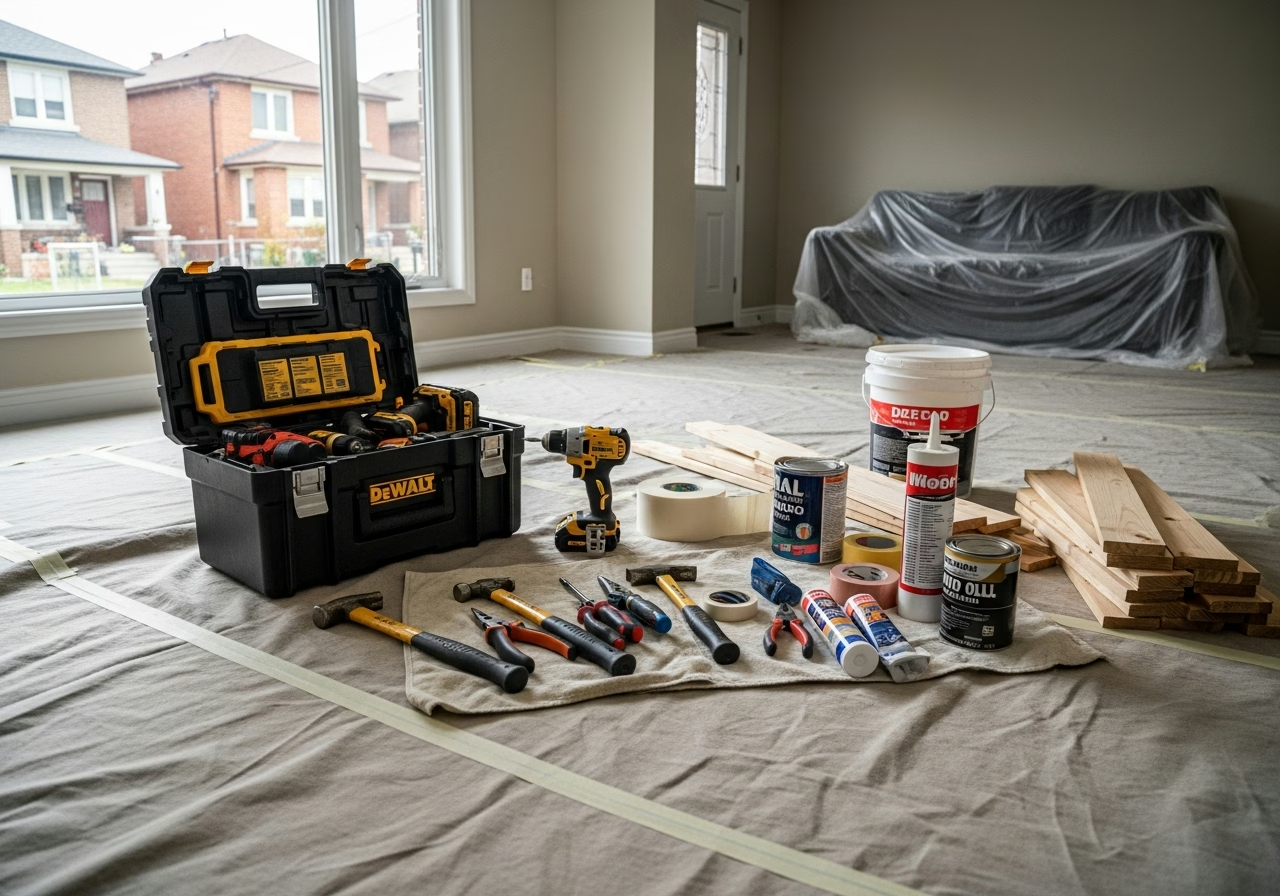
The bathroom is where most falls occur. These modifications have the highest impact:
| Modification | Cost | Impact |
|---|---|---|
| Grab bars (tub/shower, toilet) | $75–$200 each installed | Highest impact, lowest cost |
| Non-slip flooring | $500–$1,500 | Prevents slips on wet surfaces |
| Walk-in shower (replace tub) | $3,000–$8,000 | Eliminates step-over fall risk |
| Raised toilet seat | $30–$80 (DIY) | Easier sit-to-stand |
| Comfort-height toilet | $300–$500 installed | Permanent raised height |
| Handheld shower head | $50–$150 installed | Seated showering option |
| Shower bench/seat | $50–$300 | Seated showering |
For full bathroom renovation options, see our Bathroom Renovation Guide Toronto.
Priority 2: Stairways and Entrances
| Modification | Cost | Notes |
|---|---|---|
| Handrails (both sides of stairs) | $200–$500 per side | Code requires one; two is safer |
| Exterior ramp (wood or aluminum) | $1,000–$5,000 | Depends on length and materials |
| Stairlift | $3,000–$6,000 | Curved stairs cost $8,000–$15,000 |
| Stair lighting (motion-activated) | $100–$300 | Prevents missteps in the dark |
| Non-slip stair treads | $10–$30 per step | Simple, effective |
| Threshold ramps (interior) | $30–$100 each | Eliminates trip hazards |
Priority 3: Kitchen and Living Areas
| Modification | Cost | Notes |
|---|---|---|
| Lever door handles (replace knobs) | $30–$75 per door | Easier for arthritic hands |
| Rocker light switches | $15–$30 per switch | Easier than toggle switches |
| Pull-out cabinet shelves | $100–$300 per shelf | No reaching or bending |
| Under-cabinet lighting | $200–$500 | Better visibility for cooking |
| Doorway widening (for wheelchair) | $500–$1,500 per doorway | Standard 32" to 36" |
Priority 4: General Home Safety
| Modification | Cost | Notes |
|---|---|---|
| Smart home system (voice-controlled lights, locks) | $200–$1,000 | Reduces physical effort |
| Medical alert system | $30–$50/month | Fall detection, emergency call |
| Improved outdoor lighting | $200–$500 | Motion-activated, path lighting |
| Non-slip area rugs (or remove rugs entirely) | $0–$200 | Trip hazard elimination |
| Carbon monoxide detectors (every level) | $30–$50 each | Safety code requirement |
Financial Assistance in Ontario
Canada Mortgage and Housing Corporation (CMHC)
- Home Adaptations for Seniors Independence (HASI) — forgivable loans up to $3,500
- Income-tested, applies to homeowners and landlords
Ontario Programs
- Ontario Renovates — grants up to $15,000 for accessibility modifications (income-tested)
- Assistive Devices Program (ADP) — covers 75% of some mobility devices
City of Toronto
- Toronto Renovates — grants and loans for seniors and low-income homeowners
- Contact 311 or toronto.ca/housing for current availability
Tax Credits
- Home Accessibility Tax Credit (HATC) — 15% federal credit on up to $20,000 in eligible expenses
- Medical Expense Tax Credit — some modifications qualify as medical expenses
Planning an Aging-in-Place Renovation
- 1. Start with an occupational therapist assessment — they identify your specific risks and needs
- 2. Prioritize bathroom and stairs — highest fall-risk areas
- 3. Plan for future needs — install blocking in walls now for grab bars later
- 4. Combine modifications with other renovations — saves on labour costs
- 5. Check all available grants before starting — some require pre-approval
RenoHouse Aging-in-Place Services
RenoHouse installs all of the modifications described in this guide. Our team includes technicians experienced in accessibility renovations who understand both the safety requirements and the aesthetic concerns of aging-in-place modifications.
Related Guides
- Handyman Services Toronto — Complete Guide
- Walk-in Shower Cost Toronto
- Bathroom Renovation Guide Toronto
- Home Renovation Guide Toronto 2026
Sources & References
Authoritative sources cited in this guide:
- Ontario Building Code — OBC official text
- Toronto Building Permits — Permit info
Continue Reading
- Aging-in-Place Renovation Toronto: Complete 2026 Guide
- Aging-in-Place Condo Toronto: 2026 Renovation Guide for Downsizers
- Grab Bar Installation Toronto: Bathroom Safety Done Right (2026)
Related Services