RenoHouse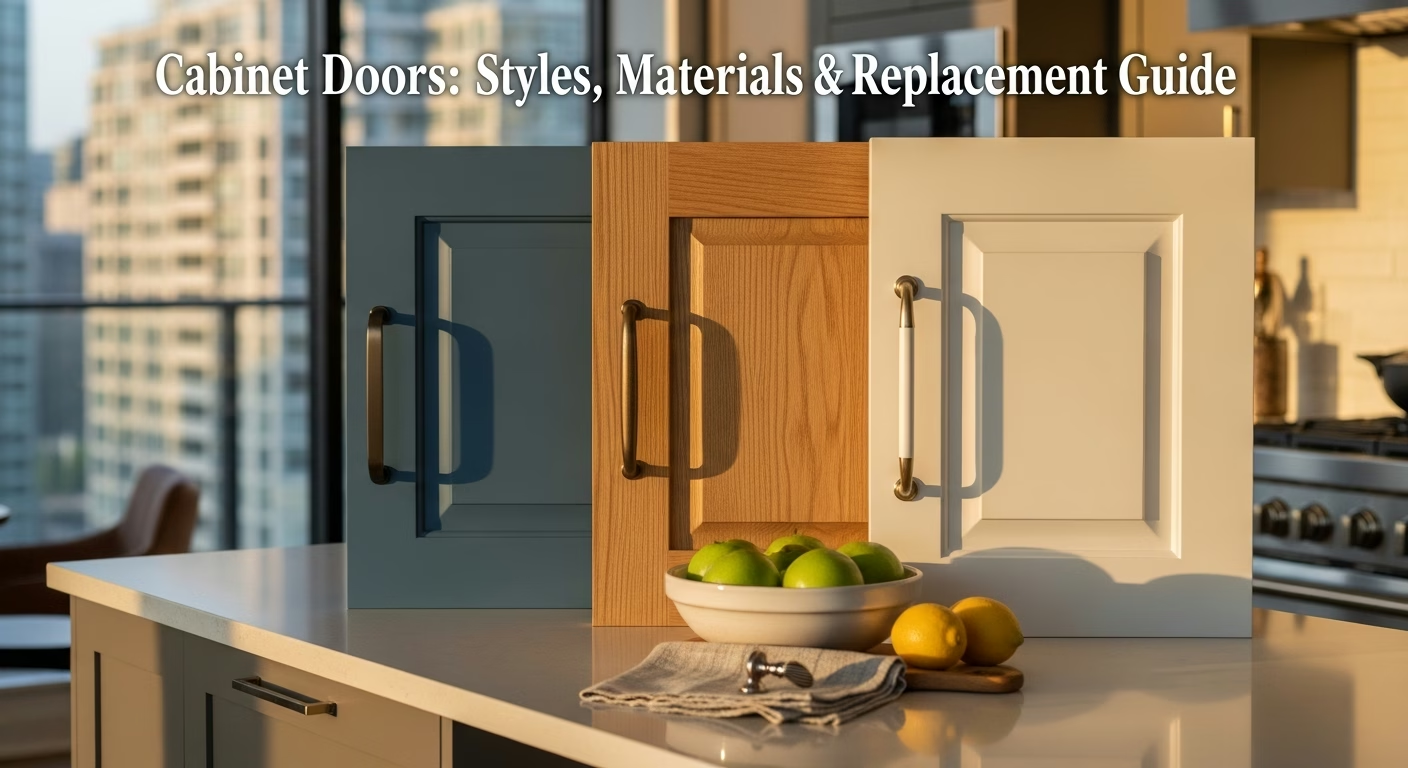

Cabinet Doors: Your Complete Guide
Replacing cabinet doors is one of the most cost-effective kitchen upgrades you can make. For a fraction of the cost of a full kitchen renovation, new cabinet doors can completely transform the look and feel of your Toronto home's kitchen.
Popular Cabinet Door Styles
Shaker Style
The most popular cabinet door style in Toronto kitchens. Clean lines, recessed centre panel, and a timeless five-piece frame construction.
Best for: Modern, transitional, and farmhouse kitchens. Works in virtually any GTA home from Etobicoke bungalows to Vaughan new builds. Cost: $30–$80 per doorFlat Panel (Slab)
Ultra-modern, completely flat door surface with no frame or panel detail. Clean, minimalist aesthetic.
Best for: Contemporary kitchens, condos in downtown Toronto, modern homes in Markham and Richmond Hill. Cost: $25–$60 per doorRaised Panel
Traditional style with a centre panel that's raised above the frame. Classic, formal appearance.
Best for: Traditional kitchens, colonial-style homes, formal dining areas in Oakville and Burlington executive homes. Cost: $40–$100 per doorGlass Front
Doors with glass panels that showcase dishware and decorative items. Available in clear, frosted, seeded, and leaded glass options.
Best for: Upper cabinets, display areas, adding visual depth to smaller kitchens. Cost: $60–$150 per doorCabinet Door Materials
| Material | Durability | Cost | Look |
|---|---|---|---|
| MDF (painted) | Good | $ | Smooth, consistent |
| Thermofoil | Good | $ | Smooth, many colours |
| Solid wood (maple) | Excellent | $$$ | Natural, premium |
| Solid wood (oak) | Excellent | $$ | Prominent grain |
| Plywood + veneer | Very good | $$ | Natural look, stable |
Cost to Replace Cabinet Doors in the GTA
For a typical Toronto kitchen with 20–30 doors:
Need professional kitchen & bathroom renovation?
Call RenoHouse at 1-289-212-2345 or get a free estimate today.
Get Free Estimate →- Budget (thermofoil/MDF): $600–$1,800 (doors only)
- Mid-range (painted MDF/maple): $1,500–$3,500
- Premium (solid wood): $3,000–$7,000+
Add $1,500–$3,000 for professional installation in the GTA.
Total budget for a complete door replacement: $2,000–$10,000 — compared to $25,000–$50,000 for a full kitchen renovation.Where to Buy Cabinet Doors in the GTA
- IKEA (Etobicoke, North York) — Affordable modern options
- Home Depot / Lowe's — Wide selection of stock and semi-custom doors
- Custom cabinet shops — Mississauga, Vaughan, and Markham have many specialty shops
- Online — Companies ship custom-sized doors directly to your Toronto home
DIY Door Replacement Tips
- 1. Measure precisely — Door sizes vary. Measure height, width, and thickness of each existing door.
- 2. Keep the same hinges — European concealed hinges are standard in modern kitchens; ensure compatibility.
- 3. Don't forget hardware — New pulls and knobs complete the transformation ($3–$15 each).
- 4. Sand and clean boxes — If cabinets are in good shape, a quick sand and fresh paint on the boxes makes new doors look even better.
When to Replace Doors vs Full Cabinets
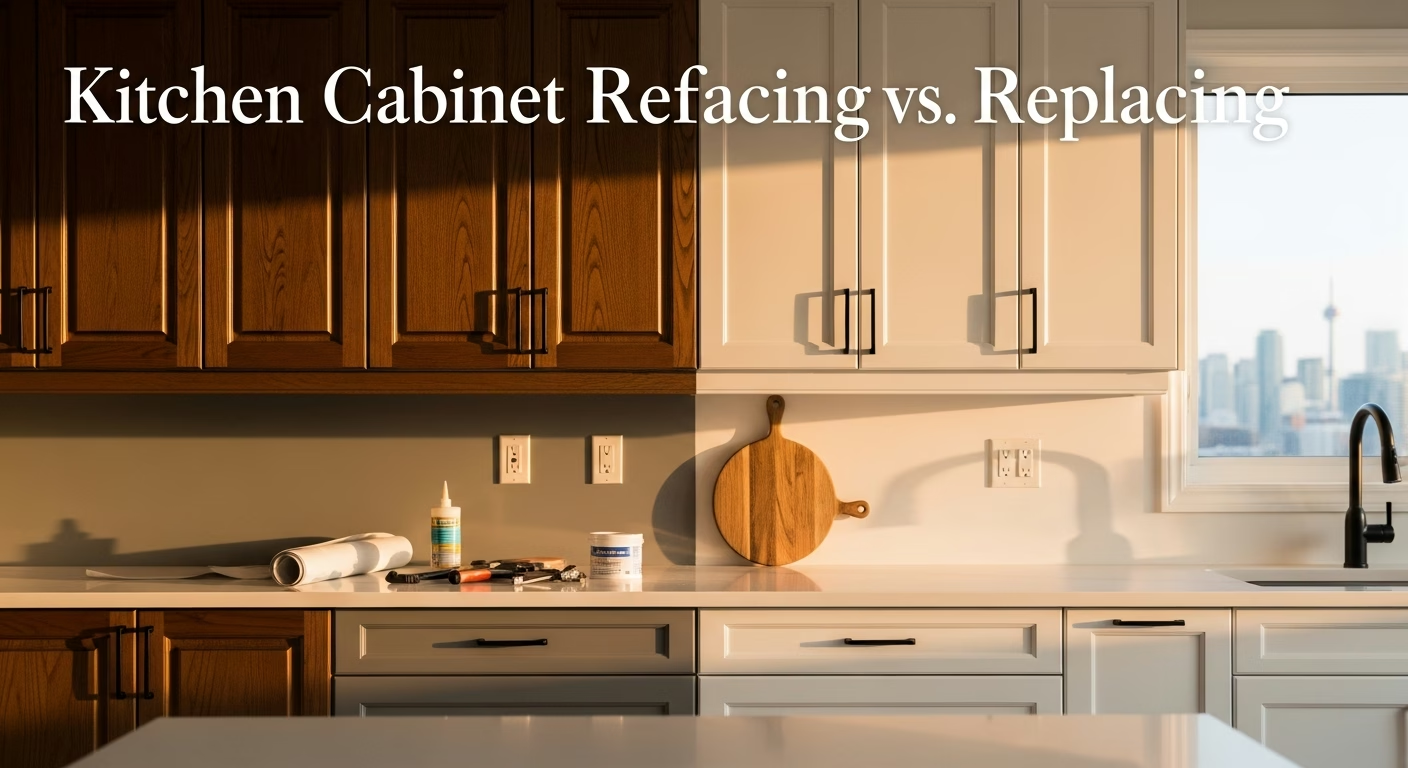
Replace doors when: Cabinet boxes are solid, layout works well, you want a style refresh, budget is limited. Replace full cabinets when: Boxes are damaged or warped, layout needs to change, you're doing a full kitchen renovation.Transform Your Kitchen Today
New cabinet doors can make your kitchen look brand new in just a few days. RenoHouse helps Toronto homeowners choose, order, and install the perfect cabinet doors.
Call 289-212-2345 for a free kitchen consultation. Serving Toronto, Mississauga, Brampton, Vaughan, Markham, Oakville, Scarborough, and the entire GTA.Ontario Building Code Requirements
Any renovation project in the GTA must comply with the Ontario Building Code (OBC). This applies whether you're in Toronto, Mississauga, Brampton, or any other municipality. Key requirements include:
- Building permits are required for structural changes, plumbing modifications, electrical work, and HVAC alterations
- ESA permits are mandatory for any electrical work — your contractor must be a Licensed Electrical Contractor (LEC) in Ontario
- Plumbing permits through your local municipality for any new plumbing rough-ins or relocations
- Inspections at various stages — rough-in, insulation, and final inspection before closing walls
- Fire safety — smoke detectors on every level, carbon monoxide detectors near sleeping areas (Ontario law since 2015)
Failing to pull permits can result in fines, insurance issues, and problems when selling your home. Always verify your contractor handles permits as part of the project scope.
GTA Regional Considerations
The Greater Toronto Area spans dozens of municipalities, each with unique housing stock and renovation considerations:
- Toronto (Old Toronto, Midtown) — Many homes built pre-1950 with knob-and-tube wiring, galvanized plumbing, and plaster walls. Renovations often uncover issues requiring additional remediation
- Scarborough & Etobicoke — Primarily 1950s–1970s bungalows and split-levels. Common issues include outdated electrical panels (60-amp service), original windows, and aging drainage systems
- North York — Mix of post-war homes and newer builds. Many homeowners are upgrading original finishes from the 1980s–1990s
- Mississauga & Brampton — Rapid growth areas with homes from the 1980s–2000s. Common projects include basement finishing, kitchen updates, and exterior refreshes
- Vaughan & Richmond Hill — Newer subdivisions often need cosmetic updates rather than structural work. Builder-grade finishes are frequently upgraded within 5–10 years
- Markham — Similar to Vaughan with many newer communities. Heritage areas in old Markham Village may have specific design requirements
- Oakville — Higher-end homes with premium finish expectations. Many lakefront properties have specific moisture and drainage considerations
Understanding your neighbourhood's typical home age and construction type helps set realistic expectations for scope and budget.
Understanding Renovation Costs in Ontario (2025–2026)
Renovation costs in the GTA vary significantly based on scope, materials, and labour. Here are some general factors that affect pricing:
- Labour rates — Skilled trades in the GTA command competitive rates due to high demand. Licensed plumbers, electricians, and general contractors reflect the cost of insurance, WSIB, and licensing
- Material costs — Supply chain improvements have stabilized some material prices, but premium materials (natural stone, custom cabinetry) remain at a premium
- Scope creep — Budget 10–15% contingency for unexpected discoveries behind walls (water damage, outdated wiring, asbestos in older homes)
- Seasonal pricing — Late fall and winter months (November–February) are typically slower seasons when some contractors offer better rates
- Economies of scale — Bundling multiple projects (e.g., kitchen + bathroom, or full-home painting) often reduces per-project costs
For accurate pricing tailored to your specific project, request a detailed quote with itemized breakdowns. Avoid contractors who only provide lump-sum estimates without explaining what's included.
Sources & References
Authoritative sources cited in this guide:
- Ontario Building Code — OBC official text
- Toronto Building Permits — City permit portal
- Tarion New Home Warranty — Ontario warranty regulator
- HCRA — Home Construction Regulatory Authority — Ontario builder/vendor licensing
Continue Reading
- Kitchen Cabinet Refacing vs. Replacing
- Cabinet Refacing vs Refinishing: Which Is Right for You?
- Door Replacement Cost in Toronto: Interior & Exterior
Related Services