RenoHouse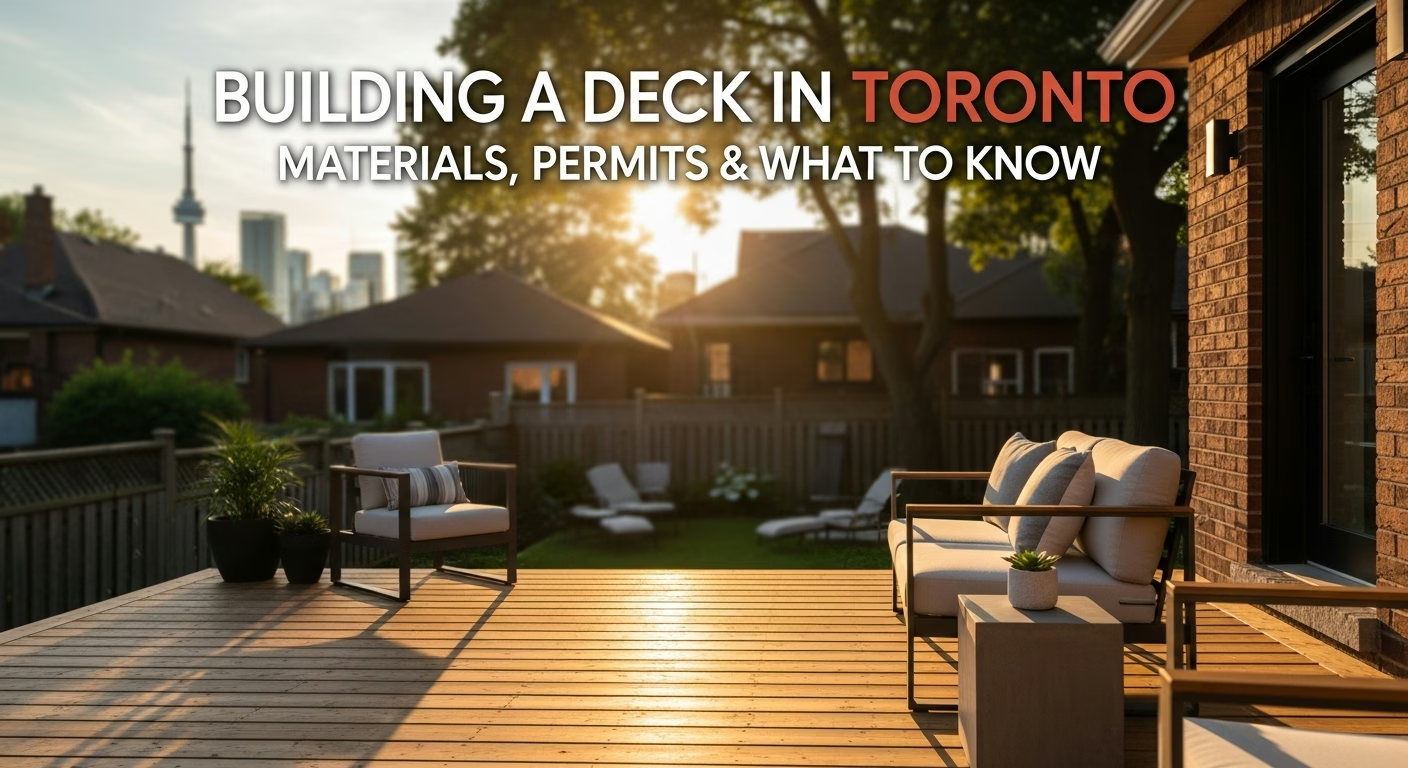

Building a Deck in Toronto: Materials, Permits & What to Know
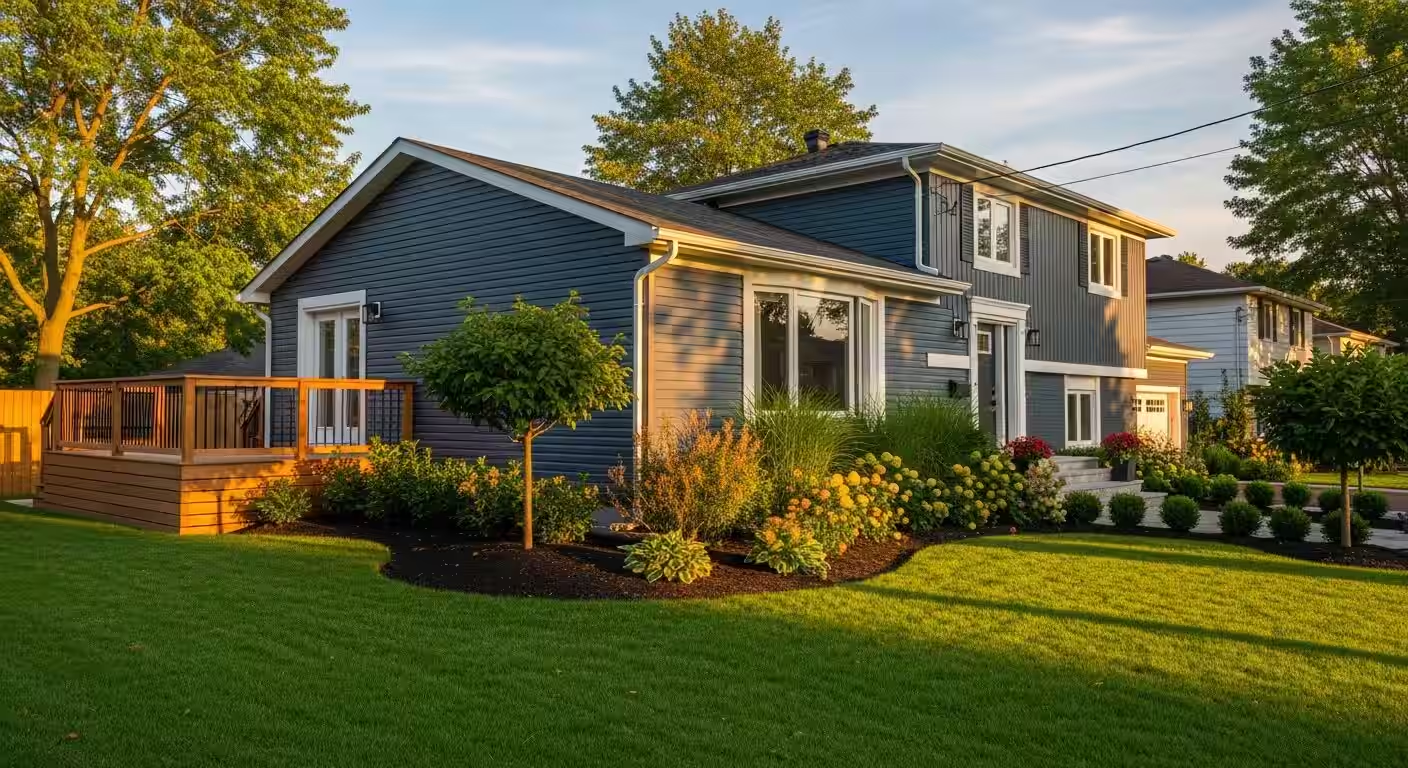
A deck is one of the best investments for a GTA home — it extends your living space and adds real value. But building a deck in Toronto involves permits, code requirements, and material choices that matter in our climate.
Do You Need a Permit?
In the City of Toronto, you need a building permit for most decks. Specifically:
- Decks more than 24 inches (0.6m) above grade require a permit
- Decks attached to the house require a permit (they affect the building envelope)
- Decks over 100 square feet in some municipalities require a permit
Rules vary across the GTA — Mississauga, Brampton, Vaughan, Markham, and Oakville each have their own thresholds. Always check with your local building department before starting.
Building without a permit can result in fines, mandatory removal, and problems when selling your home.Ontario Building Code Requirements
Key OBC requirements for residential decks:
- Railings required on any deck surface more than 24 inches above grade
- Railing height: minimum 36 inches (some municipalities require 42 inches)
- Baluster spacing: maximum 4 inches apart (a 4-inch sphere cannot pass through)
- Structural posts must rest on proper footings — below the frost line (4 feet deep in Toronto)
- Ledger board attachment to the house must follow specific fastening requirements
Deck Material Options
Pressure-Treated Wood
- Most affordable option
- Requires annual maintenance (staining/sealing)
- Lifespan: 15–25 years with proper care
- Can crack, warp, and splinter over time in Toronto's freeze-thaw cycles
Cedar
- Naturally rot-resistant and beautiful
- More expensive than pressure-treated
- Still requires regular sealing
- Softer wood — dents and scratches more easily
Composite Decking (Trex, TimberTech, etc.)
- Low maintenance — no staining or sealing required
- Higher upfront cost but lower lifetime cost
- Won't rot, crack, or splinter
- Stays cooler than some capped composites in direct sun
- 25-year+ warranties common
PVC Decking
- Completely synthetic — zero moisture absorption
- Most expensive option
- Extremely low maintenance
- Can feel less natural underfoot
What Affects Your Project
Several factors affect the scope and timeline:
- Site preparation — sloped yards, tree roots, or rocky soil increase foundation work
- Height and size — taller decks need more structural engineering
- Features — stairs, built-in benches, pergolas, and lighting add complexity
- Access — can materials be delivered easily to your backyard?
Best Time to Build in the GTA
The ideal window is late spring through early fall (May–October). Footings can't be poured in frozen ground, and most contractors book up quickly once spring arrives. Planning in winter and booking early gives you the best scheduling options.
Get Your Deck Project Started
RenoHouse builds custom decks across the GTA using pressure-treated lumber, cedar, and composite materials. We handle permits, design, and construction from start to finish.
Need professional exterior renovation?
Call RenoHouse at 1-289-212-2345 or get a free estimate today.
Get Free Estimate →Ontario Building Code Requirements
Any renovation project in the GTA must comply with the Ontario Building Code (OBC). This applies whether you're in Toronto, Mississauga, Brampton, or any other municipality. Key requirements include:
- Building permits are required for structural changes, plumbing modifications, electrical work, and HVAC alterations
- ESA permits are mandatory for any electrical work — your contractor must be a Licensed Electrical Contractor (LEC) in Ontario
- Plumbing permits through your local municipality for any new plumbing rough-ins or relocations
- Inspections at various stages — rough-in, insulation, and final inspection before closing walls
- Fire safety — smoke detectors on every level, carbon monoxide detectors near sleeping areas (Ontario law since 2015)
Failing to pull permits can result in fines, insurance issues, and problems when selling your home. Always verify your contractor handles permits as part of the project scope.
GTA Regional Considerations
The Greater Toronto Area spans dozens of municipalities, each with unique housing stock and renovation considerations:
- Toronto (Old Toronto, Midtown) — Many homes built pre-1950 with knob-and-tube wiring, galvanized plumbing, and plaster walls. Renovations often uncover issues requiring additional remediation
- Scarborough & Etobicoke — Primarily 1950s–1970s bungalows and split-levels. Common issues include outdated electrical panels (60-amp service), original windows, and aging drainage systems
- North York — Mix of post-war homes and newer builds. Many homeowners are upgrading original finishes from the 1980s–1990s
- Mississauga & Brampton — Rapid growth areas with homes from the 1980s–2000s. Common projects include basement finishing, kitchen updates, and exterior refreshes
- Vaughan & Richmond Hill — Newer subdivisions often need cosmetic updates rather than structural work. Builder-grade finishes are frequently upgraded within 5–10 years
- Markham — Similar to Vaughan with many newer communities. Heritage areas in old Markham Village may have specific design requirements
- Oakville — Higher-end homes with premium finish expectations. Many lakefront properties have specific moisture and drainage considerations
Understanding your neighbourhood's typical home age and construction type helps set realistic expectations for scope and budget.
Understanding Renovation Costs in Ontario (2025–2026)
Renovation costs in the GTA vary significantly based on scope, materials, and labour. Here are some general factors that affect pricing:
- Labour rates — Skilled trades in the GTA command competitive rates due to high demand. Licensed plumbers, electricians, and general contractors reflect the cost of insurance, WSIB, and licensing
- Material costs — Supply chain improvements have stabilized some material prices, but premium materials (natural stone, custom cabinetry) remain at a premium
- Scope creep — Budget 10–15% contingency for unexpected discoveries behind walls (water damage, outdated wiring, asbestos in older homes)
- Seasonal pricing — Late fall and winter months (November–February) are typically slower seasons when some contractors offer better rates
- Economies of scale — Bundling multiple projects (e.g., kitchen + bathroom, or full-home painting) often reduces per-project costs
For accurate pricing tailored to your specific project, request a detailed quote with itemized breakdowns. Avoid contractors who only provide lump-sum estimates without explaining what's included.
Sources & References
Authoritative sources cited in this guide:
- Toronto Building Permits — Permit info
- Ontario Building Code 9.27 (Cladding) — Exterior cladding standards
Continue Reading
- Deck Building Cost Toronto
- Pressure Washing Your Home: When, Why & How Often
- Gutter Installation & Replacement Cost in Ontario
Related Services
Frequently Asked Questions
Do I need a permit for a backyard deck in Toronto?
Most residential decks in Toronto require a building permit. You need one if the deck is higher than 24 inches above grade, attached to your house, or larger than 100 square feet. If you have a small freestanding deck under 24 inches, verify the exemption status with Toronto's Building & Fire Services before starting. Permit costs run $300–$800 depending on deck size.
How much does it cost to build a deck in Toronto?
Deck costs in Toronto range from $3,000 for a small 8x10 pressure-treated wood deck to $15,000+ for a larger composite option. Labour runs $50–$75 per hour. Factor in permit fees ($300–$800), inspections, materials for posts/footings, railings (required by code), and deck stairs. Material choice significantly impacts the final budget.
How long does it take to build a residential deck?
A standard residential deck takes 2–4 weeks from permit approval to completion. Timeline depends on deck size, weather, and whether inspections are needed mid-build. If you hire a contractor in Toronto, expect 1–2 weeks for permitting and inspections before work starts. Material delivery delays can add time, especially for composite decking.
What's the best deck material for Toronto's climate?
Pressure-treated wood is durable and affordable ($15–$25/sq ft), but requires annual maintenance. Composite decking ($35–$50/sq ft) resists rot and insects—ideal for Toronto's wet springs and freeze-thaw cycles. Cedar is beautiful but demands regular sealing. Tropical hardwoods resist decay but cost more. Check your local GTA contractor for material warranties and local performance data.