RenoHouse

DIY vs Professional Drywall Repair: When to Call a Pro
Drywall damage is one of the most common issues in Toronto homes — from nail pops caused by seasonal humidity changes to holes from doorknobs and furniture. Some fixes are easy DIY projects. Others need a professional touch.
Repairs You Can DIY
Small Nail Pops
Those little circles where nails push through the surface are caused by wood framing shrinking — extremely common in newer GTA homes during their first few winters.
DIY fix: Drive a drywall screw 2 inches above or below the pop, tap the nail back in, apply joint compound, sand smooth, and repaint.Tiny Holes (Under 1 Inch)
Holes from picture hooks, anchors, or minor accidents.
DIY fix: Fill with lightweight spackle, let dry, sand flush, and touch up paint.Hairline Cracks at Door/Window Corners
These are usually from normal settling.
DIY fix: Apply mesh tape and a thin layer of joint compound. Sand and paint.When to Call a Professional
Holes Larger Than 4 Inches
Anything bigger than a fist requires cutting out the damaged section, adding backing support, fitting a new piece of drywall, and taping/mudding the seams. Getting a seamless finish on larger patches takes experience — bad taping shows through paint.
Water-Damaged Drywall
If drywall has been wet — from a leak, flood, or burst pipe — it needs to be cut out and replaced. Water-damaged drywall:
- Loses structural integrity
- Can harbour mold behind the surface
- Will crumble and sag over time
Ceiling Repairs
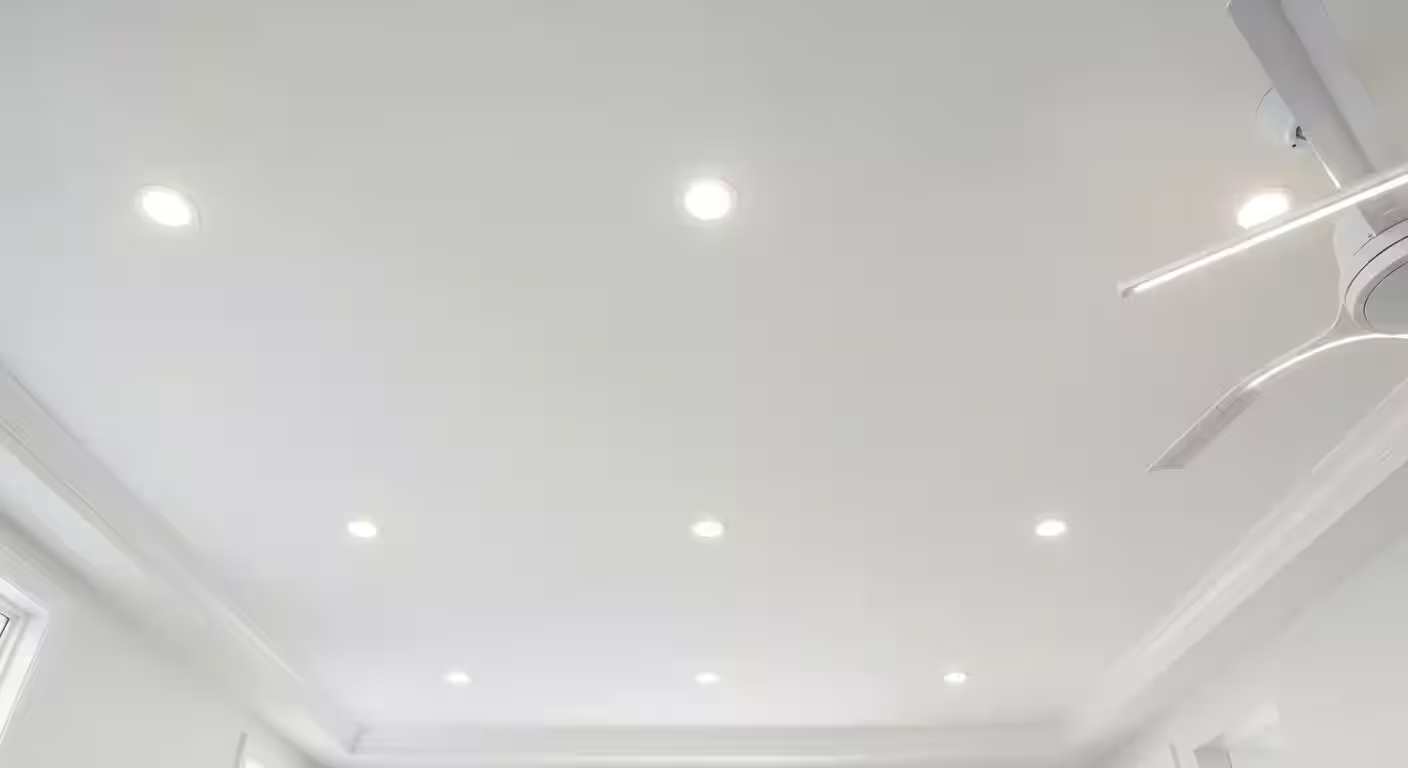
Overhead drywall work is physically demanding and technically tricky. Ceiling joints are highly visible because of how light rakes across them. Even small imperfections are obvious.
Need professional drywall repair?
Call RenoHouse at 1-289-212-2345 or get a free estimate today.
Get Free Estimate →Multiple Rooms or Large Areas
If you're repairing drywall across several rooms — say, after a renovation or water event — hiring a professional saves enormous time and delivers consistent results.
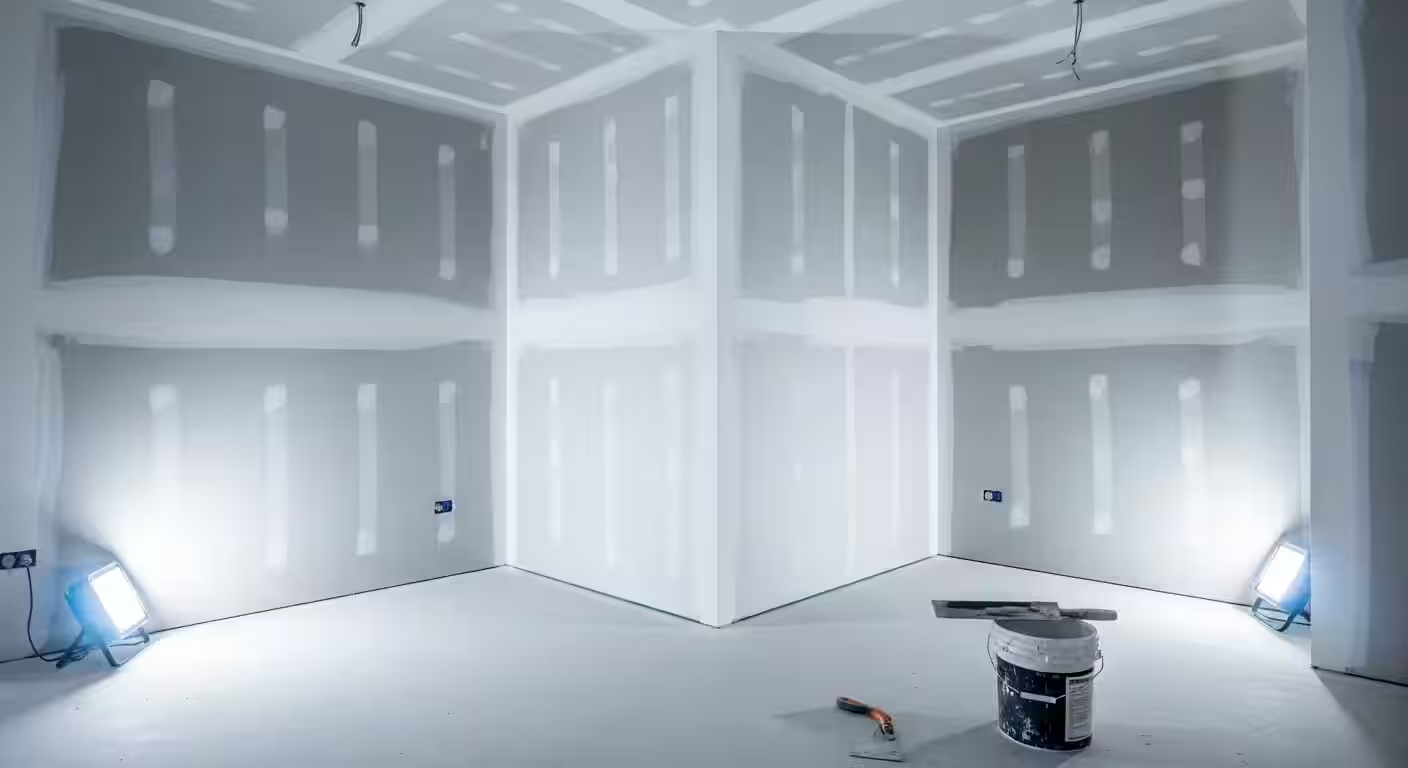
The Invisible Skill: Finishing
The hardest part of drywall repair isn't cutting or screwing — it's finishing. Getting joints and patches invisible requires:
- Multiple thin coats of compound (not one thick coat)
- Proper sanding between coats
- Feathering edges 8–12 inches beyond the repair
- Matching the existing wall texture
This is where DIY repairs usually fall short. A visible patch under fresh paint is worse than the original hole.
GTA Climate Factor
Toronto's extreme humidity swings — humid summers and dry heated winters — cause drywall to expand and contract. This is why:
- Nail pops are so common in the GTA
- Cracks tend to reappear if not properly taped
- Joints in newer subdivisions often need touch-ups in the first 2–3 years
Get It Done Right
Small drywall fixes are satisfying DIY projects. But for anything involving water damage, large areas, or ceilings, calling a pro saves you frustration. RenoHouse handles drywall repair and finishing across the GTA — from single patches to full-room resurfacing.
Contact us for a free estimate and we'll get your walls looking perfect again.Ontario Building Code Requirements
Any renovation project in the GTA must comply with the Ontario Building Code (OBC). This applies whether you're in Toronto, Mississauga, Brampton, or any other municipality. Key requirements include:
- Building permits are required for structural changes, plumbing modifications, electrical work, and HVAC alterations
- ESA permits are mandatory for any electrical work — your contractor must be a Licensed Electrical Contractor (LEC) in Ontario
- Plumbing permits through your local municipality for any new plumbing rough-ins or relocations
- Inspections at various stages — rough-in, insulation, and final inspection before closing walls
- Fire safety — smoke detectors on every level, carbon monoxide detectors near sleeping areas (Ontario law since 2015)
Failing to pull permits can result in fines, insurance issues, and problems when selling your home. Always verify your contractor handles permits as part of the project scope.
GTA Regional Considerations
The Greater Toronto Area spans dozens of municipalities, each with unique housing stock and renovation considerations:
- Toronto (Old Toronto, Midtown) — Many homes built pre-1950 with knob-and-tube wiring, galvanized plumbing, and plaster walls. Renovations often uncover issues requiring additional remediation
- Scarborough & Etobicoke — Primarily 1950s–1970s bungalows and split-levels. Common issues include outdated electrical panels (60-amp service), original windows, and aging drainage systems
- North York — Mix of post-war homes and newer builds. Many homeowners are upgrading original finishes from the 1980s–1990s
- Mississauga & Brampton — Rapid growth areas with homes from the 1980s–2000s. Common projects include basement finishing, kitchen updates, and exterior refreshes
- Vaughan & Richmond Hill — Newer subdivisions often need cosmetic updates rather than structural work. Builder-grade finishes are frequently upgraded within 5–10 years
- Markham — Similar to Vaughan with many newer communities. Heritage areas in old Markham Village may have specific design requirements
- Oakville — Higher-end homes with premium finish expectations. Many lakefront properties have specific moisture and drainage considerations
Understanding your neighbourhood's typical home age and construction type helps set realistic expectations for scope and budget.
Understanding Renovation Costs in Ontario (2025–2026)
Renovation costs in the GTA vary significantly based on scope, materials, and labour. Here are some general factors that affect pricing:
- Labour rates — Skilled trades in the GTA command competitive rates due to high demand. Licensed plumbers, electricians, and general contractors reflect the cost of insurance, WSIB, and licensing
- Material costs — Supply chain improvements have stabilized some material prices, but premium materials (natural stone, custom cabinetry) remain at a premium
- Scope creep — Budget 10–15% contingency for unexpected discoveries behind walls (water damage, outdated wiring, asbestos in older homes)
- Seasonal pricing — Late fall and winter months (November–February) are typically slower seasons when some contractors offer better rates
- Economies of scale — Bundling multiple projects (e.g., kitchen + bathroom, or full-home painting) often reduces per-project costs
For accurate pricing tailored to your specific project, request a detailed quote with itemized breakdowns. Avoid contractors who only provide lump-sum estimates without explaining what's included.
Sources & References
Authoritative sources cited in this guide:
- Ontario Building Code 9.29 — Wall finishing standards
- ASTM C840 Drywall Standard — Drywall installation standard
Continue Reading
- DIY Drywall Repair vs. Hiring a Pro: A Toronto Homeowner
- Drywall Installation: Cost, Process & Tips
- Drywall Repair Cost Guide Toronto 2026: Holes, Cracks & Water Damage
Related Services