RenoHouse

Emergency Home Repairs: What to Do Before Help Arrives
When a pipe bursts at 2 AM or your furnace dies during a January cold snap, the actions you take in the first 15 minutes can mean the difference between a manageable repair and catastrophic damage.
This guide covers the most common home emergencies in the Greater Toronto Area, with step-by-step instructions for what to do immediately — before professional help arrives. Based on our experience handling emergencies across our GTA projects, we've seen what works, what doesn't, and what homeowners wish they'd known sooner.
Save this page. You'll be glad you have it when you need it.---
Most Common GTA Home Emergencies by Season
Based on our service data from across Toronto, Mississauga, Brampton, Vaughan, Markham, and the wider GTA, here are the most common emergencies by season:
Winter Emergencies (December–March)
| Emergency | Frequency | Avg. Repair Cost |
|---|---|---|
| Frozen/burst pipes | 38% | $350–$2,500 |
| Furnace failure | 25% | $200–$5,000 |
| Ice dams / roof leaks | 15% | $500–$3,000 |
| Water heater failure | 12% | $800–$2,500 |
| Power-related issues | 10% | Varies |
Summer Emergencies (June–September)
| Emergency | Frequency | Avg. Repair Cost |
|---|---|---|
| AC failure | 30% | $200–$4,000 |
| Basement flooding | 25% | $1,000–$10,000+ |
| Deck/structural damage | 20% | $500–$5,000 |
| Sewer backup | 15% | $500–$5,000 |
| Window/door damage (storms) | 10% | $200–$3,000 |
Spring and Fall
Spring brings snowmelt flooding and sump pump failures. Fall brings furnace startup issues and gutter-related water intrusion. Both seasons account for significant emergency calls as GTA homeowners transition between heating and cooling seasons.
---
1. Burst Pipe: What to Do Immediately
A burst pipe can release 400+ litres of water per hour into your home. Speed is everything.
Step 1: Shut Off the Water — NOW
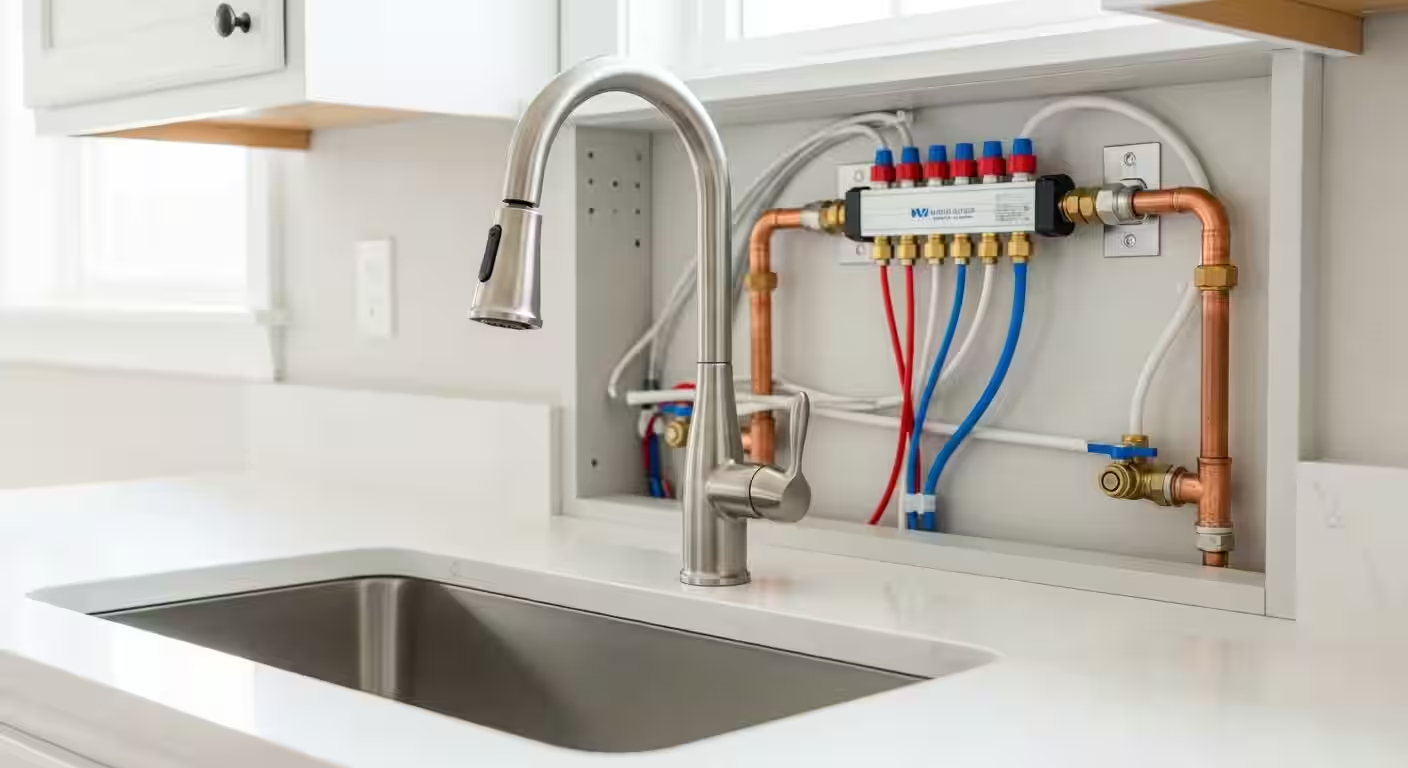
Where is your main water shutoff valve?In most Toronto homes, the main shutoff valve is located:
- In the basement, near the front wall where the water line enters from the street
- Near the water meter — the valve is typically on the house side of the meter
- It's usually a gate valve (round handle, turn clockwise) or a ball valve (lever handle, turn 90° to perpendicular)
Step 2: Open Faucets to Drain Pressure
After shutting off the main valve, open several faucets (both hot and cold) to drain remaining water from the pipes. This reduces pressure and minimizes additional leaking.
Step 3: Turn Off the Water Heater
If the burst is on a hot water line, turn off your water heater to prevent it from running dry and overheating. For electric heaters, flip the breaker. For gas heaters, turn the gas valve to "pilot" or "off."
Step 4: Contain the Water
- Place buckets under active drips
- Use towels and mops to direct water away from electronics and furniture
- If flooding is significant, use a wet/dry vacuum if available
- Move furniture, electronics, and valuables to dry areas
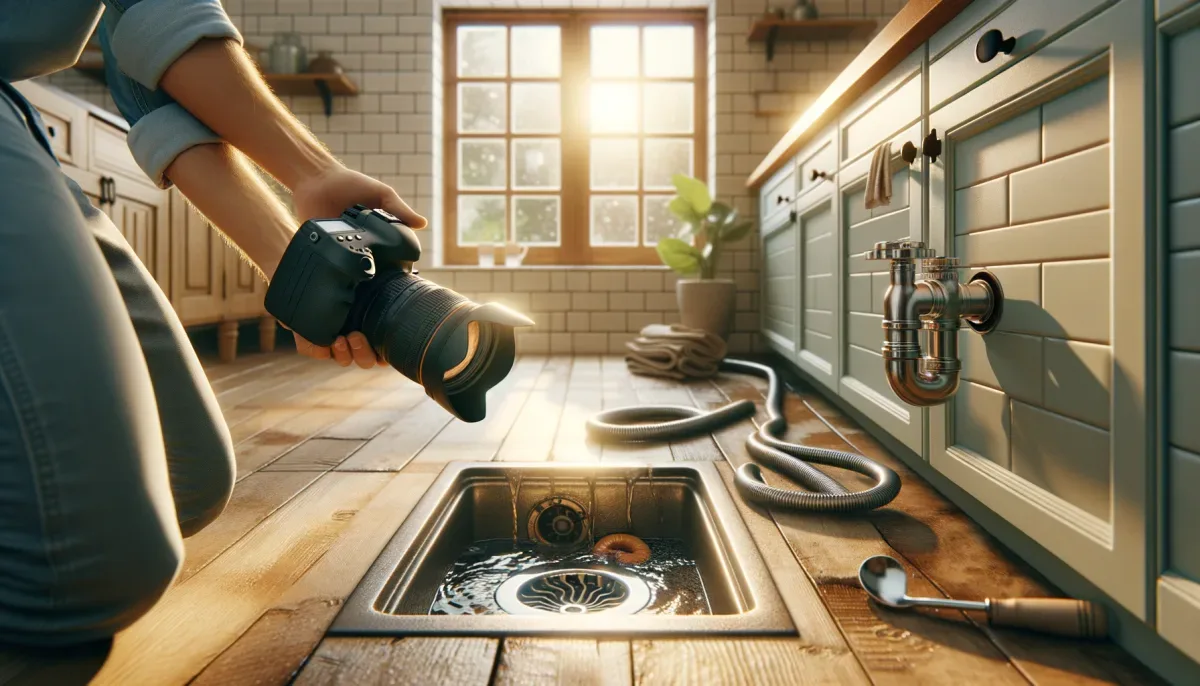
Step 5: Document Everything
Before cleanup, take photos and video of all damage. This is critical for insurance claims. Document:
- The source of the leak
- All areas affected by water
- Damaged belongings
- Water levels (mark the wall if needed)
What NOT to Do
- ❌ Don't ignore a small leak — it will become a big leak
- ❌ Don't use electrical appliances in standing water
- ❌ Don't try to permanently repair a burst pipe yourself — temporary patch only
- ❌ Don't wait to call a plumber — water damage compounds by the hour
- ❌ Don't forget to turn off the water heater
Temporary Repair
For a small crack or pinhole leak while waiting for a plumber:
- Pipe repair clamp: available at hardware stores, clamps over the break
- Rubber patch + hose clamp: wrap rubber over the leak, secure with clamps
- Plumber's epoxy: for very small pinhole leaks on copper pipes
- Pipe repair tape: wrap tightly over the damaged area as a stopgap
These are temporary — professional repair or replacement is still necessary.
---
2. Flooding Basement: What to Do
Basement flooding is the #1 most expensive home emergency in the GTA. A serious flood can cause $10,000–$50,000+ in damage when you factor in structural repairs, mold remediation, and content replacement.
Step 1: Electrical Safety FIRST
Before entering a flooded basement:- If water is above electrical outlets or near your electrical panel, do NOT enter
- Turn off the breaker for the basement from the main floor panel (never touch a breaker panel while standing in water)
- If you can't safely reach the panel, call Toronto Hydro at 416-542-8000 to disconnect power
Step 2: Check Your Sump Pump
If you have a sump pump:
- Is it running? (you should hear the motor)
- Is it overwhelmed? (water rising despite pump running)
- Has it lost power? (check breaker, check GFCI outlet)
- Is the discharge line frozen? (common in Toronto winters — water backs up into pit)
If the sump pump has failed and you have a backup:
- Battery backup: should activate automatically
- Water-powered backup: requires adequate water pressure
If no backup exists, use a portable submersible pump or wet/dry vacuum to remove water. You can rent pumps from Home Depot or similar stores.
Step 3: Identify the Source
| Source | Signs | Action |
|---|---|---|
| Sump pump failure | Water entering from pit area | Repair/replace pump |
| Sewer backup | Foul smell, dark water from drains | Call plumber immediately |
| Foundation leak | Water seeping through walls/floor | Note location, call waterproofing |
| Overland flooding | Water entering through windows/doors | Sandbag, redirect water outside |
| Burst pipe | Clean water, visible pipe damage | Shut off water main |
Step 4: Remove Water and Begin Drying
- Remove standing water as fast as possible — every hour of standing water increases mold risk
- Set up fans and dehumidifiers immediately
- Remove wet carpet, padding, and cardboard — these harbor mold rapidly
- Open windows if weather permits (improves air circulation)
- Drywall that has been submerged should be cut 12 inches above the water line and removed
Step 5: Call for Help
- Sewer backup: plumber immediately, then city (Toronto Water: 311)
- Overland flooding: city services through 311
- Foundation issues: waterproofing specialist
- Significant flooding: water damage restoration company
Insurance Tip
Standard home insurance typically covers sudden and accidental water damage (burst pipe, appliance failure) but does NOT cover:
- Sewer backup (requires separate endorsement — get this if you don't have it)
- Overland flooding (separate coverage, relatively new in Ontario)
- Gradual seepage or maintenance-related leaks
- Damage from known, unrepaired issues
---
3. Furnace Failure in Winter
A furnace failure during a Toronto winter is more than an inconvenience — it's a safety emergency. Interior temperatures can drop below freezing within hours in extreme cold, putting pipes, family members, and pets at risk.
Immediate Steps
- 1. Check the thermostat: make sure it's set to HEAT and the temperature is set above current room temperature. Replace batteries if applicable.
- 2. Check the furnace filter: a severely clogged filter can cause a safety shutdown. If it's dirty, replace it and reset the furnace (turn off for 30 seconds, then back on).
- 3. Check the breaker: furnaces require electricity even if gas-fired. Check the furnace breaker and any switches on or near the furnace.
- 4. Check the gas supply: make sure the gas valve to the furnace is in the ON position (lever parallel to the pipe).
- 5. Check the exhaust vent: in heavy snow, the furnace exhaust vent (usually PVC pipe on the side of the house) may be blocked by snow or ice. Clear it.
If the Furnace Won't Restart
Prevent pipe freezing — this is your priority:- Open cabinet doors under sinks to expose pipes to room heat
- Let faucets drip slightly (moving water is harder to freeze)
- Use safe supplemental heating:
- Fireplace (if you have one — open the damper)
- Oven: NEVER use a gas oven for heating — carbon monoxide risk
- If temperatures are dropping fast and you can't heat the home, consider:
- Temporarily staying elsewhere
Need professional plumbing?
Call RenoHouse at 1-289-212-2345 or get a free estimate today.
Get Free Estimate →When to Call for Help
- If the furnace is making unusual sounds (banging, squealing, clicking)
- If you smell gas (see Gas Leak section below)
- If the furnace is cycling on and off repeatedly
- If there's no heat output despite the furnace running
- If you see water pooling around the furnace
Cost Expectations
| Issue | Cost Range |
|---|---|
| Ignitor replacement | $200–$400 |
| Blower motor | $400–$800 |
| Control board | $300–$600 |
| Heat exchanger | $1,500–$3,000 |
| Full furnace replacement | $3,000–$5,000 (installed) |
---
4. Electrical Emergency
Electrical emergencies are the most dangerous home emergency — the risk of electrocution and fire is real.
Know Your Panel
Your electrical panel (breaker box) is typically located in the basement, utility room, or garage. Know:
- Where it is (can you find it in the dark?)
- How to turn off the main breaker (large switch at top or bottom)
- Which breaker controls which circuit (label them if they aren't already)
Common Electrical Emergencies
Sparking outlet or switch:- 1. Don't touch it
- 2. Turn off the breaker for that circuit
- 3. If sparking continues or you smell burning, call 911
- 4. Call a licensed electrician
- 1. Turn off the breaker immediately
- 2. If there's visible fire, use a Class C (electrical) fire extinguisher — never water
- 3. If fire spreads, evacuate and call 911
- 4. Even if the smell stops, call an electrician before using the circuit again
- 1. Check if neighbors have power — if it's area-wide, call Toronto Hydro (416-542-8000)
- 2. Check your main breaker — it may have tripped
- 3. Check your GFCI outlets — a tripped GFCI can affect multiple outlets
- 4. If your main breaker trips repeatedly, do NOT keep resetting it — call an electrician
When to Call ESA vs. an Electrician
| Situation | Who to Call |
|---|---|
| Immediate fire/safety risk | 911 |
| Downed power line | Toronto Hydro: 416-542-8000 |
| Code violation concern | ESA (Electrical Safety Authority): 1-877-372-7233 |
| Sparking, burning, malfunction | Licensed electrician |
| Power outage (area-wide) | Toronto Hydro: 416-542-8000 |
---
5. Broken Window
A broken window is a security issue, an energy issue, and during Toronto winters, a pipe-freezing risk.
Immediate Steps
- 1. Safety first: wear thick gloves and shoes. Glass fragments are everywhere — including places you don't expect.
- 2. Clear the area: keep children and pets away.
- 3. Carefully remove large shards: place in a cardboard box, not directly in garbage bags (bag will tear).
- 4. Vacuum remaining glass: go over the area multiple times.
Temporary Fix
- Clear plastic sheeting + duct tape: seal the opening from both inside and outside
- Plywood: for larger openings or ground-floor security concerns, screw plywood over the frame
- Garbage bag: absolute last resort for small openings — not weatherproof or secure
Replacement Timeline
| Window Type | Replacement Timeline | Cost |
|---|---|---|
| Standard size (in stock) | 1–3 days | $200–$600 |
| Custom size | 1–3 weeks | $400–$1,000 |
| Specialty (bay, stained, etc.) | 2–6 weeks | $500–$3,000+ |
| Emergency board-up service | Same day | $100–$300 |
Security Concern
A broken ground-floor window is a security vulnerability. If you can't secure it properly:
- Install a temporary plywood cover (screwed, not taped)
- Inform your home insurance company
- Consider temporary security measures
---
6. Ceiling Leak
A ceiling leak can be anything from a minor nuisance to a sign of serious structural damage.
Immediate Steps
- 1. Place a bucket or container under the drip
- 2. If the ceiling is bulging, poke a small hole in the center of the bulge with a screwdriver to release water into a bucket (controlled release is better than a ceiling collapse)
- 3. Move furniture and electronics away from the area
- 4. Look for the source: is there a bathroom above? A roof above? An attic?
Emergency vs. Can Wait
| Sign | Urgency | Action |
|---|---|---|
| Active dripping from ceiling | Urgent | Contain water, find source, call today |
| Bulging, sagging ceiling | Emergency | Drain immediately, call now |
| Brown stain, no active drip | Monitor | Schedule inspection this week |
| Multiple spots, spreading | Urgent | Active leak somewhere — call today |
| Water near electrical fixtures | Emergency | Turn off breaker, call now |
| Drip during rain only | Roof leak | Schedule roof inspection |
| Drip not related to rain | Plumbing leak | Call plumber |
Finding the Source
- Is it raining? Could be a roof leak. Check the attic if accessible — look for wet insulation, water trails on rafters.
- Is there a bathroom above? Check for toilet base leaks, shower pan leaks, supply line drips.
- Is there an appliance above? Washing machines, dishwashers, and refrigerator ice makers are common culprits.
- Is it near an exterior wall? Could be ice dam-related in winter.
- No obvious source? Could be a condensation issue or a slow pipe leak within the ceiling cavity.
Cost Expectations
| Repair | Cost Range |
|---|---|
| Ceiling drywall patch (small) | $150–$400 |
| Ceiling drywall patch (large) | $300–$800 |
| Ceiling replacement (full room) | $800–$2,500 |
| Plumbing repair (source) | $150–$1,500 |
| Roof leak repair | $300–$3,000 |
| Mold remediation (if delayed) | $1,000–$5,000+ |
---
7. Garage Door Stuck
A stuck garage door is more than an inconvenience — it can be a safety issue, especially if your car is trapped inside during an emergency.
Manual Release
Every garage door with an automatic opener has a manual release:
- 1. Locate the red emergency release cord hanging from the opener track
- 2. Pull the cord down and toward the door — this disconnects the door from the opener
- 3. Lift the door manually — it should slide up on the tracks
- 4. Caution: if the door is in the UP position and you pull the release, the door may crash down. Always pull the release when the door is CLOSED.
⚠️ Torsion Spring Warning
NEVER attempt to repair or adjust garage door springs yourself. Torsion springs (the large coiled springs above the door) are under extreme tension — enough to cause serious injury or death. This is a job for a professional, every time, no exceptions.Signs of a broken spring:
- Loud bang from the garage (spring breaking)
- Door is extremely heavy to lift manually
- Visible gap in the torsion spring coil
- Door opens partially then stops
- Opener motor runs but door doesn't move
Common Issues and Costs
| Issue | DIY Fix? | Professional Cost |
|---|---|---|
| Remote battery dead | ✅ Yes | N/A |
| Photo eye misaligned | ✅ Yes | $80–$150 |
| Broken torsion spring | ❌ Never | $200–$400 |
| Broken cable | ❌ Never | $150–$300 |
| Opener motor failure | ❌ Not recommended | $300–$600 (new opener) |
| Off-track door | ❌ Not recommended | $150–$350 |
| Panel replacement | ❌ No | $200–$800 per panel |
---
8. Gas Leak — LIFE-THREATENING EMERGENCY
A gas leak is the most dangerous home emergency. Natural gas is explosive and can cause asphyxiation.
Signs of a Gas Leak
- Smell: rotten egg / sulfur odor (added to natural gas for detection)
- Sound: hissing or whistling near gas lines or appliances
- Sight: dead plants near gas lines, bubbles in standing water near lines
- Feeling: dizziness, nausea, headaches (gas exposure symptoms)
What to Do IMMEDIATELY
- 1. Do NOT flip any electrical switches — on OR off. A spark can cause ignition.
- 2. Do NOT use your phone inside the house — go outside first.
- 3. Do NOT light matches, candles, or lighters.
- 4. Open doors and windows as you leave (only if easy to do — don't delay evacuation).
- 5. Evacuate everyone — people and pets.
- 6. Go to a safe distance (across the street minimum).
- 7. Call 911 from outside.
- 8. Call Enbridge Gas emergency line: 1-866-763-5427 (available 24/7).
- 9. Do NOT re-enter until Enbridge or fire department gives the all-clear.
Gas Shutoff Valve
Your gas meter has a shutoff valve (typically requires a wrench to turn). Only turn this off if:
- You can do so safely without re-entering the building
- You know where the valve is and have practiced
- Emergency services are delayed
Most professionals recommend not touching the gas valve and instead evacuating and calling Enbridge. They respond quickly in the GTA.
---
Toronto Emergency Contact Numbers
Save these contacts in your phone right now:| Emergency | Contact | Phone |
|---|---|---|
| Fire, Police, Ambulance | 911 | 911 |
| Enbridge Gas Emergency | 24/7 emergency line | 1-866-763-5427 |
| Toronto Hydro | Power outages and downed lines | 416-542-8000 |
| Toronto Water | Water main issues, sewer backup | 311 |
| Electrical Safety Authority (ESA) | Electrical hazards, code violations | 1-877-372-7233 |
| Poison Control | Ingestion emergencies | 1-800-268-9017 |
| Toronto Building | Permit questions, structural concerns | 416-397-5330 |
| RenoHouse Emergency | Plumbing, repairs, restoration | 289-212-2345 |
---
What Qualifies as a 24/7 Emergency vs. Next-Day Repair?
Not every urgent situation needs a midnight service call. Here's how to tell the difference:
True 24/7 Emergencies (Call Immediately)
- 🚨 Gas leak (any suspicion)
- 🚨 Burst pipe with active flooding
- 🚨 Sewer backup into living space
- 🚨 Complete furnace failure when temperatures are below -10°C
- 🚨 Electrical fire or burning smell
- 🚨 Major ceiling collapse
- 🚨 Broken window or door (security risk)
- 🚨 Carbon monoxide alarm sounding
Urgent but Can Wait Until Morning
- ⚠️ Slow drip from pipe (contained in bucket)
- ⚠️ Furnace failure in mild weather
- ⚠️ Water heater not producing hot water
- ⚠️ Toilet running continuously (shut off valve at base)
- ⚠️ Single outlet or circuit not working
- ⚠️ Garage door not opening (use manual release)
Can Wait for a Scheduled Appointment
- ✅ Cosmetic drywall damage
- ✅ Drafty windows
- ✅ Minor ceiling stain (no active drip)
- ✅ Squeaky floors
- ✅ Sticking doors
- ✅ Deck boards showing wear
---
Insurance Tips for Home Emergencies
Document First, Clean Second
Before you start any cleanup:
- 1. Take photos and video of all damage from multiple angles
- 2. Photograph the source of the problem
- 3. Document the timeline: when did you discover it, what did you do, when did you call
- 4. Save all receipts: emergency supplies, hotel stays, contractor invoices
- 5. Keep damaged items: don't throw away damaged belongings until the adjuster has seen them (or you have photos)
What Home Insurance Typically Covers
| Scenario | Typically Covered? | Notes |
|---|---|---|
| Burst pipe (sudden) | ✅ Yes | Minus deductible |
| Sewer backup | ⚠️ Only with endorsement | Add this coverage if you don't have it |
| Overland flooding | ⚠️ Only with endorsement | Newer coverage option in Ontario |
| Wind damage (broken window) | ✅ Yes | Minus deductible |
| Fire damage | ✅ Yes | Minus deductible |
| Furnace breakdown | ❌ Generally no | Maintenance/mechanical failure |
| Gradual water damage | ❌ No | Considered maintenance neglect |
| Frozen pipes (preventable) | ⚠️ Maybe | Must show home was heated |
| Mold (from covered event) | ⚠️ Limited | Usually capped amount |
Key Insurance Tips
- Review your policy annually — make sure you have sewer backup and overland water endorsements
- Know your deductible — for emergencies under $2,000, it may not be worth claiming
- Report promptly — most policies require "prompt" notification
- Don't delay repairs — you're obligated to mitigate further damage (the insurance company expects reasonable action)
- Keep an inventory — photograph your belongings and keep receipts for major purchases
---
Emergency Preparedness Checklist
Don't wait for an emergency. Prepare now:
Know Your Shutoffs
- ☐ Main water valve — located, tested, labeled
- ☐ Individual fixture shutoffs — under sinks, behind toilets
- ☐ Gas valve — located (at meter), know how to turn off
- ☐ Electrical panel — located, breakers labeled
- ☐ Sump pump — tested, backup power confirmed
Emergency Kit
Keep these accessible (not buried in the basement):
- ☐ Flashlight with fresh batteries (or rechargeable)
- ☐ Pipe repair clamp or tape
- ☐ Adjustable wrench (for shutoff valves)
- ☐ Duct tape and plastic sheeting
- ☐ Wet/dry vacuum
- ☐ Bucket and towels
- ☐ Fire extinguisher (Class ABC)
- ☐ Carbon monoxide detector (battery backup)
- ☐ Emergency phone numbers list (posted near phone)
- ☐ Insurance policy number and adjuster contact
Seasonal Maintenance to Prevent Emergencies
Fall (before winter):- Service your furnace
- Disconnect and drain outdoor hoses
- Insulate exposed pipes in garage and attic
- Clean gutters
- Check sump pump
- Test smoke and CO detectors
- Service your AC
- Test sump pump
- Inspect roof for winter damage
- Check window and door seals
- Clean dryer vent
- Inspect deck for winter damage
---
Frequently Asked Questions
Where is my main water shutoff valve?
In most Toronto homes, the main water shutoff is in the basement, near the front wall where the water service line enters from the street. It's typically close to the water meter. Look for a round gate valve or a lever-style ball valve. If you've never located it, do it today — and test it to make sure it turns.
How fast does water damage lead to mold?
Mold can begin growing within 24–48 hours of water exposure on porous materials like drywall, carpet, and wood. This is why fast action on any water emergency is critical. If drywall has been wet for more than 48 hours, it should be removed and replaced rather than just dried.
Should I turn off my water when I go on vacation?
Yes. This is the single most effective way to prevent water damage while you're away. Turn off the main water shutoff, and consider opening a faucet to relieve pressure. Many insurance policies require this (or keeping the home heated) during winter absences — failure to do so can void your coverage.How much does emergency plumbing cost in Toronto?
Emergency plumbing calls in the GTA typically cost 1.5–2x standard rates. A standard service call ($100–$300) becomes $200–$500 after hours. The repair cost depends on the issue — a burst pipe repair ranges from $350–$2,500 depending on location, accessibility, and extent of damage. Always ask for pricing before authorizing work.
What should I do if my smoke detector keeps beeping?
Continuous beeping usually means the battery is low — replace it. If the detector chirps after battery replacement, it may need to be replaced entirely (they expire after 7–10 years). If the alarm is sounding continuously (not chirping), treat it as a real alarm: evacuate and call 911.
Can I fix a burst pipe myself?
You can apply a temporary patch (pipe repair clamp, rubber + hose clamp, or plumber's epoxy) to contain the leak until a plumber arrives. However, permanent repair should always be done by a licensed plumber to ensure code compliance and prevent future failures. Temporary patches are exactly that — temporary.
When should I call 911 vs. a contractor?
Call 911 for: fire, gas leak, electrical fire, carbon monoxide alarm, any situation with risk of injury or death, structural collapse. Call a contractor for: contained water leaks, frozen pipes, furnace failure (no gas smell), broken windows, clogged drains, non-emergency repairs. When in doubt, call 911 — they can advise.
---
RenoHouse Emergency Services
Home emergencies don't follow business hours. RenoHouse provides plumbing services, emergency repairs, and damage restoration across Toronto, Mississauga, Brampton, Vaughan, Markham, Richmond Hill, Oakville, and the entire GTA.
When an emergency hits:- 1. Secure your home using the steps in this guide
- 2. Document the damage with photos and video
- 3. Call RenoHouse at 289-212-2345
- 4. We'll dispatch help and walk you through next steps
Our team has handled every type of emergency described in this guide — hundreds of times over. We know GTA homes, we know the common failure points, and we know how to fix them properly the first time.
Save our number: 289-212-2345. When that pipe bursts at 2 AM, you'll be glad it's in your phone.*This guide is for informational purposes. In any life-threatening emergency, always call 911 first. The information here is based on our experience with our GTA projects and general best practices — your specific situation may differ. When in doubt, call a professional.*
Sources & References
Authoritative sources cited in this guide:
- Ontario Building Code — OBC official text
- Toronto Building Permits — City permit portal
- Tarion New Home Warranty — Ontario warranty regulator
- HCRA — Home Construction Regulatory Authority — Ontario builder/vendor licensing
Continue Reading
- Emergency Plumbing: What to Do Before the Plumber Arrives
- \
- Water Damage Emergency Toronto: The 24-Hour Response Window
Related Services