RenoHouse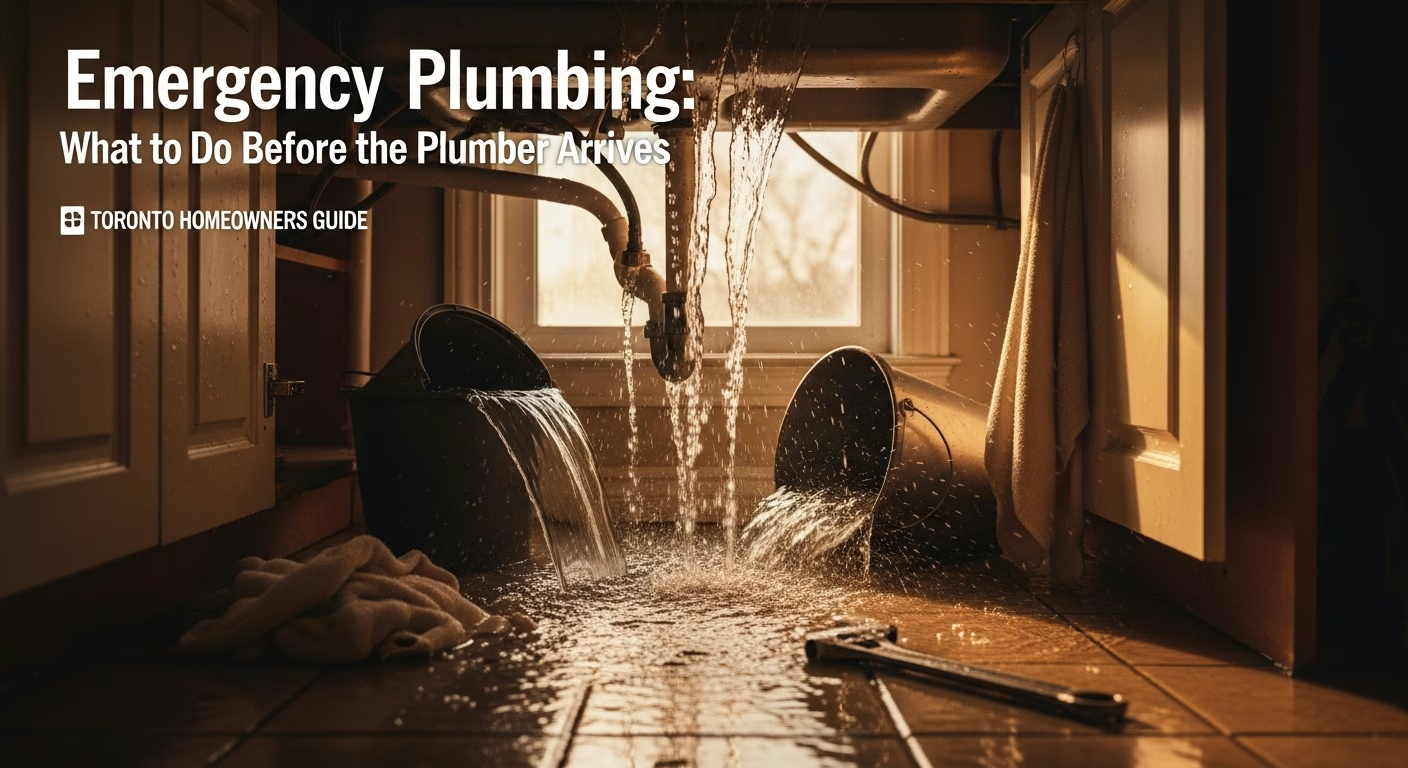

Emergency Plumbing: What to Do Before the Plumber Arrives
A burst pipe, major leak, or sewage backup can cause thousands of dollars in damage in minutes. What you do in the first 5–10 minutes makes a massive difference. Here's your action plan.
Step 1: Shut Off the Water
This is the single most important thing you can do. Every member of your household should know where the main shutoff valve is.
Common locations in GTA homes:- Basement — near the front wall where the water line enters from the street
- Utility room — near the water heater or furnace
- Crawl space — in homes without basements
The main shutoff is usually a gate valve (round handle, turn clockwise) or a ball valve (lever handle, turn 90 degrees). Ball valves are more reliable.
For localized leaks, you may only need to shut off the specific fixture:- Toilets — oval handle behind/below the toilet
- Sinks — valves under the sink inside the cabinet
- Washing machine — valves behind the machine
Step 2: Turn Off the Water Heater
If you've shut off the main water supply, turn off your water heater to prevent overheating and potential damage. For gas water heaters, set to "pilot." For electric, switch off the breaker.
Step 3: Electricity Safety
If water is near electrical outlets, appliances, or your electrical panel:
- Do not step in standing water near electrical sources
- Turn off power at the breaker panel if you can reach it safely
- If you can't safely reach the panel, call your utility provider or 911
Step 4: Open Drains and Spigots
After shutting off the main valve, open outdoor spigots and the lowest faucets in the house. This drains remaining water from the pipes and reduces pressure, minimizing further leaking.
Step 5: Contain the Water
While waiting for the plumber:
Need professional plumbing?
Call RenoHouse at 1-289-212-2345 or get a free estimate today.
Get Free Estimate →- Use towels, mops, and buckets to contain standing water
- Move furniture, electronics, and valuables away from the water
- If water is flowing from a ceiling, poke a small hole in the center of the bulge to drain it into a bucket (this prevents the ceiling from collapsing)
Step 6: Document Everything
If the damage is significant, you'll likely file an insurance claim:
- Take photos and video of the damage before cleanup
- Note the time the emergency started and when you shut off water
- Save damaged items until your insurance adjuster has seen them
Common Plumbing Emergencies in the GTA
Burst Pipes (Winter)
Toronto's winters mean frozen pipes are a real risk, especially in:
- Unheated garages with water lines
- Exterior walls with inadequate insulation
- Older homes with pipes near exterior walls
Sewer Backup
If drains are backing up or you smell sewage:
- Don't use any water in the house
- Don't try to clear a main sewer line yourself
- The problem may be between your house and the city sewer — check if neighbours have the same issue
Sump Pump Failure
GTA homes with basements often depend on sump pumps. Failures during spring thaw or heavy rain cause rapid basement flooding.
- Consider a battery backup sump pump — power outages often coincide with storms
- Test your sump pump quarterly by pouring water into the pit
Be Prepared
Don't wait for an emergency to learn this. Right now:
- 1. Locate your main water shutoff — test it (turn it off and on)
- 2. Label shutoff valves throughout your home
- 3. Keep a plumber's number in your phone
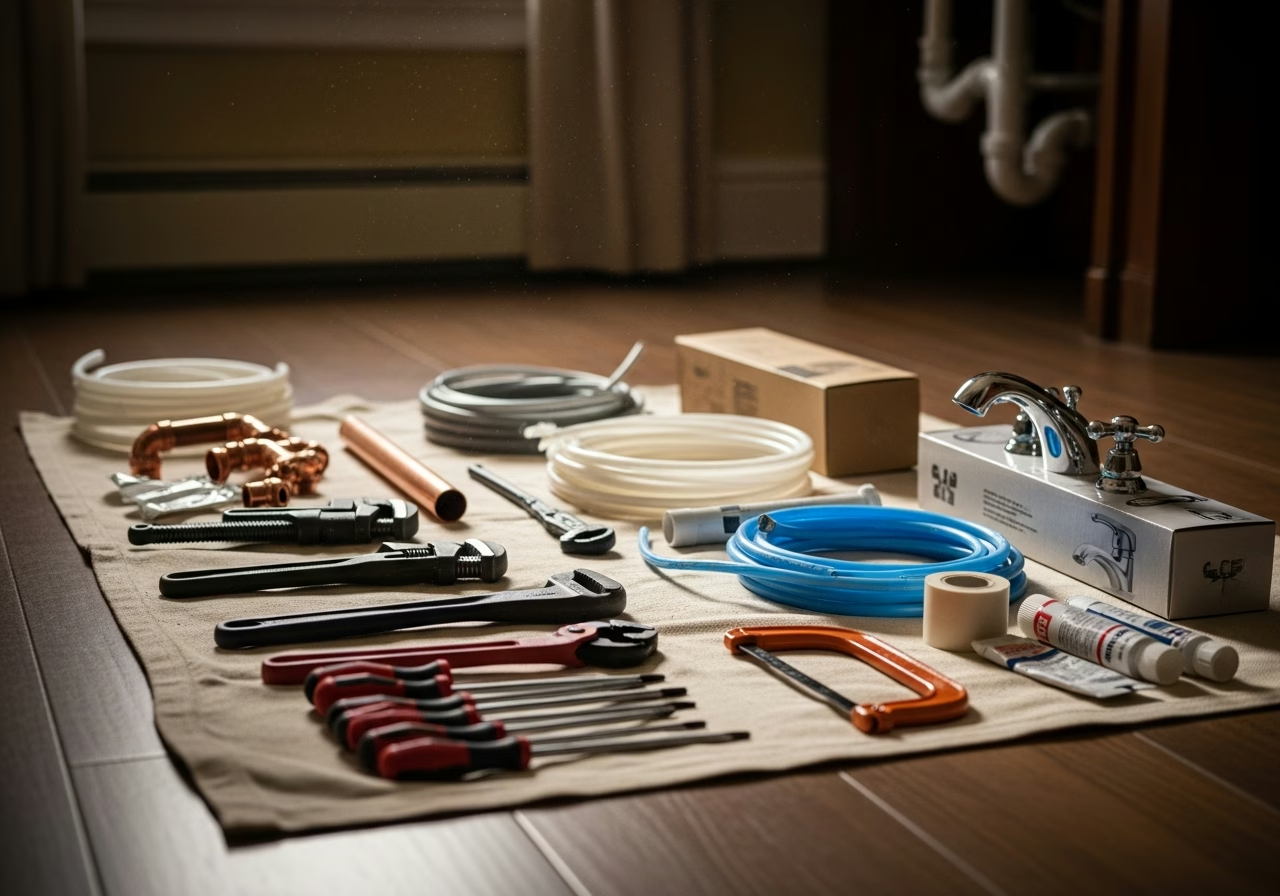
- 4. Have basic supplies ready — bucket, towels, flashlight
RenoHouse Plumbing Services
Plumbing emergencies don't follow a schedule. RenoHouse provides plumbing services across Toronto, Mississauga, Brampton, Vaughan, Markham, Richmond Hill, Oakville, and the entire GTA.
Save our number: 289-212-2345. When a pipe bursts at midnight, you'll want a reliable plumber ready to help.Ontario Building Code Requirements
Any renovation project in the GTA must comply with the Ontario Building Code (OBC). This applies whether you're in Toronto, Mississauga, Brampton, or any other municipality. Key requirements include:
- Building permits are required for structural changes, plumbing modifications, electrical work, and HVAC alterations
- ESA permits are mandatory for any electrical work — your contractor must be a Licensed Electrical Contractor (LEC) in Ontario
- Plumbing permits through your local municipality for any new plumbing rough-ins or relocations
- Inspections at various stages — rough-in, insulation, and final inspection before closing walls
- Fire safety — smoke detectors on every level, carbon monoxide detectors near sleeping areas (Ontario law since 2015)
Failing to pull permits can result in fines, insurance issues, and problems when selling your home. Always verify your contractor handles permits as part of the project scope.
GTA Regional Considerations
The Greater Toronto Area spans dozens of municipalities, each with unique housing stock and renovation considerations:
- Toronto (Old Toronto, Midtown) — Many homes built pre-1950 with knob-and-tube wiring, galvanized plumbing, and plaster walls. Renovations often uncover issues requiring additional remediation
- Scarborough & Etobicoke — Primarily 1950s–1970s bungalows and split-levels. Common issues include outdated electrical panels (60-amp service), original windows, and aging drainage systems
- North York — Mix of post-war homes and newer builds. Many homeowners are upgrading original finishes from the 1980s–1990s
- Mississauga & Brampton — Rapid growth areas with homes from the 1980s–2000s. Common projects include basement finishing, kitchen updates, and exterior refreshes
- Vaughan & Richmond Hill — Newer subdivisions often need cosmetic updates rather than structural work. Builder-grade finishes are frequently upgraded within 5–10 years
- Markham — Similar to Vaughan with many newer communities. Heritage areas in old Markham Village may have specific design requirements
- Oakville — Higher-end homes with premium finish expectations. Many lakefront properties have specific moisture and drainage considerations
Understanding your neighbourhood's typical home age and construction type helps set realistic expectations for scope and budget.
Sources & References
Authoritative sources cited in this guide:
- Toronto Sewer Use Bylaw 681 — Toronto plumbing/sewer regulations
- Ontario Building Code 7 (Plumbing) — OBC plumbing standards
- Health Canada — Drinking Water — Health Canada drinking water guidelines
- CSA B149.1 Natural Gas Code — Canadian gas installation code
Continue Reading
- 24 Hour Emergency Plumber: When to Call & What to Expect
- Complete Guide to Plumbing Services in Toronto GTA 2026
- \\
Related Services