RenoHouse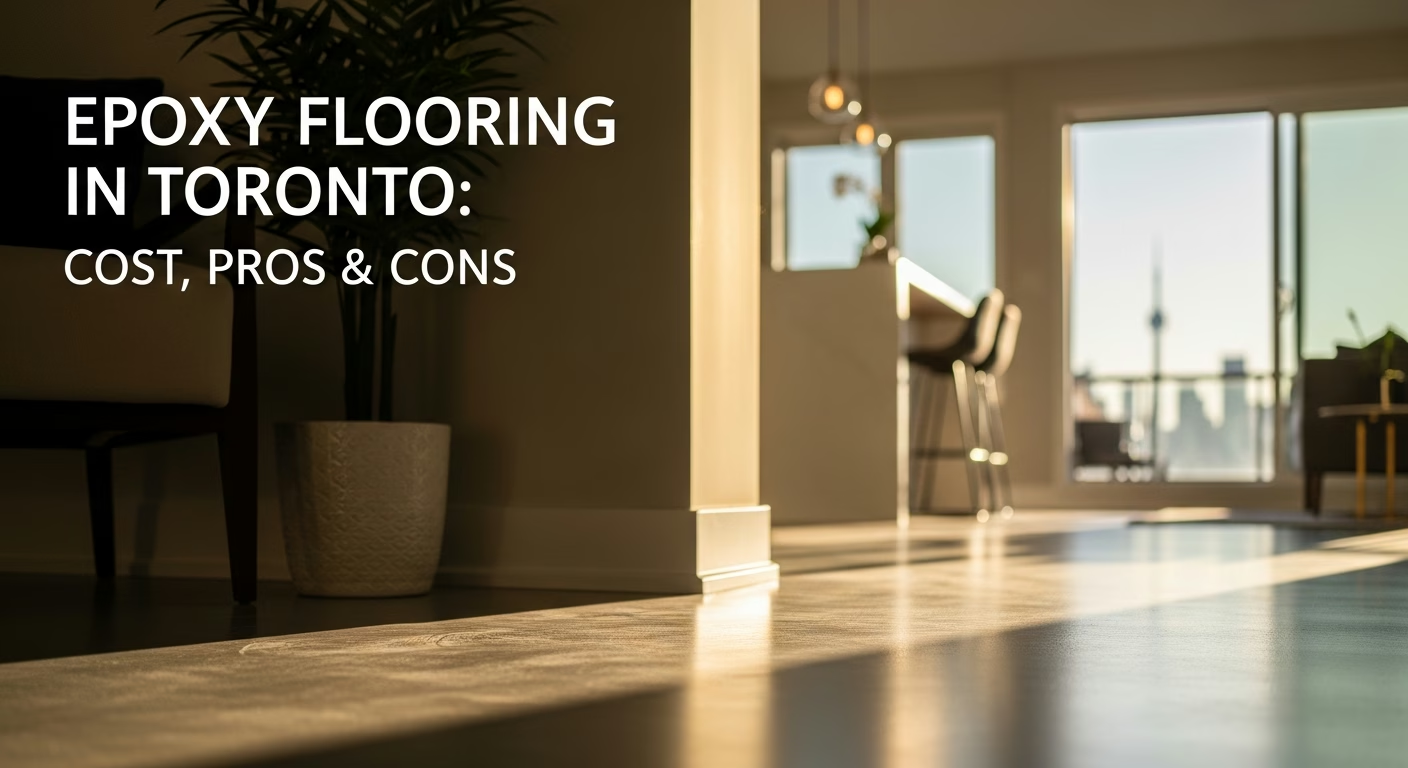

Epoxy Flooring in Toronto: Everything You Need to Know
Epoxy flooring has surged in popularity among Toronto homeowners looking for a durable, stunning floor finish for garages, basements, and commercial spaces. Here's your complete guide to epoxy flooring in the GTA.
What Is Epoxy Flooring?
Epoxy flooring is a resin-based coating applied over concrete floors. When mixed with a hardener, the chemical reaction creates an extremely hard, glossy surface that bonds permanently to the concrete. The result is a seamless, professional-grade floor that resists stains, chemicals, and heavy traffic.
Where Toronto Homeowners Use Epoxy
Garage floors — The #1 application. Epoxy transforms a dusty, stained garage into a showroom-worthy space. Hugely popular in Vaughan, Oakville, and Markham homes with multi-car garages. Basements — Provides a moisture-resistant, easy-to-clean surface. Ideal for home gyms, workshops, and rec rooms across the GTA. Commercial spaces — Restaurants, auto shops, warehouses, and retail throughout Toronto.Epoxy Flooring Cost in Toronto
| Application | Cost per sq ft | Typical Project |
|---|---|---|
| Basic solid colour | $4–$7 | $1,200–$2,100 (300 sq ft garage) |
| Flake/chip system | $6–$10 | $1,800–$3,000 |
| Metallic epoxy | $8–$14 | $2,400–$4,200 |
| Commercial grade | $7–$12 | Varies |
Pros of Epoxy Flooring
- Extremely durable — Lasts 15–20+ years with proper care
- Chemical resistant — Handles oil, gasoline, salt, and de-icers (critical for Toronto winters)
- Easy to clean — Sweep and mop; stains wipe right up
- Moisture resistant — Important for Toronto basements prone to dampness
- Stunning appearance — Glossy, decorative finishes available
- Increases home value — Especially for garage and basement finishes
Cons of Epoxy Flooring
- Slippery when wet — Add anti-slip additive (essential for Toronto garages with snow melt)
- Prep-intensive — Concrete must be properly prepared or epoxy will peel
- Temperature sensitive — Application requires 10°C+ (limits Toronto installation season)
- Curing time — 48–72 hours before foot traffic, 7 days for vehicles
- Not DIY-friendly — Professional results require professional tools and experience
The Installation Process
- 1. Concrete preparation — Grinding or shot-blasting to create a proper surface profile (this step is 80% of the job)
- 2. Crack and damage repair — Filling cracks and fixing spalling
- 3. Primer coat — Penetrating primer bonds to the concrete
- 4. Epoxy base coat — Coloured epoxy applied with rollers
- 5. Decorative elements — Flakes, chips, or metallic pigments broadcast into wet epoxy
- 6. Top coat — Clear polyurethane or polyaspartic sealer for UV protection and durability
Total timeline: 2–3 days for a typical garage, plus curing time.
Need professional flooring installation?
Call RenoHouse at 1-289-212-2345 or get a free estimate today.
Get Free Estimate →Toronto-Specific Considerations
Winter salt and moisture: Toronto garages take a beating from road salt, snow melt, and freeze-thaw cycles. Polyaspartic top coats handle these conditions better than basic epoxy sealers. Basement moisture: Many GTA basements have rising moisture. A moisture test is essential before applying epoxy — moisture trapped under the coating will cause bubbling and peeling. Temperature: Epoxy installation requires ambient temperatures above 10°C. In Toronto, this typically limits garage applications to April through October unless the garage is heated.Epoxy vs Alternatives
| Feature | Epoxy | Polyaspartic | Interlocking Tile | Paint |
|---|---|---|---|---|
| Durability | ★★★★ | ★★★★★ | ★★★ | ★★ |
| Cost | $$ | $$$ | $$ | $ |
| Install time | 2–3 days | 1 day | 1 day | 1 day |
| Curing | 7 days | 24 hours | Instant | 48 hours |
| Look | ★★★★ | ★★★★★ | ★★★ | ★★ |
Get Epoxy Flooring in Your GTA Home
RenoHouse installs professional epoxy flooring systems across the Greater Toronto Area — from garage makeovers in Mississauga to basement transformations in Markham. Our prep process ensures lasting results.
Call 289-212-2345 for a free estimate. Serving Toronto, Brampton, Vaughan, Oakville, Richmond Hill, Scarborough, North York, and the entire GTA.Ontario Building Code Requirements
Any renovation project in the GTA must comply with the Ontario Building Code (OBC). This applies whether you're in Toronto, Mississauga, Brampton, or any other municipality. Key requirements include:
- Building permits are required for structural changes, plumbing modifications, electrical work, and HVAC alterations
- ESA permits are mandatory for any electrical work — your contractor must be a Licensed Electrical Contractor (LEC) in Ontario
- Plumbing permits through your local municipality for any new plumbing rough-ins or relocations
- Inspections at various stages — rough-in, insulation, and final inspection before closing walls
- Fire safety — smoke detectors on every level, carbon monoxide detectors near sleeping areas (Ontario law since 2015)
Failing to pull permits can result in fines, insurance issues, and problems when selling your home. Always verify your contractor handles permits as part of the project scope.
GTA Regional Considerations
The Greater Toronto Area spans dozens of municipalities, each with unique housing stock and renovation considerations:
- Toronto (Old Toronto, Midtown) — Many homes built pre-1950 with knob-and-tube wiring, galvanized plumbing, and plaster walls. Renovations often uncover issues requiring additional remediation
- Scarborough & Etobicoke — Primarily 1950s–1970s bungalows and split-levels. Common issues include outdated electrical panels (60-amp service), original windows, and aging drainage systems
- North York — Mix of post-war homes and newer builds. Many homeowners are upgrading original finishes from the 1980s–1990s
- Mississauga & Brampton — Rapid growth areas with homes from the 1980s–2000s. Common projects include basement finishing, kitchen updates, and exterior refreshes
- Vaughan & Richmond Hill — Newer subdivisions often need cosmetic updates rather than structural work. Builder-grade finishes are frequently upgraded within 5–10 years
- Markham — Similar to Vaughan with many newer communities. Heritage areas in old Markham Village may have specific design requirements
- Oakville — Higher-end homes with premium finish expectations. Many lakefront properties have specific moisture and drainage considerations
Understanding your neighbourhood's typical home age and construction type helps set realistic expectations for scope and budget.
Sources & References
Authoritative sources cited in this guide:
- Ontario Building Code 9.30 — Flooring standards
- ENERGY STAR Canada — Underlay efficiency
Continue Reading
- Epoxy Flooring Cost: Is It Worth the Investment?
- Hardwood Floor Cost: What to Budget in 2026
- Carpet vs Hardwood vs Laminate: Complete Flooring Comparison
Related Services