RenoHouse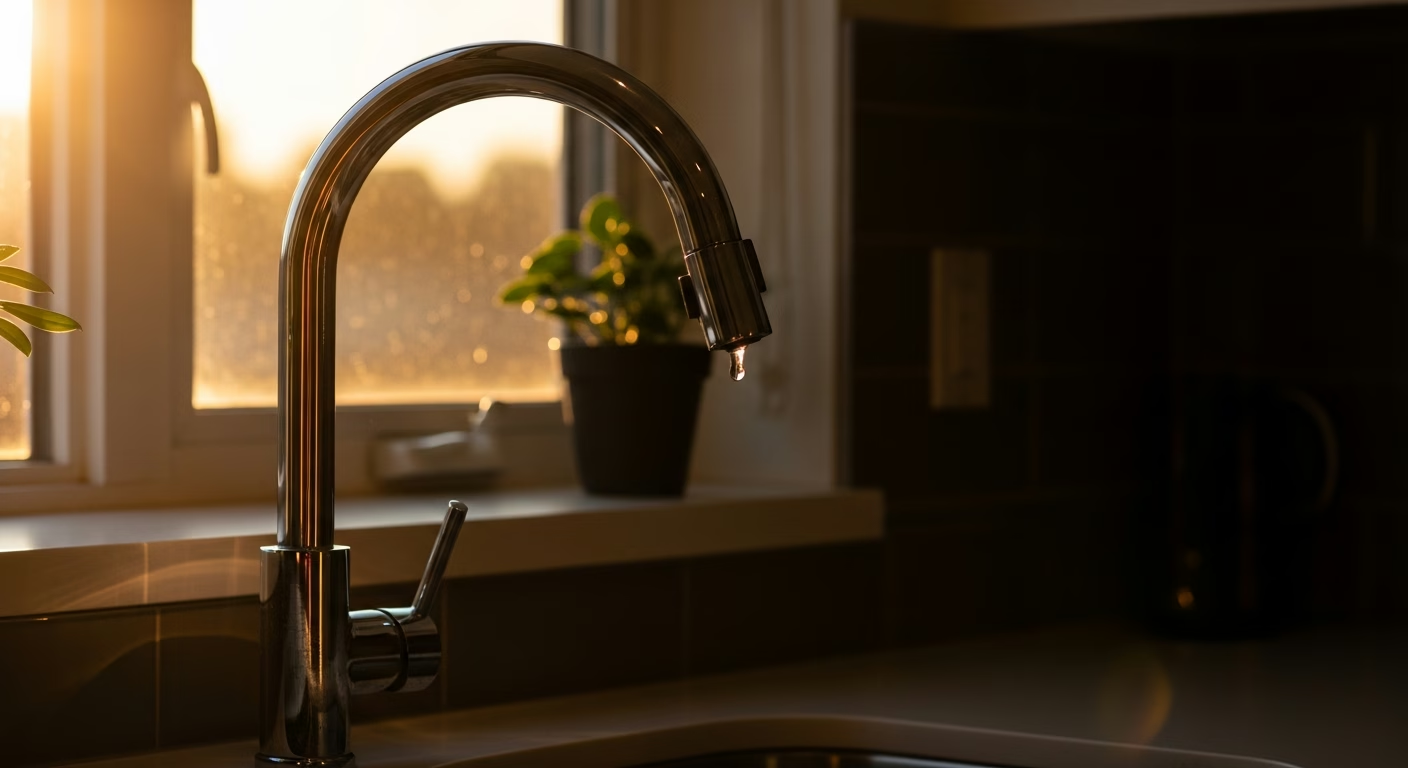

Faucet Repair vs. Replacement: A Quick Guide for Homeowners
A dripping faucet is more than annoying — it wastes water and money. A single faucet dripping once per second wastes over 11,000 litres per year. But should you repair it or replace the whole thing?
Common Faucet Problems
Dripping When Off
Usually caused by worn cartridges, O-rings, or valve seats. This is the most common faucet issue and is often repairable.
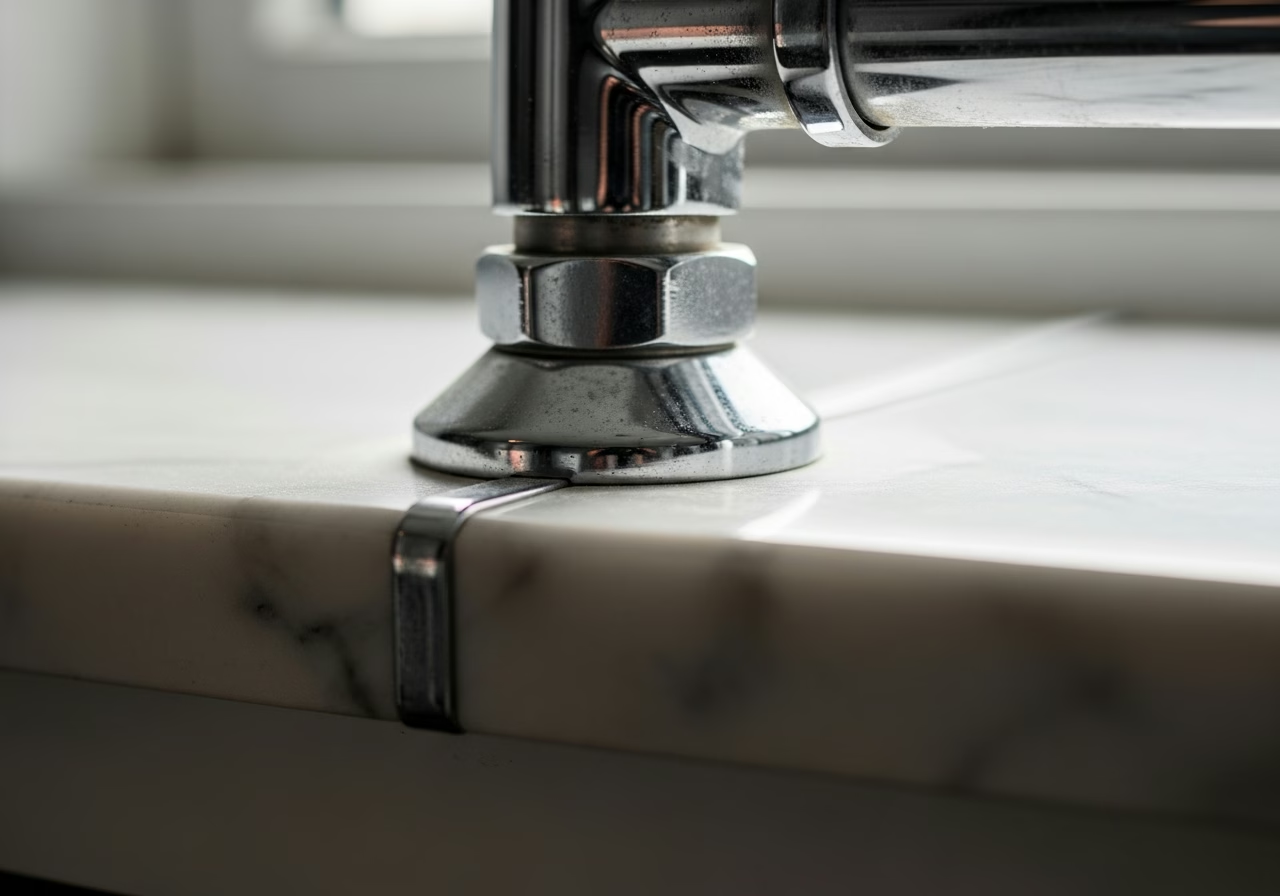
Leaking at the Base
Water pooling around the base of the faucet typically means worn O-rings or a corroded valve body. Repairable if caught early — but prolonged leaking can damage countertops and cabinets.
Low Water Pressure
Could be a clogged aerator (easy DIY fix — unscrew, clean, replace) or mineral buildup inside the faucet body. Toronto's moderately hard water accelerates mineral buildup.
Difficult to Turn or Stiff Handle
Internal cartridge or ceramic disc is worn or corroded. Usually repairable with a cartridge replacement.
Rusty or Discoloured Water
If it's only from one faucet, the faucet internals are corroding. Time to replace.
When to Repair
Repair makes sense when:
Need professional plumbing?
Call RenoHouse at 1-289-212-2345 or get a free estimate today.
Get Free Estimate →- The faucet is less than 7–10 years old
- The problem is a worn cartridge or O-ring (inexpensive parts)
- The faucet body is in good condition — no corrosion or pitting
- Replacement cartridges are readily available for your faucet brand
Most major brands (Moen, Delta, Kohler) make repair parts widely available. Moen even offers a limited lifetime warranty on many models.
When to Replace
Replace your faucet when:
- Corrosion is visible on the body or spout
- Parts are unavailable — off-brand or very old faucets may not have replacement cartridges
- Repeated repairs — if you've fixed the same faucet multiple times, it's telling you something
- You're renovating — a new faucet completes a kitchen or bathroom update
- The faucet is 15+ years old — even if it works, internal components are nearing end of life
DIY vs. Professional
DIY-friendly repairs:- Replacing an aerator
- Swapping a cartridge on a single-handle faucet (if you're comfortable turning off water supply)
- You can't identify the faucet brand or model
- The shutoff valves under the sink are old and corroded (they may break when you turn them)
- The faucet supply lines are rigid copper (not flexible braided hoses)
- You're installing a new faucet with a different configuration
GTA Water Considerations
Toronto's water is moderately hard, which means mineral buildup inside faucets over time. Annual cleaning of aerators and occasional cartridge replacement extends faucet life significantly.
Need Help With a Faucet?
Whether it's a quick repair or a new installation, RenoHouse's plumbing team handles faucet work across the GTA — kitchens, bathrooms, laundry, and utility sinks.
Book a service call today — we'll diagnose the issue and recommend the most cost-effective solution.Ontario Building Code Requirements
Any renovation project in the GTA must comply with the Ontario Building Code (OBC). This applies whether you're in Toronto, Mississauga, Brampton, or any other municipality. Key requirements include:
- Building permits are required for structural changes, plumbing modifications, electrical work, and HVAC alterations
- ESA permits are mandatory for any electrical work — your contractor must be a Licensed Electrical Contractor (LEC) in Ontario
- Plumbing permits through your local municipality for any new plumbing rough-ins or relocations
- Inspections at various stages — rough-in, insulation, and final inspection before closing walls
- Fire safety — smoke detectors on every level, carbon monoxide detectors near sleeping areas (Ontario law since 2015)
Failing to pull permits can result in fines, insurance issues, and problems when selling your home. Always verify your contractor handles permits as part of the project scope.
GTA Regional Considerations
The Greater Toronto Area spans dozens of municipalities, each with unique housing stock and renovation considerations:
- Toronto (Old Toronto, Midtown) — Many homes built pre-1950 with knob-and-tube wiring, galvanized plumbing, and plaster walls. Renovations often uncover issues requiring additional remediation
- Scarborough & Etobicoke — Primarily 1950s–1970s bungalows and split-levels. Common issues include outdated electrical panels (60-amp service), original windows, and aging drainage systems
- North York — Mix of post-war homes and newer builds. Many homeowners are upgrading original finishes from the 1980s–1990s
- Mississauga & Brampton — Rapid growth areas with homes from the 1980s–2000s. Common projects include basement finishing, kitchen updates, and exterior refreshes
- Vaughan & Richmond Hill — Newer subdivisions often need cosmetic updates rather than structural work. Builder-grade finishes are frequently upgraded within 5–10 years
- Markham — Similar to Vaughan with many newer communities. Heritage areas in old Markham Village may have specific design requirements
- Oakville — Higher-end homes with premium finish expectations. Many lakefront properties have specific moisture and drainage considerations
Understanding your neighbourhood's typical home age and construction type helps set realistic expectations for scope and budget.
Understanding Renovation Costs in Ontario (2025–2026)
Renovation costs in the GTA vary significantly based on scope, materials, and labour. Here are some general factors that affect pricing:
- Labour rates — Skilled trades in the GTA command competitive rates due to high demand. Licensed plumbers, electricians, and general contractors reflect the cost of insurance, WSIB, and licensing
- Material costs — Supply chain improvements have stabilized some material prices, but premium materials (natural stone, custom cabinetry) remain at a premium
- Scope creep — Budget 10–15% contingency for unexpected discoveries behind walls (water damage, outdated wiring, asbestos in older homes)
- Seasonal pricing — Late fall and winter months (November–February) are typically slower seasons when some contractors offer better rates
- Economies of scale — Bundling multiple projects (e.g., kitchen + bathroom, or full-home painting) often reduces per-project costs
For accurate pricing tailored to your specific project, request a detailed quote with itemized breakdowns. Avoid contractors who only provide lump-sum estimates without explaining what's included.
What a Typical Project Looks Like: Before & After
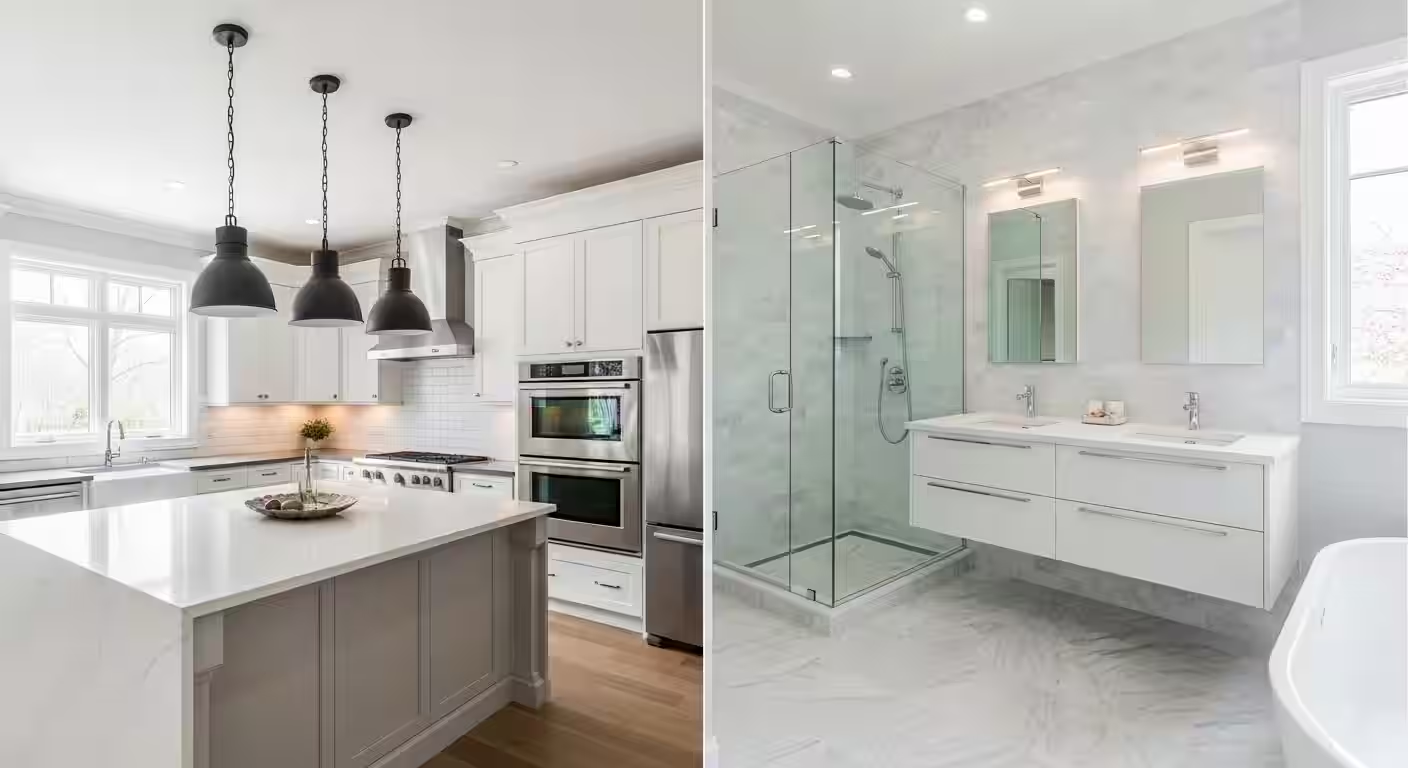
Before: A homeowner in Toronto contacts us about their outdated space. Common issues include worn finishes, inefficient layouts, aging fixtures, and cosmetic damage from years of use. Many homes across Mississauga, Brampton, and Vaughan face similar challenges — especially homes built in the 1980s and 1990s that are now showing their age. During the project: Our team provides a detailed scope of work, handles all permit applications (where required), coordinates trades, and keeps homeowners updated throughout the process. Most projects follow a predictable sequence: demolition → rough-ins (plumbing, electrical) → framing → insulation → drywall → finishing → fixtures → final touches. After: The completed project transforms the space with modern finishes, improved functionality, and increased home value. Many of our clients in Markham, Oakville, and Richmond Hill report that their renovation was the best investment they've made in their home.Sources & References
Authoritative sources cited in this guide:
- Toronto Sewer Use Bylaw 681 — Toronto plumbing/sewer regulations
- Ontario Building Code 7 (Plumbing) — OBC plumbing standards
- Health Canada — Drinking Water — Health Canada drinking water guidelines
- CSA B149.1 Natural Gas Code — Canadian gas installation code
Continue Reading
- Bathroom Sink Installation & Repair: Complete Guide
- 24 Hour Emergency Plumber: When to Call & What to Expect
- Cabinet Refacing vs Refinishing: Which Is Right for You?
Related Services