RenoHouse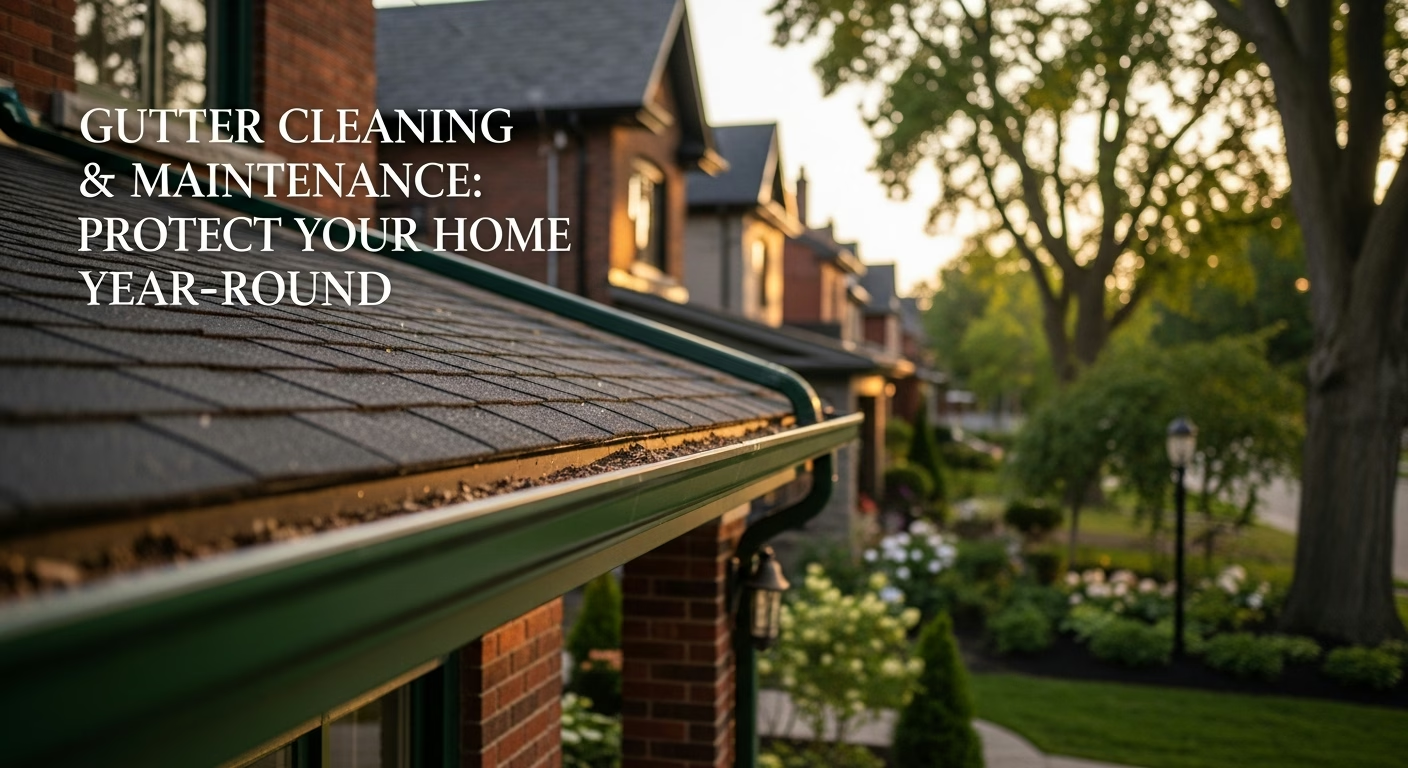

Gutter Cleaning & Maintenance: Protect Your Home Year-Round
Gutters aren't glamorous, but they're one of your home's most important defences against water damage. Clogged or damaged gutters lead to foundation problems, basement flooding, fascia rot, and landscape erosion — all expensive to fix.
Why Gutters Matter
Your gutter system directs thousands of litres of rainwater and snowmelt away from your home's foundation every year. When gutters clog or fail:
- Water overflows and pools against the foundation
- Fascia and soffit boards rot from constant moisture contact
- Ice dams form in winter (a major GTA issue)
- Basement leaks and foundation cracks develop over time
- Landscaping erodes along the roofline
When to Clean Gutters in the GTA
Minimum: twice a year- Late fall (November) — after leaves have dropped. This is the most critical cleaning.
- Late spring (May/June) — clear seed pods, samaras (maple keys), and debris from winter storms.
- You have mature trees overhanging your roof (many older Toronto, Oakville, and Burlington neighbourhoods)
- Pine trees nearby (needles accumulate year-round)
- After major storms
Signs Your Gutters Need Attention
- Water overflowing during rain — the clearest sign of clogs
- Sagging gutters — heavy debris and standing water weigh gutters down, pulling them away from the fascia
- Plants growing in gutters — yes, this happens. Decomposed leaves become soil.
- Staining on siding below the gutter line — water is overflowing
- Basement water issues that coincide with heavy rain
- Ice hanging from gutters in winter — suggests poor drainage
Gutter Maintenance Checklist
Beyond cleaning, inspect these items annually:
- Downspout extensions — water should discharge at least 4–6 feet from the foundation
- Gutter slope — gutters should slope toward downspouts (1/4 inch per 10 feet). Standing water means they've shifted.
- Seams and joints — look for drips during rain. Reseal with gutter sealant.
- Hangers and brackets — tighten any that are loose. Replace missing ones.
- Fascia board condition — check for rot behind the gutters
Gutter Guards: Are They Worth It?
Gutter guards reduce debris but don't eliminate maintenance entirely.
Pros:- Significantly reduce cleaning frequency
- Prevent large debris from entering gutters
- Reduce ice dam formation
- Fine debris (pine needles, shingle grit) still gets through most designs
- Some designs make cleaning harder when it IS needed
- Added cost
Ice Dams and Winter Gutters
Toronto's freeze-thaw cycles create ice dam conditions:
Need professional exterior renovation?
Call RenoHouse at 1-289-212-2345 or get a free estimate today.
Get Free Estimate →- Snow on the roof melts from heat escaping through the attic
- Meltwater refreezes at the cold gutter line
- Ice backs up under shingles, causing interior leaks
Prevention is about attic insulation and ventilation, not just gutters. But clean gutters allow meltwater to drain rather than pooling and freezing.
DIY vs. Professional Cleaning
DIY works if you're comfortable on a ladder, your home is single-story, and you have proper safety equipment. Never work on a ladder alone. Hire a professional for two-story or higher homes, steep roofs, or if you're uncomfortable with heights. Professional gutter cleaning typically takes 1–2 hours for an average GTA home.Protect Your Home
RenoHouse offers gutter cleaning, repair, and maintenance throughout the GTA. We also install gutter guards and repair fascia and soffit damage caused by neglected gutters.
Book your gutter maintenance today — it's one of the most affordable ways to prevent expensive home repairs.Ontario Building Code Requirements
Any renovation project in the GTA must comply with the Ontario Building Code (OBC). This applies whether you're in Toronto, Mississauga, Brampton, or any other municipality. Key requirements include:
- Building permits are required for structural changes, plumbing modifications, electrical work, and HVAC alterations
- ESA permits are mandatory for any electrical work — your contractor must be a Licensed Electrical Contractor (LEC) in Ontario
- Plumbing permits through your local municipality for any new plumbing rough-ins or relocations
- Inspections at various stages — rough-in, insulation, and final inspection before closing walls
- Fire safety — smoke detectors on every level, carbon monoxide detectors near sleeping areas (Ontario law since 2015)
Failing to pull permits can result in fines, insurance issues, and problems when selling your home. Always verify your contractor handles permits as part of the project scope.
GTA Regional Considerations
The Greater Toronto Area spans dozens of municipalities, each with unique housing stock and renovation considerations:
- Toronto (Old Toronto, Midtown) — Many homes built pre-1950 with knob-and-tube wiring, galvanized plumbing, and plaster walls. Renovations often uncover issues requiring additional remediation
- Scarborough & Etobicoke — Primarily 1950s–1970s bungalows and split-levels. Common issues include outdated electrical panels (60-amp service), original windows, and aging drainage systems
- North York — Mix of post-war homes and newer builds. Many homeowners are upgrading original finishes from the 1980s–1990s
- Mississauga & Brampton — Rapid growth areas with homes from the 1980s–2000s. Common projects include basement finishing, kitchen updates, and exterior refreshes
- Vaughan & Richmond Hill — Newer subdivisions often need cosmetic updates rather than structural work. Builder-grade finishes are frequently upgraded within 5–10 years
- Markham — Similar to Vaughan with many newer communities. Heritage areas in old Markham Village may have specific design requirements
- Oakville — Higher-end homes with premium finish expectations. Many lakefront properties have specific moisture and drainage considerations
Understanding your neighbourhood's typical home age and construction type helps set realistic expectations for scope and budget.
Understanding Renovation Costs in Ontario (2025–2026)
Renovation costs in the GTA vary significantly based on scope, materials, and labour. Here are some general factors that affect pricing:
- Labour rates — Skilled trades in the GTA command competitive rates due to high demand. Licensed plumbers, electricians, and general contractors reflect the cost of insurance, WSIB, and licensing
- Material costs — Supply chain improvements have stabilized some material prices, but premium materials (natural stone, custom cabinetry) remain at a premium
- Scope creep — Budget 10–15% contingency for unexpected discoveries behind walls (water damage, outdated wiring, asbestos in older homes)
- Seasonal pricing — Late fall and winter months (November–February) are typically slower seasons when some contractors offer better rates
- Economies of scale — Bundling multiple projects (e.g., kitchen + bathroom, or full-home painting) often reduces per-project costs
For accurate pricing tailored to your specific project, request a detailed quote with itemized breakdowns. Avoid contractors who only provide lump-sum estimates without explaining what's included.
Sources & References
Authoritative sources cited in this guide:
- Toronto Building Permits — Permit info
- Ontario Building Code 9.27 (Cladding) — Exterior cladding standards
Continue Reading
- Gutter Installation & Replacement Cost in Ontario
- Eavestrough vs Gutter: What Toronto Homeowners Need to Know
- How Often to Clean Gutters in Toronto — Seasonal Schedule & Costs
Related Services