RenoHouse

Hardwood Floor Cost: What to Budget in 2026
Planning a flooring project in Toronto or the GTA? This guide covers everything you need to know — from costs and materials to finding the right contractor and avoiding common mistakes.
Why This Matters for Toronto Homeowners
Home improvement is a significant investment, especially in the competitive GTA real estate market. Whether you're upgrading for your own comfort or preparing to sell, understanding the details of your project helps you make informed decisions and get the best value for your money.
Toronto's diverse housing stock — from century homes in the Annex to new builds in Vaughan — means every project has unique considerations. Climate, building codes, and local material availability all play a role.
Cost Overview
The cost of flooring projects in the Greater Toronto Area varies based on several factors:
- Scope of work — A simple repair vs. a complete overhaul
- Material quality — Builder-grade vs. premium finishes
- Labour rates — GTA contractors typically charge $50–$100/hour depending on trade and experience
- Home age and condition — Older homes in Scarborough, Etobicoke, or North York may need additional prep work
- Permits — Some projects require Toronto building permits ($100–$500+)
For accurate pricing, always get 2–3 quotes from licensed contractors in your area. Prices in Oakville and Richmond Hill may differ from downtown Toronto or Brampton.
What to Look for in a Contractor
When hiring for flooring work in the GTA:
Need professional flooring installation?
Call RenoHouse at 1-289-212-2345 or get a free estimate today.
Get Free Estimate →- 1. Licensing and insurance — Verify Ontario contractor licensing and minimum $2M liability insurance
- 2. Reviews and references — Check HomeStars, Google Reviews, and ask for local references
- 3. Detailed written quote — Should include materials, labour, timeline, and warranty
- 4. WSIB compliance — Workers' Safety and Insurance Board coverage protects you
- 5. Portfolio — Ask to see completed projects similar to yours
Common Mistakes to Avoid
- Choosing the cheapest quote — Often leads to cutting corners on materials or prep work
- Skipping permits — Toronto building inspectors can require you to tear out unpermitted work
- Not planning for the unexpected — Budget an extra 10–20% for surprises, especially in older homes
- Poor timing — Some projects are seasonal; plan ahead to get the best contractor availability
- DIY overconfidence — Some projects seem simple but require specialized skills and tools
Timeline Expectations
Most flooring projects in Toronto follow this general timeline:
- Small repairs: 1–3 days
- Room-level projects: 1–2 weeks
- Major renovations: 3–8 weeks depending on scope and permits
Factor in delivery times for specialty materials — some items can take 2–4 weeks to arrive in the GTA.
Toronto-Specific Considerations
Climate: Toronto's freeze-thaw cycles, humidity swings, and salt exposure affect material choices. Always choose materials rated for Canadian climate conditions. Building codes: Ontario Building Code requirements may be stricter than you expect. Your contractor should be familiar with current Toronto and regional building codes. Heritage homes: If your home is in a designated heritage area (common in parts of Toronto, Oakville, and Aurora), additional approvals may be needed.Energy Efficiency Opportunities
Many flooring projects offer opportunities to improve energy efficiency:
- Better insulation reduces heating costs (Toronto winters are no joke)
- Energy-efficient materials may qualify for federal or provincial rebates
- The Canada Greener Homes Grant may cover part of eligible upgrades
Maximizing Your Investment
To get the most value from your flooring project:
- 1. Focus on ROI — Kitchens and bathrooms consistently offer the best return in the GTA market
- 2. Quality materials — They last longer and appeal to future buyers
- 3. Professional installation — Proper workmanship protects your investment
- 4. Documentation — Keep receipts and permits for future resale
Get Started with RenoHouse
RenoHouse provides professional flooring services across the Greater Toronto Area. Our experienced team handles projects of all sizes — from quick repairs to complete renovations.
Call RenoHouse at 289-212-2345 for a free estimate. We serve Toronto, Mississauga, Brampton, Vaughan, Markham, Oakville, Richmond Hill, Scarborough, Etobicoke, and North York.Ontario Building Code Requirements
Any renovation project in the GTA must comply with the Ontario Building Code (OBC). This applies whether you're in Toronto, Mississauga, Brampton, or any other municipality. Key requirements include:
- Building permits are required for structural changes, plumbing modifications, electrical work, and HVAC alterations
- ESA permits are mandatory for any electrical work — your contractor must be a Licensed Electrical Contractor (LEC) in Ontario
- Plumbing permits through your local municipality for any new plumbing rough-ins or relocations
- Inspections at various stages — rough-in, insulation, and final inspection before closing walls
- Fire safety — smoke detectors on every level, carbon monoxide detectors near sleeping areas (Ontario law since 2015)
Failing to pull permits can result in fines, insurance issues, and problems when selling your home. Always verify your contractor handles permits as part of the project scope.
GTA Regional Considerations
The Greater Toronto Area spans dozens of municipalities, each with unique housing stock and renovation considerations:
- Toronto (Old Toronto, Midtown) — Many homes built pre-1950 with knob-and-tube wiring, galvanized plumbing, and plaster walls. Renovations often uncover issues requiring additional remediation
- Scarborough & Etobicoke — Primarily 1950s–1970s bungalows and split-levels. Common issues include outdated electrical panels (60-amp service), original windows, and aging drainage systems
- North York — Mix of post-war homes and newer builds. Many homeowners are upgrading original finishes from the 1980s–1990s
- Mississauga & Brampton — Rapid growth areas with homes from the 1980s–2000s. Common projects include basement finishing, kitchen updates, and exterior refreshes
- Vaughan & Richmond Hill — Newer subdivisions often need cosmetic updates rather than structural work. Builder-grade finishes are frequently upgraded within 5–10 years
- Markham — Similar to Vaughan with many newer communities. Heritage areas in old Markham Village may have specific design requirements
- Oakville — Higher-end homes with premium finish expectations. Many lakefront properties have specific moisture and drainage considerations
Understanding your neighbourhood's typical home age and construction type helps set realistic expectations for scope and budget.
Sources & References
Authoritative sources cited in this guide:
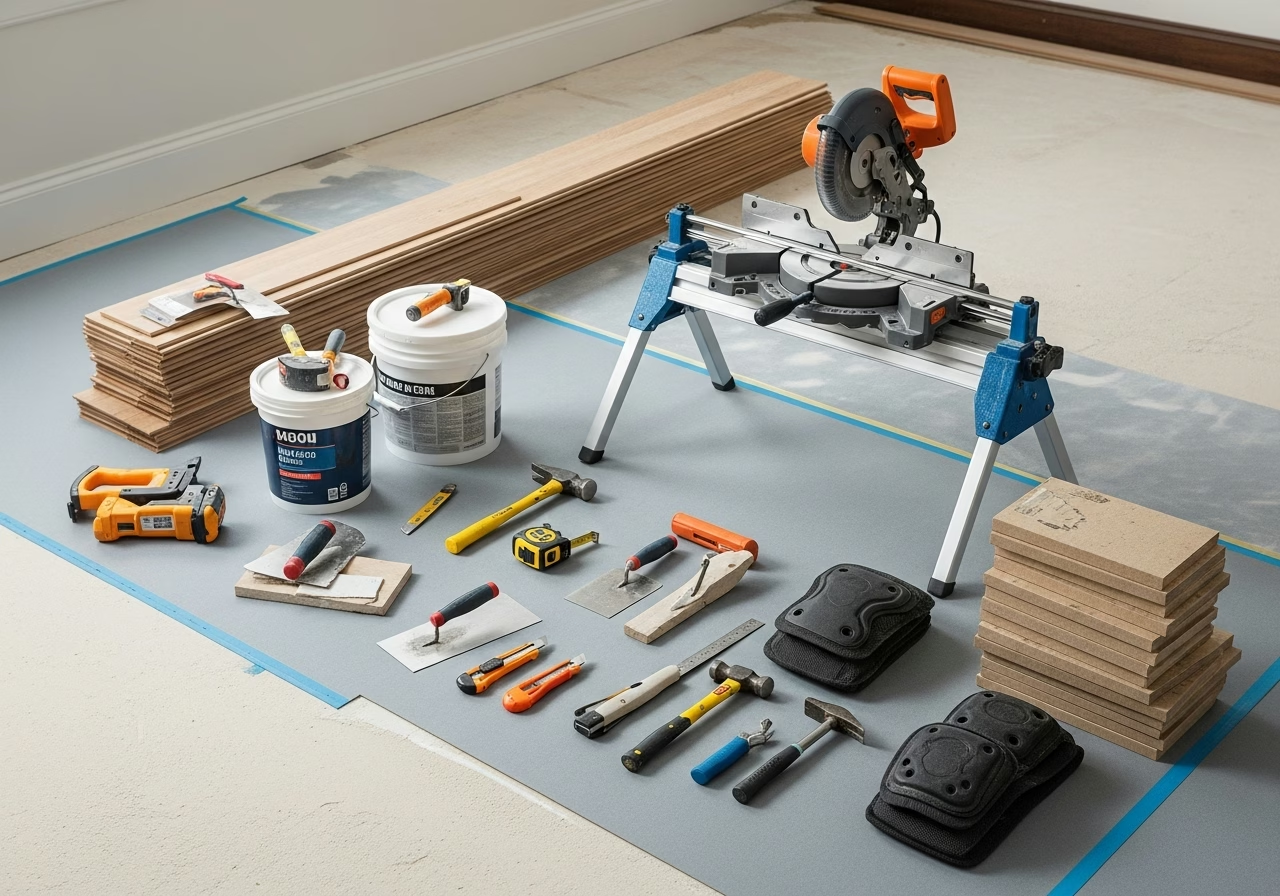
- Ontario Building Code 9.30 — Flooring standards
- ENERGY STAR Canada — Underlay efficiency
Continue Reading
- Carpet vs Hardwood vs Laminate: Complete Flooring Comparison
- Epoxy Flooring Cost: Is It Worth the Investment?
- Hardwood Floor Refinishing in Toronto: Process, Cost & Tips
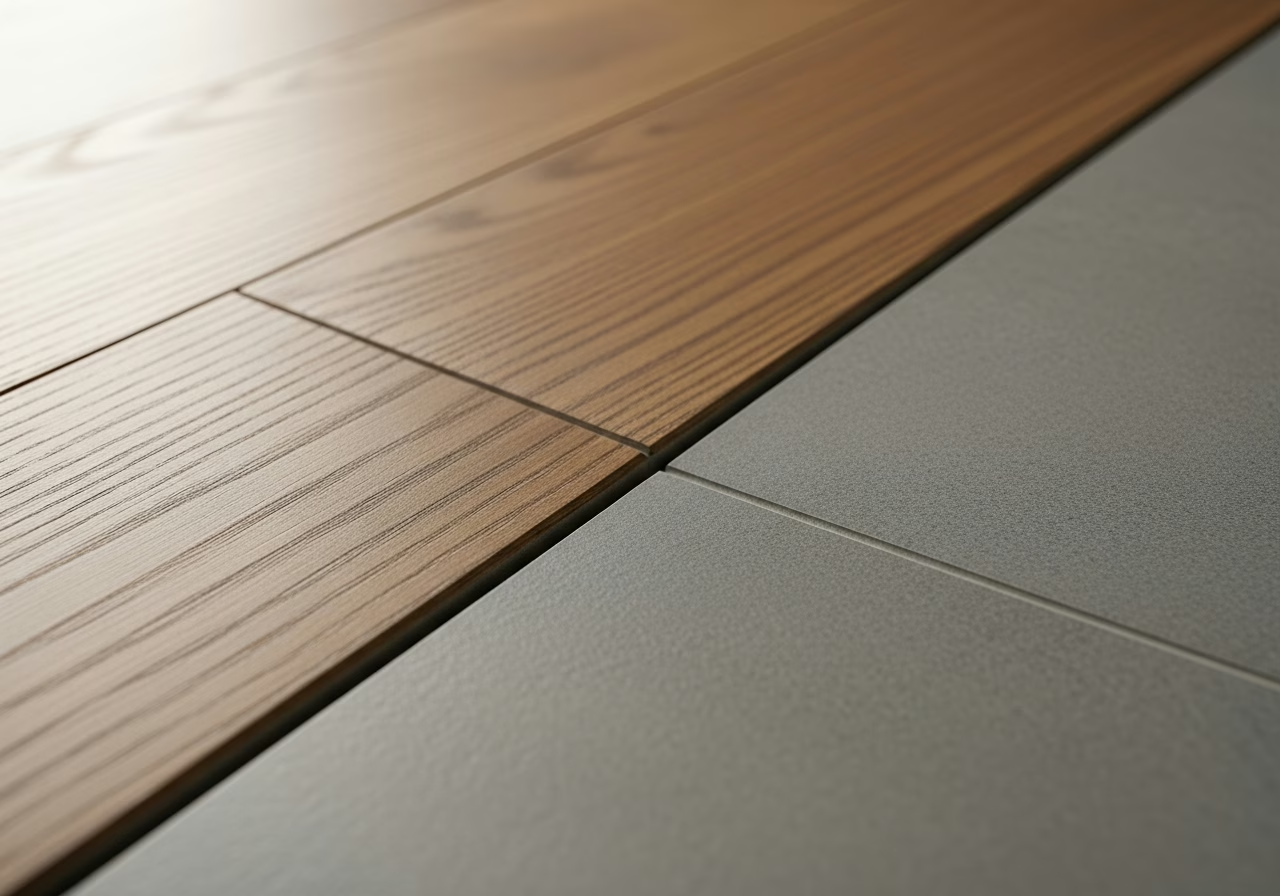
Related Services