RenoHouse

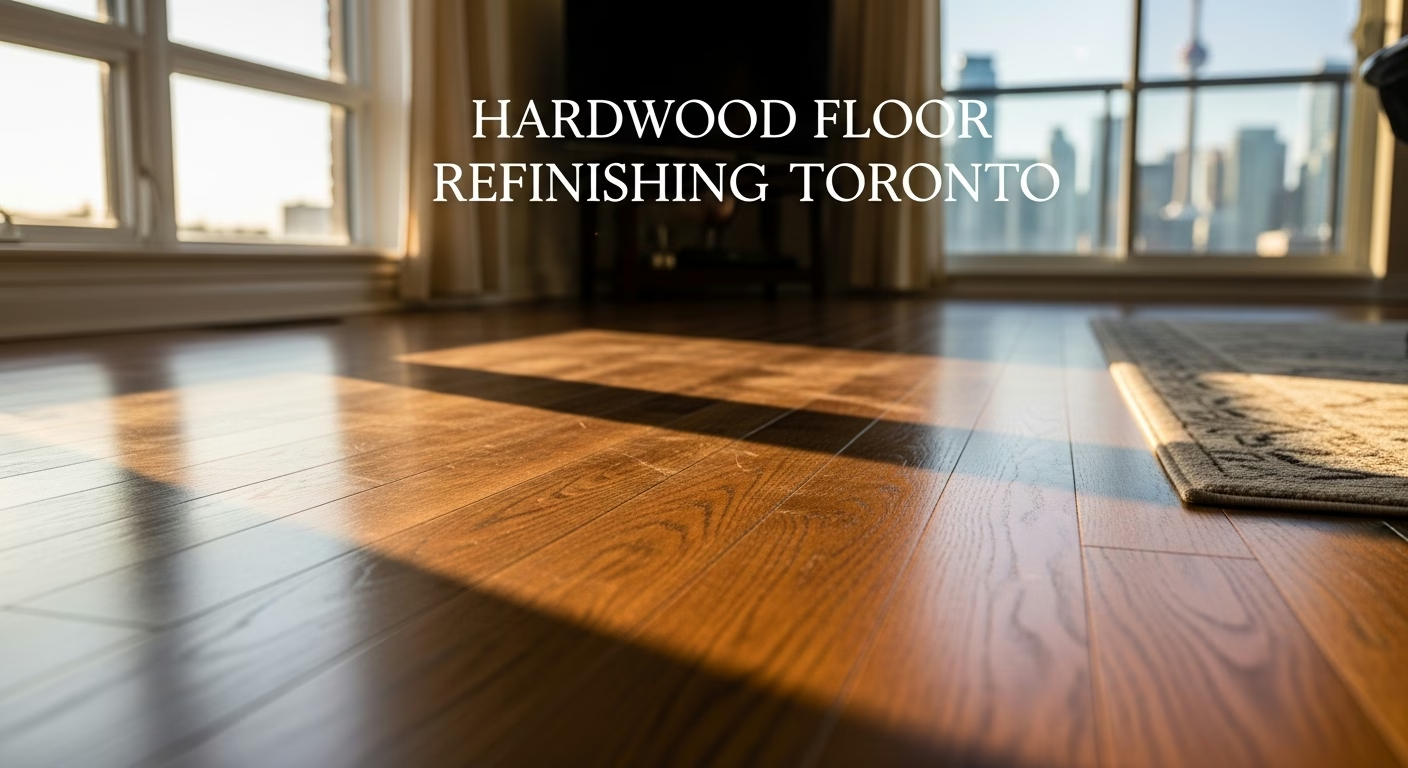
Hardwood Floor Refinishing in Toronto: Process, Cost & Tips
Hardwood floors are one of the best features of many Toronto homes — but after years of wear, scratches, and foot traffic, they can look tired. Refinishing restores them to like-new condition at a fraction of replacement cost.
Can Your Floors Be Refinished?
Most solid hardwood floors can be refinished 3–5 times over their lifetime. Key factors:
- Thickness matters — solid hardwood (3/4 inch) has plenty of material to sand. Engineered hardwood with a thin veneer layer (2mm or less) may only handle one light sanding or none at all.
- Check for previous refinishing — if floors have been sanded multiple times, the wood above the tongue-and-groove joint may be too thin.
- Structural issues — badly warped, cupped, or water-damaged boards may need replacement before refinishing.
The Refinishing Process
Step 1: Preparation
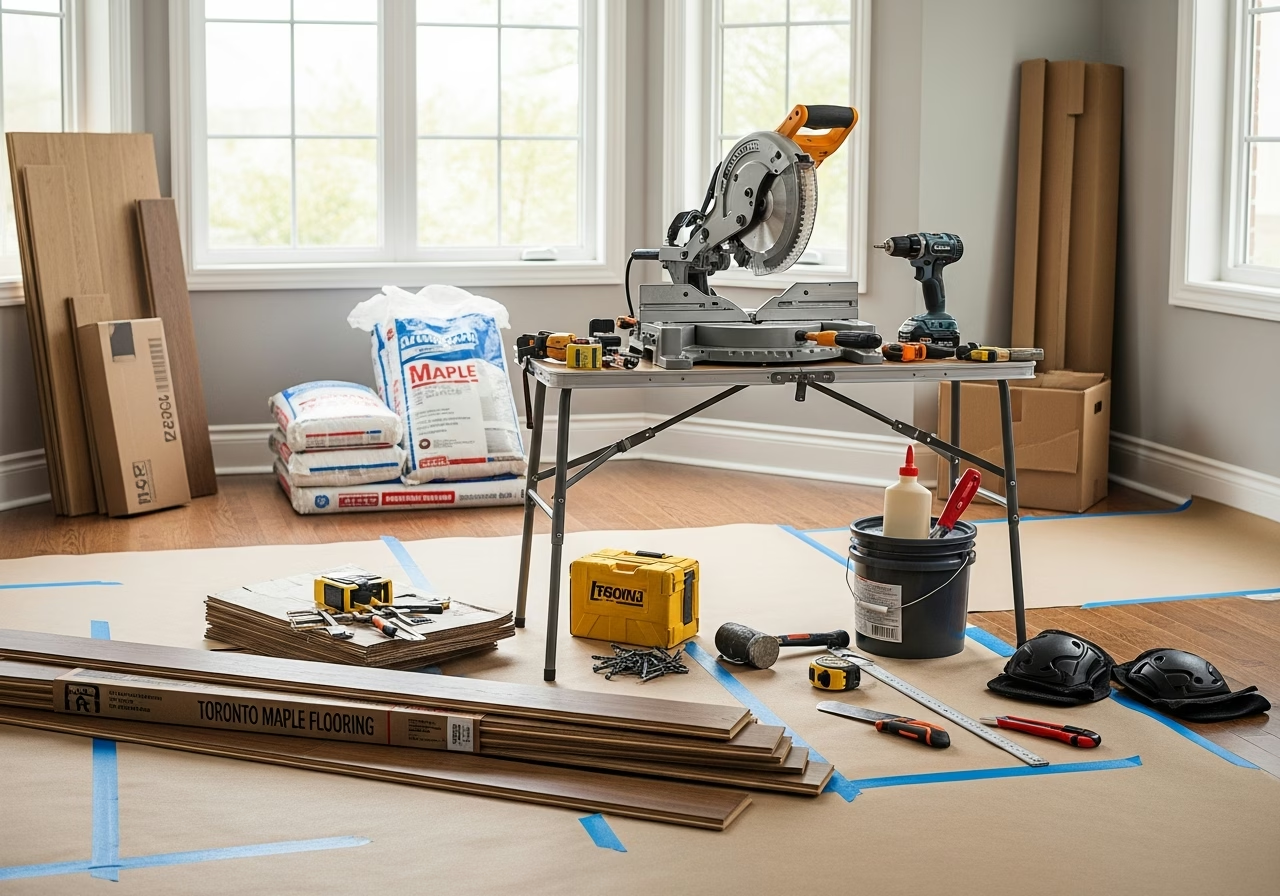
- Remove all furniture and cover doorways with plastic sheeting
- Remove shoe moulding / quarter round (carefully — you'll reinstall it)
- Address any loose or squeaky boards with screws
Step 2: Sanding
- Coarse grit removes the old finish and surface scratches
- Medium grit smooths the surface
- Fine grit prepares for stain/finish
- Edges and corners are done with a detail sander
Professional-grade drum sanders make this job dramatically faster and more consistent than rental equipment.
Step 3: Staining (Optional)
- Stain changes or refreshes the wood colour
- Popular in Toronto right now: natural (no stain), light grey washes, and dark walnut
- Stain must dry completely before finishing (24 hours typical)
Step 4: Finishing
- Oil-based polyurethane: Rich, warm tone. Ambers slightly over time. Longer dry time (24 hours between coats, 2–3 coats).
- Water-based polyurethane: Crystal clear, won't yellow. Dries faster (2–4 hours between coats). Lower odour.
- Hardwax oil: Natural, matte look. Easy spot repairs. Popular for modern aesthetics.
Most homes get 3 coats of finish for proper durability.
Timeline and Living Arrangements
- Small home (under 1,000 sq ft of hardwood): 3–4 days
- Larger homes: 4–7 days
- Cure time: Floors can be walked on in socks after 24–48 hours but take 2–4 weeks to fully cure
You'll need to vacate during sanding (dust) and the first coat of oil-based finish (fumes). Water-based finishes are much more livable.
Need professional flooring installation?
Call RenoHouse at 1-289-212-2345 or get a free estimate today.
Get Free Estimate →GTA-Specific Tips
- Humidity control is critical — Toronto's dry winters and humid summers cause wood to expand and contract. Run a humidifier in winter (target 35–45% humidity) to prevent gaps between boards.
- Salt and snow from winter boots are hardwood's worst enemy. Use mats at all entrances and wipe up slush immediately.
- Many 1950s–1980s Toronto homes have beautiful original red oak under carpet — worth uncovering and refinishing.
Avoid These Mistakes
- Don't skip sanding grits — each one prepares for the next
- Don't apply finish in direct sunlight or high humidity
- Don't put furniture back too soon — wait at least 48 hours, use felt pads
- Don't use vinegar or steam mops on newly refinished floors
Ready to Refinish?
RenoHouse refinishes hardwood floors across the GTA — from century homes in Toronto to newer builds in Markham and Oakville. We use professional-grade equipment for a flawless finish.
Contact us for a free estimate — send us photos of your floors and we'll give you an honest assessment.Ontario Building Code Requirements
Any renovation project in the GTA must comply with the Ontario Building Code (OBC). This applies whether you're in Toronto, Mississauga, Brampton, or any other municipality. Key requirements include:
- Building permits are required for structural changes, plumbing modifications, electrical work, and HVAC alterations
- ESA permits are mandatory for any electrical work — your contractor must be a Licensed Electrical Contractor (LEC) in Ontario
- Plumbing permits through your local municipality for any new plumbing rough-ins or relocations
- Inspections at various stages — rough-in, insulation, and final inspection before closing walls
- Fire safety — smoke detectors on every level, carbon monoxide detectors near sleeping areas (Ontario law since 2015)
Failing to pull permits can result in fines, insurance issues, and problems when selling your home. Always verify your contractor handles permits as part of the project scope.
GTA Regional Considerations
The Greater Toronto Area spans dozens of municipalities, each with unique housing stock and renovation considerations:
- Toronto (Old Toronto, Midtown) — Many homes built pre-1950 with knob-and-tube wiring, galvanized plumbing, and plaster walls. Renovations often uncover issues requiring additional remediation
- Scarborough & Etobicoke — Primarily 1950s–1970s bungalows and split-levels. Common issues include outdated electrical panels (60-amp service), original windows, and aging drainage systems
- North York — Mix of post-war homes and newer builds. Many homeowners are upgrading original finishes from the 1980s–1990s
- Mississauga & Brampton — Rapid growth areas with homes from the 1980s–2000s. Common projects include basement finishing, kitchen updates, and exterior refreshes
- Vaughan & Richmond Hill — Newer subdivisions often need cosmetic updates rather than structural work. Builder-grade finishes are frequently upgraded within 5–10 years
- Markham — Similar to Vaughan with many newer communities. Heritage areas in old Markham Village may have specific design requirements
- Oakville — Higher-end homes with premium finish expectations. Many lakefront properties have specific moisture and drainage considerations
Understanding your neighbourhood's typical home age and construction type helps set realistic expectations for scope and budget.
Understanding Renovation Costs in Ontario (2025–2026)
Renovation costs in the GTA vary significantly based on scope, materials, and labour. Here are some general factors that affect pricing:
- Labour rates — Skilled trades in the GTA command competitive rates due to high demand. Licensed plumbers, electricians, and general contractors reflect the cost of insurance, WSIB, and licensing
- Material costs — Supply chain improvements have stabilized some material prices, but premium materials (natural stone, custom cabinetry) remain at a premium
- Scope creep — Budget 10–15% contingency for unexpected discoveries behind walls (water damage, outdated wiring, asbestos in older homes)
- Seasonal pricing — Late fall and winter months (November–February) are typically slower seasons when some contractors offer better rates
- Economies of scale — Bundling multiple projects (e.g., kitchen + bathroom, or full-home painting) often reduces per-project costs
For accurate pricing tailored to your specific project, request a detailed quote with itemized breakdowns. Avoid contractors who only provide lump-sum estimates without explaining what's included.
Sources & References
Authoritative sources cited in this guide:
- Ontario Building Code 9.30 — Flooring standards
- ENERGY STAR Canada — Underlay efficiency
Continue Reading
- Hardwood Floor Cost: What to Budget in 2026
- Carpet vs Hardwood vs Laminate: Complete Flooring Comparison
- Hardwood Floor Refinishing Toronto
Related Services