RenoHouse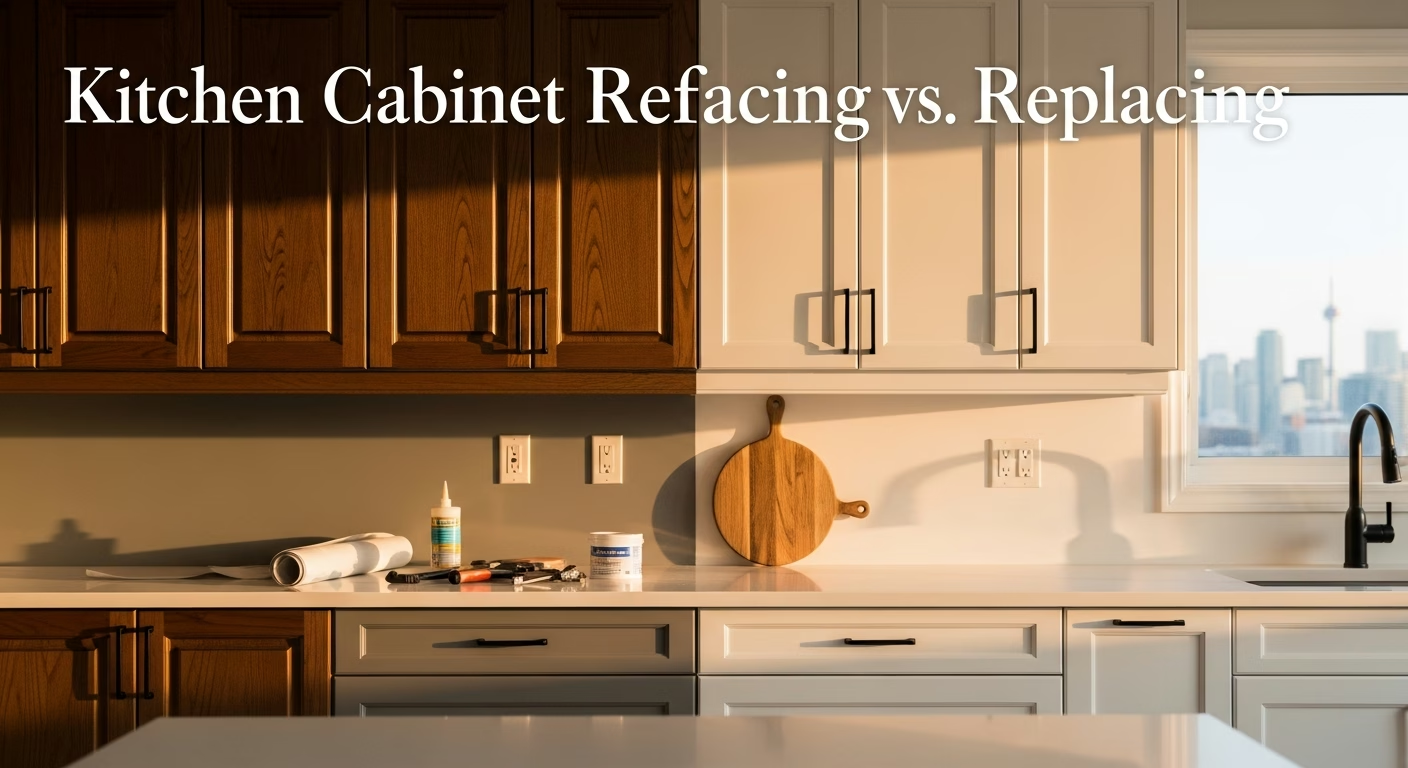

Kitchen Cabinet Refacing vs. Replacing: Cost Comparison for GTA Homeowners
Your kitchen cabinets are the biggest visual element in the room. If they look dated, the whole kitchen feels old — even if everything else is fine. But a full cabinet replacement is one of the most expensive parts of a kitchen renovation. Refacing offers a middle ground.
What Is Cabinet Refacing?
Refacing means keeping your existing cabinet boxes and replacing only the visible parts:
- New doors and drawer fronts
- New veneer or laminate on the cabinet frames
- New hinges and hardware
- Optional: new crown moulding or trim
The interior structure, shelving, and layout stay the same.
When Refacing Makes Sense
Refacing is a great option when:
- Your cabinet boxes are solid — no water damage, warping, or structural issues
- You like your current layout — the workflow and storage work for your family
- You want a dramatic visual change without the mess and timeline of full replacement
- Budget is a priority — refacing typically costs 40–60% less than new cabinets
When Replacing Is the Better Choice
Full replacement makes more sense when:
- Cabinet boxes are damaged — water damage from dishwasher or sink leaks is common in older GTA homes
- You want to change the layout — adding an island, moving the fridge, or reconfiguring storage
- Cabinets are poor quality — builder-grade particleboard cabinets from the 90s often aren't worth refacing
- You need more storage — new cabinet designs offer better interior organization (pull-outs, lazy Susans, drawer inserts)
Timeline Comparison
- Refacing: 3–5 days typically. Your kitchen stays usable throughout most of the process.
- Replacing: 2–4 weeks minimum. Includes demolition, possible electrical/plumbing adjustments, installation, and finishing.
What About Painting Cabinets?
Cabinet painting is even more budget-friendly than refacing. Professional spray painting can transform oak or maple cabinets into a modern look. However:
- It doesn't change the door style (raised panel stays raised panel)
- Results depend heavily on proper prep — sanding, priming, and spraying
- DIY cabinet painting often looks streaky or chips within a year
GTA-Specific Considerations
Many homes built in Mississauga, Brampton, Vaughan, and Markham in the 2000s–2010s have decent-quality cabinet boxes with dated door styles. These are ideal candidates for refacing — the bones are good, they just need a facelift.
Older Toronto homes (pre-1980s) may have custom-built cabinets that are extremely solid but unusual sizes. Refacing is often the only practical option since replacement cabinets won't fit without major modifications.
Need professional kitchen & bathroom renovation?
Call RenoHouse at 1-289-212-2345 or get a free estimate today.
Get Free Estimate →How to Decide
Ask yourself these questions:
- 1. Are the cabinet boxes solid and level?
- 2. Am I happy with the current layout?
- 3. Do I just want a visual update?
If you answered yes to all three, refacing will give you a fresh kitchen faster and at a lower cost. If you need layout changes or better storage, invest in replacement.
Get a Professional Assessment
Not sure which route is right for your kitchen? RenoHouse offers free consultations for kitchen projects across the GTA. We'll assess your existing cabinets and give you honest advice on whether refacing or replacing makes more sense for your situation.
Contact us today for a free kitchen consultation — no pressure, just practical advice.Ontario Building Code Requirements
Any renovation project in the GTA must comply with the Ontario Building Code (OBC). This applies whether you're in Toronto, Mississauga, Brampton, or any other municipality. Key requirements include:
- Building permits are required for structural changes, plumbing modifications, electrical work, and HVAC alterations
- ESA permits are mandatory for any electrical work — your contractor must be a Licensed Electrical Contractor (LEC) in Ontario
- Plumbing permits through your local municipality for any new plumbing rough-ins or relocations
- Inspections at various stages — rough-in, insulation, and final inspection before closing walls
- Fire safety — smoke detectors on every level, carbon monoxide detectors near sleeping areas (Ontario law since 2015)
Failing to pull permits can result in fines, insurance issues, and problems when selling your home. Always verify your contractor handles permits as part of the project scope.
GTA Regional Considerations
The Greater Toronto Area spans dozens of municipalities, each with unique housing stock and renovation considerations:
- Toronto (Old Toronto, Midtown) — Many homes built pre-1950 with knob-and-tube wiring, galvanized plumbing, and plaster walls. Renovations often uncover issues requiring additional remediation
- Scarborough & Etobicoke — Primarily 1950s–1970s bungalows and split-levels. Common issues include outdated electrical panels (60-amp service), original windows, and aging drainage systems
- North York — Mix of post-war homes and newer builds. Many homeowners are upgrading original finishes from the 1980s–1990s
- Mississauga & Brampton — Rapid growth areas with homes from the 1980s–2000s. Common projects include basement finishing, kitchen updates, and exterior refreshes
- Vaughan & Richmond Hill — Newer subdivisions often need cosmetic updates rather than structural work. Builder-grade finishes are frequently upgraded within 5–10 years
- Markham — Similar to Vaughan with many newer communities. Heritage areas in old Markham Village may have specific design requirements
- Oakville — Higher-end homes with premium finish expectations. Many lakefront properties have specific moisture and drainage considerations
Understanding your neighbourhood's typical home age and construction type helps set realistic expectations for scope and budget.
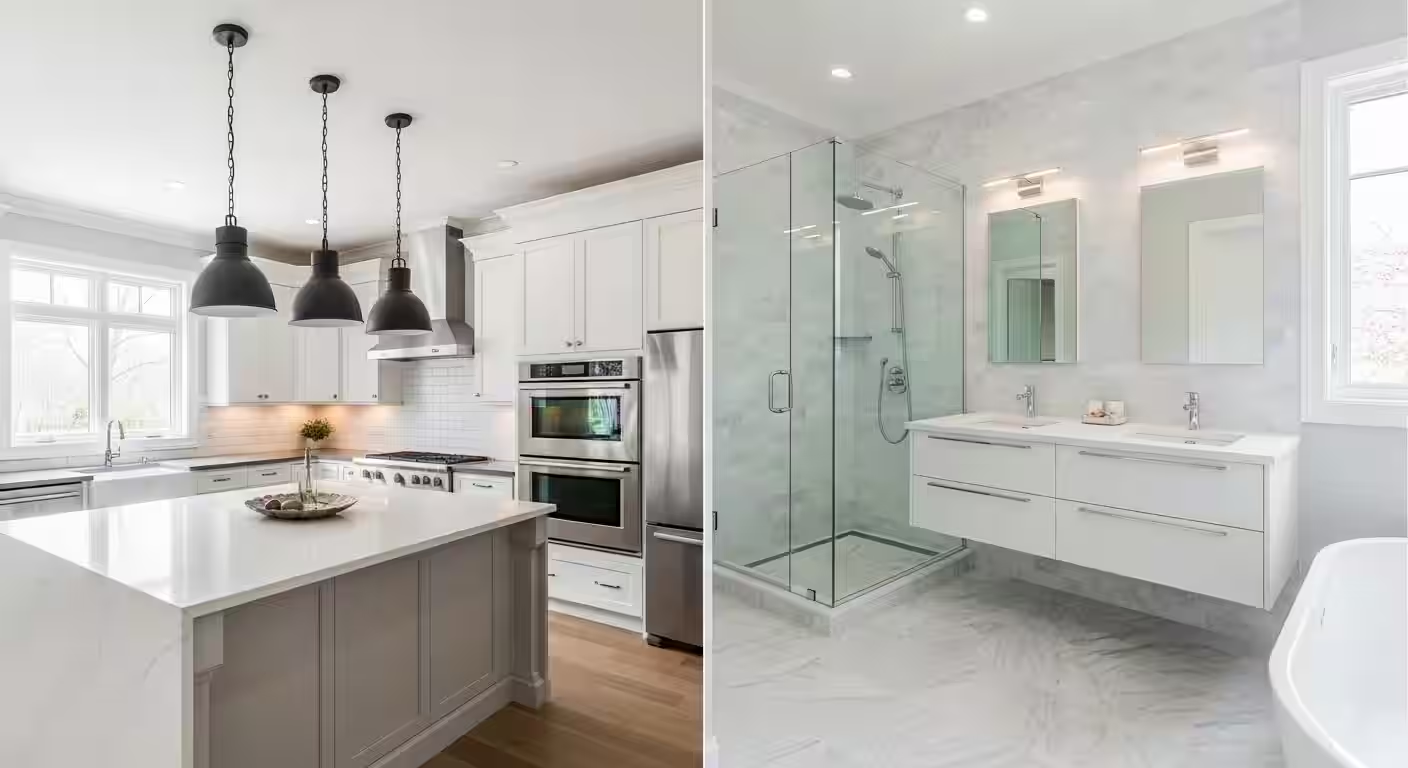
What a Typical Project Looks Like: Before & After
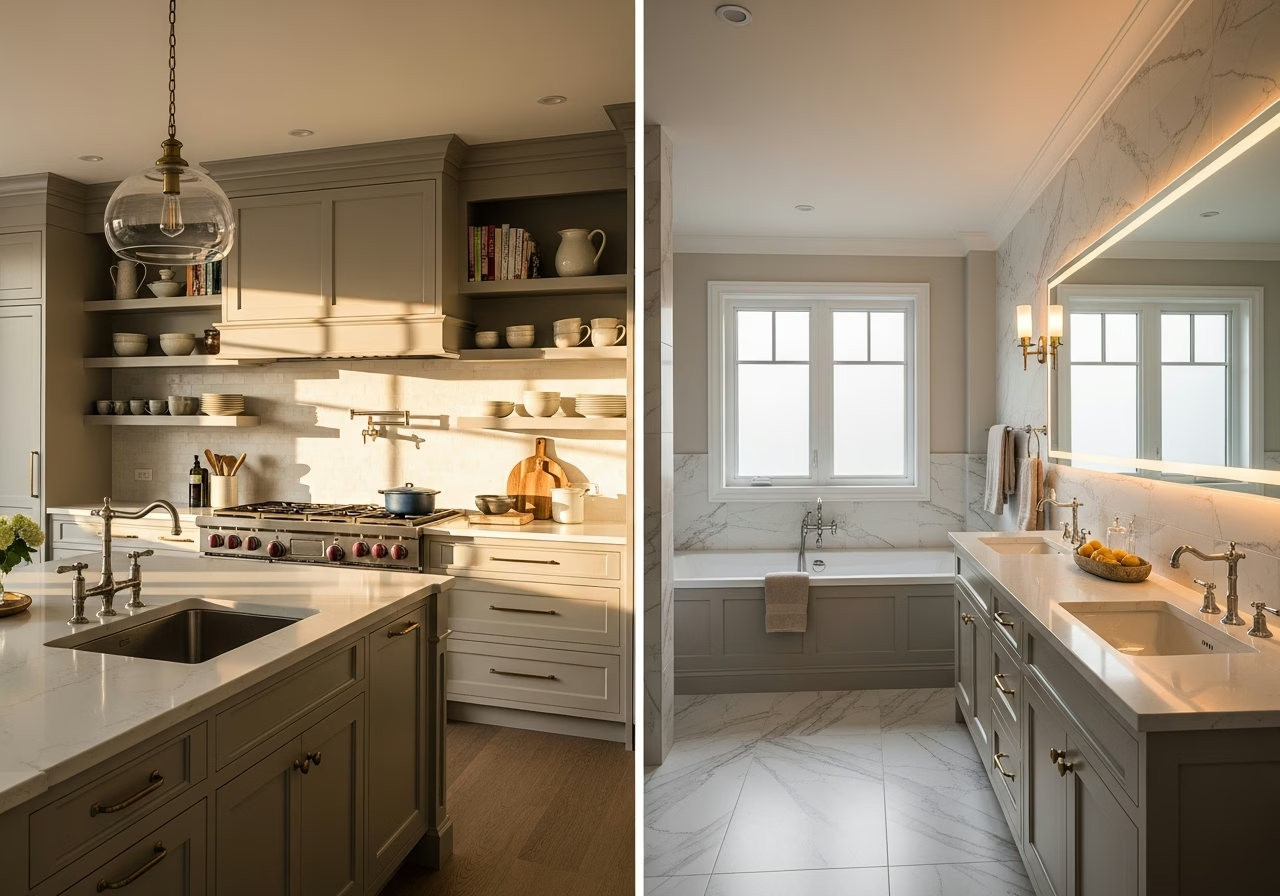
Before: A homeowner in Toronto contacts us about their outdated space. Common issues include worn finishes, inefficient layouts, aging fixtures, and cosmetic damage from years of use. Many homes across Mississauga, Brampton, and Vaughan face similar challenges — especially homes built in the 1980s and 1990s that are now showing their age. During the project: Our team provides a detailed scope of work, handles all permit applications (where required), coordinates trades, and keeps homeowners updated throughout the process. Most projects follow a predictable sequence: demolition → rough-ins (plumbing, electrical) → framing → insulation → drywall → finishing → fixtures → final touches. After: The completed project transforms the space with modern finishes, improved functionality, and increased home value. Many of our clients in Markham, Oakville, and Richmond Hill report that their renovation was the best investment they've made in their home.Sources & References
Authoritative sources cited in this guide:
- Ontario Building Code — OBC official text
- Toronto Building Permits — City permit portal
- Tarion New Home Warranty — Ontario warranty regulator
- HCRA — Home Construction Regulatory Authority — Ontario builder/vendor licensing
Continue Reading
- Cabinet Refacing vs Refinishing: Which Is Right for You?
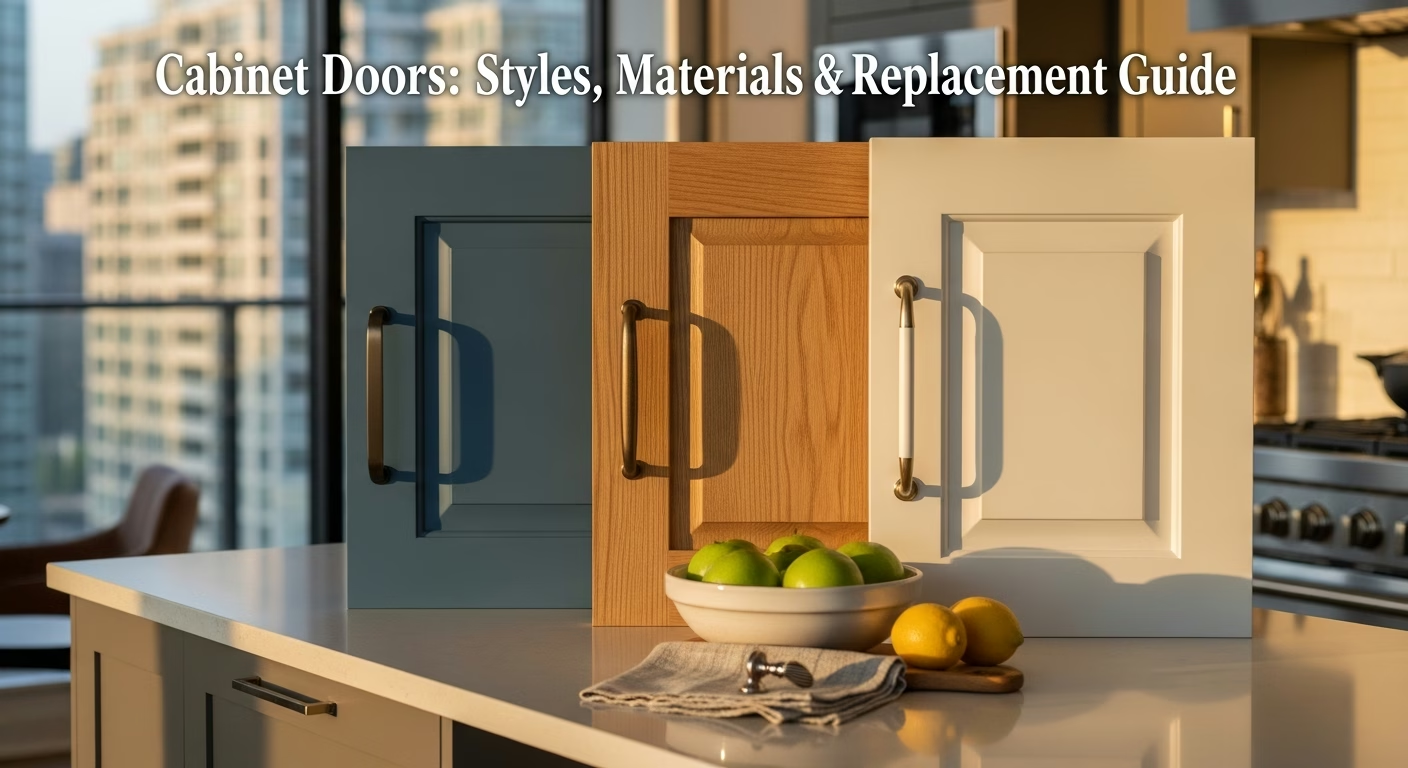
- Cabinet Doors: Styles, Materials & Replacement Guide
- Kitchen Cabinet Refacing vs Replacing Toronto
Related Services
Frequently Asked Questions
How much does kitchen cabinet refacing cost compared to replacement?
Refacing costs $4,000-$8,000 for an average GTA kitchen, while full replacement runs $12,000-$25,000+. Refacing saves 40-50% by keeping existing boxes. Costs vary based on cabinet size, finish quality, and whether you include hardware upgrades. Get quotes from licensed contractors in Toronto to compare your specific project.
How long does kitchen cabinet refacing take in Toronto?
Refacing takes 2-4 weeks from start to finish, depending on cabinet count and finish complexity. Installation spans 3-7 days. Full replacement takes 4-6 weeks because it includes demolition, cabinet ordering, and possible adjustments to countertops or appliances. Toronto contractors often schedule refacing faster due to minimal structural work.
When should I reface cabinets instead of replacing them?
Reface if your cabinet boxes are structurally sound and in good condition. Replace if you need more storage, different layouts, or if boxes show rot, warping, or significant damage. Refacing works best for kitchens where only the appearance needs updating. Toronto homeowners often reface in 10-15 year old kitchens with solid frames but dated finishes.
How long do refaced kitchen cabinets last?
Quality refaced cabinets last 10-15 years with proper care. Durability depends on the veneer or laminate quality and how often the kitchen is used. High-traffic kitchens may see wear sooner. Refaced cabinets perform well in GTA homes with moderate use. If cabinet boxes are solid, refacing provides excellent value compared to the lifespan of replacement options.