RenoHouse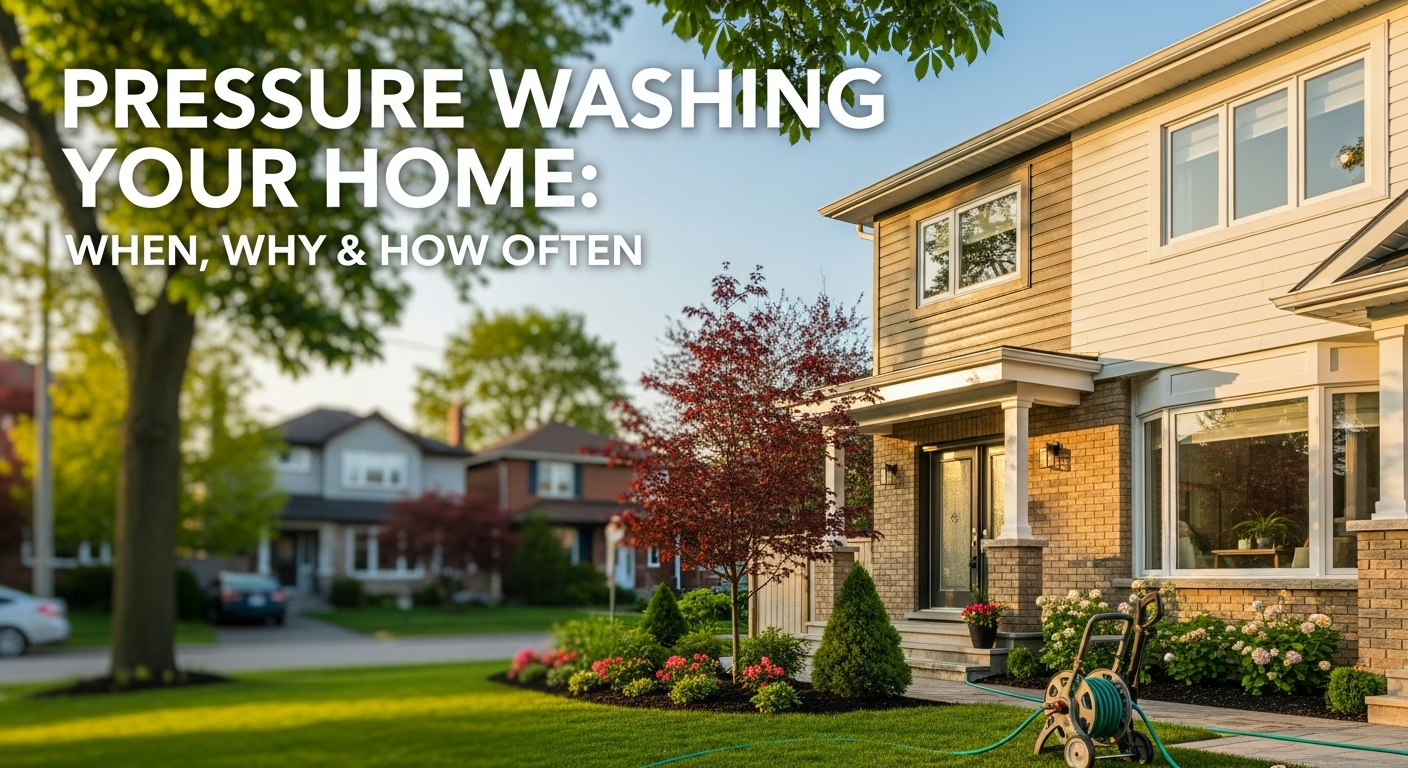

Pressure Washing Your Home: When, Why & How Often
Over time, dirt, algae, mildew, and pollution build up on your home's exterior surfaces. Pressure washing restores curb appeal and prevents long-term damage — but using too much pressure in the wrong places can cause serious problems.
What Should Be Pressure Washed?
Safe for Pressure Washing
- Concrete driveways and walkways — high pressure OK (2,500–3,000 PSI)
- Interlocking stone patios — medium pressure, re-sand joints after
- Vinyl siding — low to medium pressure only, angled downward
- Wood decks and fences — low pressure (under 1,500 PSI) with a wide fan tip
- Garage floors — high pressure works well
Use Caution or Avoid
- Brick and mortar — high pressure erodes mortar joints, especially on older Toronto homes. Use low pressure with detergent.
- Painted surfaces — high pressure strips paint. Use low pressure if the paint is in good condition.
- Windows — never aim a pressure washer directly at windows. The force can break seals and crack glass.
- Stucco and EIFS — water can penetrate behind the surface and cause hidden moisture damage.
- Roof shingles — never pressure wash asphalt shingles. It strips the granules and destroys them.
How Often Should You Pressure Wash?
For most GTA homes:
- Siding: Once a year (spring is ideal — removes winter grime)
- Driveway: Once or twice a year
- Deck/patio: Once a year before staining or sealing
- Walkways: As needed
North-facing surfaces grow algae and mildew faster due to less sun exposure — they may need more frequent cleaning.
GTA-Specific Considerations
Toronto's climate creates specific exterior cleaning challenges:
Need professional exterior renovation?
Call RenoHouse at 1-289-212-2345 or get a free estimate today.
Get Free Estimate →- Road salt tracked onto driveways and walkways all winter leaves white residue and can damage concrete
- Freeze-thaw cycles mean you should never pressure wash in temperatures below 5°C — water in cracks can freeze and cause spalling
- Mature trees common in older GTA neighbourhoods mean more organic debris, mold, and algae buildup
- Spring is the sweet spot — clean everything before summer entertaining season
DIY vs. Professional
DIY works for:- Small driveways and walkways
- Deck cleaning before re-staining
- Patio furniture and garbage bins
- Cleaning the full house exterior (ladders + pressure washer = dangerous)
- Dealing with vinyl or wood siding (wrong technique causes damage)
- You need soft washing — a low-pressure technique using cleaning solutions for delicate surfaces
- Large areas (2,000+ sq ft of driveway or multiple surfaces)
Safety Tips
- Wear closed-toe shoes and safety glasses
- Never point the wand at people, pets, or windows
- Test in an inconspicuous area first
- Keep the nozzle 12–18 inches from the surface
- Use the widest fan tip that still gets the job done
Get Your Home Looking Fresh
RenoHouse offers professional pressure washing and exterior cleaning throughout the GTA. We match the right pressure and technique to every surface.
Contact us for a free estimate — we'll get your home's exterior looking its best for the season.Ontario Building Code Requirements
Any renovation project in the GTA must comply with the Ontario Building Code (OBC). This applies whether you're in Toronto, Mississauga, Brampton, or any other municipality. Key requirements include:
- Building permits are required for structural changes, plumbing modifications, electrical work, and HVAC alterations
- ESA permits are mandatory for any electrical work — your contractor must be a Licensed Electrical Contractor (LEC) in Ontario
- Plumbing permits through your local municipality for any new plumbing rough-ins or relocations
- Inspections at various stages — rough-in, insulation, and final inspection before closing walls
- Fire safety — smoke detectors on every level, carbon monoxide detectors near sleeping areas (Ontario law since 2015)
Failing to pull permits can result in fines, insurance issues, and problems when selling your home. Always verify your contractor handles permits as part of the project scope.
GTA Regional Considerations
The Greater Toronto Area spans dozens of municipalities, each with unique housing stock and renovation considerations:
- Toronto (Old Toronto, Midtown) — Many homes built pre-1950 with knob-and-tube wiring, galvanized plumbing, and plaster walls. Renovations often uncover issues requiring additional remediation
- Scarborough & Etobicoke — Primarily 1950s–1970s bungalows and split-levels. Common issues include outdated electrical panels (60-amp service), original windows, and aging drainage systems
- North York — Mix of post-war homes and newer builds. Many homeowners are upgrading original finishes from the 1980s–1990s
- Mississauga & Brampton — Rapid growth areas with homes from the 1980s–2000s. Common projects include basement finishing, kitchen updates, and exterior refreshes
- Vaughan & Richmond Hill — Newer subdivisions often need cosmetic updates rather than structural work. Builder-grade finishes are frequently upgraded within 5–10 years
- Markham — Similar to Vaughan with many newer communities. Heritage areas in old Markham Village may have specific design requirements
- Oakville — Higher-end homes with premium finish expectations. Many lakefront properties have specific moisture and drainage considerations
Understanding your neighbourhood's typical home age and construction type helps set realistic expectations for scope and budget.
What a Typical Project Looks Like: Before & After
Before: A homeowner in Toronto contacts us about their outdated space. Common issues include worn finishes, inefficient layouts, aging fixtures, and cosmetic damage from years of use. Many homes across Mississauga, Brampton, and Vaughan face similar challenges — especially homes built in the 1980s and 1990s that are now showing their age. During the project: Our team provides a detailed scope of work, handles all permit applications (where required), coordinates trades, and keeps homeowners updated throughout the process. Most projects follow a predictable sequence: demolition → rough-ins (plumbing, electrical) → framing → insulation → drywall → finishing → fixtures → final touches. After: The completed project transforms the space with modern finishes, improved functionality, and increased home value. Many of our clients in Markham, Oakville, and Richmond Hill report that their renovation was the best investment they've made in their home.Sources & References
Authoritative sources cited in this guide:
- Toronto Building Permits — Permit info
- Ontario Building Code 9.27 (Cladding) — Exterior cladding standards
Continue Reading
- Pressure Washing Guide Toronto — What to Wash, When, and Costs
- Building a Deck in Toronto: Materials, Permits & What to Know
- Gutter Cleaning & Maintenance: Protect Your Home Year-Round

Related Services