RenoHouse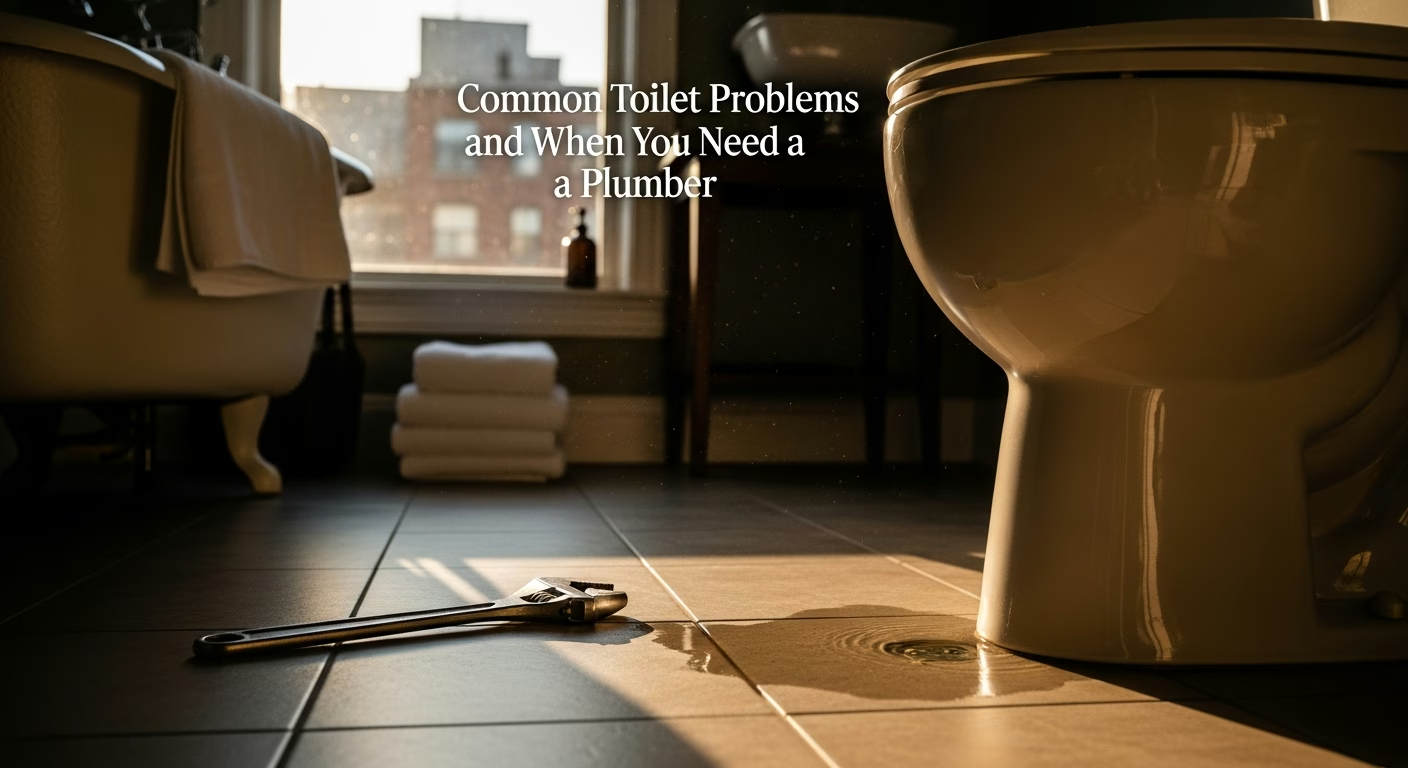

Common Toilet Problems and When You Need a Plumber
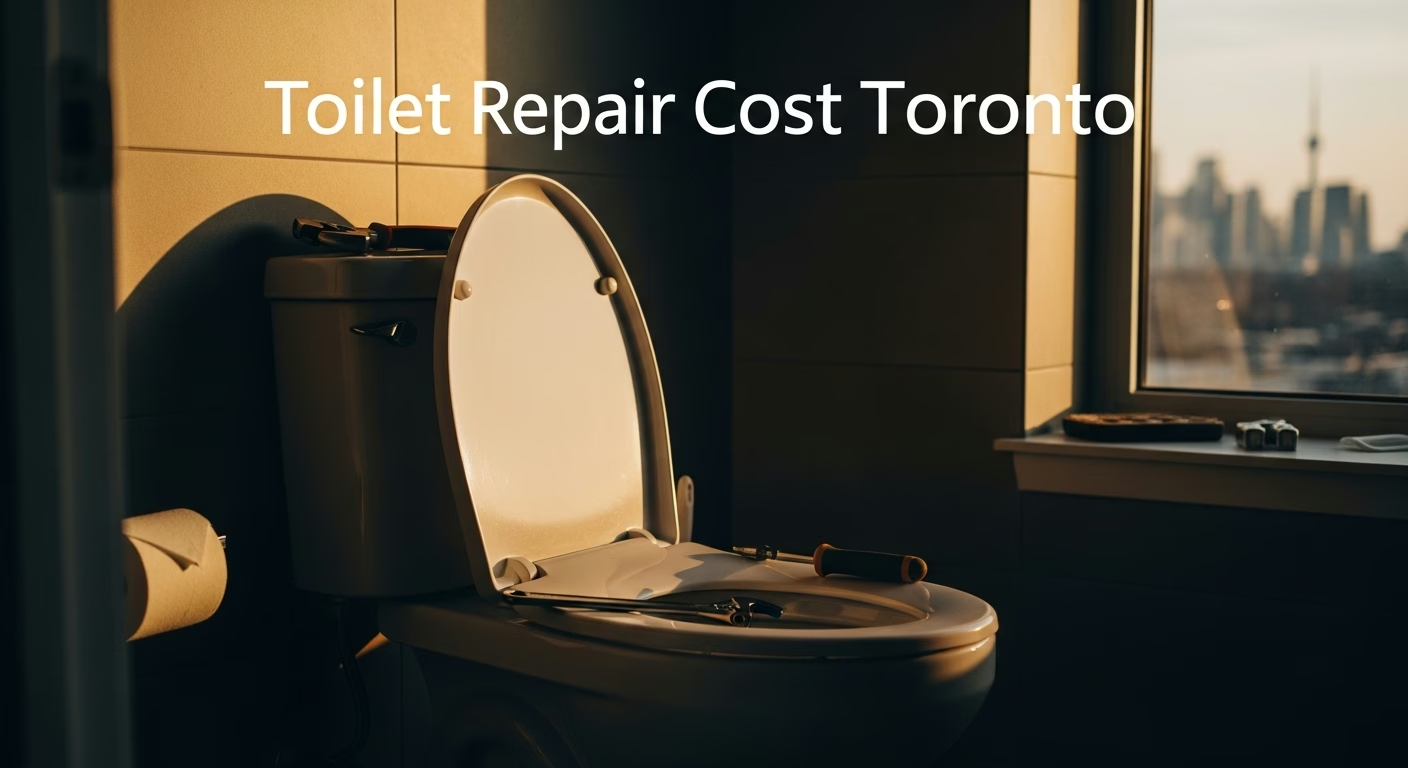
Toilets are the most-used fixture in your home, and when they malfunction, it's urgent. The good news: many toilet problems have straightforward fixes. Here's a guide to the most common issues and when you actually need a plumber.
Problem #1: Toilet Keeps Running
A running toilet can waste 750+ litres per day. The usual culprits:
- Flapper valve — the rubber seal at the bottom of the tank deteriorates over time. It's a $5–$10 part and a 10-minute DIY fix.
- Float — if the water level is too high, water continuously flows into the overflow tube. Adjust the float arm or replace the fill valve.
- Fill valve — if adjusting the float doesn't work, the fill valve itself may need replacing.
Problem #2: Weak or Incomplete Flush
If the toilet flushes but doesn't clear the bowl:
- Clogged rim jets — mineral deposits block the small holes under the rim. Clean with a wire or vinegar soak.
- Low water level in the tank — adjust the float so the tank fills to the marked line.
- Partial clog in the trap — a plunger usually resolves this.
Older toilets (pre-1996) in many GTA homes use 13+ litres per flush. Modern low-flow toilets use 4.8 litres and flush better. If your old toilet flushes poorly, replacement is often more practical than repeated repairs.
Problem #3: Toilet Leaking at the Base
Water on the floor around the toilet base usually means:
- Failed wax ring — the seal between the toilet and the drain flange has deteriorated. The toilet needs to be removed, the old wax ring scraped off, and a new one installed.
- Loose bolts — the closet bolts holding the toilet to the floor may just need tightening.
- Cracked base — less common but requires full toilet replacement.
Problem #4: Toilet Won't Stop Filling
If the tank fills endlessly, the fill valve isn't shutting off. Try adjusting the float first. If that doesn't work, the fill valve needs replacement — a moderate DIY project.
Need professional plumbing?
Call RenoHouse at 1-289-212-2345 or get a free estimate today.
Get Free Estimate →Problem #5: Frequent Clogs
Occasional clogs are normal. Frequent clogs suggest:
- A partial obstruction deeper in the drain line
- Tree root infiltration (common in older Toronto neighbourhoods with mature trees)
- An undersized or deteriorating drain line
- Non-flushable items being flushed
Problem #6: Phantom Flushes
The toilet seems to flush by itself periodically. This is always a flapper issue — the flapper is slowly leaking water from the tank into the bowl, triggering the fill valve. Replace the flapper.
When to Replace Instead of Repair
Consider replacing your toilet when:
- It's 20+ years old and using excessive water
- The porcelain is cracked
- You're making frequent repairs
- You want to upgrade to a water-efficient model (some Ontario municipalities offer rebates)
GTA Plumbing Help
Toilet problems don't wait for business hours. RenoHouse offers plumbing services across Toronto, Mississauga, Brampton, Vaughan, Markham, and the entire GTA.
Contact us for fast, reliable toilet repair or replacement — we'll get it sorted quickly.Ontario Building Code Requirements
Any renovation project in the GTA must comply with the Ontario Building Code (OBC). This applies whether you're in Toronto, Mississauga, Brampton, or any other municipality. Key requirements include:
- Building permits are required for structural changes, plumbing modifications, electrical work, and HVAC alterations
- ESA permits are mandatory for any electrical work — your contractor must be a Licensed Electrical Contractor (LEC) in Ontario
- Plumbing permits through your local municipality for any new plumbing rough-ins or relocations
- Inspections at various stages — rough-in, insulation, and final inspection before closing walls
- Fire safety — smoke detectors on every level, carbon monoxide detectors near sleeping areas (Ontario law since 2015)
Failing to pull permits can result in fines, insurance issues, and problems when selling your home. Always verify your contractor handles permits as part of the project scope.
GTA Regional Considerations
The Greater Toronto Area spans dozens of municipalities, each with unique housing stock and renovation considerations:
- Toronto (Old Toronto, Midtown) — Many homes built pre-1950 with knob-and-tube wiring, galvanized plumbing, and plaster walls. Renovations often uncover issues requiring additional remediation
- Scarborough & Etobicoke — Primarily 1950s–1970s bungalows and split-levels. Common issues include outdated electrical panels (60-amp service), original windows, and aging drainage systems
- North York — Mix of post-war homes and newer builds. Many homeowners are upgrading original finishes from the 1980s–1990s
- Mississauga & Brampton — Rapid growth areas with homes from the 1980s–2000s. Common projects include basement finishing, kitchen updates, and exterior refreshes
- Vaughan & Richmond Hill — Newer subdivisions often need cosmetic updates rather than structural work. Builder-grade finishes are frequently upgraded within 5–10 years
- Markham — Similar to Vaughan with many newer communities. Heritage areas in old Markham Village may have specific design requirements
- Oakville — Higher-end homes with premium finish expectations. Many lakefront properties have specific moisture and drainage considerations
Understanding your neighbourhood's typical home age and construction type helps set realistic expectations for scope and budget.
What a Typical Project Looks Like: Before & After
Before: A homeowner in Toronto contacts us about their outdated space. Common issues include worn finishes, inefficient layouts, aging fixtures, and cosmetic damage from years of use. Many homes across Mississauga, Brampton, and Vaughan face similar challenges — especially homes built in the 1980s and 1990s that are now showing their age. During the project: Our team provides a detailed scope of work, handles all permit applications (where required), coordinates trades, and keeps homeowners updated throughout the process. Most projects follow a predictable sequence: demolition → rough-ins (plumbing, electrical) → framing → insulation → drywall → finishing → fixtures → final touches. After: The completed project transforms the space with modern finishes, improved functionality, and increased home value. Many of our clients in Markham, Oakville, and Richmond Hill report that their renovation was the best investment they've made in their home.Sources & References
Authoritative sources cited in this guide:
- Toronto Sewer Use Bylaw 681 — Toronto plumbing/sewer regulations
- Ontario Building Code 7 (Plumbing) — OBC plumbing standards
- Health Canada — Drinking Water — Health Canada drinking water guidelines
- CSA B149.1 Natural Gas Code — Canadian gas installation code
Continue Reading
- 24 Hour Emergency Plumber: When to Call & What to Expect
- Faucet Repair vs. Replacement: A Quick Guide for Homeowners
- Emergency Plumbing: What to Do Before the Plumber Arrives
Related Services