RenoHouse

Vinyl Flooring vs Laminate: Which Is Better for Your Toronto Home?
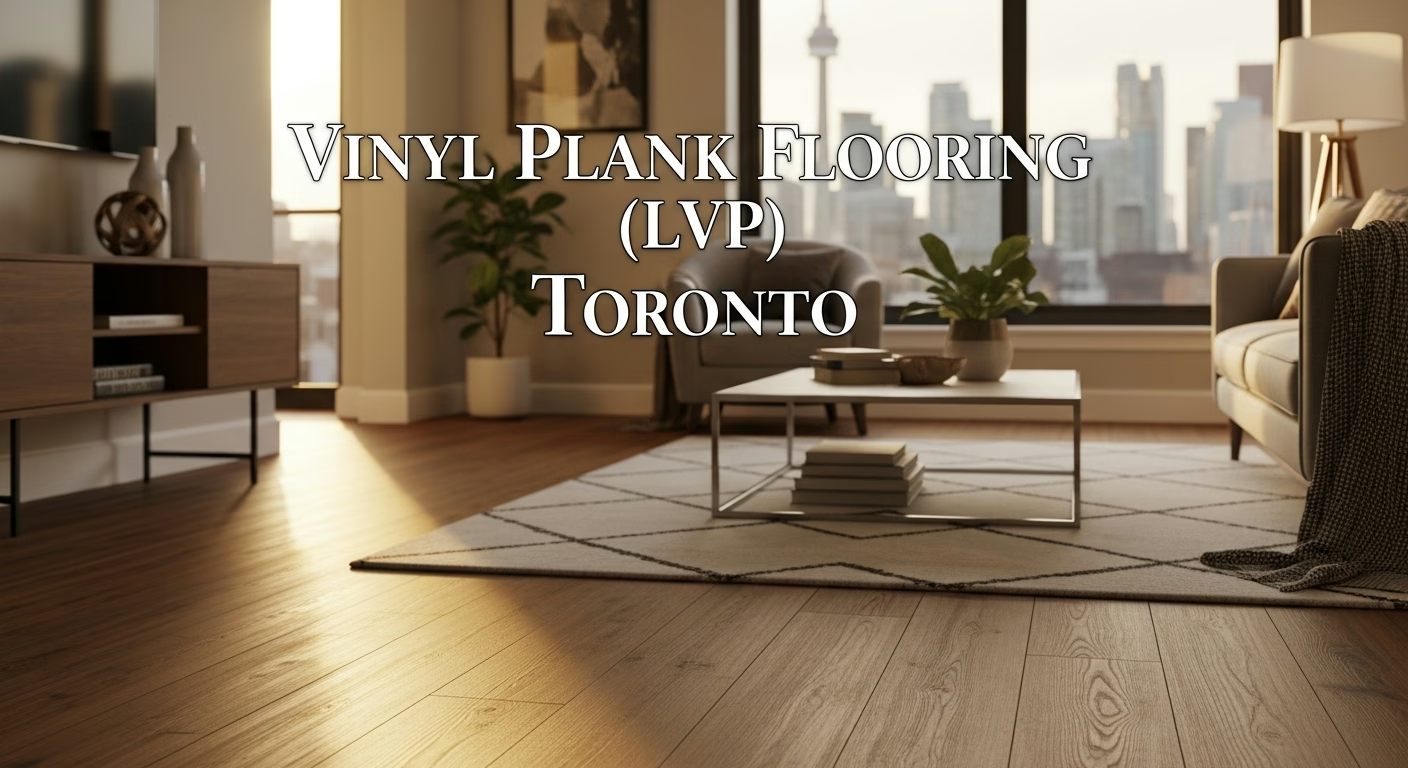
Two of the most popular flooring options for GTA homeowners are luxury vinyl plank (LVP) and laminate. Both look great and are budget-friendly — but they perform very differently depending on where you install them.
What's the Actual Difference?
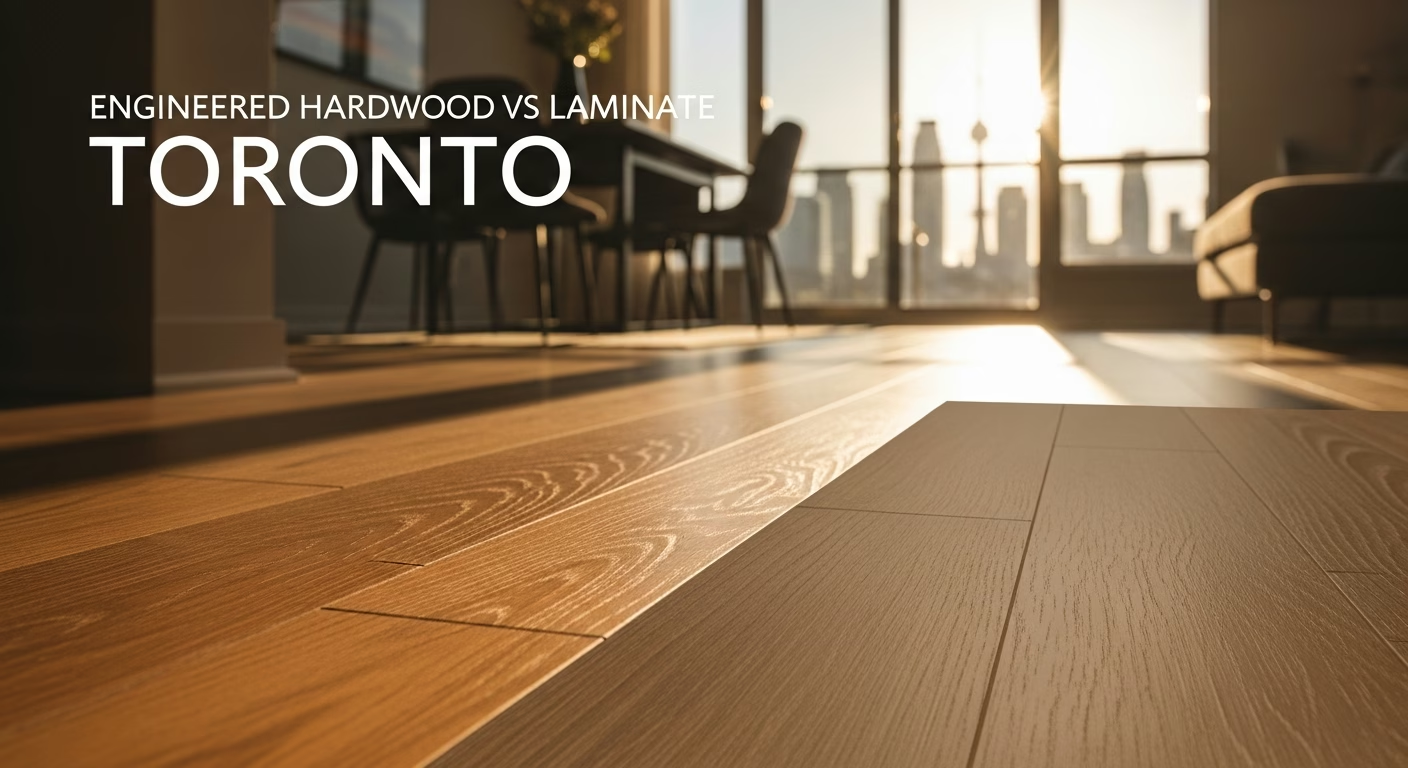
Vinyl plank (LVP) is made from synthetic PVC layers and is 100% waterproof. Laminate has a fiberboard core with a photographic top layer — it looks like hardwood but is vulnerable to moisture damage.Head-to-Head Comparison
Moisture Resistance
- Vinyl: Winner. Completely waterproof. Safe for basements, kitchens, bathrooms, and laundry rooms.
- Laminate: Water-*resistant* at best. Prolonged moisture causes the fiberboard core to swell and warp permanently.
For Toronto homes — especially basements prone to seasonal moisture and humidity — this is a critical difference.
Durability & Scratch Resistance
- Laminate generally has a harder surface and resists scratches better. Good for homes with large dogs.
- Vinyl is softer and more forgiving underfoot but can dent from heavy furniture.
Feel & Comfort
- Vinyl is warmer and quieter underfoot — a real advantage in Toronto winters on cold concrete subfloors.
- Laminate can feel hollow and is noticeably louder without quality underlayment.
Installation
Both offer click-lock floating installation. However:
- Vinyl is more flexible and forgiving on slightly uneven subfloors
- Laminate requires a flatter surface — more than 3mm variation per 6 feet causes problems
Lifespan
- Quality LVP: 15–25 years
- Quality laminate: 15–25 years
- Both depend heavily on the product grade — cheap versions of either will disappoint
Where to Use Each
| Room | Best Choice |
|---|---|
| Basement | Vinyl (moisture) |
| Kitchen | Vinyl (spills) |
| Bathroom | Vinyl only |
| Living room | Either |
| Bedrooms | Either (laminate feels more "hardwood") |
| Mudroom/entry | Vinyl (salt, snow, water) |
GTA-Specific Advice
Toronto's freeze-thaw cycles mean basements and grade-level entries deal with condensation and moisture regularly. If your subfloor is concrete — especially in older homes in Scarborough, Etobicoke, or North York — vinyl is the safer choice.
For upper floors and bedrooms, laminate gives you that hardwood look and feel at a lower price point.
Need professional flooring installation?
Call RenoHouse at 1-289-212-2345 or get a free estimate today.
Get Free Estimate →What RenoHouse Recommends
We install both vinyl and laminate throughout the GTA. For most Toronto homeowners, we find LVP offers the best value and peace of mind, especially in moisture-prone areas. For bedrooms and upper floors, quality laminate is a great option.
Ready to update your floors? Contact RenoHouse for a free estimate — we'll help you choose the right flooring for every room in your home.Ontario Building Code Requirements
Any renovation project in the GTA must comply with the Ontario Building Code (OBC). This applies whether you're in Toronto, Mississauga, Brampton, or any other municipality. Key requirements include:
- Building permits are required for structural changes, plumbing modifications, electrical work, and HVAC alterations
- ESA permits are mandatory for any electrical work — your contractor must be a Licensed Electrical Contractor (LEC) in Ontario
- Plumbing permits through your local municipality for any new plumbing rough-ins or relocations
- Inspections at various stages — rough-in, insulation, and final inspection before closing walls
- Fire safety — smoke detectors on every level, carbon monoxide detectors near sleeping areas (Ontario law since 2015)
Failing to pull permits can result in fines, insurance issues, and problems when selling your home. Always verify your contractor handles permits as part of the project scope.
GTA Regional Considerations
The Greater Toronto Area spans dozens of municipalities, each with unique housing stock and renovation considerations:
- Toronto (Old Toronto, Midtown) — Many homes built pre-1950 with knob-and-tube wiring, galvanized plumbing, and plaster walls. Renovations often uncover issues requiring additional remediation
- Scarborough & Etobicoke — Primarily 1950s–1970s bungalows and split-levels. Common issues include outdated electrical panels (60-amp service), original windows, and aging drainage systems
- North York — Mix of post-war homes and newer builds. Many homeowners are upgrading original finishes from the 1980s–1990s
- Mississauga & Brampton — Rapid growth areas with homes from the 1980s–2000s. Common projects include basement finishing, kitchen updates, and exterior refreshes
- Vaughan & Richmond Hill — Newer subdivisions often need cosmetic updates rather than structural work. Builder-grade finishes are frequently upgraded within 5–10 years
- Markham — Similar to Vaughan with many newer communities. Heritage areas in old Markham Village may have specific design requirements
- Oakville — Higher-end homes with premium finish expectations. Many lakefront properties have specific moisture and drainage considerations
Understanding your neighbourhood's typical home age and construction type helps set realistic expectations for scope and budget.
Understanding Renovation Costs in Ontario (2025–2026)
Renovation costs in the GTA vary significantly based on scope, materials, and labour. Here are some general factors that affect pricing:
- Labour rates — Skilled trades in the GTA command competitive rates due to high demand. Licensed plumbers, electricians, and general contractors reflect the cost of insurance, WSIB, and licensing
- Material costs — Supply chain improvements have stabilized some material prices, but premium materials (natural stone, custom cabinetry) remain at a premium
- Scope creep — Budget 10–15% contingency for unexpected discoveries behind walls (water damage, outdated wiring, asbestos in older homes)
- Seasonal pricing — Late fall and winter months (November–February) are typically slower seasons when some contractors offer better rates
- Economies of scale — Bundling multiple projects (e.g., kitchen + bathroom, or full-home painting) often reduces per-project costs
For accurate pricing tailored to your specific project, request a detailed quote with itemized breakdowns. Avoid contractors who only provide lump-sum estimates without explaining what's included.
What a Typical Project Looks Like: Before & After
Before: A homeowner in Toronto contacts us about their outdated space. Common issues include worn finishes, inefficient layouts, aging fixtures, and cosmetic damage from years of use. Many homes across Mississauga, Brampton, and Vaughan face similar challenges — especially homes built in the 1980s and 1990s that are now showing their age. During the project: Our team provides a detailed scope of work, handles all permit applications (where required), coordinates trades, and keeps homeowners updated throughout the process. Most projects follow a predictable sequence: demolition → rough-ins (plumbing, electrical) → framing → insulation → drywall → finishing → fixtures → final touches. After: The completed project transforms the space with modern finishes, improved functionality, and increased home value. Many of our clients in Markham, Oakville, and Richmond Hill report that their renovation was the best investment they've made in their home.Sources & References
Authoritative sources cited in this guide:
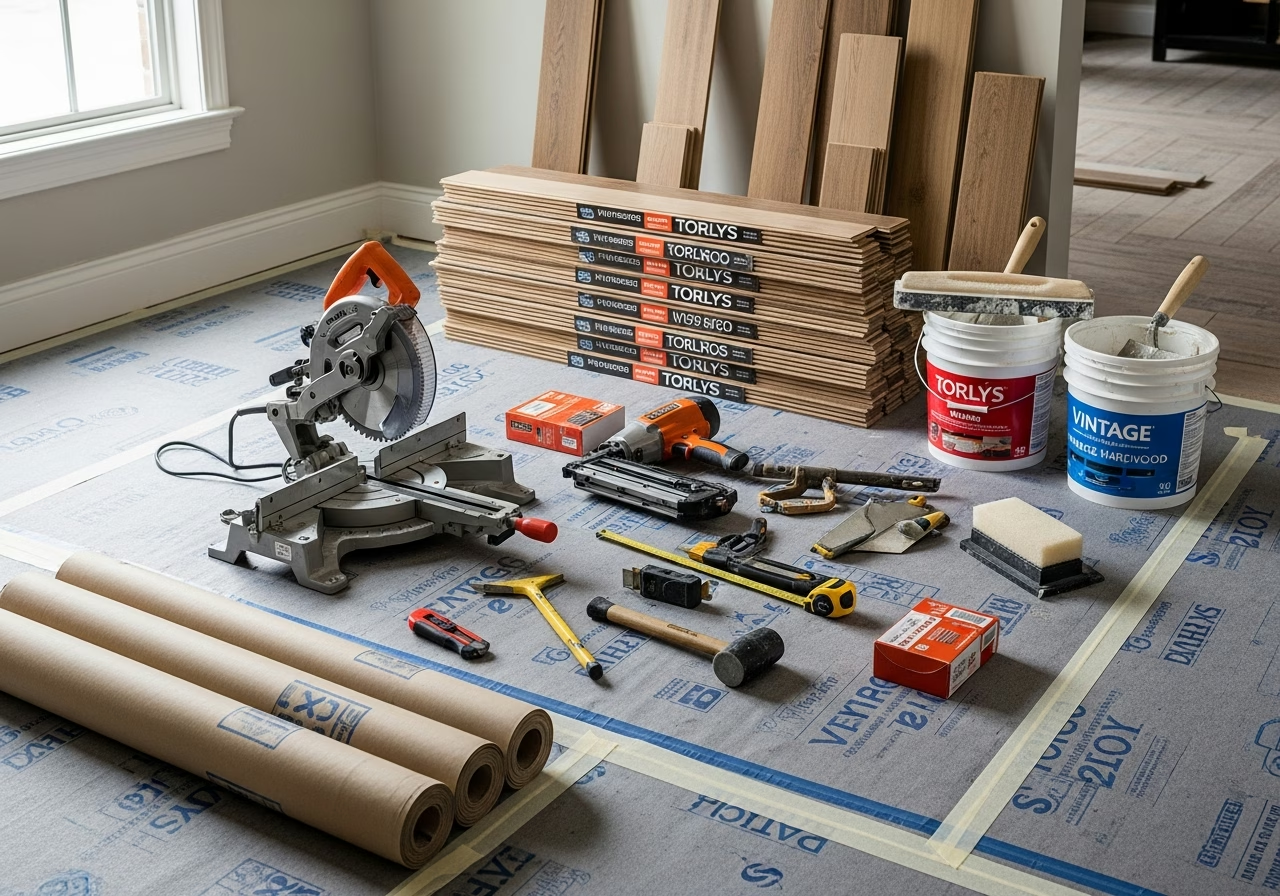
- Ontario Building Code 9.30 — Flooring standards
- ENERGY STAR Canada — Underlay efficiency
Continue Reading
- Carpet vs Hardwood vs Laminate: Complete Flooring Comparison
- Best Flooring Options for Toronto Basements (Moisture-Proof
- Laminate Flooring Installation Guide Toronto
Related Services