RenoHouse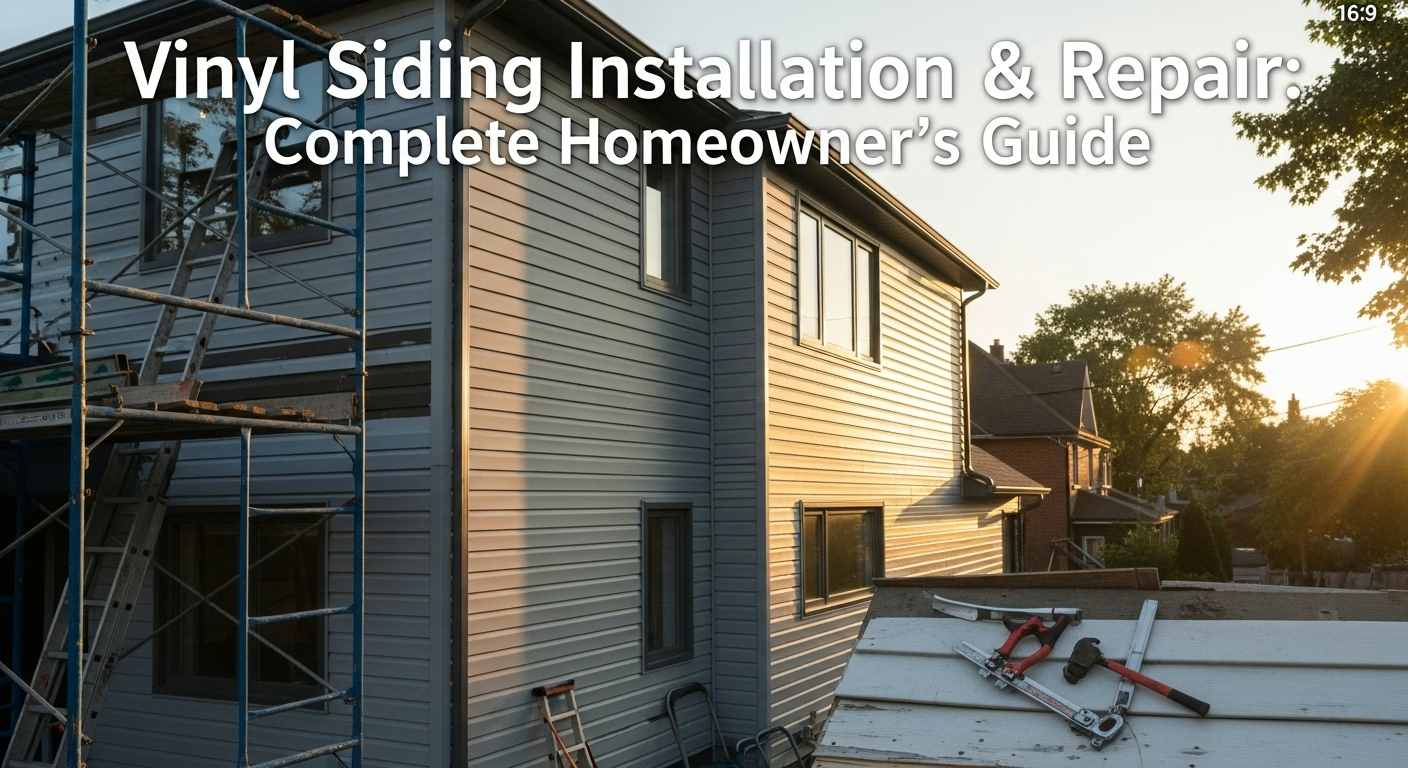

Vinyl Siding Installation & Repair: Complete Homeowner's Guide
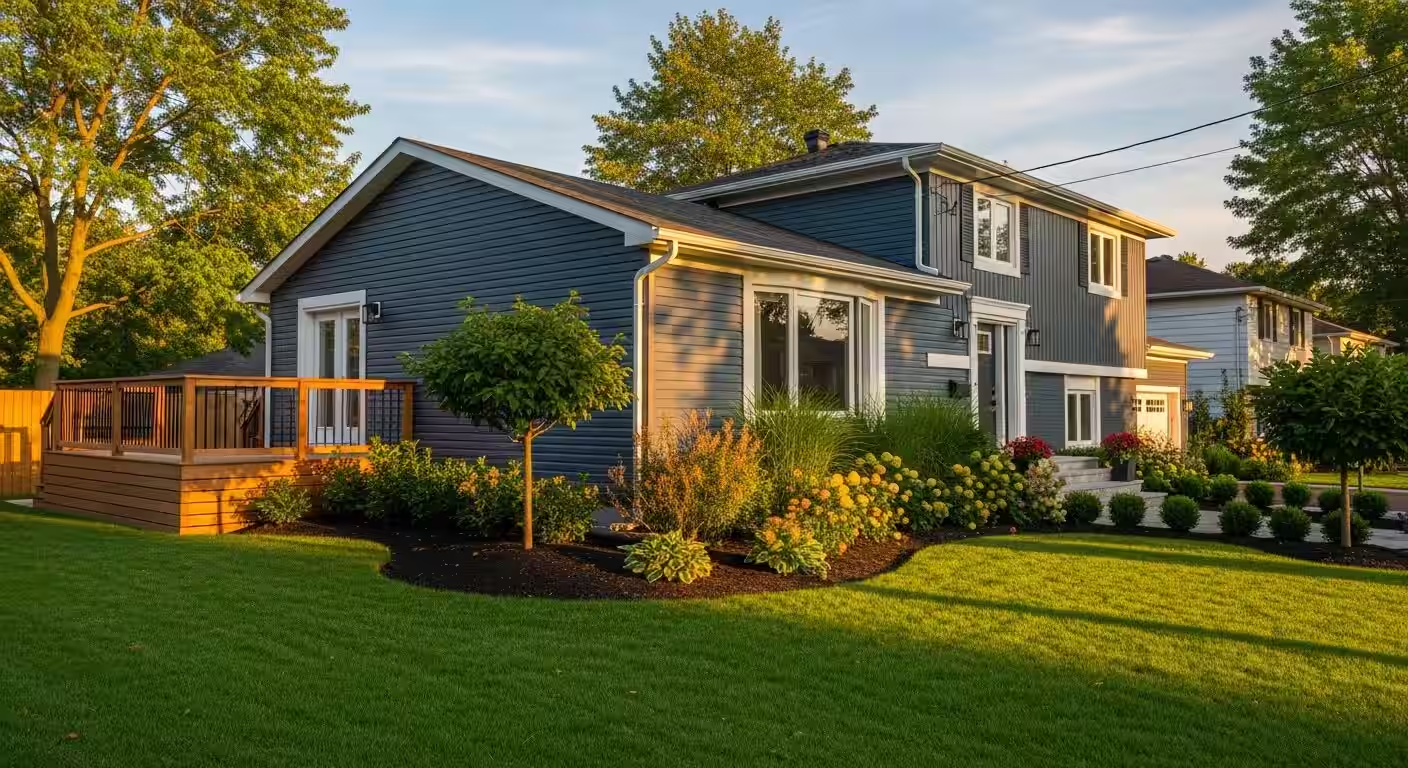
Vinyl siding is the most common exterior cladding on GTA homes built since the 1980s. It's affordable, low-maintenance, and comes in countless colours and styles. But it doesn't last forever, and Toronto's climate puts it through serious stress.
Signs Your Siding Needs Attention
Repair May Be Enough If:
- A few panels are cracked or broken (impact damage, hail)
- One section is loose or has come unhooked from wind
- Minor fading in isolated areas
- Small holes from woodpeckers or impacts
Replacement Is Likely Needed If:
- Widespread warping, buckling, or waviness
- Panels are brittle and crack when you press on them (UV degradation)
- You see mold, rot, or moisture damage on the sheathing underneath
- Fading is severe and uneven across the whole house
- Energy bills have increased (insulation behind siding may be failing)
Repair Basics
Vinyl siding is designed to be repairable. Individual panels snap out and replacement panels snap in. The challenges:
- Colour matching — manufacturers discontinue colours regularly. Siding from 10+ years ago likely won't match current stock exactly.
- Brittleness in cold weather — vinyl becomes rigid below freezing. Repairs in Toronto's winter months require extra care to avoid cracking adjacent panels.
- Finding the source — visible damage is often just a symptom. Water infiltration behind siding can cause serious sheathing and framing damage.
What's Behind Your Siding?
When replacing siding, it's the perfect time to assess what's underneath:
- House wrap / moisture barrier — should be intact and properly overlapped
- Insulation — adding rigid foam insulation board before new siding dramatically improves energy efficiency
- Sheathing condition — look for rot, mold, or pest damage
Many older GTA homes have inadequate insulation behind their siding. A full re-side is the most cost-effective time to upgrade.
Vinyl Siding and Ontario Weather
Toronto's climate is particularly demanding on vinyl siding:
- Freeze-thaw cycles cause expansion and contraction — panels must be installed with room to move (never nail tight)
- UV exposure degrades vinyl over 15–25 years
- Wind-driven rain can penetrate behind panels if they're improperly installed or warped
- Ice and snow buildup can crack brittle older siding
Maintenance Tips
Vinyl siding is low-maintenance but not no-maintenance:
Need professional exterior renovation?
Call RenoHouse at 1-289-212-2345 or get a free estimate today.
Get Free Estimate →- Wash annually with a garden hose and soft brush (or pressure washer on low setting)
- Inspect after major storms for loose or cracked panels
- Keep vegetation trimmed back — plants trap moisture against siding
- Clean mildew with a water/vinegar solution
Professional Installation Matters
Proper vinyl siding installation requires attention to:
- Correct overlap and nailing patterns
- Expansion gaps at trim and corners
- Proper flashing around windows and doors
- Adequate ventilation behind the siding
Poor installation leads to buckling, water infiltration, and premature failure.
Get a Siding Assessment
Not sure whether your siding needs spot repairs or full replacement? RenoHouse provides free exterior assessments throughout the GTA.
Contact us today — we'll inspect your siding and give you honest advice on the most cost-effective solution.Ontario Building Code Requirements
Any renovation project in the GTA must comply with the Ontario Building Code (OBC). This applies whether you're in Toronto, Mississauga, Brampton, or any other municipality. Key requirements include:
- Building permits are required for structural changes, plumbing modifications, electrical work, and HVAC alterations
- ESA permits are mandatory for any electrical work — your contractor must be a Licensed Electrical Contractor (LEC) in Ontario
- Plumbing permits through your local municipality for any new plumbing rough-ins or relocations
- Inspections at various stages — rough-in, insulation, and final inspection before closing walls
- Fire safety — smoke detectors on every level, carbon monoxide detectors near sleeping areas (Ontario law since 2015)
Failing to pull permits can result in fines, insurance issues, and problems when selling your home. Always verify your contractor handles permits as part of the project scope.
GTA Regional Considerations
The Greater Toronto Area spans dozens of municipalities, each with unique housing stock and renovation considerations:
- Toronto (Old Toronto, Midtown) — Many homes built pre-1950 with knob-and-tube wiring, galvanized plumbing, and plaster walls. Renovations often uncover issues requiring additional remediation
- Scarborough & Etobicoke — Primarily 1950s–1970s bungalows and split-levels. Common issues include outdated electrical panels (60-amp service), original windows, and aging drainage systems
- North York — Mix of post-war homes and newer builds. Many homeowners are upgrading original finishes from the 1980s–1990s
- Mississauga & Brampton — Rapid growth areas with homes from the 1980s–2000s. Common projects include basement finishing, kitchen updates, and exterior refreshes
- Vaughan & Richmond Hill — Newer subdivisions often need cosmetic updates rather than structural work. Builder-grade finishes are frequently upgraded within 5–10 years
- Markham — Similar to Vaughan with many newer communities. Heritage areas in old Markham Village may have specific design requirements
- Oakville — Higher-end homes with premium finish expectations. Many lakefront properties have specific moisture and drainage considerations
Understanding your neighbourhood's typical home age and construction type helps set realistic expectations for scope and budget.
Understanding Renovation Costs in Ontario (2025–2026)
Renovation costs in the GTA vary significantly based on scope, materials, and labour. Here are some general factors that affect pricing:
- Labour rates — Skilled trades in the GTA command competitive rates due to high demand. Licensed plumbers, electricians, and general contractors reflect the cost of insurance, WSIB, and licensing
- Material costs — Supply chain improvements have stabilized some material prices, but premium materials (natural stone, custom cabinetry) remain at a premium
- Scope creep — Budget 10–15% contingency for unexpected discoveries behind walls (water damage, outdated wiring, asbestos in older homes)
- Seasonal pricing — Late fall and winter months (November–February) are typically slower seasons when some contractors offer better rates
- Economies of scale — Bundling multiple projects (e.g., kitchen + bathroom, or full-home painting) often reduces per-project costs
For accurate pricing tailored to your specific project, request a detailed quote with itemized breakdowns. Avoid contractors who only provide lump-sum estimates without explaining what's included.
Sources & References
Authoritative sources cited in this guide:
- Toronto Building Permits — Permit info
- Ontario Building Code 9.27 (Cladding) — Exterior cladding standards
Continue Reading
- Gutter Installation & Replacement Cost in Ontario
- Home Exterior Guide Toronto| Siding, Deck, Gutter & Curb Appeal
- Pressure Washing Your Home: When, Why & How Often

Related Services