RenoHouse

# Plumbing Permit Requirements Ontario 2026 — When You Need One and How to Get It
Quick answer. Plumbing permits exist to protect you. They ensure that plumbing work meets the Ontario Building Code, is inspected by a qualified official, and will not cause health hazards, water damage, or code violations down the road. Yet many homeowners either do not know when permits are required or are tempted to skip them to save money.Plumbing permits exist to protect you. They ensure that plumbing work meets the Ontario Building Code, is inspected by a qualified official, and will not cause health hazards, water damage, or code violations down the road. Yet many homeowners either do not know when permits are required or are tempted to skip them to save money. This guide explains everything you need to know about plumbing permits in Ontario for 2026. For a complete overview of plumbing services and costs, see our Complete Guide to Plumbing Services in Toronto GTA 2026.
When You Need a Plumbing Permit in Ontario
Under the Ontario Building Code (OBC), a plumbing permit is required for any work that involves:
New Installation or Relocation of Fixtures
- Adding a new toilet, sink, shower, bathtub, or laundry tub
- Relocating an existing fixture to a different position
- Adding plumbing to a new room (basement bathroom, kitchen island sink)
Supply and Drainage Line Modifications
- Extending or rerouting water supply lines
- Modifying or extending drain, waste, and vent (DWV) pipes
- Connecting new fixtures to existing supply or drain lines
Water Heater Work
- Installing a new water heater or hot water tank
- Replacing a water heater with a different type (tank to tankless, or vice versa)
- Note: like-for-like replacement may or may not require a permit depending on your municipality — always check
Sewer and Water Service Connections
- Connecting to the municipal sewer system
- Connecting to the municipal water supply
- Replacing the water service line from the street to your home
- Sump pump installation with new discharge routing
Backwater Valve Installation
- Required by the City of Toronto for basement flooding protection grant eligibility
- Even without the grant, installation requires a permit and inspection
Sump Pump Installation
- If the installation involves new discharge piping through the foundation wall or connection to the storm sewer, a permit is required.
- See our sump pump installation guide for details.
When You Do NOT Need a Plumbing Permit
The following work is generally exempt from permit requirements in Ontario:
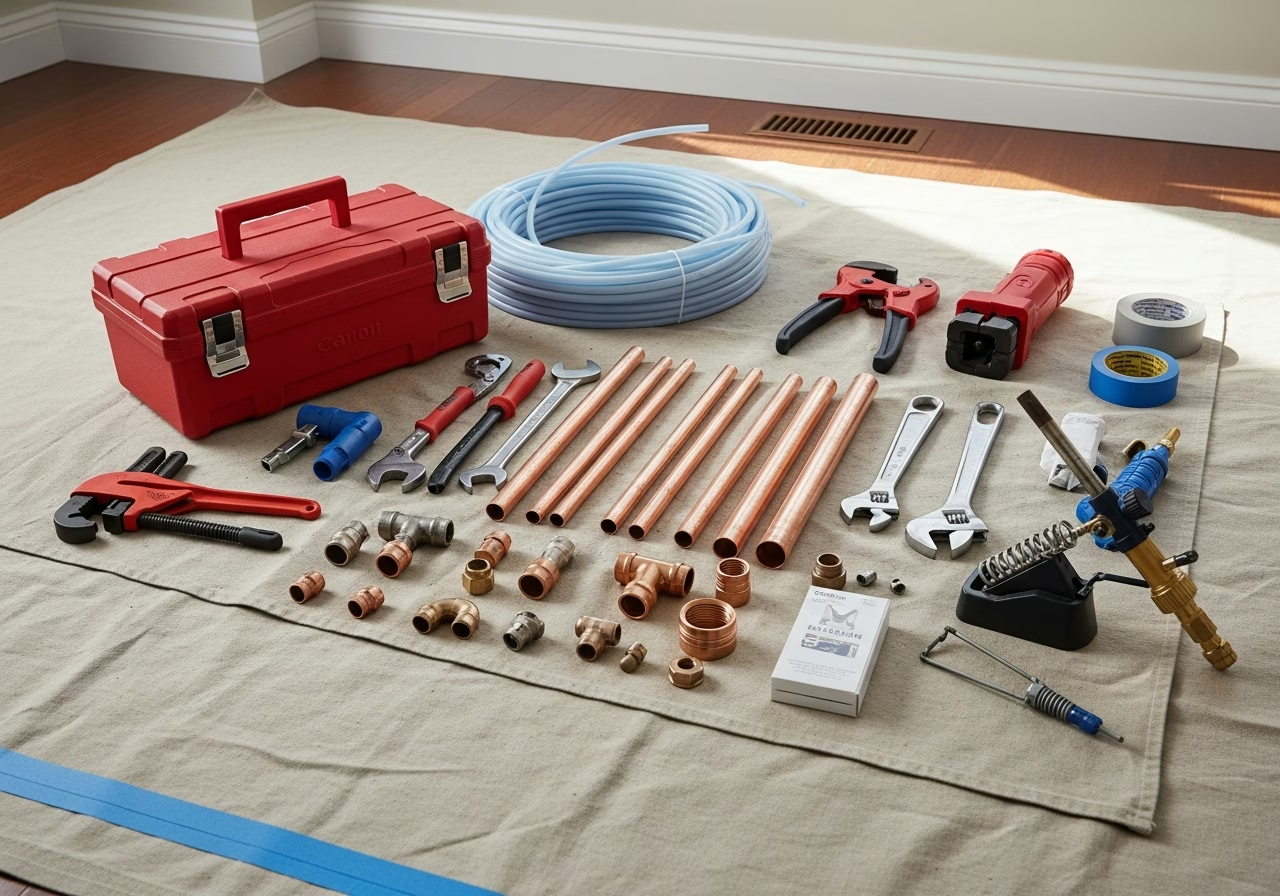
- Like-for-like fixture replacement — Swapping an old toilet for a new one in the same location, replacing a faucet, or replacing a showerhead
- Clearing a drain clog — Snaking, hydro-jetting, or chemical treatment of existing drains
- Minor leak repair — Fixing a leaking joint, replacing a washer, tightening a connection
- Replacing shut-off valves — Swapping existing valves in the same location
- Replacing a water heater with the same type — In most GTA municipalities, replacing a 50-gallon tank with another 50-gallon tank in the same location does not require a permit (but check with your municipality to confirm)
- Outdoor hose bib replacement — Replacing an existing exterior faucet
How to Apply for a Plumbing Permit
Step 1: Choose a Licensed Plumber
In Ontario, plumbing permits must be obtained by or on behalf of the property owner. In practice, your licensed plumber handles the application as part of the job. Make sure your plumber is willing to pull permits — if they are not, that is a red flag. See our guide to finding a reliable plumber.
Step 2: Submit the Application
Applications are submitted to your local municipal building department:
- City of Toronto: Apply online through the Toronto Building portal or in person at a building permit office
- Mississauga, Brampton, Markham, Vaughan, etc.: Each municipality has its own building department and application process
The application typically requires:
- Property address and owner information
- Description of the proposed plumbing work
- A sketch or plan showing the location of new or modified plumbing
- Your plumber's licence information
Step 3: Pay the Fee
| Municipality | Typical Permit Fee |
|---|---|
| City of Toronto | $120–$300 |
| Mississauga | $100–$250 |
| Brampton | $100–$250 |
| Markham | $100–$200 |
| Vaughan | $100–$250 |
Fees vary based on the scope of work. Most municipalities charge a base fee plus additional fees per fixture or per the value of the work.
Step 4: Begin Work (After Permit Is Issued)
Do not start work before the permit is issued. Your plumber may do prep work (purchasing materials, protecting the area), but the actual plumbing modification must wait for the permit.
Step 5: Schedule Inspections
Most plumbing permits require two inspections:
Need professional plumbing?
Call RenoHouse at 289-212-2345 or get a free estimate today.
Get Free Estimate →- 1. Rough-in inspection — After new pipes are installed but before walls are closed. The inspector verifies pipe sizing, slope, venting, and connections meet code.
- 2. Final inspection — After fixtures are installed and operational. The inspector tests for leaks, verifies proper drainage, and confirms the work matches the permitted plans.
Step 6: Close the Permit
Once the final inspection passes, the permit is closed. Keep a copy of the closed permit for your records — you will need it when selling the home.
Consequences of Skipping Permits
Homeowners who skip plumbing permits face serious risks:
Insurance Issues
If unpermitted plumbing work causes a flood, leak, or water damage, your home insurance company may deny the claim. This can mean tens of thousands of dollars in uninsured losses.
Resale Problems
Home inspectors routinely flag unpermitted work. Buyers may demand a price reduction, require the work to be brought up to code, or walk away from the deal entirely.
Municipal Enforcement
If your municipality discovers unpermitted work (through a complaint, a future permit application, or a routine inspection), they can:
- Issue a stop-work order
- Require you to open walls for inspection at your expense
- Charge retroactive permit fees (often double the original fee)
- Issue fines — in Toronto, fines for unpermitted work can reach several thousand dollars
- Require removal and redo of non-compliant work
Safety Risks
The Ontario Building Code exists because bad plumbing can cause:
- Sewage backup into your home
- Cross-contamination of drinking water
- Gas leaks (if gas lines are involved)
- Structural water damage
- Mold growth from hidden leaks
Special Cases
Basement Apartment Conversions
Converting a basement to a legal secondary suite requires extensive plumbing work (new bathroom, kitchen rough-in) and always requires permits. The City of Toronto has a specific secondary suite program with additional requirements. See our basement apartment conversion guide.
City of Toronto Basement Flooding Protection Program
The City offers grants of up to $3,400 per property for installing flood protection devices (backwater valves, sump pumps). A plumbing permit is required, and the work must be done by a licensed plumber. This is one of the best returns on investment for Toronto homeowners in flood-prone areas.
Heritage Properties
If your home is designated under the Ontario Heritage Act, additional approvals may be required for any exterior plumbing modifications.
Bottom Line
A plumbing permit costs $100 to $300 and takes a few days to obtain. The consequences of skipping it — denied insurance claims, resale problems, fines, and safety risks — can cost thousands. Every reputable plumber in Toronto handles permits as a standard part of the job. If yours does not, find one who does.
Need permitted plumbing work in Toronto or the GTA? Call RenoHouse at 289-212-2345. We handle all permits and inspections as part of every project. For more on plumbing costs and services, see our plumber hourly rate guide.Sources & References
Authoritative sources cited in this guide:
- Toronto Sewer Use Bylaw 681 — Toronto plumbing/sewer regulations
- Ontario Building Code 7 (Plumbing) — OBC plumbing standards
- Health Canada — Drinking Water — Health Canada drinking water guidelines
- CSA B149.1 Natural Gas Code — Canadian gas installation code
Continue Reading
- Renovation Permits Toronto— What You Need, Costs & How to Apply
- Complete Guide to Plumbing Services in Toronto GTA 2026
- 24 Hour Emergency Plumber: When to Call & What to Expect
Related Services
Frequently Asked Questions
What plumbing work requires a permit in Ontario?
In Ontario, you need a permit for major plumbing work including installing new fixtures, replacing water service lines, modifying drainage systems, and relocating pipes. Toronto requires permits for hot water tank installations above a certain capacity. Repairs, maintenance, and replacing fixtures in their original locations do not require permits. Contact your licensed plumber to confirm permit requirements for your specific project. When in doubt, reach out to your local building department.
How much does a plumbing permit cost in Toronto?
Plumbing permit costs in Toronto range from $150 to $400 depending on project scope and complexity. Simple fixture replacements cost less than major renovations involving multiple systems. Verify exact fees through your local building department before starting work. Some suburban GTA municipalities charge differently. If your contractor applies on your behalf, expect to pay an additional $200–$500 for their permit application service.
How long does it take to get a plumbing permit approved?
Most Ontario plumbing permits are approved within 5 to 10 business days of application. Complex projects involving multiple systems or major renovations take 2 to 3 weeks. Toronto's online permit system accelerates approval for straightforward applications. Once approved, you have a specific timeframe—often 1 year—to complete the work before the permit expires. Incomplete applications and requests for revisions extend the timeline.
What does a plumbing permit inspection involve?
A licensed building inspector verifies that work meets the Ontario Building Code. In Toronto, qualified inspectors examine pipe materials, connection quality, proper venting, backflow prevention, and confirm no cross-contamination between potable and wastewater systems. Projects require a rough-in inspection during work and a final inspection upon completion. Inspectors test water pressure and drainage flow rates for compliance verification. Work that fails inspection must be corrected before permit approval.