RenoHouse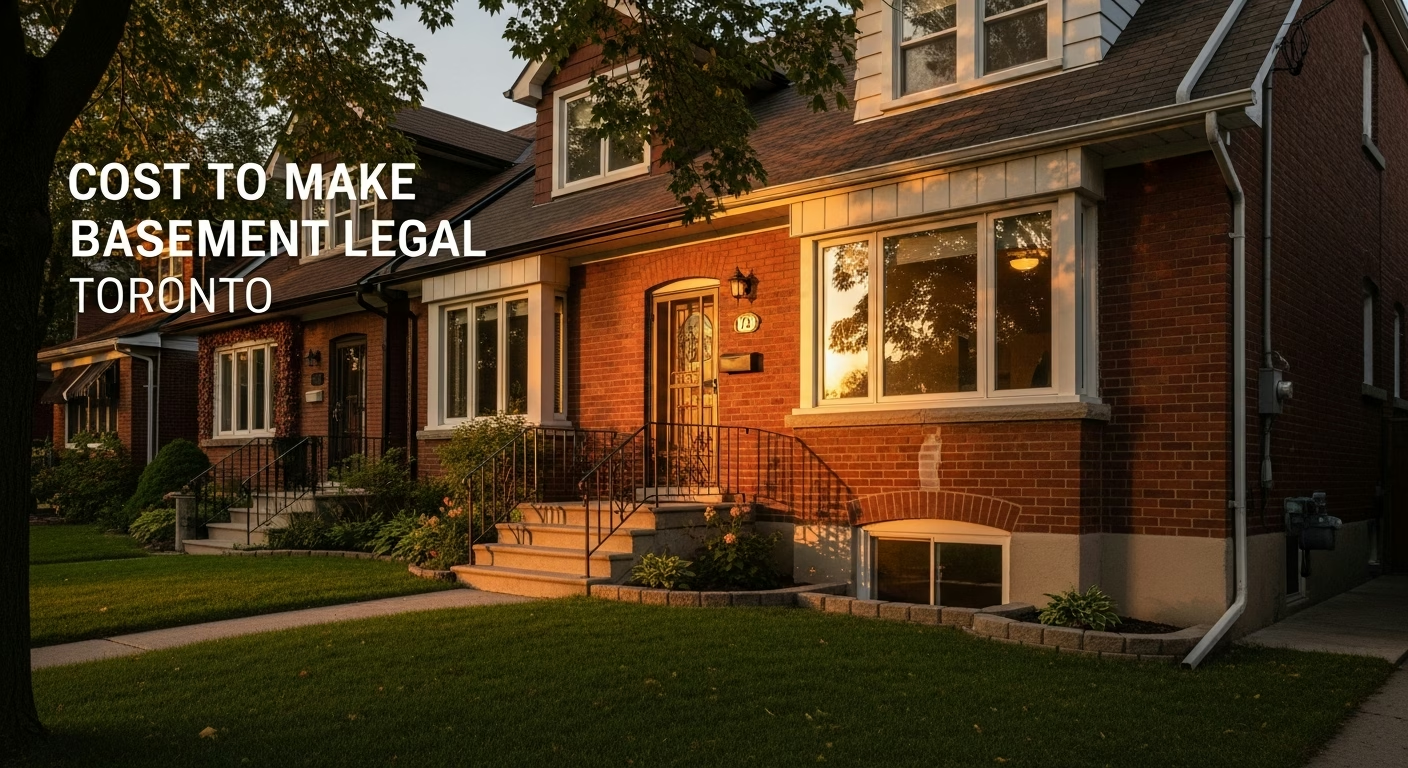

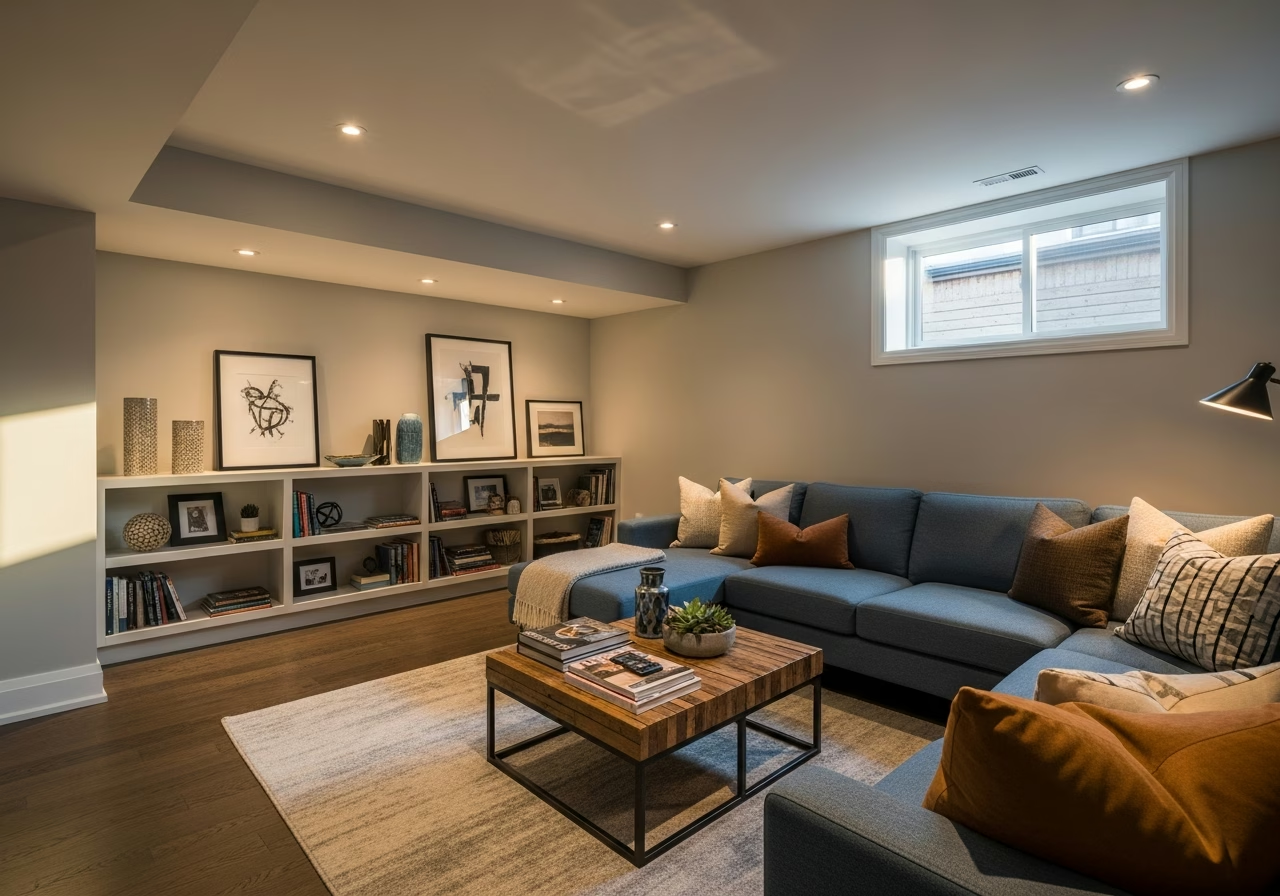
Converting a basement into a legal apartment is one of the highest-return home improvements a Toronto homeowner can make — and in 2026, the demand for rental housing makes it smarter than ever. If you're planning a full basement renovation, this guide covers the specific costs, legal requirements, and financial upside of creating a registered secondary suite. For a broader overview of basement finishing, see our Complete Basement Renovation Guide Toronto 2026.
A legal basement apartment in the Greater Toronto Area generates $1,200 to $2,000 per month in rental income depending on location, size, and finishes. At that rate, most homeowners recoup the conversion cost within 3 to 5 years — while also adding $50,000 to $100,000 or more to their property value.
But the "legal" part matters. An unregistered or non-compliant suite exposes you to fines, insurance denial, and liability. Toronto has specific rules, and the City is cracking down on illegal suites more aggressively than ever. Here's everything you need to know.
---
Cost Breakdown
A full basement apartment conversion in Toronto typically costs $50,000 to $80,000 CAD in 2026. This is significantly more than a basic basement finish because you're building what is essentially a self-contained dwelling within your existing home.
Where the Money Goes
| Category | Estimated Cost (CAD) | Notes |
|---|---|---|
| Separate entrance | $5,000–$12,000 | Excavation, concrete steps, door, canopy |
| Kitchen | $8,000–$15,000 | Cabinets, counters, sink, appliances, plumbing |
| Bathroom | $6,000–$12,000 | Full 3-piece or 4-piece, rough-in if needed |
| Fire separation | $3,000–$6,000 | 1-hour fire-rated ceiling, self-closing doors |
| Electrical | $4,000–$8,000 | Sub-panel, dedicated circuits, smoke/CO detectors |
| Egress windows | $3,000–$6,000 | Code-compliant bedroom windows, window wells |
| Framing & drywall | $5,000–$10,000 | Walls, insulation, sound separation |
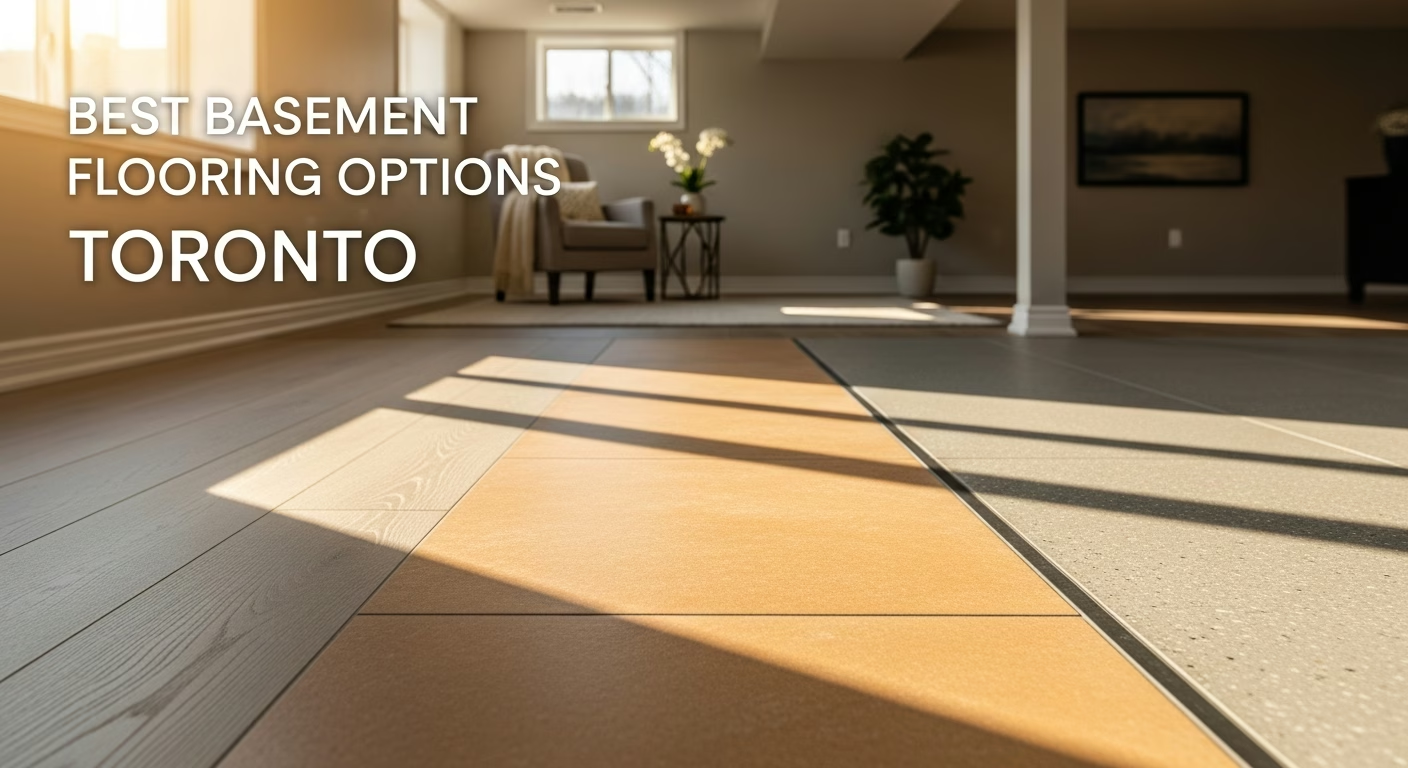
| Flooring | $2,000–$5,000 | LVP is the top choice for basements |
| HVAC | $2,000–$5,000 | Separate thermostat, ductwork extension or mini-split |
| Permits & fees | $2,000–$4,000 | Building permit, inspection fees, registration |
| Finishing | $2,000–$5,000 | Paint, trim, doors, hardware |
Factors That Push Costs Higher
- Underpinning: Ceiling below 6'5"? Lowering the slab adds $30,000–$80,000 before any finishing begins.
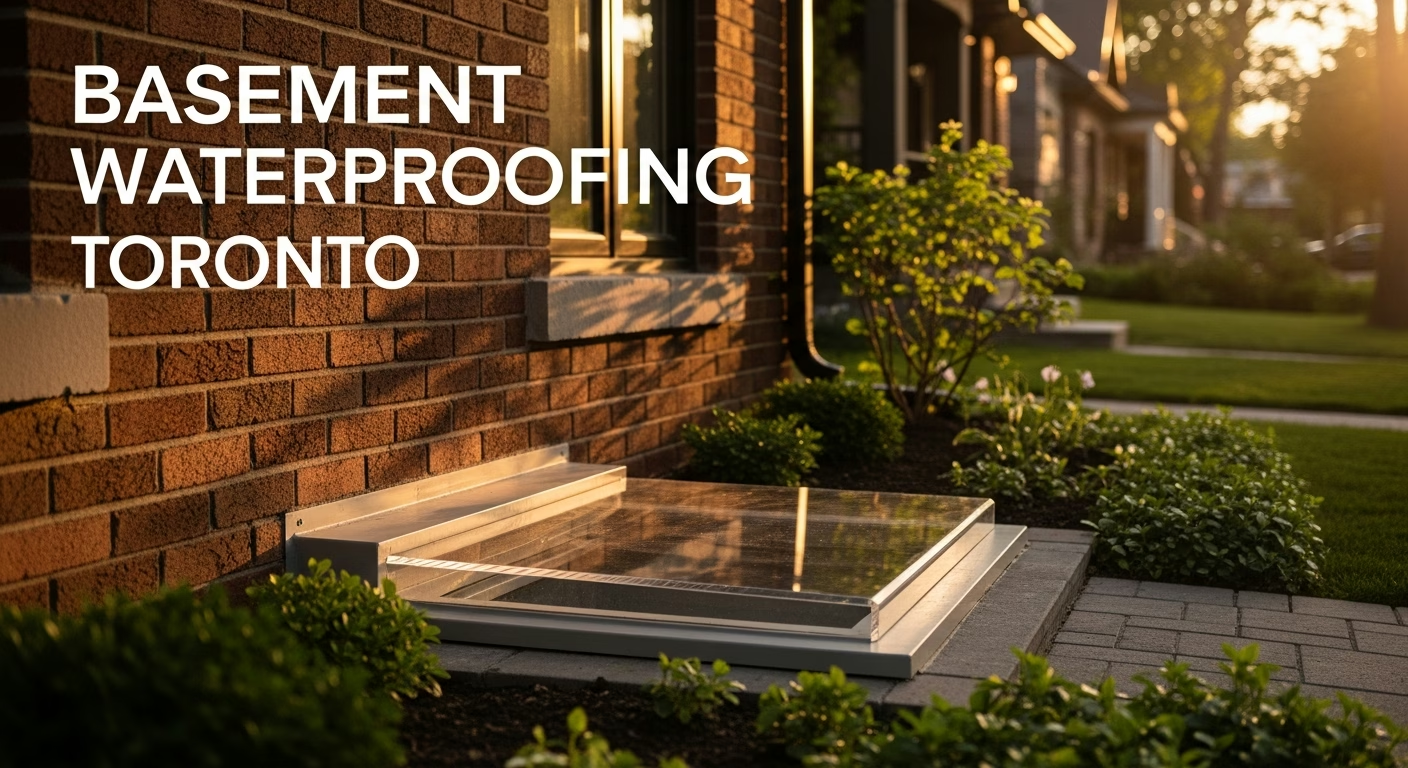
- Waterproofing: Older homes often need interior or exterior waterproofing first, adding $3,000–$20,000.
- Plumbing rough-in: No existing below-grade bathroom plumbing? Add $3,000–$6,000 for concrete cutting and drain connections.
Budget 10–15% above your quote for contingencies — basement conversions almost always uncover surprises behind walls.
---
Legal Requirements
The City of Toronto permits secondary suites (basement apartments) in most residential zones under the Ontario Planning Act and Toronto's Official Plan. However, your suite must meet specific requirements to be legal.
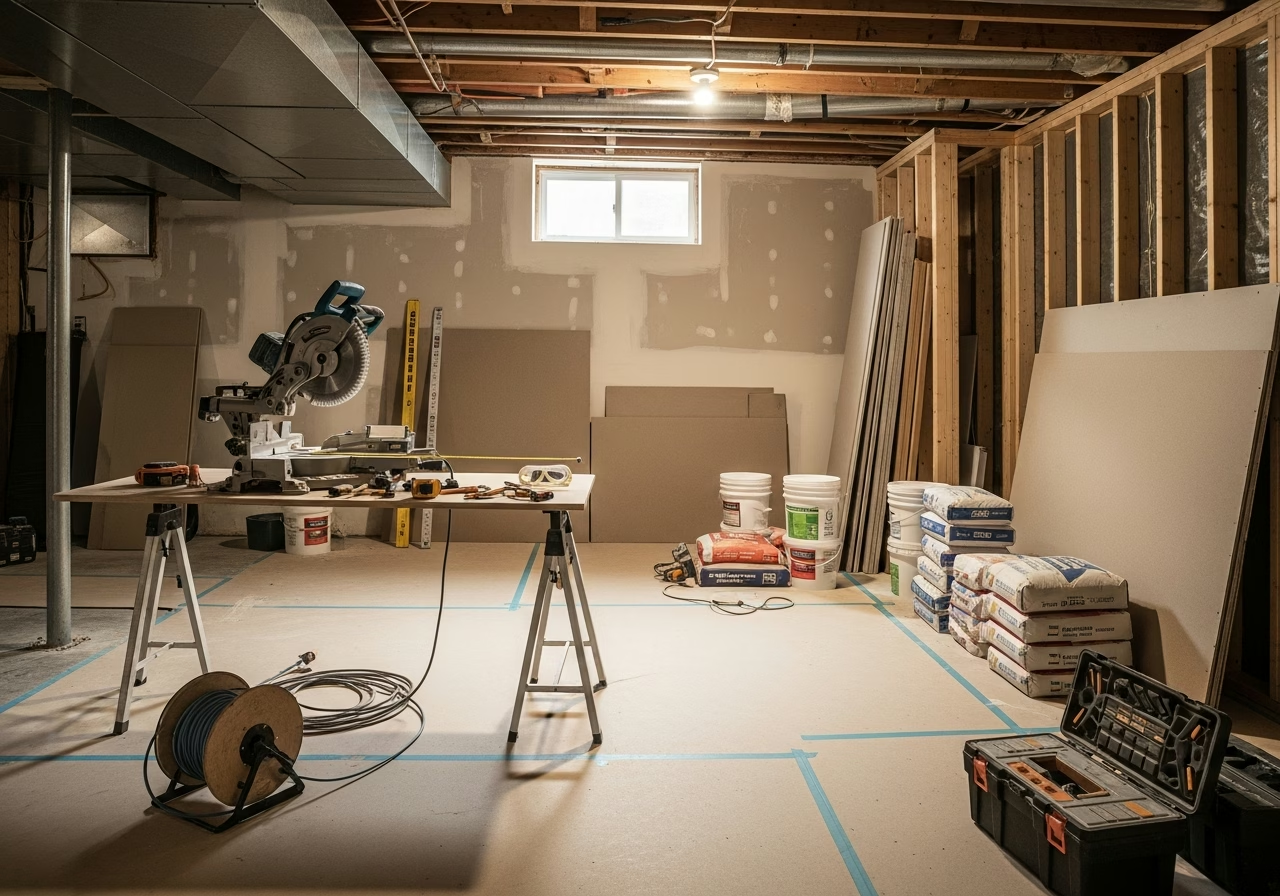
Key Requirements (Toronto 2026)
- 1. Ceiling height: Minimum 6 feet 5 inches (1.95 m) clear ceiling height throughout the unit. Rooms with ductwork or beams that reduce headroom below this threshold do not qualify.
- 2. Separate entrance: The unit must have its own entrance — either a separate exterior entrance or a shared interior entrance with a fire-separated corridor leading to each unit.
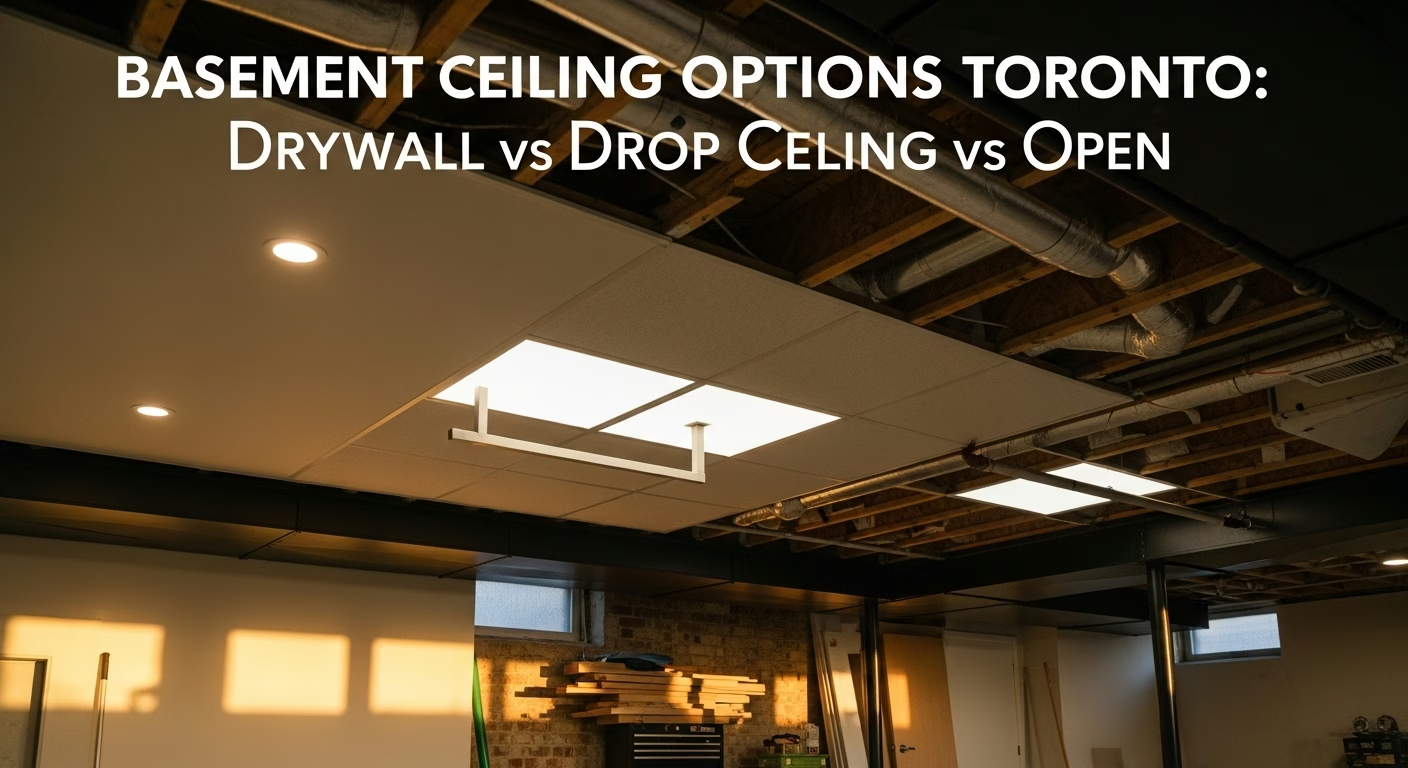
- 3. Fire separation: A 1-hour fire-rated separation between the primary dwelling and the secondary suite. This typically means Type X drywall on the ceiling between units, fire-rated doors, and self-closing hardware.
- 4. Egress windows: Every bedroom must have a window large enough for emergency escape — minimum 0.35 sq m (3.8 sq ft) of unobstructed opening, with no dimension less than 380 mm (15 inches).
- 5. Smoke and CO detectors: Interconnected smoke alarms on every level and in every bedroom. Carbon monoxide detectors near sleeping areas and fuel-burning appliances.
- 6. Kitchen and bathroom: The suite must have its own kitchen (with sink, cooking appliance, and refrigerator) and its own bathroom (at minimum a 3-piece with toilet, sink, and shower/tub).
- 7. Electrical: The suite should have its own electrical panel or sub-panel. All wiring must meet the Ontario Electrical Safety Code.
- 8. Parking: Toronto does not require an additional parking space for a secondary suite — this rule was eliminated to encourage more rental supply.
- 9. Only one secondary suite per property: You cannot have both a basement apartment and a laneway suite (as of early 2026 rules — check for updates).
---
Registration Process
Toronto requires all secondary suites to be registered with the City. Here's the step-by-step process:
Step 1: Building Permit Application
Apply for a building permit through the City of Toronto's online portal or at your local building department. You'll need:
- Architectural drawings showing the proposed layout
- Structural drawings (if modifying load-bearing elements)
- Mechanical, electrical, and plumbing plans
- A site plan showing the entrance location
Step 2: Inspections During Construction
The City will schedule inspections at key milestones:
- Framing inspection (before drywall)
- Rough-in electrical and plumbing
- Fire separation inspection
- Final inspection (occupancy)
Each inspection must pass before work continues. Budget 1–2 weeks of wait time per inspection into your timeline.
Need professional renovation?
Call RenoHouse at 1-289-212-2345 or get a free estimate today.
Get Free Estimate →Step 3: Register the Suite
After passing final inspection, register the secondary suite with the City of Toronto's RentSafeTO program (for buildings with 3+ units) or through the voluntary registration system for duplexes.
Timeline
From permit application to move-in ready, expect 4 to 6 months for a straightforward conversion. Complex projects (underpinning, major plumbing) can take 6 to 9 months.
---
Fire Safety
Fire safety is the single most critical aspect of a legal basement apartment. The Ontario Building Code requires:
- 1-hour fire-rated separation between the primary and secondary units. This is typically achieved with 5/8" Type X gypsum board on both sides of the ceiling joists, with fire-rated sealant around all penetrations (pipes, ducts, wires).
- Self-closing doors on all doors between the units, rated to at least 20 minutes.
- Interconnected smoke alarms — when one activates, all alarms in both units sound. Hardwired with battery backup.
- Carbon monoxide detectors near sleeping areas and adjacent to any fuel-burning appliance (furnace, water heater, gas fireplace).
- Fire extinguisher accessible in the suite's kitchen area (minimum 2A:10BC rating).
- Emergency egress: At least one egress window per bedroom, plus the separate entrance must provide a clear path to the exterior.
---
Rental Income Potential
Toronto's rental market remains exceptionally tight in 2026. Average rents for basement apartments across the GTA:
| Location | Bachelor/1-Bed Basement | 2-Bed Basement |
|---|---|---|
| Toronto (downtown core) | $1,500–$2,000/mo | $1,800–$2,400/mo |
| Toronto (inner suburbs) | $1,300–$1,700/mo | $1,500–$2,000/mo |
| Mississauga | $1,200–$1,600/mo | $1,400–$1,800/mo |
| Brampton / Vaughan | $1,100–$1,500/mo | $1,300–$1,700/mo |
| Markham / Richmond Hill | $1,200–$1,600/mo | $1,400–$1,800/mo |
| Ajax / Pickering / Oshawa | $1,000–$1,400/mo | $1,200–$1,600/mo |
These figures assume a clean, well-finished suite with modern kitchen and bathroom, good natural light, and a separate entrance. Premium finishes, in-suite laundry, and parking can push rents higher.
---
ROI Calculation
Let's work through a real-world example:
Scenario: You spend $65,000 converting your basement in Scarborough into a legal 1-bedroom apartment. You rent it for $1,400/month.| Metric | Value |
|---|---|
| Annual gross rental income | $16,800 |
| Less: vacancy (1 month/year) | –$1,400 |
| Less: maintenance & repairs | –$1,200 |
| Less: insurance increase | –$500 |
| Less: utilities (if included) | –$2,400 |
| Net annual income | $11,300 |
| Payback period | 5.75 years |
| Property value increase | $50,000–$80,000 |
If you factor in the property value increase, the effective ROI is even higher. Many Toronto homeowners see a total return of 120–150% when combining rental income with resale value gains.
---
Insurance & Tax
Insurance
You must notify your insurer before renting. Your standard homeowner's policy likely does not cover rental units — you'll need a landlord endorsement. Expect premiums to increase by $300–$800/year. Renting without notification means claims get denied. Require tenants to carry tenant's insurance ($20–$40/month).
Taxes (CRA)
Rental income from a basement apartment is taxable income that must be reported to the Canada Revenue Agency (CRA). Here's what Toronto landlords need to know:
- Report gross rental income on Line 12599 of your T1 return (Statement of Real Estate Rentals, Form T776).
- Deductible expenses include: mortgage interest (proportional to the rental portion of the home), property taxes (proportional), insurance, repairs and maintenance, advertising, utilities (if you pay them), and CCA (capital cost allowance — though claiming CCA can affect your principal residence exemption).
- HST: Residential rent is an exempt supply — you do not charge HST and cannot claim input tax credits on expenses related to the rental.
- Principal residence exemption: Renting part of your home does not automatically disqualify it from the principal residence exemption, provided the rental portion is ancillary to the main use as your home and you don't claim CCA on the rental portion. Consult an accountant.
- Municipal property tax: Adding a registered secondary suite may trigger a reassessment by MPAC, potentially increasing your property tax. The increase is typically modest ($200–$600/year).
---
FAQ
How much does it cost to convert a basement into an apartment in Toronto?
A legal basement apartment conversion in Toronto costs $50,000 to $80,000 CAD in 2026, depending on the existing condition of the basement, whether underpinning or waterproofing is needed, and the level of finishes. Budget an additional 10–15% for contingencies.
Do I need a permit for a basement apartment in Toronto?
Yes. You need a building permit from the City of Toronto, and the suite must pass multiple inspections before it can be legally occupied. Operating without a permit exposes you to fines and liability.
How much rent can I charge for a basement apartment in Toronto?
Legal basement apartments in the GTA rent for $1,200 to $2,000 per month for a one-bedroom unit, depending on location, size, and finishes. Two-bedroom suites command $1,400–$2,400/month.
Does a basement apartment increase my home's value?
Yes. A legal, registered secondary suite typically adds $50,000 to $100,000+ to a Toronto property's value, in addition to the ongoing rental income it generates.
Do I need to pay tax on basement apartment rental income?
Yes. Rental income must be reported to the CRA on your annual tax return. You can deduct proportional expenses (mortgage interest, property tax, insurance, repairs, utilities) to reduce your taxable rental income. Consult an accountant familiar with Ontario landlord taxation.
Sources & References
Authoritative sources cited in this guide:
- Ontario Building Code — OBC official text
- Toronto Building Permits — City permit portal
- Tarion New Home Warranty — Ontario warranty regulator
- HCRA — Home Construction Regulatory Authority — Ontario builder/vendor licensing
Related Reading
- Underpinning for Legal Basement Apartment Toronto: 2026 Guide
- Basement Renovation Guide Toronto| Costs, Timeline & Ideas
- Basement Apartment Legalization Toronto: 2026 Code, Egress, Ceiling Height, Fire Separation
Continue Reading
- Underpinning for Legal Basement Apartment Toronto: 2026 Guide
- Basement Renovation Guide Toronto| Costs, Timeline & Ideas
- Basement Apartment Legalization Toronto: 2026 Code, Egress, Ceiling Height, Fire Separation
Related Services