RenoHouse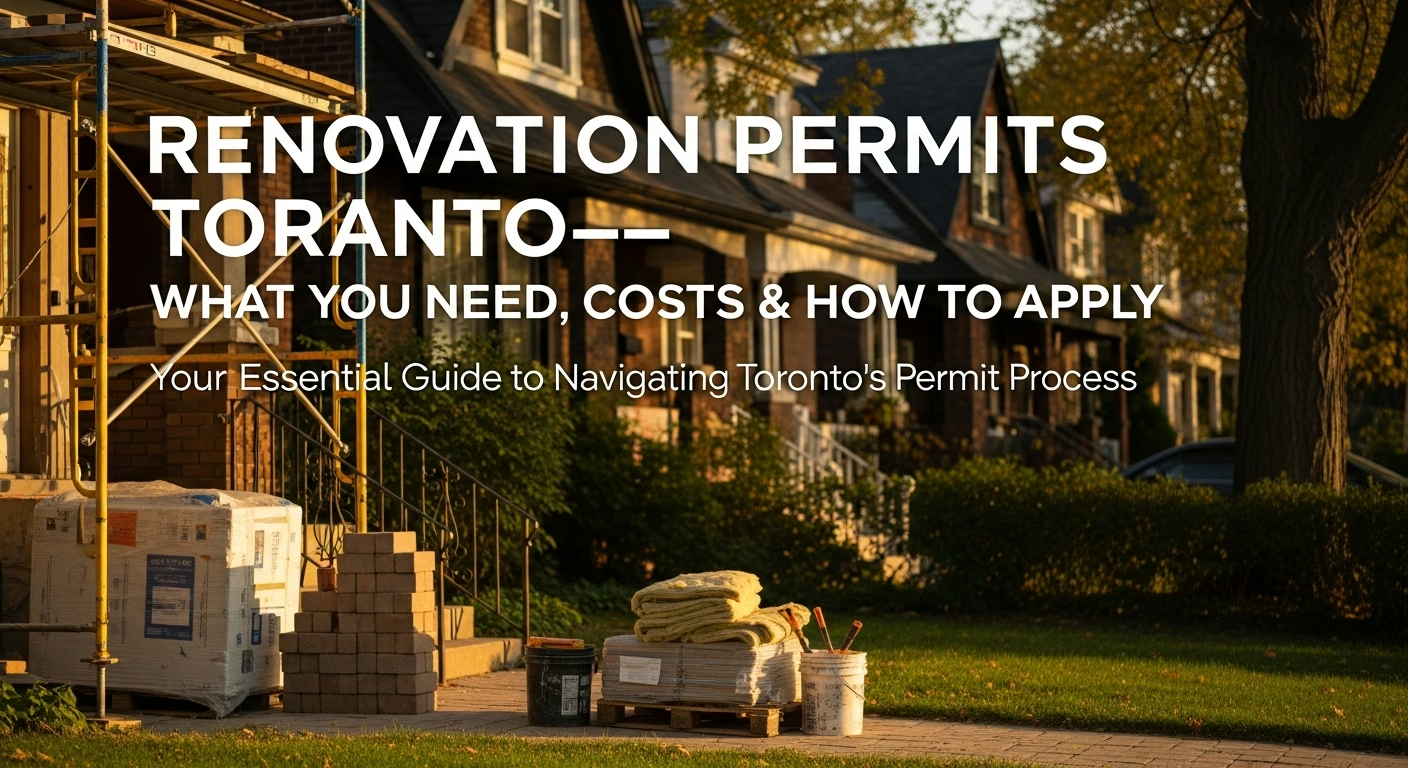

*Part of our Home Renovation Guide Toronto 2026.*
Permits are the least exciting part of any renovation — but skipping them can cost you far more than getting them.
*Part of our Home Renovation Guide Toronto 2026.*
Permits are the least exciting part of any renovation — but skipping them can cost you far more than getting them. This guide explains which renovations require permits in the Toronto GTA, what they cost, how to apply, and the real consequences of unpermitted work.
Need professional renovation?
Call RenoHouse at 1-289-212-2345 or get a free estimate today.
Get Free Estimate →Do You Need a Permit?
YES — Permit Required
| Work Type | Permit Type | Why |
|---|---|---|
| Load-bearing wall removal | Building permit | Structural safety |
| New window or door opening | Building permit | Structural + weather barrier |
| Basement finishing (with plumbing) | Building + plumbing | Code compliance |
| Secondary suite / basement apartment | Building + plumbing + electrical | Zoning + life safety |
| Deck (attached, over 24" above grade) | Building permit | Structural |
| Electrical panel upgrade | Electrical permit (ESA) | Safety |
| New electrical circuits | Electrical permit (ESA) | Safety |
| Plumbing rough-in (new fixtures) | Plumbing permit | Code compliance |
| HVAC ductwork modification | Mechanical permit | Code compliance |
| Fireplace or wood stove installation | Building permit | Fire safety |
| Swimming pool | Building permit | Safety + zoning |
NO — No Permit Needed
| Work Type | Notes |
|---|---|
| Kitchen cabinets and countertops | Cosmetic, no structural change |
| Bathroom fixture replacement (same location) | Fixture-for-fixture swap |
| Painting and wallpaper | Cosmetic |
| Flooring replacement | Cosmetic (no structural change) |
| Fencing under 2 metres | Most municipalities |
| Roofing (re-shingle, same material) | Repair/maintenance |
| Drywall replacement (non-structural) | Repair |
| Trim, baseboards, crown moulding | Cosmetic |
| Landscaping | No structure involved |
How to Apply for a Permit in Toronto
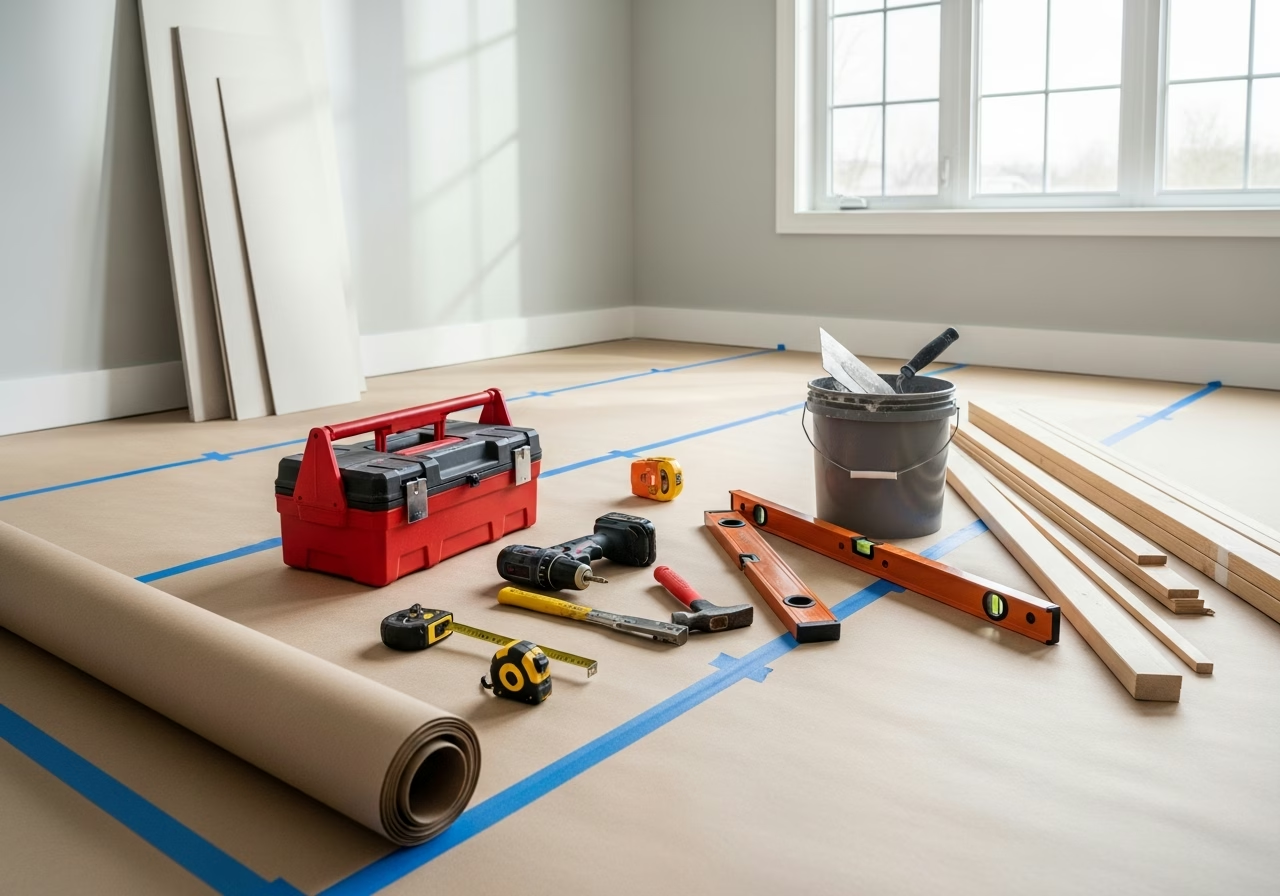
Step 1: Prepare Documentation
- Site plan showing your property and proposed work location
- Floor plans (before and after) to scale
- Structural drawings (if removing walls) — prepared by a licensed engineer
- Specifications for materials and methods
Step 2: Submit Application
- Online: Toronto's Application Submission Tool (AST) at toronto.ca/building-permits
- In person: City of Toronto Building Division offices
- Through your contractor: Most experienced contractors handle this for you
Step 3: Pay Fees
| Permit Type | Toronto Fee | Processing Time |
|---|---|---|
| Building permit (residential) | $200–$2,000+ | 10–30 business days |
| Plumbing permit | $100–$500 | 5–15 business days |
| Electrical permit (ESA) | $100–$400 | 5–10 business days |
| Mechanical permit | $100–$300 | 5–15 business days |
| Secondary suite permit | $500–$3,000+ | 30–90 business days |
Step 4: Inspections
- Inspections are required at specific stages (framing, rough-in, insulation, final)
- Book inspections 48+ hours in advance through 311 or toronto.ca
- Do not cover up work before the inspector signs off — you will have to tear it out
- Multiple inspections are normal — a basement apartment may require 5–8 inspections
Permit Costs by Municipality
| Municipality | Typical Residential Permit | Notes |
|---|---|---|
| Toronto | $300–$2,000+ | Highest fees, longest processing |
| Mississauga | $200–$1,500 | Faster than Toronto |
| Brampton | $200–$1,200 | Generally efficient |
| Markham | $200–$1,500 | Similar to Mississauga |
| Vaughan | $250–$1,500 | Online submission available |
| Oakville | $200–$1,200 | Halton Region |
| Richmond Hill | $200–$1,500 | York Region |
What Happens if You Skip the Permit?
During Renovation
- Stop work order — City inspector can shut down your project
- Fines — $500–$50,000 per offence under the Building Code Act
- Forced demolition — City can require you to tear out unpermitted work
When Selling Your Home
- Home inspection flags it — buyers' inspectors look for permit history
- Title search reveals it — buyers can walk away or demand price reduction
- Insurance issues — home insurance may deny claims related to unpermitted work
- Mortgage issues — lenders may flag unpermitted secondary suites
Real-World Consequences
- A $2,000 permit saves you from a $20,000–$50,000 problem when selling
- Unpermitted basement apartments create legal liability for fire safety
- Insurance companies are increasingly checking permit records after claims
How Your Contractor Should Handle Permits
A good contractor:
- 1. Tells you upfront which permits are needed
- 2. Prepares or coordinates all documentation
- 3. Submits applications and pays fees (included in contract price)
- 4. Schedules all inspections at the right stages
- 5. Obtains the final inspection sign-off before final payment
RenoHouse Permit Management
RenoHouse handles all permit applications, documentation, and inspections for every project that requires them. Our experience with GTA municipalities means faster approvals and fewer revision requests.
Related Guides
- Home Renovation Guide Toronto 2026
- Renovation Budget Breakdown Toronto
- Condo Renovation Guide Toronto
- Kitchen Renovation Permits Toronto
- How to Hire a Contractor Toronto
Sources & References
Authoritative sources cited in this guide:
- Ontario Building Code — OBC official text
- Toronto Building Permits — City permit portal
- Tarion Warranty — Ontario warranty regulator
Continue Reading
- Kitchen Renovation Permits Toronto
- Plumbing Permit Requirements Ontario— When You Need One & How to
- Basement Renovation Cost in Toronto: Full 2026 Breakdown
Related Services
Frequently Asked Questions
How much does a renovation permit cost in Toronto?
Building permit fees are based on the estimated cost of work. For example, a $25,000 renovation costs $400-$600 for the permit. Electrical permits are separate; ESA certification is required in Toronto. Plumbing permits run $100-$250. Total can range $300-$1,500+ depending on scope.
How long does it take to get a renovation permit in Toronto?
Processing times vary by scope. Simple permits for interior work or bathroom updates take 2-4 weeks. More complex projects involving structural changes or major electrical upgrades require 4-8 weeks. You can expedite through private certifiers for $500-$1,500 additional. Toronto Building Department walk-in applications are available.
Which home renovations require a permit in Toronto?
Most structural changes require permits—moving walls, adding windows, electrical work (must use ESA-certified electrician). Plumbing changes, HVAC, kitchen/bathroom renos $5,000+ need permits. Minor cosmetic work (paint, flooring, cabinet replacement) doesn't require permits. Toronto's Building Department website has a full checklist. When in doubt, call the city.
What happens if I renovate without a permit in Toronto?
Fines range from $500-$2,000 for unpermitted work. You're liable for removal costs ($5,000-$20,000+). Buyers request permit history during resale; unpermitted work significantly reduces property value. Insurance policies deny claims on unpermitted work. Toronto Building Enforcement actively investigates violations and issues penalties.