RenoHouse

# Basement Flooding Prevention Toronto — Sump Pump, Backwater Valve and More
Quick answer. Basement flooding is the single most common water damage event for Toronto homeowners. The GTA's clay soil, high water table, aging sewer infrastructure, and increasingly intense rainstorms create a perfect storm — sometimes literally — for basement water problems.Basement flooding is the single most common water damage event for Toronto homeowners. The GTA's clay soil, high water table, aging sewer infrastructure, and increasingly intense rainstorms create a perfect storm — sometimes literally — for basement water problems. The good news: most basement flooding is preventable with the right combination of protection measures. This guide covers every option, their costs, and how to layer them for maximum protection. For related information, see our complete plumbing guide for Toronto.
Why Toronto Basements Flood
Understanding the cause helps you choose the right prevention:
1. Sewer Backup
Toronto's combined sewer system (used in much of the old city) carries both stormwater and sanitary sewage in the same pipe. During heavy rain, the system overloads and sewage can back up into your basement through floor drains and toilets. This is Category 3 (black water) damage — the most expensive and hazardous to clean up.
2. Groundwater Seepage
Toronto sits on clay soil that does not drain well. After sustained rain or spring snowmelt, the water table rises and groundwater pushes through basement walls and floor. This is especially common in low-lying areas and homes built before modern waterproofing standards.
3. Foundation Cracks
Cracks in your foundation walls or floor slab allow water direct entry. Even hairline cracks can admit significant water during heavy rain. See our foundation crack repair guide for more information.
4. Failed Weeping Tile
The weeping tile (perimeter drainage system) around your foundation collects groundwater and directs it to the sump pit or storm sewer. When weeping tile clogs with sediment or collapses — common in homes over 30 years old — water has nowhere to go except into your basement.
5. Sump Pump Failure
If your sump pump fails during a storm, all the water the weeping tile collects floods your basement instead. Pump failure during a power outage is the most common scenario — and the one most easily prevented.
6. Poor Exterior Drainage
Clogged gutters, downspouts that discharge too close to the foundation, and landscaping that slopes toward the house all funnel water where it should not go.
Need professional plumbing?
Call RenoHouse at 289-212-2345 or get a free estimate today.
Get Free Estimate →Prevention Measure 1: Backwater Valve
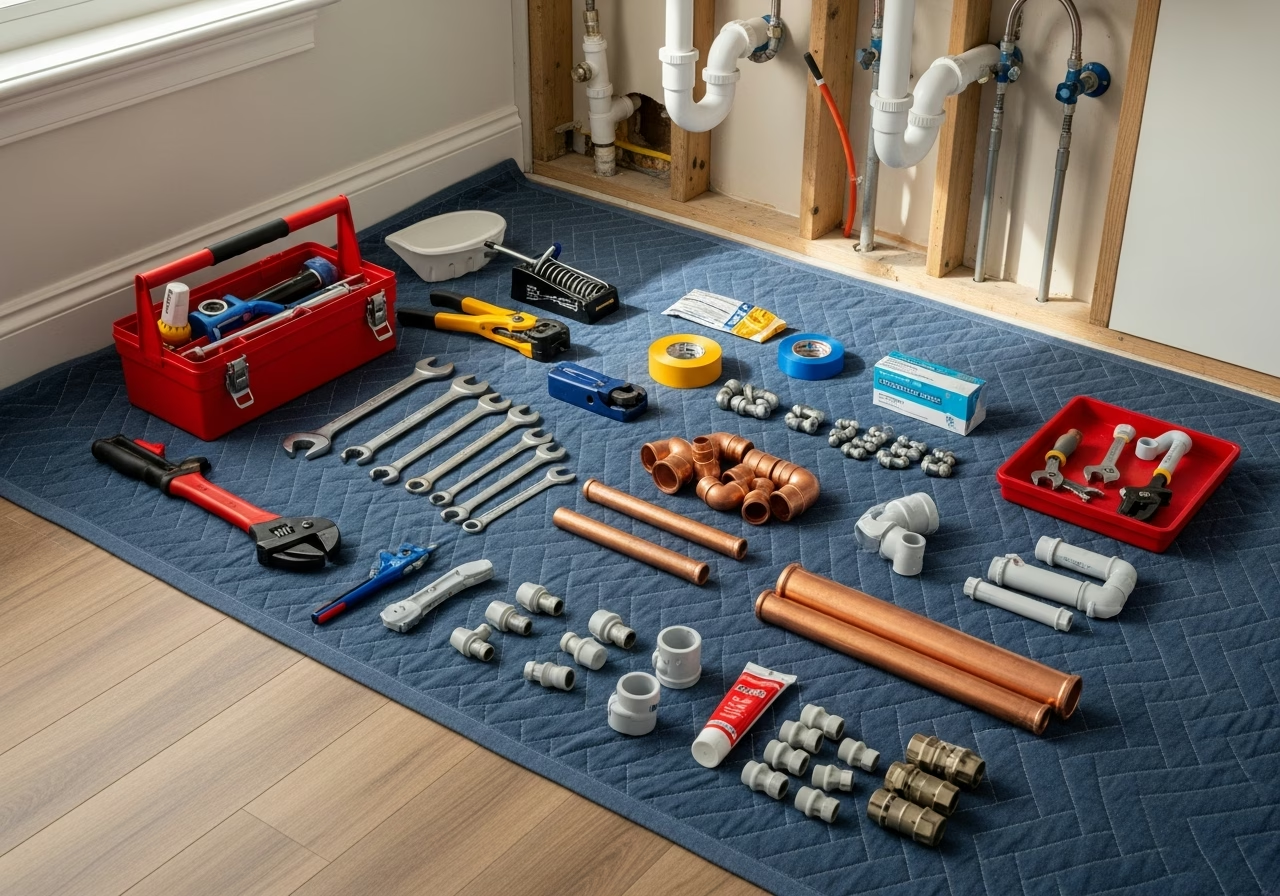
A backwater valve (also called a backflow preventer) is installed on your main sewer line where it exits your home. It contains a flap that allows sewage to flow out but automatically closes if sewage tries to flow back in.
Cost
- Installation: $2,000–$4,000 including the permit and inspection
- City of Toronto grant: Up to $3,400 per property through the Basement Flooding Protection Subsidy Program
Who Needs One
Every Toronto home connected to the sewer system benefits from a backwater valve. Homes in areas with combined sewers or a history of sewer backup should consider this a priority.
How to Get the Toronto Grant
- 1. Apply through the City of Toronto Basement Flooding Protection Subsidy Program (online or by phone)
- 2. Receive approval before starting work
- 3. Have the work done by a licensed plumber who pulls the required permit
- 4. Submit receipts and the closed permit to the City for reimbursement
Maintenance
Backwater valves require annual testing to ensure the flap operates freely. Most plumbers include this in a routine maintenance visit. A stuck flap provides zero protection.
Prevention Measure 2: Sump Pump with Battery Backup
A sump pump is your primary defense against groundwater flooding. It sits in a pit at the lowest point of your basement and pumps out water that collects from the weeping tile and subsurface drainage.
Cost
- Primary sump pump: $800–$1,500 installed
- Battery backup system: $500–$1,200 additional
- Combined system (primary + backup): $1,500–$2,500 installed
Why Battery Backup Is Essential
The most dangerous time for basement flooding is during a severe storm — which is also when power outages are most likely. Without battery backup, your sump pump is useless precisely when you need it most.
A battery backup sump pump provides 6 to 12 hours of pumping during a power outage, depending on the battery size and water volume. Some systems also include a water-powered backup that operates on municipal water pressure — no battery needed.
Maintenance
- Test monthly by pouring water into the pit
- Clean the pit annually to remove debris and sediment
- Replace the battery every 3 to 5 years
- Have a plumber inspect the system annually
For detailed sump pump information, see our sump pump installation guide and sump pump cost guide.
Prevention Measure 3: Weeping Tile
Weeping tile is the perforated pipe that runs around the exterior (and sometimes interior) of your foundation. It collects groundwater and directs it to the sump pit or storm sewer.When to Replace Weeping Tile
- Your home is over 40 years old and has original clay weeping tile
- You experience persistent basement moisture despite having a working sump pump
- A camera inspection reveals collapsed, crushed, or clogged weeping tile
Cost
- Exterior weeping tile replacement: $8,000–$15,000+ (requires excavation around the entire foundation)
- Interior weeping tile (French drain): $4,000–$8,000 (installed by cutting a channel around the interior perimeter of the basement floor)
Interior weeping tile is less disruptive and less expensive, but it does not address exterior waterproofing. The best approach depends on your specific situation — a qualified plumber can assess and recommend the right solution.
Prevention Measure 4: Foundation Waterproofing
Basement waterproofing seals your foundation from the outside to prevent water penetration. This is the most comprehensive solution but also the most expensive.Methods
- Exterior waterproofing membrane: Applied to the outside of the foundation wall after excavation. Cost: $8,000–$20,000 depending on the size of the home and depth of the foundation.
- Interior waterproofing coating: Applied to the inside of the basement walls. Less effective than exterior waterproofing but much less expensive ($2,000–$5,000).
- Crack injection: Epoxy or polyurethane injection to seal individual foundation cracks. Cost: $300–$800 per crack. See our foundation crack repair guide.
Prevention Measure 5: Exterior Drainage Improvements
Often the most cost-effective first step, exterior drainage improvements prevent water from reaching your foundation in the first place:
Gutters and Downspouts
- Clean gutters at least twice a year (spring and fall)
- Ensure downspouts extend at least 6 feet from the foundation
- Use downspout extensions or underground drain pipes to direct water away
- See our gutter maintenance guide
Grading
- The ground around your home should slope away from the foundation at a minimum grade of 5 percent (6 inches of drop over 10 feet)
- Add soil and regrade if water pools near the foundation after rain
Window Wells
- Install window well covers to prevent rain from collecting
- Ensure window well drains are clear and connected to the weeping tile
The Layered Approach: Maximum Protection
No single measure provides complete protection. The most effective approach layers multiple defenses:
| Priority | Measure | Cost | Protection Against |
|---|---|---|---|
| 1 | Backwater valve | $2,000–$4,000 | Sewer backup |
| 2 | Sump pump with battery backup | $1,500–$2,500 | Groundwater |
| 3 | Exterior drainage (gutters, grading) | $500–$2,000 | Surface water |
| 4 | Foundation crack repair | $300–$800/crack | Direct water entry |
| 5 | Weeping tile replacement | $4,000–$15,000 | Subsurface drainage |
| 6 | Exterior waterproofing | $8,000–$20,000 | All groundwater |
Start with priorities 1 through 3 — they address the most common flooding causes at the lowest cost. Add priorities 4 through 6 as needed based on your specific situation.
What to Do If Your Basement Has Already Flooded
If you are reading this after a flood, see our water damage restoration guide for immediate steps. Then:
- 1. Fix the cause before restoring the space
- 2. Install the prevention measures above before finishing the basement again
- 3. Consider the City of Toronto grant for backwater valve and sump pump installation
- 4. Review your home insurance to ensure you have sewer backup and overland flood coverage
RenoHouse Basement Flooding Protection
RenoHouse installs all of the prevention measures described in this guide. We serve the entire GTA with licensed, insured plumbers and provide written quotes with no hidden fees.
Call 289-212-2345 or request a free assessment. We will inspect your basement, identify your specific risks, and recommend the most cost-effective protection plan.Related guides:
- Emergency Plumber Toronto 24/7
- Plumbing Permit Requirements Ontario
- Plumber Hourly Rates Toronto 2026
- How to Find a Reliable Plumber in Toronto
Sources & References
Authoritative sources cited in this guide:
- Toronto Sewer Use Bylaw 681 — Toronto plumbing/sewer regulations
- Ontario Building Code 7 (Plumbing) — OBC plumbing standards
- Health Canada — Drinking Water — Health Canada drinking water guidelines
- CSA B149.1 Natural Gas Code — Canadian gas installation code
Continue Reading