RenoHouse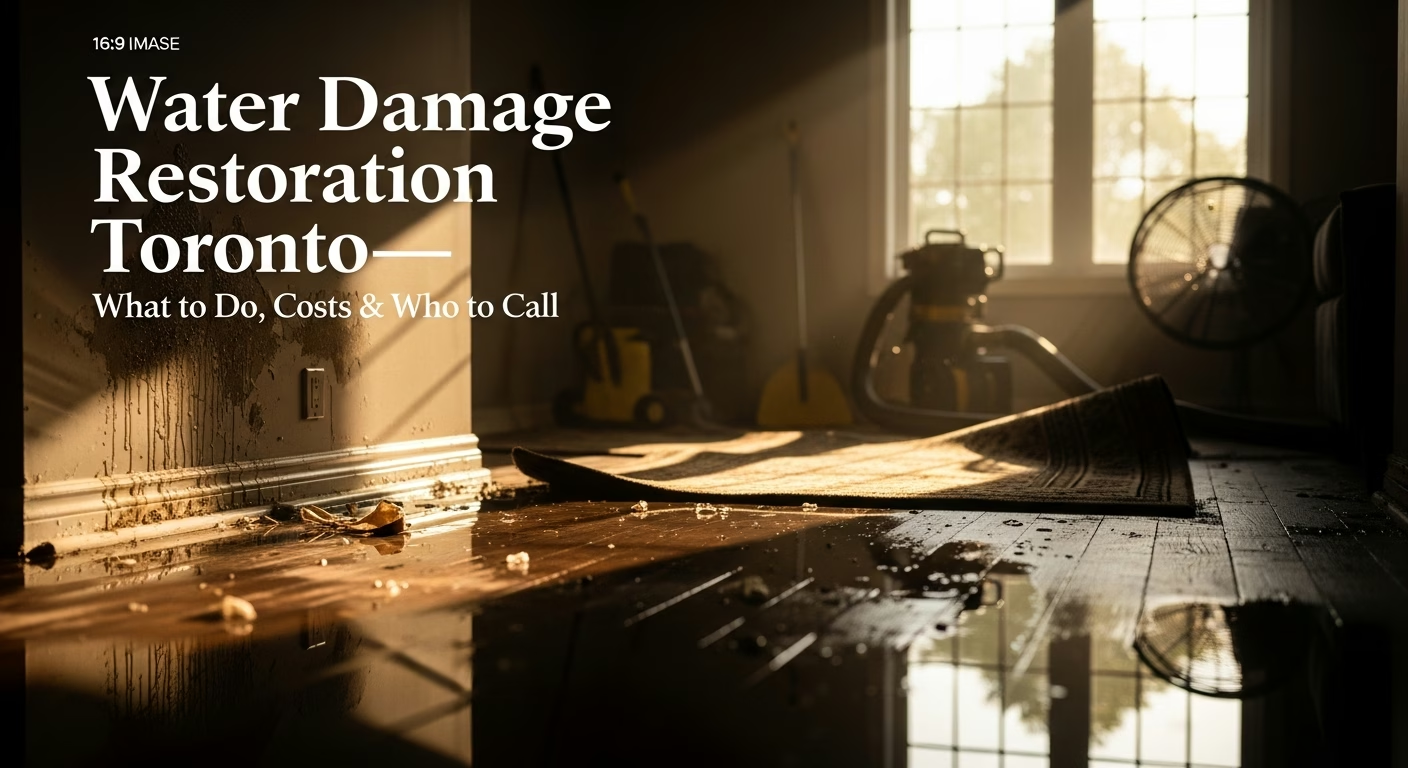

# Water Damage Restoration Toronto — What to Do, Costs and Who to Call
Quick answer. Water damage is the most common and most costly home insurance claim in Canada, and Toronto homeowners are especially vulnerable. Between aging infrastructure, intense rainstorms, and the city's high water table, thousands of GTA homes experience water damage every year.Water damage is the most common and most costly home insurance claim in Canada, and Toronto homeowners are especially vulnerable. Between aging infrastructure, intense rainstorms, and the city's high water table, thousands of GTA homes experience water damage every year. This guide covers exactly what to do when it happens, what restoration costs, and how to navigate the insurance process. For prevention strategies, see our basement flooding prevention guide and our complete plumbing guide for Toronto.
What to Do Immediately After Water Damage
The first 24 to 48 hours after water damage are critical. Mold can begin growing within 24 hours, and structural damage worsens with every hour of exposure.
Step 1: Ensure Safety
- Do not enter standing water if there is any chance of electrical contact
- Turn off electricity to the affected area at the breaker panel if you can do so safely
- Watch for structural damage — water-soaked ceilings and floors can collapse
Step 2: Stop the Water Source
- If the damage is from a plumbing failure, shut off the water supply immediately. See our emergency plumbing guide for detailed shutoff instructions.
- If the damage is from exterior flooding, the water will stop on its own, but you need to prevent further entry with sandbags or barriers if possible.
- Call a licensed emergency plumber to fix the source.
Step 3: Document Everything
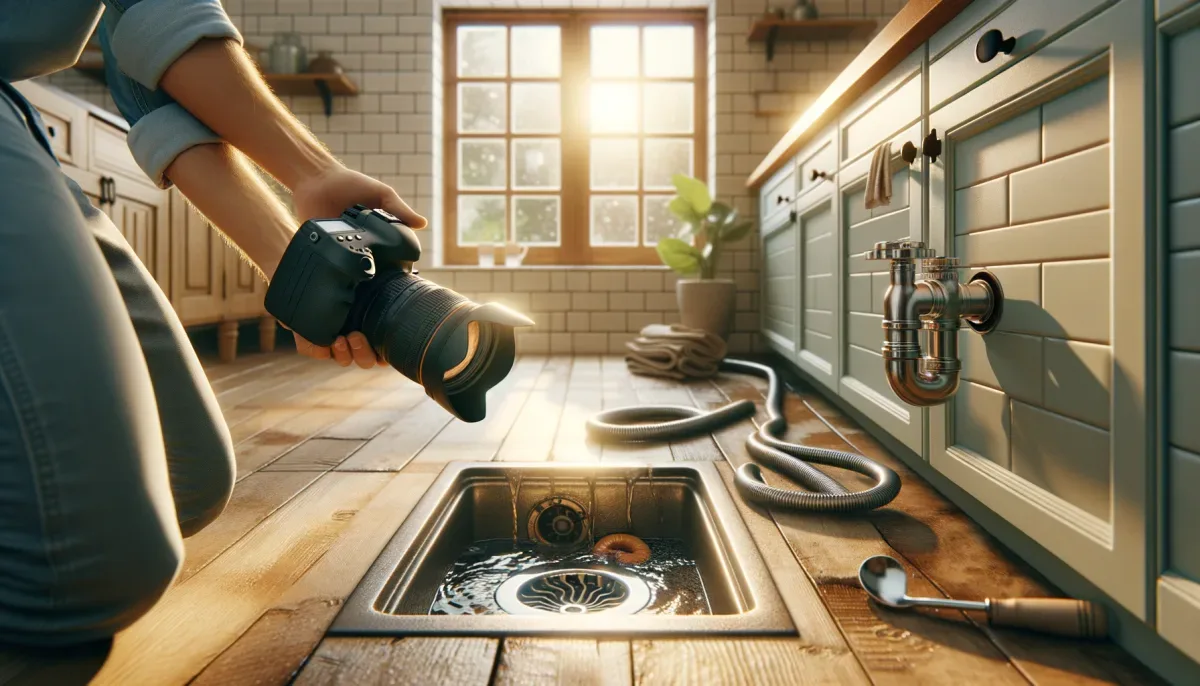
- Take photos and video of all damage before cleaning up anything
- Make a list of damaged items with approximate values
- Save receipts for all emergency expenses (hotel, supplies, contractor fees)
- This documentation is essential for your insurance claim
Step 4: Begin Water Removal
- Use a wet-dry vacuum, mops, and towels to remove standing water
- Open windows and doors for ventilation (weather permitting)
- Set up fans and dehumidifiers if you have them
- Move furniture and belongings away from the affected area
- Remove wet rugs, carpet, and underpad — these are rarely salvageable
Step 5: Call Your Insurance Company
- Report the damage as soon as possible — most policies require prompt notification
- Ask about coverage limits, deductible, and preferred restoration vendors
- Your insurer may send an adjuster within 24 to 48 hours
Step 6: Call a Restoration Company
Professional water damage restoration should begin within 24 hours of the event to minimize mold risk and structural damage.
Water Damage Restoration Costs in Toronto
Restoration costs vary widely based on the category of water, the extent of damage, and the area affected:
| Damage Type | Cost Range (CAD) | What Is Involved |
|---|---|---|
| Minor water damage (one room, clean water) | $1,500–$4,000 | Water extraction, drying, minor repairs |
| Moderate damage (multiple rooms or contaminated water) | $4,000–$12,000 | Full extraction, dehumidification, selective demolition, mold prevention |
| Major damage (full basement or sewage backup) | $10,000–$30,000+ | Complete extraction, hazmat cleanup, full demolition and rebuild |
| Mold remediation (if mold has developed) | $2,000–$10,000+ | Containment, removal, HEPA filtration, treatment |
Categories of Water Damage
Insurance companies and restoration professionals classify water damage by category:
Need professional plumbing?
Call RenoHouse at 289-212-2345 or get a free estimate today.
Get Free Estimate →The Professional Restoration Process
A certified water damage restoration company follows a standardized process:
1. Emergency Response and Assessment
The restoration team arrives, assesses the damage category and extent, and creates a restoration plan. They use moisture meters and thermal cameras to identify water penetration that is not visible.
2. Water Extraction
Industrial pumps and vacuums remove standing water. This is the most time-sensitive step — every hour of standing water increases damage exponentially.
3. Drying and Dehumidification
Professional-grade air movers and dehumidifiers dry the structure. This phase typically takes 3 to 5 days. The team monitors moisture levels daily until readings reach acceptable levels.
4. Demolition of Damaged Materials
Drywall, insulation, carpet, underpad, and other porous materials that absorbed contaminated water must be removed. Non-porous materials (concrete, metal, hard plastic) can usually be cleaned and saved.
5. Cleaning and Sanitizing
All salvageable surfaces are cleaned with antimicrobial treatments. Contents (furniture, clothing, documents) may be cleaned on-site or taken to a facility for specialized treatment.
6. Mold Prevention
Affected areas are treated with mold inhibitors. If mold has already begun growing, a separate mold remediation process is required.
7. Restoration and Rebuild
Once the space is completely dry and clean, the rebuild phase begins — new drywall, flooring, paint, trim, and any other finishes that were removed. This is where a general contractor like RenoHouse comes in.
Insurance Claims for Water Damage
What Is Typically Covered
- Sudden and accidental water damage from burst pipes or appliance failure
- Sewer backup (if you have sewer backup endorsement — check your policy)
- Emergency mitigation costs (temporary housing, immediate repairs)
What Is Typically NOT Covered
- Gradual leaks that you failed to address
- Maintenance-related issues (sump pump you knew was failing)
- Overland flooding (unless you have specific flood endorsement)
- Water damage from construction defects
Tips for a Successful Claim
- Report immediately — delays can result in claim denial
- Document before cleaning — photos and video are your best evidence
- Keep all receipts — every expense related to the damage
- Do not throw away damaged items until the adjuster has seen them
- Get your own estimate — do not rely solely on the insurer's preferred vendor
- Review your policy now — before you need it. Ensure you have sewer backup coverage and understand your deductible.
Preventing Water Damage
The best restoration is the one you never need. Here are the most effective preventive measures for Toronto homes:
Plumbing Maintenance
- Have your plumbing inspected annually
- Replace washing machine hoses every 5 years (or sooner if rubber)
- Service your water heater annually — see our water heater maintenance guide
- Know your shutoff valve locations
Basement Protection
- Install a sump pump with battery backup
- Install a backwater valve to prevent sewer backup
- Ensure your weeping tile system is functioning
- See our complete basement flooding prevention guide
Exterior Drainage
- Keep gutters clean and properly directed away from the foundation
- Ensure grading slopes away from the house on all sides
- Inspect basement walls for cracks and seal them promptly — see our foundation crack repair guide
When to Call RenoHouse
RenoHouse handles the plumbing repair and rebuild phase of water damage restoration. Once the water is extracted and the space is dry, we step in to:
- Fix the plumbing issue that caused the damage
- Replace damaged drywall, flooring, and finishes
- Handle all permits and inspections
- Coordinate with your insurance company
Sources & References
Authoritative sources cited in this guide:
- Toronto Sewer Use Bylaw 681 — Toronto plumbing/sewer regulations
- Ontario Building Code 7 (Plumbing) — OBC plumbing standards
- Health Canada — Drinking Water — Health Canada drinking water guidelines
- CSA B149.1 Natural Gas Code — Canadian gas installation code
Continue Reading