RenoHouse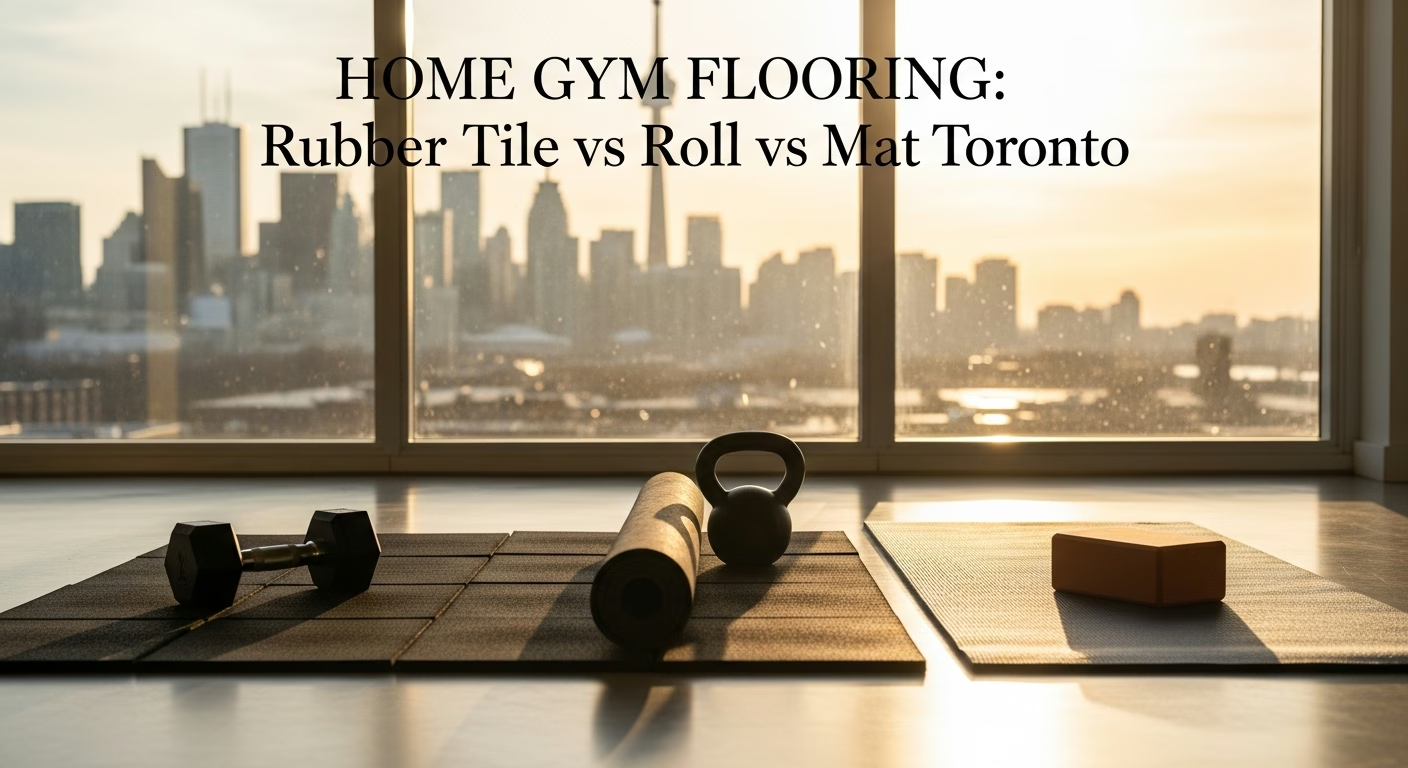

# Home Gym Flooring: Rubber Tile vs Roll vs Mat Toronto
Quick answer. Flooring is the single biggest decision in a basement home gym buildout — it determines what equipment you can actually use, how much sound transfers upstairs, how the space feels under bare feet, and whether you'll be replacing it in two years or twenty.Flooring is the single biggest decision in a basement home gym buildout — it determines what equipment you can actually use, how much sound transfers upstairs, how the space feels under bare feet, and whether you'll be replacing it in two years or twenty. This guide compares the three viable options for Toronto basements (rubber tile, rubber roll, foam puzzle mat), covers thickness selection, breaks down 2026 installed pricing in the GTA, and tells you which option is right for your training style. For the broader buildout context, see our Basement Home Gym Toronto 2026 Guide.
The Three Real Options
In rough order of popularity in 2026 GTA gym buildouts:
- 1. Interlocking rubber tile (8–25mm) — modular, replaceable, mid-cost
- 2. Rubber roll (6–12mm typical, up to 25mm) — seamless commercial feel, most popular for full-room builds
- 3. Foam puzzle mat (12–25mm) — cheapest, but with significant compromises
A fourth option — horse stall mat from Tractor Supply or Princess Auto — is a popular DIY shortcut but has real downsides covered below.
Option 1: Interlocking Rubber Tile
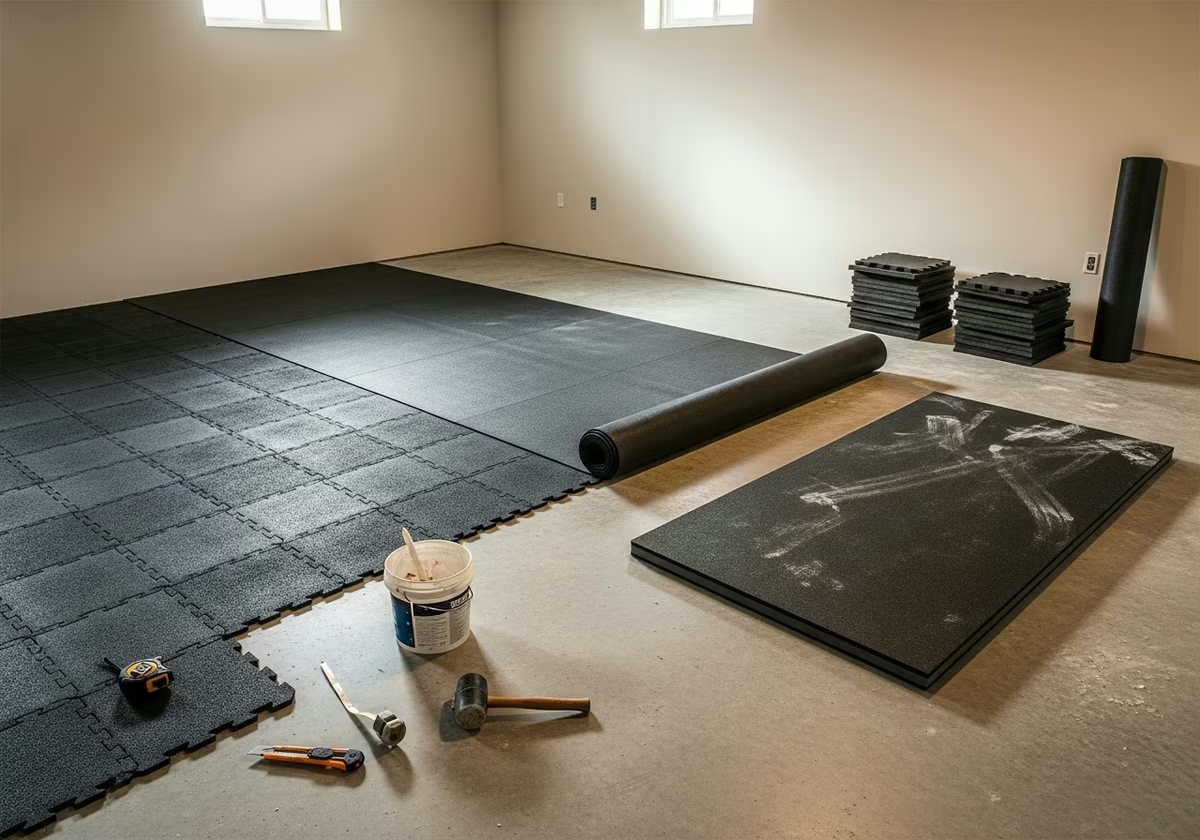
Modular rubber tiles, 2 ft × 2 ft typical, with interlocking puzzle edges. Recycled crumb rubber binder.
Thicknesses:- 8mm — light cardio + bodyweight
- 12mm — standard all-round
- 15–20mm — serious lifting + dropped barbells
- 25mm — heavy platforms
- Easy to install (DIY plausible)
- Replaceable if damaged — pull one tile, drop in new
- Forgiving over uneven slabs (small height variations absorb)
- Available in 8mm to 25mm thickness range
- Less expensive than equivalent rubber roll for thick variants
- Visible seams and gaps (some clients dislike aesthetic)
- Weight can shift tiles over time (especially on perfectly flat slabs)
- Edge bevels collect dirt
- Shorter lifespan than roll (10–15 years vs 20–25)
Option 2: Rubber Roll
Continuous rubber sheets in 4 ft wide rolls, glued or floated over the slab. Most common in commercial gyms.
Thicknesses:- 6mm (1/4") — minimum for cardio + bodyweight
- 8mm (5/16") — standard residential
- 10–12mm (3/8"–1/2") — premium residential
- 15mm+ — commercial lifting (rare in residential)
- Seamless commercial appearance (premium aesthetic)
- Better sound and shock dampening than tile of same thickness (no gaps)
- Easier to clean (no seam dirt accumulation)
- Longer lifespan: 20–25 years
- Better for cardio (treadmill base sits perfectly flat)
- More expensive than tile of same thickness
- Harder to install — requires moving equipment out, gluing or double-sided tape
- Damage in middle of room means cutting and patching (visible)
- Weight makes DIY install difficult (rolls are 100–200 lbs each)
Option 3: Foam Puzzle Mat
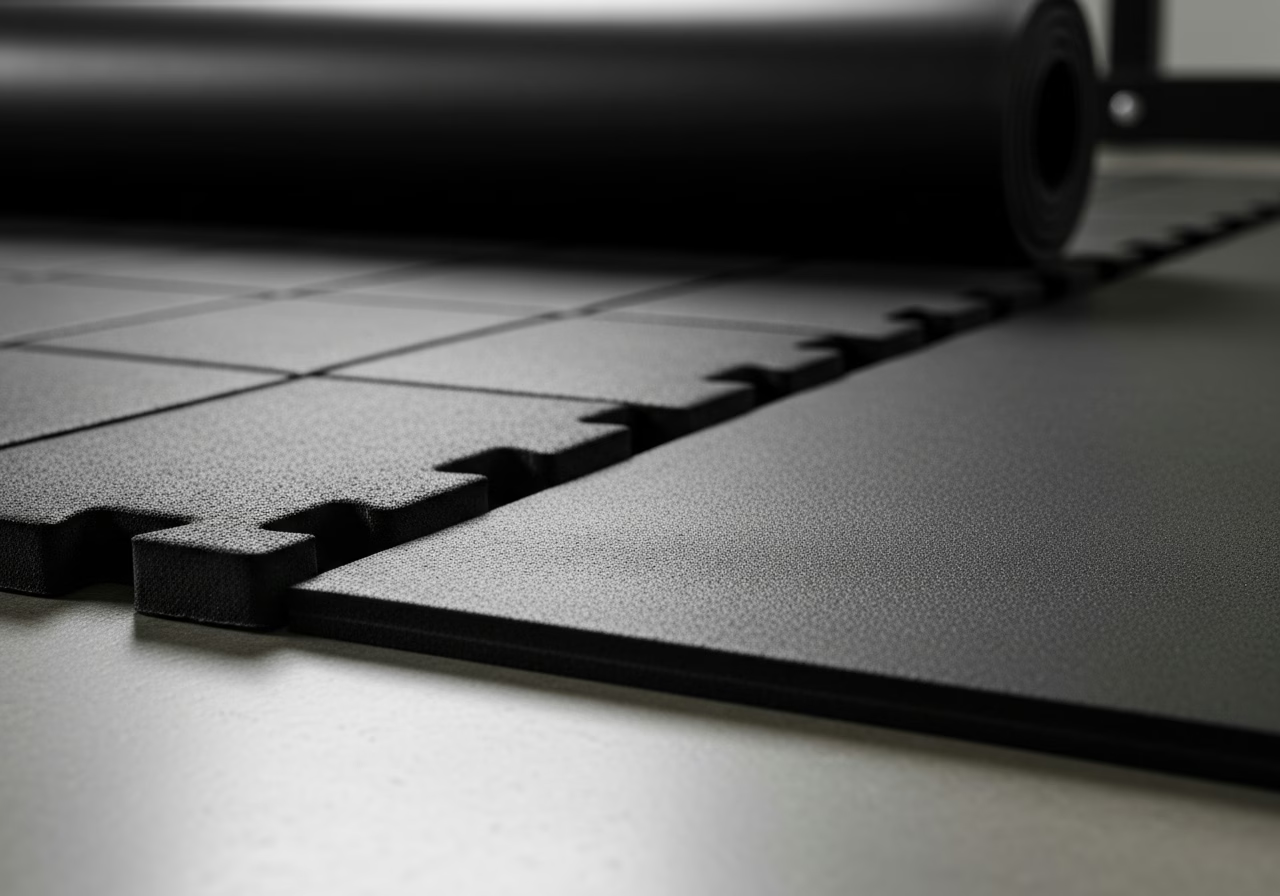
EVA foam tiles, 2 ft × 2 ft, interlocking edges. Familiar from kids' play areas and martial arts dojos.
Thicknesses: 12–25mm typical Installed cost in GTA: $1.50–$4/sq ft Pros:- Cheapest option by far
- Comfortable for floor exercises (yoga, stretching, ab work)
- DIY-trivial install
- Light weight, easy to move
- Compresses permanently under rack legs and equipment (within 6–12 months)
- Tears easily under barbell loading
- Off-gases noticeably for first weeks (significant in sealed basement)
- Not heat-tolerant near baseboard heaters
- Aesthetically reads "kids playroom" not "gym"
We get calls every year from homeowners replacing foam puzzle mat 12 months after install because the rack legs sank into permanent depressions. Don't put real equipment on foam.
Option 4: Horse Stall Mat (the DIY Shortcut)
4 ft × 6 ft heavy rubber mats from farm-supply stores. ~3/4 inch (19mm) thick. Cheap.
Cost: $50–$80 per mat ($2.50–$4/sq ft) — about half the cost of equivalent residential rubber tile. Pros:- Very cheap
- Heavy enough to stay put
- Adequate for lifting
- Strong rubber smell for first 4–8 weeks (can be intolerable in a sealed basement)
- Coarse, lower-grade rubber — pieces flake off over time
- Edges aren't beveled, creating trip hazards
- Manufacturing tolerances mean uneven seams
- No warranty on residential application
- Aesthetic is unmistakably "agricultural"
It works. It's not great. We recommend horse stall mat only for the deadlift-platform island in an otherwise-rubber-tile or rubber-roll floor — not for the full floor.
Thickness Selection by Use Case
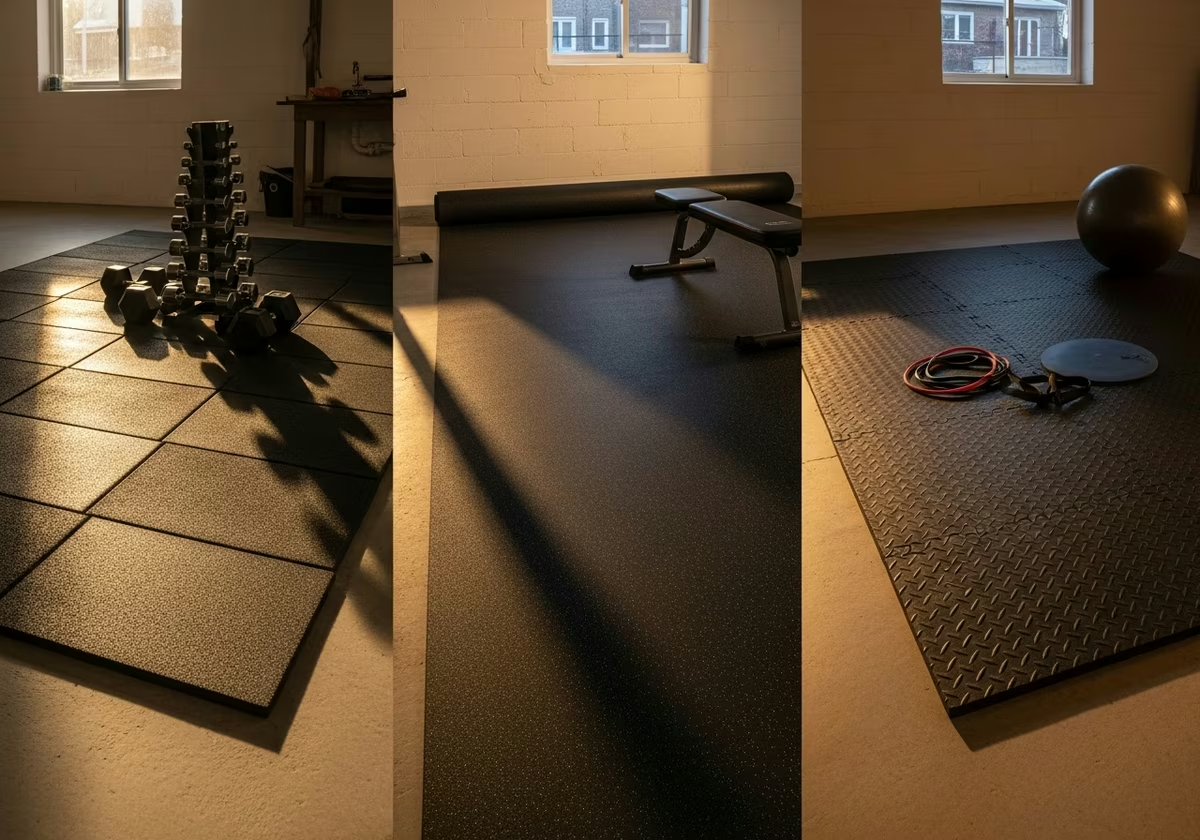
| Training Style | Minimum Thickness | Optimal |
|---|---|---|
| Yoga / Pilates / stretching | 6mm | 8–10mm |
| Bodyweight + light dumbbells | 8mm | 10–12mm |
| Cardio (treadmill, bike, rower) | 6mm | 8mm |
| Free weights (≤50 lb dumbbells) | 8mm | 10mm |
| Rack work (squats, bench, OHP) | 10mm | 12–15mm |
| Olympic lifting (clean & jerk, deadlifts >300 lb) | 25mm | 25mm + plywood platform |
| Crossfit (mixed everything) | 12mm | 15–20mm |
The Deadlift Platform — Always Build It Separately
For any client doing serious deadlifts (315 lb+), we don't try to make the full floor handle it. We install a separate deadlift platform island:
Need professional home renovation?
Call RenoHouse at 289-212-2345 or get a free estimate today.
Get Free Estimate →- 8 ft × 6 ft footprint
- Slab → 1/2" rubber underlay → 3/4" plywood substrate → 25mm rubber top
- Surrounding floor: 12mm rubber roll (can be cut around the platform)
This isolates impact energy from the rest of the floor and dramatically cuts sound transmission. Detail in our Basement Home Gym Toronto 2026 Guide.
Underlay — When You Need It
For most basements, the slab is fine and you can install rubber directly on it (with optional moisture barrier).
You need underlay when:
- Sound transmission to upstairs is critical (add 1/2" rubber underlay or QuietWalk)
- Slab has noticeable unevenness (minor — over 1/8" — variations)
- Concrete shows moisture (always run a moisture barrier — 6 mil poly minimum)
Sound-rated underlay adds $1–$3/sq ft.
What About Carpet?
No. Carpet:
- Traps sweat permanently (unsanitary in a high-output room)
- Compresses under equipment
- Off-gasses cleaning chemicals into a sealed basement
- Looks dated within 5 years
If you're inheriting a carpeted basement, plan to remove it before your gym goes in.
Real 2026 Costs in the GTA
| Floor Type + Thickness | Material $/sqft | Install $/sqft | Total $/sqft |
|---|---|---|---|
| 8mm rubber tile | $2.50 | $1.50 | $4.00 |
| 12mm rubber tile | $3.50 | $1.80 | $5.30 |
| 25mm rubber tile | $7.00 | $2.50 | $9.50 |
| 6mm rubber roll | $3.50 | $2.50 | $6.00 |
| 8mm rubber roll | $4.50 | $2.80 | $7.30 |
| 12mm rubber roll | $7.00 | $3.50 | $10.50 |
| Foam puzzle mat | $1.20 | $0.50 | $1.70 |
For a 350 sq ft standard buildout:
- 8mm rubber tile: ~$1,400 total
- 12mm rubber roll: ~$3,700 total
- 25mm rubber tile (premium): ~$3,300 total
Add $800–$1,400 for a properly built deadlift platform on top.
Brands We Use in 2026 Toronto Builds
- Greatmat — broad selection, residential and commercial
- Rubber-Cal — good thickness range, fair pricing
- Bayshore Athletic Mats (Mississauga) — local supplier, fast delivery
- Mondo — premium commercial roll (luxury builds only)
- PaviGym — Spanish premium roll, used in Equinox
Common Flooring Mistakes
- 1. Foam mats under a rack — compresses, ruins the rack stance, requires replacement.
- 2. Rubber tile on uneven slab — visible humps, tiles shift over time. Either grind the slab or use a self-leveling underlay.
- 3. No moisture barrier in basements with any humidity history — rubber traps moisture against concrete, eventually causing mold.
- 4. Cheap horse stall mat as full-room floor — smells bad for months, looks bad forever.
- 5. Wrong thickness for use case — 6mm rubber under a 405 lb deadlift dent the slab and the rubber both.
- 6. Choosing tile aesthetic over function — designer-pretty 4mm "gym tile" can't handle real loading.
Full mistake catalog in Home Gym Mistakes: 10 Common Buildout Failures.
Recommendation by Buildout Tier
- Basic ($12–20K): 8–12mm interlocking rubber tile. Simple, replaceable, looks fine.
- Standard ($20–40K): 12mm rubber roll + deadlift platform island. Best all-rounder for the money.
- Premium ($40–60K+): 12–15mm rubber roll + sound underlay + decoupled deadlift platform. Looks and performs commercial.
For the broader buildout context including electrical, HVAC, mirrors, and acoustics, see our Basement Home Gym Toronto 2026 Guide.
---
Choosing flooring? RenoHouse sources, installs, and warranties all major rubber gym flooring options across the GTA. Book a free assessment on our basement home gym buildout service page.
Sources & References
Authoritative sources cited in this guide:
- Ontario Building Code — OBC official text
- Toronto Building Permits — City permit portal
- Tarion Warranty — Ontario warranty regulator
- CSA Group Standards — Canadian standards
Continue Reading
- Basement Home Gym Toronto: Complete 2026 Cost & Build Guide
- Home Gym Lighting & Acoustics: Toronto Buildout Guide
- Home Gym Mistakes: 10 Common Buildout Failures
Frequently Asked Questions
What's the total cost of gym flooring for a Toronto basement?
Rubber tiles run $3–$8 per square foot installed, rubber rolls $2–$6 per square foot, and interlocking foam mats $1–$3 per square foot. A 250-square-foot Toronto basement gym costs roughly $750–$2,000 for tiles, $500–$1,500 for roll, or $250–$750 for foam. Professional installation adds $1–$2 per square foot labor.
Can I install gym flooring myself or do I need a professional?
Foam interlocking mats are DIY-friendly and take 2–4 hours for a basement. Rubber rolls require adhesive and careful alignment—doable for handy homeowners but prone to shifting. Rubber tiles need a perfectly flat subfloor; any imperfection shows. Most Toronto contractors charge $500–$1,500 for a 250-square-foot install.
Which gym flooring holds up best to heavy equipment?
Rubber tiles are the most durable, lasting 10+ years under heavy weights and dumbbells without permanent indentation. Rubber rolls last 8–10 years but will show dents if equipment sits in one spot. Foam mats degrade quickly under continuous heavy use and fail within 2–4 years. Toronto gyms doing powerlifting or CrossFit should choose tiles.
What thickness should I use to reduce noise from a basement gym?
1/4-inch foam mats provide minimal soundproofing. 1/2-inch to 3/4-inch rubber tiles or rolls reduce impact noise by 15–20 decibels and protect the subfloor from moisture. Stacking layers (foam base plus rubber top) works better. Toronto homeowners living above finished basements should use at least 1/2-inch thickness for noticeable dampening.