RenoHouse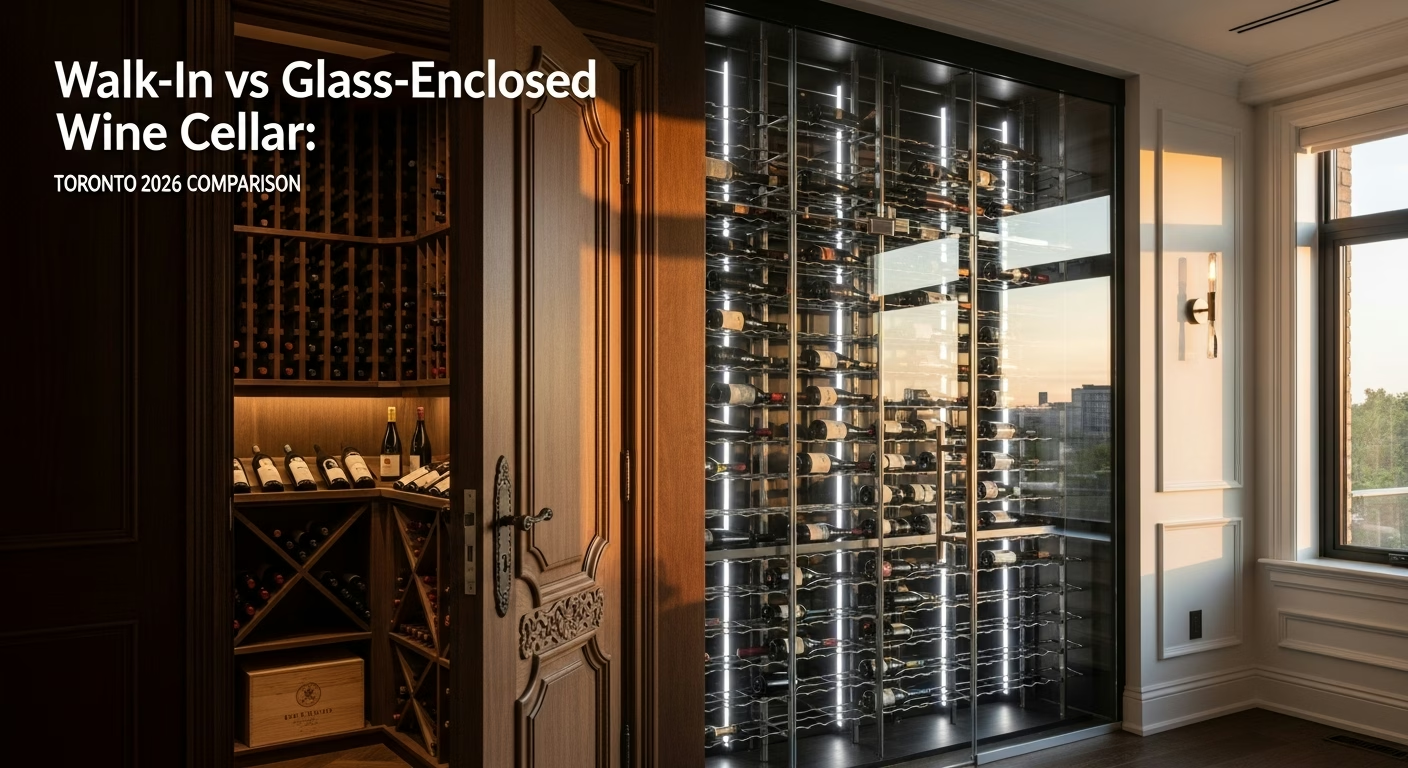

# Walk-In vs Glass-Enclosed Wine Cellar: Toronto 2026 Comparison
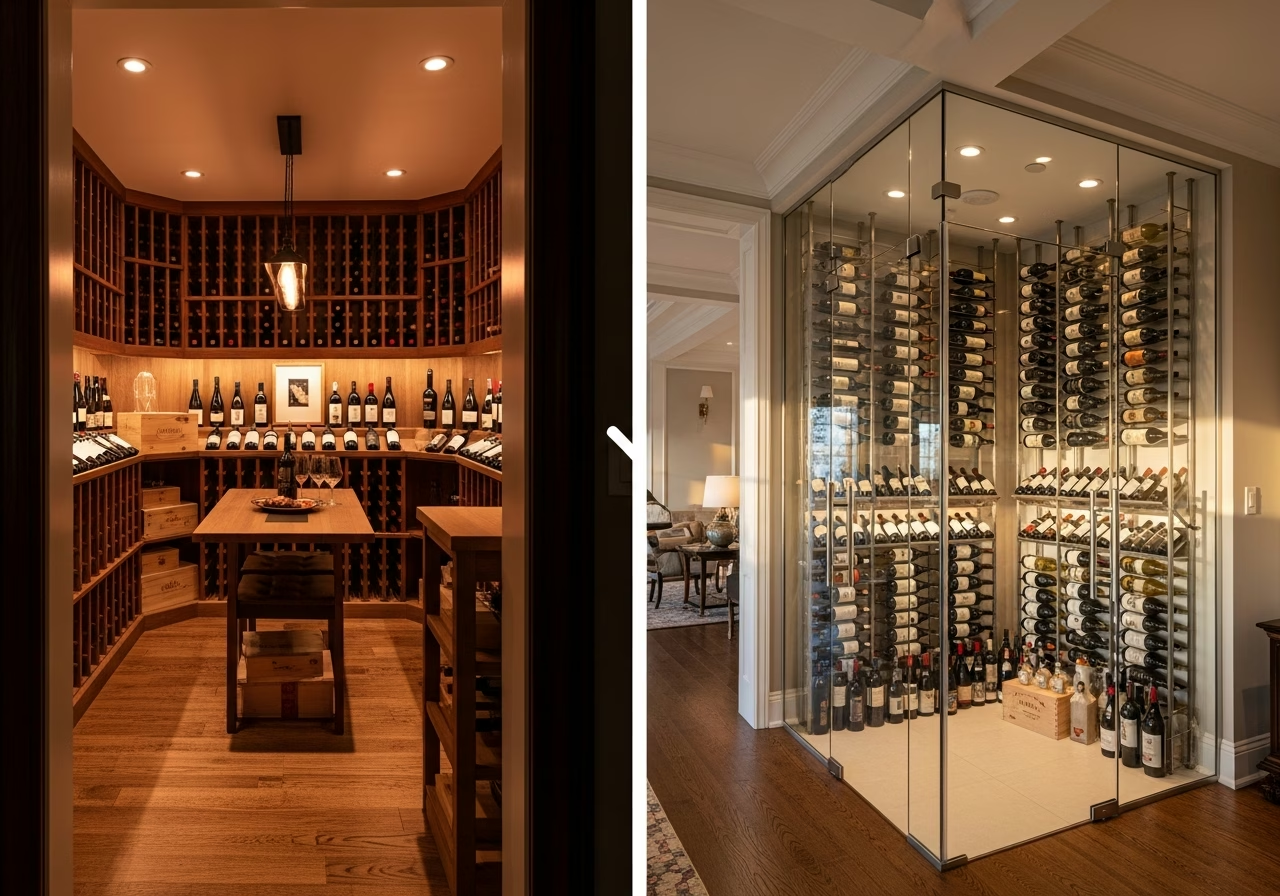
Quick answer. Once Toronto homeowners decide they want a true wine cellar — not a refrigerated cabinet — they hit the same fork: a traditional walk-in cellar (insulated room, opaque walls, vault feel) or a glass-enclosed cellar (climate-controlled space behind floor-to-ceiling glass, visible from the living or dining room).Once Toronto homeowners decide they want a true wine cellar — not a refrigerated cabinet — they hit the same fork: a traditional walk-in cellar (insulated room, opaque walls, vault feel) or a glass-enclosed cellar (climate-controlled space behind floor-to-ceiling glass, visible from the living or dining room). Both are valid in 2026; they suit different homes and different lifestyles. This guide breaks down cost, performance, capacity, finish options, and resale impact so you can pick the right format the first time.
For the full installation cost stack, see wine cellar installation Toronto 2026. For racking specifically, see wine cellar racking systems guide.
The Two Formats Defined
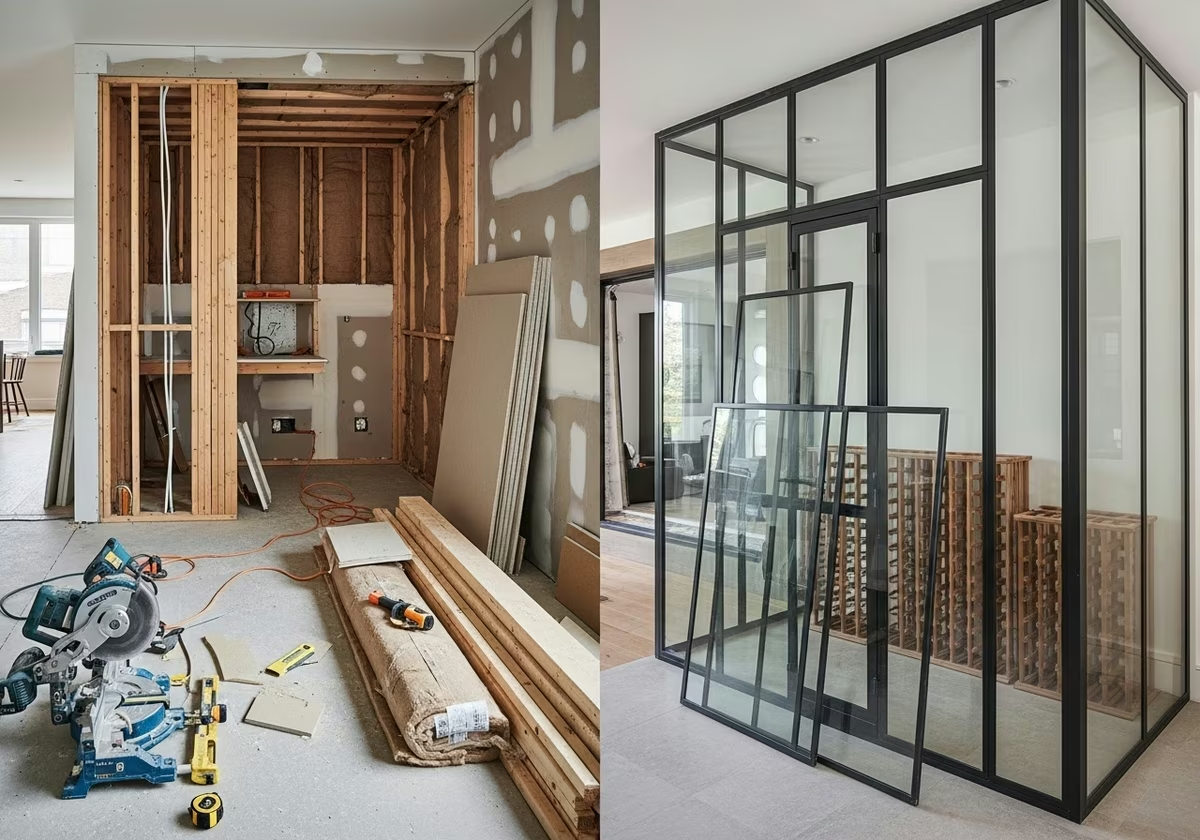
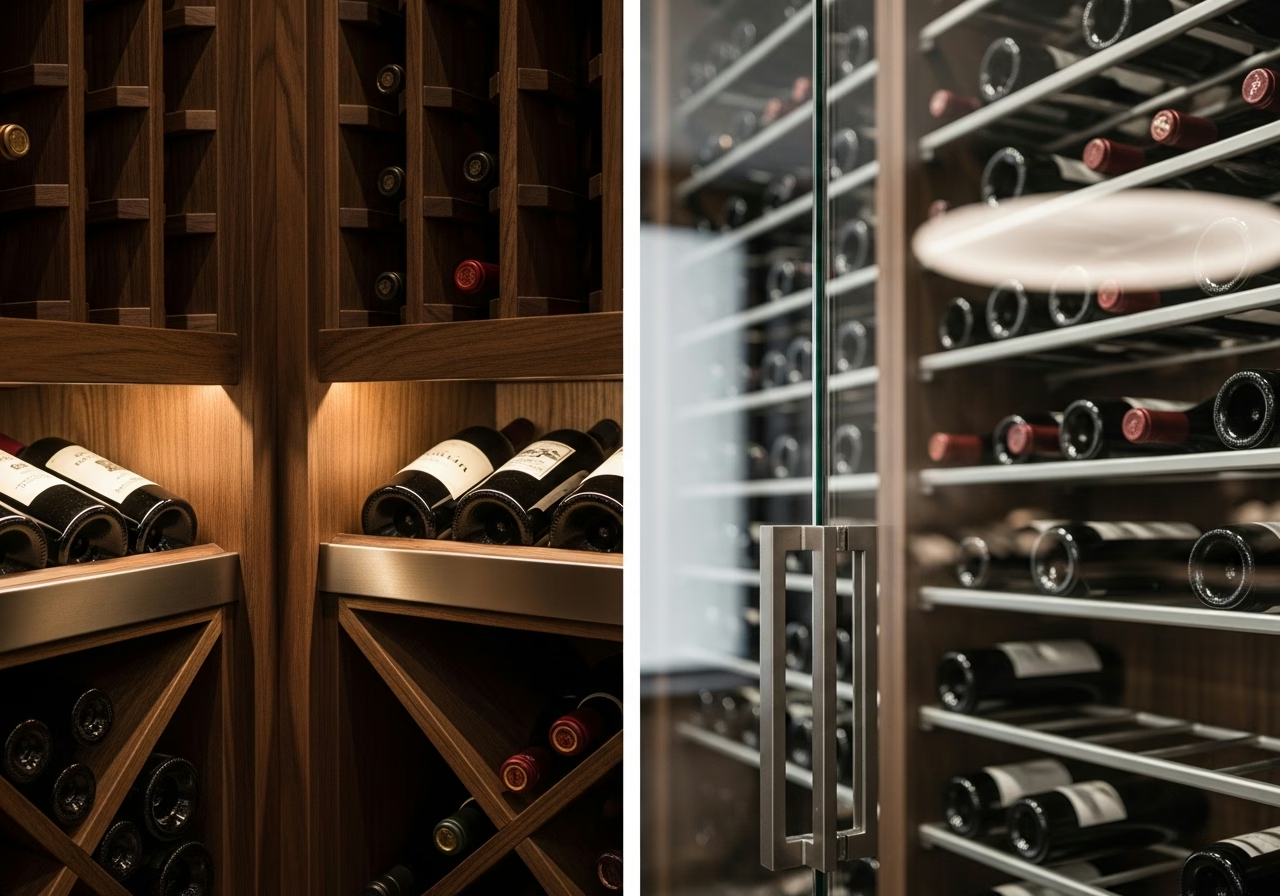
Walk-in (traditional). A dedicated room — most often in a basement — fully framed, insulated to R-30 in walls and R-40 in ceiling, vapor-sealed on the warm side, with a solid or partially glazed door. Wood or metal racking. Stone or engineered hardwood floor. Climate-controlled at 12.5 C and 65% RH. Reads as a "vault." Glass-enclosed (feature wall). A climate-controlled space with one or more walls of thermally broken double-pane low-E glass, often opening to a living room, dining room, or hallway. Visible from primary entertaining spaces. Used as a design feature as much as a storage system. Reads as a "showcase."Some 2026 Toronto builds combine both: a glass face on the entertaining side, traditional opaque sides and back. We have built three of these in Mississauga and Oakville this year alone.
Cost Comparison (2026 GTA, 400-Bottle Capacity)
| Line Item | Walk-In (CAD) | Glass-Enclosed (CAD) |
|---|---|---|
| Framing + drywall | $3,500 | $2,200 (less wall, more glass framing) |
| Insulation + vapor barrier | $5,500 | $4,500 |
| Glass walls (thermally broken, double-pane low-E) | – | $9,500–$14,500 |
| Glass door | – | $3,500–$5,500 |
| Solid insulated door | $1,500 | – |
| Cooling unit + install | $5,500 | $7,000–$10,500 (oversized for glass load) |
| Racking | $11,000 | $11,000 |
| Flooring (stone) | $3,500 | $3,500 |
| Lighting | $700 | $1,400 (visible, design-led) |
| Humidification | $500 | $500 |
| Electrical + permits | $1,200 | $1,200 |
| Total installed | $32,900 | $44,300–$54,900 |
Glass-enclosed runs 35–60% more for the same capacity. The premium is the glass system, the upsized cooling unit (glass walls have 10–15 times the heat transfer of an insulated wall), and the design-led lighting.
Performance: Climate Stability
A walk-in cellar with R-30 walls and a solid insulated door holds temperature within plus or minus 0.5 C with a properly sized cooling unit. Humidity holds 60–70% effortlessly.
A glass-enclosed cellar with a properly sized cooling unit holds temperature within plus or minus 1.0 C and humidity at 55–60%. Slightly drier and slightly more variable, but still well within the safe range for wine. The cooling unit cycles more often, which means slightly higher energy cost ($15–$30/month more) and a moderately shorter cooling unit lifespan (10–14 years vs 12–18 for a walk-in).
The single biggest performance risk on glass-enclosed: condensation on the warm side of the glass during Toronto summer. Mitigation:
- Thermally broken aluminum frame (not raw aluminum).
- Double-pane low-E argon-filled IGUs.
- Floor sweep on the door with magnetic seal.
- Slightly elevated cellar temperature (13.5–14 C instead of 12.5) during peak summer humidity weeks if the surrounding room cannot be dehumidified.
Done right, condensation is a non-issue. Done with single-pane glass or no thermal break, it is a permanent problem.
Capacity Per Square Foot
A traditional walk-in cellar with floor-to-ceiling racking on three walls plus a center island:
- 6x8 ft (48 sf): 400–600 bottles
- 8x10 ft (80 sf): 700–1,100 bottles
- 10x14 ft (140 sf): 1,400–2,200 bottles
A glass-enclosed cellar with one or two glass walls (and the rest racked):
- 6x8 ft: 250–400 bottles
- 8x10 ft: 450–700 bottles
- 10x14 ft: 900–1,400 bottles
Glass walls cost you 30–35% of capacity because that wall cannot be racked. For collectors prioritizing volume, walk-in wins. For showcase-driven buyers, glass wins on visual impact.
Need professional home renovation?
Call RenoHouse at 289-212-2345 or get a free estimate today.
Get Free Estimate →Where Each Format Fits Best in Toronto Homes
Walk-in is the right call when:- The cellar is in a basement and visibility is not a priority.
- Capacity is the goal (700+ bottles).
- The collection includes high-value bottles you do not want on display.
- The home aesthetic is traditional / heritage / European.
- Forest Hill, Bridle Path, Rosedale heritage homes — clients here usually pick walk-in.
- The cellar is on the main floor, in a dining room, or in a hallway.
- Visual impact is part of the design intent.
- Capacity needs are moderate (200–600 bottles).
- The home is contemporary, modernist, or condo-style.
- Yorkville and King West condos, Mississauga's contemporary infill, Oakville lakeside builds — these are glass-cellar markets in 2026.
Resale Impact: 2026 Toronto Appraiser Feedback
Toronto appraiser commentary on 1,400+ cellar-equipped listings in 2025–2026 (multiple agents, multiple price tiers):
- Walk-in cellar in heritage / luxury home: Adds 0.4–0.9% of list price. Buyer expectation is that the home has one; absence is sometimes a negative.
- Glass-enclosed cellar in main-floor entertaining space: Adds 0.6–1.4% of list price. High visual ROI in marketing photography and listing video.
- Glass-enclosed cellar in a non-luxury home ($1.2M and below): Sometimes overbuilt for the market; appraisers may discount.
- Walk-in cellar in a non-luxury home: Adds modest value and reads as well-built basement.
The headline: glass produces stronger listing-photo impact, walk-in produces stronger appraisal value in heritage / traditional luxury markets. Full ROI analysis in wine cellar ROI Toronto home value.
Build Time
| Phase | Walk-In | Glass-Enclosed |
|---|---|---|
| Design + permits | 2–4 weeks | 3–5 weeks |
| Framing + insulation + drywall | 2 weeks | 1–2 weeks |
| Glass system install | – | 2–3 weeks (lead time on custom glass) |
| Cooling install | 1 week | 1 week |
| Flooring + racking + lighting | 2 weeks | 2 weeks |
| Commissioning | 1 week | 1 week |
| Total | 8–10 weeks | 10–14 weeks |
Glass takes longer because thermally broken cellar glass is custom-fabricated, with 4–8 week lead times from a Toronto-area glass shop. Plan accordingly.
Lighting Strategy Differs
A walk-in cellar uses lighting for visibility and atmosphere. UV-free LED puck lights or LED tape under racking shelves works fine.
A glass-enclosed cellar uses lighting for visual impact from the surrounding room. The lighting needs to be:
- UV-free (always, for any wine).
- Color-temperature-tuned to the surrounding room's lighting (typically 2700K).
- Dimmable, scene-controlled (Lutron Caseta, Casambi).
- Layered: cove lighting, shelf lighting, a feature accent on a "trophy bottle" wall.
Budget: walk-in lighting $400–$1,200 installed. Glass-enclosed lighting $1,200–$3,500. Detail in wine cellar lighting temperature humidity.
Door Choice
Walk-in: solid wood-clad insulated door with magnetic seal and sweep, typically 1-3/4" thick with R-12 core. $1,200–$2,500.
Glass-enclosed: thermally broken aluminum frame, double-pane low-E glass, hydraulic closer, magnetic seal. $3,500–$7,500. Often etched, leaded, or sandblasted with a custom motif.
Combining Both Formats
The "best of both" build: glass face on the entertaining side, opaque insulated walls on the others. Capacity hit is only 25–30% (vs 35% for fully glass-enclosed), the cooling load is lower than full glass, and the visual impact is preserved on the side that matters. Cost lands roughly halfway between the two pure formats.
This hybrid is becoming the dominant 2026 luxury build in Toronto. Out of 22 cellars we delivered in 2025, 9 were walk-in, 6 were fully glass-enclosed, and 7 were hybrid.
FAQ
Can I convert a walk-in to glass-enclosed later?Technically yes; in practice it costs nearly as much as a fresh build. Cooling unit and racking would need replacement. Decide at design stage.
Does glass really hold humidity?Yes, with proper sealing and a sized cooling unit. Detail above.
Can I see my collection through the glass clearly?Low-E coatings have a slight tint. Premium tempered low-iron low-E glass produces 88–92% visible light transmission. The collection reads clearly.
Glass-enclosed in a high-traffic area — is glare a problem?Plan the glass orientation to avoid direct south or west light. Frosted lower panels are common to reduce glare and provide a visual "base."
Does one format hold value better long-term?Walk-in for heritage / European-aesthetic homes; glass-enclosed for contemporary / urban condos. Match the format to the home, not to the trend.
What happens if the cooling unit fails?Glass cellar warms up faster (about 1 C/hour) than walk-in (0.4 C/hour). Both are safe for 24–48 hours of cooling failure if the surrounding room is below 22 C. Beyond that, wine quality risk increases.
---
Choosing between a walk-in and glass-enclosed wine cellar for your Toronto, Oakville, Mississauga, or Vaughan home? RenoHouse builds both formats and the hybrid configuration that combines them. Book a free consultation on our wine cellar installation service page.
Sources & References
Authoritative sources cited in this guide:
- Ontario Building Code — OBC official text
- Toronto Building Permits — City permit portal
- Tarion New Home Warranty — Ontario new-build warranty regulator
- HCRA — Home Construction Regulatory Authority — Ontario builder/vendor licensing
Continue Reading
- Glass-Enclosed Wine Cellar in a Toronto Living Room (2026 Guide)
- Wine Cellar Installation Toronto: Complete 2026 Cost & Design Guide
- Wine Cellar Cost in Toronto: 2026 Budget vs Premium Comparison