RenoHouse

# Flood Prevention Toronto: Homeowner Checklist for 2026
Quick answer. Toronto's basement flood risk is structural — combined sewers in older neighbourhoods, climate-driven storm intensity, and aging private plumbing all combine to make basement flooding one of the most expensive single events a Toronto homeowner can face.Toronto's basement flood risk is structural — combined sewers in older neighbourhoods, climate-driven storm intensity, and aging private plumbing all combine to make basement flooding one of the most expensive single events a Toronto homeowner can face. The good news is that comprehensive prevention is achievable for under $5,000 net of subsidy in 2026, and most of the work is one-time.
This is the RenoHouse 2026 checklist for Toronto homeowners. It covers the structural protections (covered by the $6,650 subsidy), the annual maintenance items, and the seasonal preparations that make the difference between a working flood-protection system and one that fails on the day you need it. For broader context see the pillar Backwater Valve & Sump Pump Toronto: Complete 2026 Subsidy Guide. For warning signs that you should act, see Signs You Need a Backwater Valve in Your Toronto Home.
Section 1: Structural Protections (One-Time, 2026 Subsidy-Eligible)
These are the major retrofits the subsidy was designed to cover.
Backwater Valve on Main Sanitary Lateral
- What: Mainline normally-closed flap valve, typically 4-inch
- Why: Blocks city-sewer surcharge from backing into basement
- Cost: $1,800–$3,200 gross / $550–$1,950 net of subsidy
- Subsidy: $1,250 per valve (max 2 = $2,500)
Sump Pump + Sealed Pit
- What: 1/2 HP submersible pump in 18–24" sealed polyethylene pit
- Why: Pumps groundwater out before it reaches basement floor
- Cost: $2,500–$4,500 gross / $750–$2,750 net
- Subsidy: $1,750 max
- Brands: Liberty 287, Zoeller M267, Wayne CDU980E
Battery Backup Pump
- What: Secondary 12V DC pump in same pit
- Why: Pumps when AC power is out (storms = outages)
- Cost: $700–$1,200 + battery ($260–$340)
- Subsidy: Eligible if bundled with primary install
- Brands: Zoeller Aquanot Fit 508, Liberty SJ10
Weeping Tile / Foundation Drain Disconnection
- What: Sever the foundation drain connection to sanitary sewer; re-route to sump pit
- Why: Eliminates a major source of combined-sewer overflow; complies with Bylaw 681
- Cost: $3,500–$6,500 gross / $0–$2,850 net
- Subsidy: $3,650 max
Window Wells (if Applicable)
- What: Concrete or galvanized window wells with covers and proper drainage
- Why: Prevents surface water from pooling against basement windows
- Cost: $400–$1,200 per window
- Subsidy: Not currently eligible
For the full subsidy structure, see Toronto Basement Flooding Subsidy 2026: $6,650 Program Explained.
Need professional plumbing?
Call RenoHouse at 289-212-2345 or get a free estimate today.
Get Free Estimate →Section 2: Exterior Drainage (One-Time, Some Subsidy)
Eavestrough & Downspout Health
- Inspect twice yearly (spring + fall) for blockages
- Downspout extensions must discharge at least 6 feet from foundation
- Disconnect downspouts from sanitary or storm sewer if connected (Toronto offers a small rebate for this through Toronto Water)
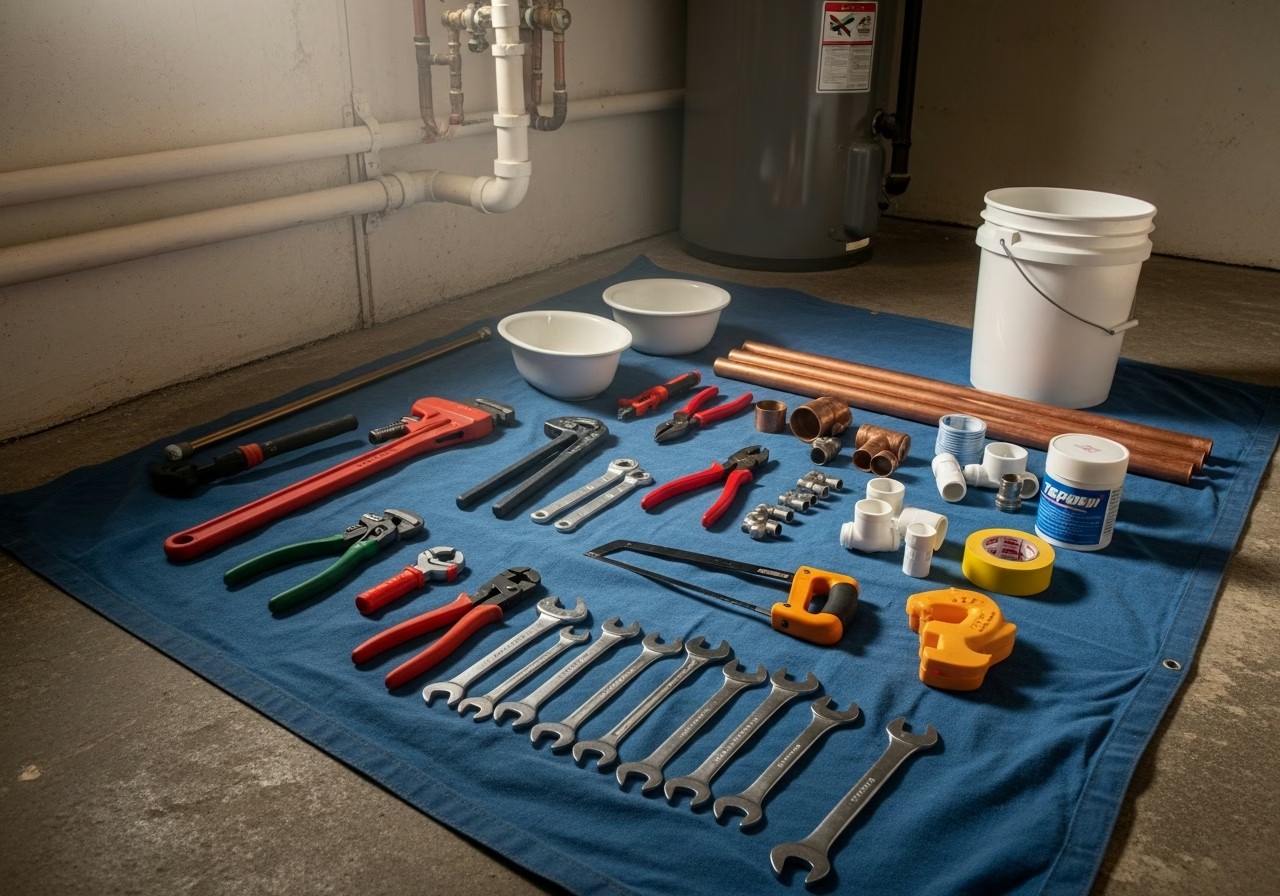
Lot Grading
- Slope away from foundation at minimum 6 inches drop over 10 feet
- Common Toronto issue: settled soil over decades creating reverse slope toward foundation
- Re-grading cost: $1,200–$3,500 depending on lot size
Driveway & Walkway Drainage
- Check that water flows AWAY from house, not toward it
- Trench drains at garage thresholds prevent garage flooding
Foundation Cracks
- Inspect annually for new or growing cracks
- Hairline cracks are typically benign
- Cracks wider than 3 mm or with efflorescence indicate water passage; need urethane injection ($300–$600 per crack)
Section 3: Interior Maintenance (Annual)
Backwater Valve Inspection
Every 12 months:- 1. Lift cover plate
- 2. Visually inspect flap — should swing freely, no debris
- 3. Wipe flap and seat with damp rag
- 4. Check gasket — replace every 5–7 years
- 5. Confirm cleanout port is accessible
Sump Pump Test
Every 6 months:- 1. Pour 5 gallons of water into pit
- 2. Verify pump activates within 10 seconds
- 3. Verify pump empties pit fully
- 4. Verify shutoff is clean (no chatter)
- 5. Listen for unusual motor noise
Battery Backup Test
Every 6 months:- 1. Disconnect AC supply to primary pump
- 2. Pour 5 gallons of water into pit
- 3. Verify DC backup activates
- 4. Listen for alarm tones
- 5. Reconnect AC
Discharge Pipe Check
Every 6 months:- 1. Walk to where discharge daylights outside
- 2. Verify pipe is clear, no ice/debris/animal nests
- 3. Verify discharge is at least 6 feet from foundation
- 4. In winter: check that exposed portion is insulated or buried below frost line
Plumbing Inventory
Annually:- 1. Test all basement floor drains by pouring water (verify they drain quickly)
- 2. Test laundry standpipe (run washing machine, watch for slow drain)
- 3. Test basement bathroom fixtures (if any)
- 4. Check around water heater base for moisture
- 5. Inspect HVAC condensate line drain
GFCI / AFCI Reset
Annually:- Press TEST button on every basement GFCI outlet
- Press TEST button on AFCI breakers (if applicable)
- Reset and verify
Section 4: Seasonal Preparations
Spring (April–May)
- Full 6-month maintenance cycle (above)
- Clear eavestroughs of winter debris
- Inspect downspout connections after frost heave
- Test sump pump heavily before storm season starts
- Trim back any roots growing toward foundation drain
Summer (June–August) — Storm Season Priority
- Keep basement clear of stored items at floor level
- Battery backup at 100% charge
- Have plumber's number stored in phone
- Know your insurance claim hotline (most insurers have post-storm fast-track)
Fall (September–November)
- Second annual maintenance pass
- Eavestrough cleaning (post-leaf-drop)
- Disconnect garden hoses (frost protection)
- Insulate exposed discharge pipe sections
Winter (December–March)
- Monitor sump pump weekly for ice in discharge line
- Watch basement for unusual moisture during thaws
- Snow management: don't pile snow against foundation
- Ice dam prevention on roof (heat tape on eavestroughs if needed)
Section 5: During a Storm
If a major rain event is forecast:
- 1. Verify both pumps are working (test before, not during)
- 2. Move stored items 12+ inches off basement floor
- 3. Charge phones, flashlights, devices (in case of outage)
- 4. Have insurance documents accessible
- 5. Know how to shut off main water and gas (if needed)
After the storm:
- 1. Check basement immediately
- 2. Document any water with photos before cleanup
- 3. Test pumps again (storms can damage equipment)
- 4. File insurance claim within 48 hours if any damage
- 5. Take photos of working backwater valve (gives insurer evidence the system worked)
Section 6: When to Call a Plumber
Call a Toronto-licensed plumber if:
- Sump pump runs continuously for more than 30 minutes
- Sump pump cycles on/off rapidly (short-cycling — usually missing check valve)
- Backwater valve flap is stuck open or closed
- Slow drainage in basement floor drain
- Sewer odour in basement
- Visible water around foundation perimeter
- Any new foundation crack with active water flow
Section 7: Insurance Documentation
Keep these documents in a flood-resistant location (cloud storage, off-site):
- Backwater valve install invoice + permit + inspection
- Sump pump install invoice
- Battery model + battery installation date
- Photos of equipment (with serial numbers visible)
- Annual maintenance log
- Toronto subsidy application + approval letter
These documents support insurance claims and any future subsidy or insurance discount applications. For details on what insurers expect, see Sewer Backup Insurance Coverage Toronto: What You're Actually Protected Against.
Quick-Reference Checklist Card
Print this and tape it inside your sump-pump room:
Every 6 months:- [ ] Pour water in pit, test primary pump
- [ ] Pour water in pit, test backup pump (AC unplugged)
- [ ] Inspect discharge pipe outside
- [ ] Lift backwater valve cover, inspect flap
- [ ] Replace pump check valve if older than 5 years
- [ ] Replace battery if older than 5 years (AGM) or 10 (lithium)
- [ ] Replace backwater valve gasket if older than 5 years
- [ ] Eavestrough cleaning + downspout check
- [ ] Foundation crack walk-around
- [ ] Plumber service call for full system inspection
- [ ] Camera inspection of main sewer lateral
Related Reading
Backwater Valve & Sump Pump Toronto: Complete 2026 Subsidy Guide, Battery Backup Sump Pump Toronto: Brand & Capacity Comparison, Backwater Valve Installation Mistakes in Toronto Homes.Ready for an Annual Service?
RenoHouse provides annual flood-protection maintenance for Toronto homes — pump test, valve inspection, gasket replacement as needed. Visit our Backwater Valve & Sump Pump Bundle Service Page.
Sources & References
Authoritative sources cited in this guide:
- Toronto Sewer Use Bylaw 681 — Toronto plumbing/sewer regulations
- Ontario Building Code 7 (Plumbing) — OBC plumbing standards
- Health Canada — Drinking Water — Health Canada drinking water guidelines
- CSA B149.1 Natural Gas Code — Canadian gas installation code
Continue Reading