RenoHouse

# Cold Plunge Maintenance Schedule: Water Care, Filtration, Cleaning
Quick answer. A residential cold plunge is genuinely low-maintenance compared to a hot tub — but only if you follow a real schedule. The mistake we see most often in Toronto homes is treating it like a sealed appliance: people fill it, run it, and forget about water chemistry, filter cycles, and chiller health for 6 months.A residential cold plunge is genuinely low-maintenance compared to a hot tub — but only if you follow a real schedule. The mistake we see most often in Toronto homes is treating it like a sealed appliance: people fill it, run it, and forget about water chemistry, filter cycles, and chiller health for 6 months. That's how you get a tub that smells faintly off, a chiller that fails out of warranty, and a $1,500 surprise.
This guide is the schedule we hand every Toronto client after a wellness-suite install. For the full installation context, see our pillar Cold Plunge Installation Toronto: Complete 2026 Guide.
How a Residential Cold Plunge Stays Clean
Three systems work in parallel:
- 1. Filtration — a 5–20 micron pleated filter cartridge runs in-line with the chiller pump. Removes particulates (skin cells, hair, lint).
- 2. Sanitation — typically ozone (built-in O3 generator) plus a low residual of chlorine or bromine, or a mineral cartridge with hydrogen peroxide top-ups. Kills bacteria.
- 3. Cold itself — water below 12 C dramatically slows microbial growth on its own. This is why a cold plunge can run weeks between water changes when a hot tub can't.
A well-maintained Toronto cold plunge uses 60–90% less chemical than a comparable hot tub. The cold does most of the work.
Daily Tasks (1–2 minutes)
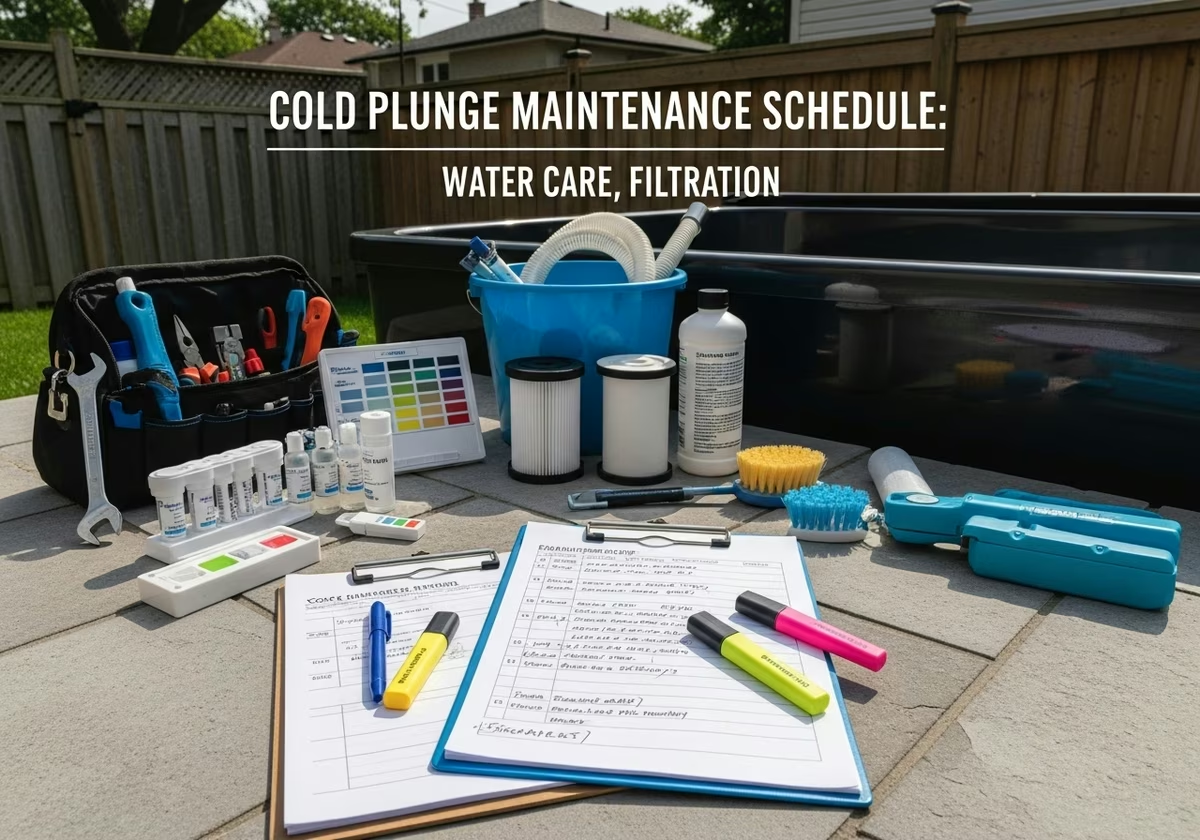
After every use:
- Wipe the waterline with a microfiber cloth. Skin oils accumulate at the surface; dealing with them daily prevents a ring forming.
- Remove visible debris with a small skimmer net (hair, lint).
- Check the cover is fully closed and latched if applicable. Open covers let dust and humidity in, both of which load the filter.
- Glance at the chiller display — confirm temperature is at setpoint and no error code is showing.
That's it. Daily maintenance is minutes, not hours.
Weekly Tasks (10 minutes)
Pick one day a week and stick with it. Most clients we work with do this Sunday morning.
- Test water with a 6-in-1 test strip: free chlorine/bromine, pH, alkalinity, hardness, cyanuric acid (if outdoors), TDS. Adjust as needed:
- Alkalinity 80–120 ppm
- Free chlorine 0.5–1.5 ppm (or bromine 1–3 ppm)
- Rinse the filter with a hose, working from inside out. Don't use pressure washers — they shred the pleats.
- Check water level — top up to mark with cold water (Toronto tap water is fine; some clients use filtered).
- Wipe interior walls with a microfiber cloth. Light biofilm prevention.
If you're running a chlorine-free protocol (ozone + hydrogen peroxide), test residual H2O2 with strips weekly and dose to 30–50 ppm.
Monthly Tasks (30 minutes)
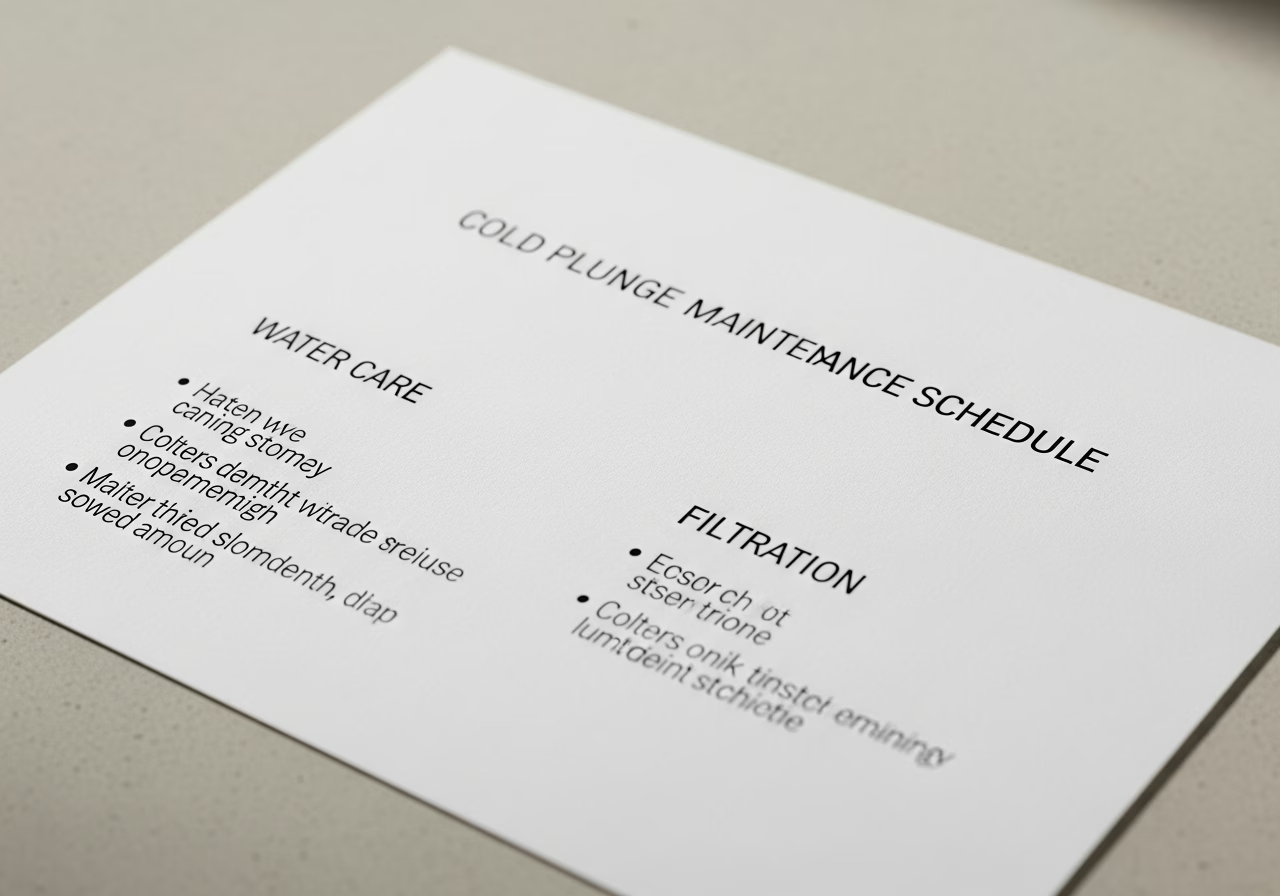
Once a month — same day each month, calendar reminder helps:
- Deep filter clean — soak the cartridge in filter cleaner solution overnight, rinse thoroughly. Replace every 6–12 months.
- Inspect ozone generator — most have an LED that should be on when the unit is generating. Confirm the output line bubbles when you pop the plunge cover. Failed ozone is the #1 silent maintenance issue we find on service calls.
- Wipe the cover top and underside — the underside collects condensation and biofilm.
- Check chiller condenser fins — if dust-clogged, vacuum or blow out with compressed air. A blocked condenser fails early. Toronto basement air carries furnace lint that loads condensers fast.
- Drain a small water sample and look at it on white. Cloudiness or color change = water needs full replacement next week.
Quarterly Tasks (1–2 hours)
Every 3 months:
Need professional home renovation?
Call RenoHouse at 289-212-2345 or get a free estimate today.
Get Free Estimate →- Full water replacement. Drain to a sump or floor drain, scrub interior with non-abrasive cleaner, refill from cold tap. Many clients use this as the annual rhythm and stretch to 4–6 months between drains if water tests stay clean.
- Sanitize the plumbing lines with a line flush product (SpaPure, AquaFinesse). Run for 30 minutes, then drain and refill.
- Check chiller refrigerant — visually inspect for oil staining at line fittings. Hire a pro if you spot any.
- Calibrate test strips — open a fresh bottle. Strips degrade at 6+ months.
- Inspect the floor drain under or near the plunge — pour a bucket of water through, confirm it drains within seconds.
Seasonal Tasks (Toronto-specific)
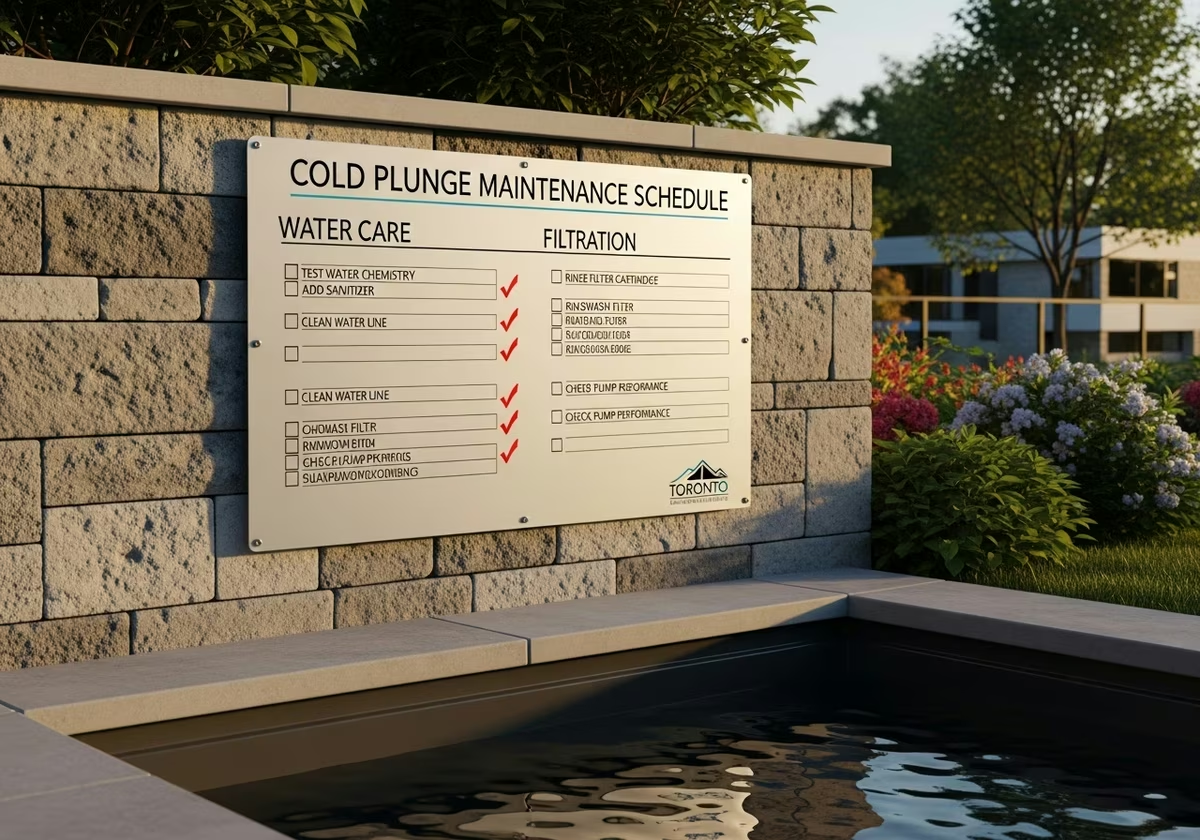
Late October (before first frost)
If your plunge is outdoors, this is the time to either:
- Insulate and run through winter. Most outdoor plunges in Toronto run year-round if the cabin is insulated to R-20+, the chiller has a freeze sensor, and the lid stays closed. Compare in Outdoor vs Indoor Cold Plunge Toronto: Which to Choose.
- Winterize. Drain, blow lines with compressed air, leave drain valve open, cover.
April (after last hard frost)
If winterized, refill, run sanitizer cycle for 24 hours, then commission for the season.
Indoor units
Two seasonal jobs: in summer, check basement dehumidifier — high outdoor humidity overloads basement air, which then condenses on the cold plunge surfaces. Maintain basement RH at 45–55%. In winter, watch for basement dryness — sauna + cold plunge contrast use can pull RH below 30%, which dries woodwork and skin.
Annual Tasks
Once a year, ideally same month each year:
- Replace the filter cartridge (or sooner if soaked monthly soak isn't recovering flow).
- Replace ozone diffuser stones — they clog and reduce O3 throughput.
- Replace the UV bulb if your plunge has UV sterilization — bulbs lose output well before they go dark.
- Service the chiller by an HVAC tech: refrigerant pressure check, clean condenser thoroughly, lubricate fan motor.
- Inspect tile grout/caulk for tile-lined plunges. Re-caulk corners showing any compression. Failed caulk is the leading source of basement leaks on built-in plunges.
Chemical Math: Toronto Tap Water
Toronto tap water comes in around pH 7.6, alkalinity 90 ppm, hardness 110 ppm. That's nearly perfect starting chemistry for a cold plunge — most fills require minimal adjustment day one.
Most Toronto installs we service run on:
- Ozone + chlorine residual (0.5 ppm) — simplest, lowest cost
- Ozone + bromine — better for sensitive skin
- Ozone + hydrogen peroxide — chlorine-free, popular with biohackers, requires more frequent dosing
For the full chemistry breakdown, get a copy of your specific manufacturer's water care manual and follow it. Plunge.com, Cold Stoic, and Renu Therapy each publish detailed protocols.
Cost of Maintenance Per Year
Realistic Toronto numbers for a 100-gallon residential plunge:
| Item | Annual Cost |
|---|---|
| Test strips (2 bottles) | $30–$50 |
| Sanitizer (chlorine or H2O2) | $60–$120 |
| Ozone generator electricity | $20–$40 |
| Chiller electricity (24/7) | $400–$700 |
| Filter cartridges (2/yr) | $50–$120 |
| Annual chiller service | $200–$400 |
| Water replacement (4×/yr × 100 gal) | $5–$15 |
| Total | $765–$1,445/yr |
Compared to a hot tub at $1,200–$2,500/yr, a cold plunge is genuinely cheaper to operate.
When to Call a Pro
Most maintenance is owner-doable. Call a pro for:
- Chiller errors that don't clear after a power cycle
- Chiller running but water not cooling within 4 hours of setpoint reset
- Persistent cloudy water that won't clear after shock + filter clean
- Any visible refrigerant leak (oil staining, hissing)
- Tile grout cracking or visible water behind the plunge
- Electrical issues — these are not DIY (see Cold Plunge Electrical Requirements)
Common Maintenance Mistakes
The most common Toronto-specific maintenance failures we see:
- Skipping the ozone check. A failed O3 generator means you're running on chlorine alone, which depletes faster, and water quality degrades silently.
- Pressure-washing the filter. Shreds pleats. Hose-rinse and chemical-soak only.
- Letting the cover stay open. Doubles dust and humidity ingress.
- Topping up with hot water. Stresses the chiller. Use cold tap.
- Leaving Toronto winter water unattended on an outdoor unit without freeze sensor. A frozen plunge cracks the shell and the chiller heat exchanger. Either keep it running with proper insulation or fully drain.
We cover the install-side mistakes that cause maintenance headaches in Cold Plunge Installation Mistakes to Avoid.
FAQ
How often do I really need to drain and refill?With ozone + sanitizer + cold + good filter discipline, every 3–4 months. Some clients stretch to 6 months. Without ozone, every 4–6 weeks.
Can I use a saltwater system?Yes. Most major brands offer salt-chlorine generation. Reduces chemical handling but adds a sacrificial cell that needs replacement every 3–5 years.
What if I'm away for 3 weeks?Cover closed, chiller running, ozone running, sanitizer dose at upper end of range before leaving. Plunge will be ready when you return.
Does Toronto's hard water matter?Hardness around 110 ppm is mid-range — fine for plunge water. If you're on a softener already, hardness drops to near zero, which over time can corrode some chiller heat exchangers. Check with manufacturer.
Can I do this myself or do I need a service contract?DIY is realistic for 95% of homeowners. A once-per-year pro service for the chiller is sensible insurance.
---
Need help building a cold plunge that's easy to maintain — with the right ozone, filtration, and drain integration from day one? RenoHouse builds wellness suites with maintenance designed in. Book a free consultation on our cold plunge installation service page.
Sources & References
Authoritative sources cited in this guide:
- Ontario Building Code — OBC official text
- Toronto Building Permits — City permit portal
- Tarion Warranty — Ontario warranty regulator
- CSA Group Standards — Canadian standards
Continue Reading
- DIY Cold Plunge from Chest Freezer: Toronto Step-by-Step
- Cold Plunge Installation Toronto: 2026 Cost & Setup Guide
- How to Install Cold Plunge in Basement: 7-Step Toronto Guide