 RenoHouse
Basement Underpinning & Lowering — Toronto GTA
Professional basement underpinning services in Toronto and the Greater Toronto Area. Licensed, insured, and trusted by homeowners across the GTA.
Projects Completed
Years Experience
Client Satisfaction
Google Rating
How It Works
A simple, stress-free process from start to finish.
Send Your Request
Call or WhatsApp us 24/7. Send photos, video, comments about what needs to be done, and your location.
Remote Estimate
We review everything, discuss details, and provide a clear estimate — often within hours, no visit needed.
Repair Process
Our licensed team arrives on the agreed date and completes your basement underpinning to the highest standards.
Handover & Warranty
Final walkthrough with you, full cleanup, and warranty documentation provided.
Send Your Request
Call or WhatsApp us 24/7. Send photos, video, and a description of the work + your location.
Remote Estimate
We review everything, clarify details, and give you a price — often within hours.
Repair Process
Licensed team arrives on schedule and completes your basement underpinning professionally.
Handover & Warranty
Final walkthrough, full cleanup, and warranty documentation.
Basement Underpinning in Toronto GTA
RenoHouse coordinates basement underpinning and basement-lowering projects for Toronto and GTA homeowners adding legal basement apartments, basement saunas, wine cellars, gyms, and high-finish recreation spaces. Underpinning excavates and pours new footings deeper than the existing foundation, lowering the basement floor by 1–3 ft to create the head height that older Toronto homes were never built with. The flagship completes our basement strategy: where waterproofing protects the basement, finishing makes it usable, and underpinning makes it legal as a habitable dwelling unit.
Why Toronto homes need underpinning
Most Toronto homes built before 1950 have basement ceilings of 6'2"–6'8" — uninhabitable per Ontario Building Code OBC 9.10, which requires 1.95 m (6'5") minimum head height for habitable rooms in dwelling units. Underpinning to 7'6"+ unlocks: legal basement apartments under Bill 23 / Toronto multiplex bylaw 474-2023 (a 4-plex requires legal head height in the basement unit), legal main-floor in-law suites with basement utility access, basement saunas (require 7'6"+ for headroom over the bench), basement wine cellars (typically 7'+), basement home gyms (8'+ for overhead exercises), basement bedrooms with proper egress windows, and home offices that add resale value rather than depressing it. The neighbourhoods where underpinning is most economically logical: Cabbagetown, Riverdale, Leslieville, Roncesvalles, High Park, the Beaches, Junction Triangle, Bloor West Village, Annex, Wychwood — pre-1950 housing stock with high property values where the basement square footage uplift outpaces the underpinning cost.
Bench footings vs. full underpinning — the trade-off
Two structurally valid approaches:
Bench footings: a concrete bench is poured along the inside perimeter of the existing foundation, reducing the basement's interior floor area by about 1.5–2 ft on each wall but adding head height at the centre of the room. Cheaper ($30,000–$50,000 typical Toronto bungalow), faster (4–8 weeks), and structurally simpler. Best for narrow-lot semis where excavation access is constrained, for budget-sensitive projects, and where the lost floor area is acceptable. Limitation: doesn't add as much usable space as underpinning, and the perimeter bench reduces design flexibility (no flush walls).
Full underpinning: the existing foundation is excavated section-by-section, deeper footings are poured under the original foundation, and new footings carry the load. The basement floor is then lowered to the new footing depth and a new concrete slab is poured. Adds 1–3 ft of head height across the entire basement floor area without reducing room dimensions. More expensive ($80,000–$150,000+ typical Toronto detached), longer timeline (10–20 weeks for excavation/concrete, additional 4–8 weeks for finish wrap), structurally more complex (PEng oversight throughout). Best for full multiplex conversions, premium basement renovations, and homes where every square foot matters.
Project value and bundle scope
Underpinning structural scope only (engineering, excavation, footings, slab): $80,000–$150,000 for typical Toronto detached. Bench footing structural scope: $30,000–$50,000. Add waterproofing during underpinning (interior membrane, exterior weeping tile, sump pump bundle): +$8,000–$25,000. Add basement-finish wrap (framing, electrical, plumbing rough-in, drywall, flooring, painting, finished kitchen for legal suite): +$60,000–$150,000. Total underpinned + finished basement: $200,000–$400,000. Premium Toronto basement legalization with full multiplex unit: $300,000–$500,000.
Honest scope — engineering and licensing
Underpinning is a structural project that requires (1) Professional Engineer (PEng) of record — a licensed Ontario structural engineer who designs the underpinning sequence, specifies steel reinforcement and concrete strength, signs sealed drawings, and inspects critical milestones. RenoHouse does NOT have a PEng on staff — we work with named partner structural firms (typical fee $4,000–$12,000 for a full underpinning design). (2) Building Permit — submitted with sealed PEng drawings, soil conditions, and existing-foundation survey. (3) Specialty excavation/concrete contractor — RenoHouse does not own underpinning excavation equipment; we coordinate licensed underpinning specialists (Dryshield, Strong Basements, Aquamaster, Nusite Group, or equivalent) for the structural work, and we handle the renovation finish wrap (waterproofing, framing, electrical, plumbing, drywall, paint, flooring) in-house. (4) Insurance — underpinning requires excess liability coverage ($5M+ specialty endorsement); both the engineering firm and the structural sub carry this on their own policies; RenoHouse carries general liability that covers our scope (renovation finish work).
Toronto soil conditions
Most Toronto sits on fill over Lake Iroquois sediment — clay-dominated soils with significant hydrostatic pressure when wet. Implications: drainage assembly during underpinning is critical (interior membrane PLUS exterior weeping tile PLUS sump pump system); excavation faces must be stepped, supported, or shored to prevent collapse; soil-bearing capacity is typically adequate (3,000–5,000 psf for residential underpinning) but soil report is required for the building permit; freeze-thaw frost penetration is ~1.2 m so new footings must extend below ~4 ft, but underpinning typically goes deeper anyway for head-height gain.
Sequencing with multiplex conversion
The killer Toronto value-creation play: underpinning + multiplex conversion + (optional) garden suite or laneway suite = 5-unit CMHC MLI Select stack. Mechanics: existing detached or semi is converted to a 4-unit multiplex under Toronto Bylaw 474-2023 (basement unit + main-floor unit + 2nd-floor unit + 3rd-floor or rear unit). Basement unit requires legal head height — underpinning is the unlock. Adding a garden suite or laneway suite (1 additional unit) crosses the CMHC MLI Select threshold (5+ units) which unlocks 95% LTV financing, 50-year amortization, and energy-efficiency forgivable grants up to $85,000/unit. RenoHouse delivers the underpinning + multiplex construction; financing structuring is between the homeowner and a qualified mortgage broker — we do NOT arrange CMHC MLI Select financing.
Common pitfalls we manage
(1) Neighbour notification — underpinning within 2 m of a property line legally requires written neighbour notification 21 days before excavation (Toronto Construction Bylaw); we manage notice and any party-wall agreements. (2) Insurance during underpinning — most home insurance policies require disclosure of underpinning work and may exclude the construction period; we coordinate construction-all-risks insurance through specialty broker. (3) Heritage Conservation Districts — underpinning that affects exterior elements (window wells, walkout) requires Heritage Permit; we avoid where possible by keeping interior-only scope. (4) Existing tenants — multiplex conversion projects typically require vacant possession during underpinning; LTB procedures (N12/N13 notices) are the homeowner's responsibility, not ours.
Serving Toronto, Mississauga, Brampton, Vaughan, Markham, Richmond Hill, Oakville, Burlington, Etobicoke, Scarborough, North York, and all GTA communities. Call 289-212-2345 for a free underpinning-feasibility consultation.

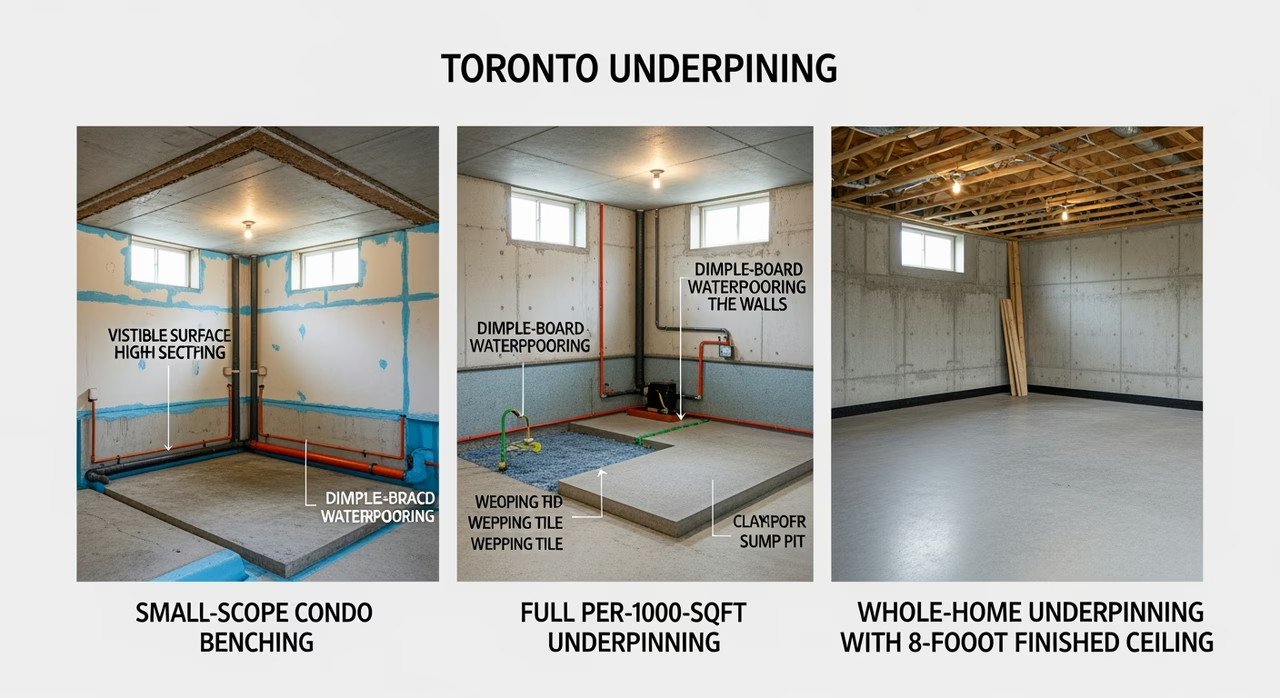
Basement underpinning is the single highest-stakes residential structural scope in the GTA — a permit-mandatory, PEng-stamped, geotechnical-verified excavation under live load that creates 12 to 24 inches of new ceiling height by lowering the existing foundation footings in a pinned-sequence pour. In 2026 we see three dominant tiers across the GTA: a small-scope condo benching or row-house single-room ceiling raise on existing slab at $45,000 to $60,000; a full underpinning per 1,000 square feet of basement footprint (excavate to 6-12 inches below footing, pour new pads under existing footings in pinned sequence, new perimeter drainage, new slab, weeping tile, sump pit) at $100,000 to $140,000 typical mid; and a whole-home underpinning of a detached 2,000+ sq ft footprint with full perimeter underpin, new slab, interior drainage, waterproofing membrane, 8-foot finished ceiling target, and structural PEng review at $180,000 to $200,000 and up.
The single most common reason a Toronto underpinning project goes wrong is sequence discipline. Underpinning works because the load on a footing is supported by the soil under the adjacent unexcavated footing while the pin under the current pit cures — and that means you cannot excavate two adjacent pins at the same time, you cannot pour wet against a still-soft adjacent pin, and you cannot skip the 28-day cure between pins on a heavy-load corner. Crews that try to compress the schedule, dig adjacent pins, or undermine the load path before pour cure produce footing settlement, cracks in the upstairs framing, and in the worst cases partial wall collapse. Every RenoHouse underpinning project follows a PEng-stamped pin sequence and is photographed and timestamped at every pour.
What is involved in a Toronto basement underpinning
A basement underpinning at RenoHouse starts with a geotechnical scope: a soil test report (penetrometer, density, water-table depth, soil-type classification per OBC tables) from a licensed geotechnical engineer, a structural-engineering review of the existing foundation and load paths by a PEng, a site survey to verify lot lines and any setback restrictions, an archaeological-and-utilities scan (Toronto and most GTA municipalities require Ontario One Call locates and any heritage / archaeological flags), and a building-permit application under Toronto Chapter 363 with PEng-stamped drawings and a Section 11 OBC structural review.
We then proceed to interior demolition (Designated Substance Survey under MOL Reg 278/05 first if pre-1990 stock — asbestos in vermiculite insulation, drywall joint compound, vinyl tile, and pipe lagging is routine in Toronto pre-1990 basements), removal of all interior partitions and finishes, removal of the existing slab to expose the subgrade, layout of the pin sequence per PEng drawings (typically 4-foot-wide pins alternating around the perimeter with at least one intact pin separating any two open pins), pin-by-pin excavation under each section of existing footing in turn — first the pit, then a temporary support beneath the existing footing (steel angle and shim, or a hydraulic prop where required), then the rebar cage placed in the pit, then a concrete pour at 30 MPa to the underside of the existing footing with a dry-pack mortar topping to fully transfer load, then a 28-day cure before the adjacent pin is excavated. After the full perimeter is underpinned, the new slab is poured over a new compacted aggregate base with a 6-mil vapour barrier and weeping tile bedded around the new perimeter.
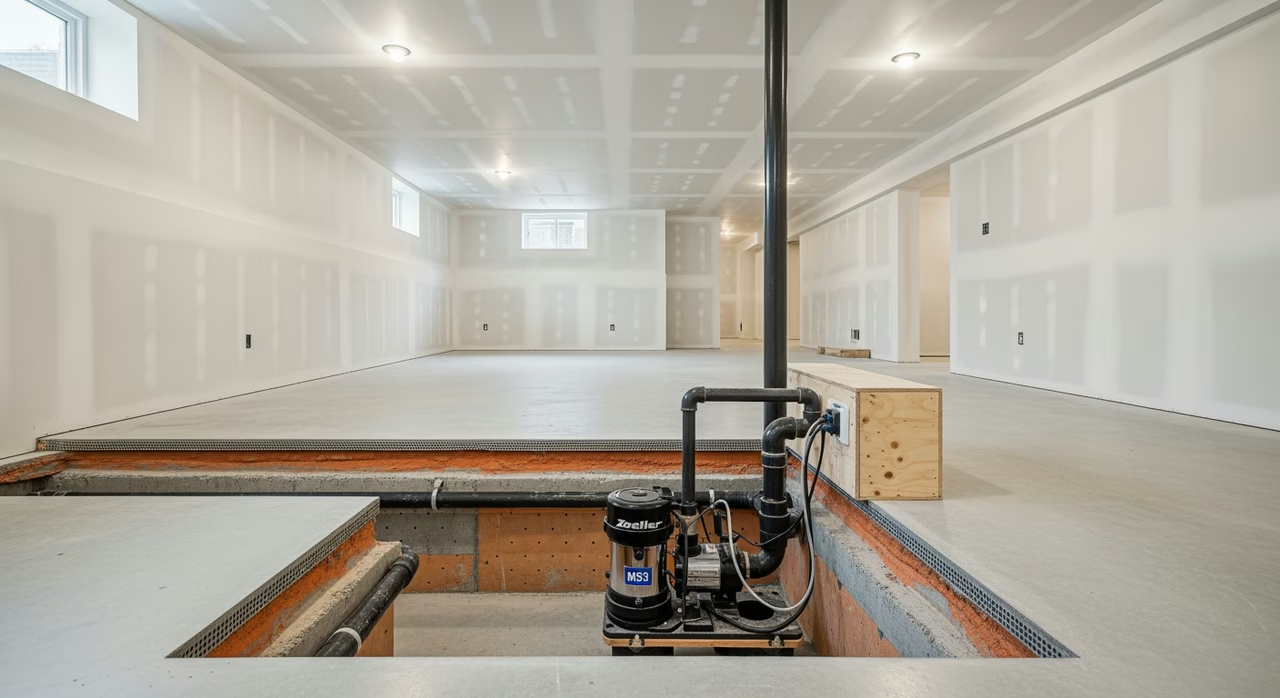
The waterproofing scope is integral. A new perimeter weeping tile (4-inch perforated drain pipe with filter cloth) sits at the base of the new footing, beds in clear aggregate, drains to a new sump pit with a Zoeller M53 or Liberty 257 pump on a dedicated ECRA/ESA 309A 20A GFCI circuit. The exterior face of the new foundation wall (where exposed) is dampproofed with Drylok or Aquaproof + dimple board (Delta-MS, Platon). The interior face can be dampproofed in addition with Mapelastic or Schluter Kerdi-Board where hydrostatic risk warrants. Section 7C of the City of Toronto Backwater Valve Subsidy stacks here to $1,250 on the storm-drain modification scope. Battery-backup sump (Aquanot, StormPro) is strongly recommended given that underpinning lowers the basement well below the local water table in many Toronto neighbourhoods.
Toronto permits, OBC compliance, and licensed trades
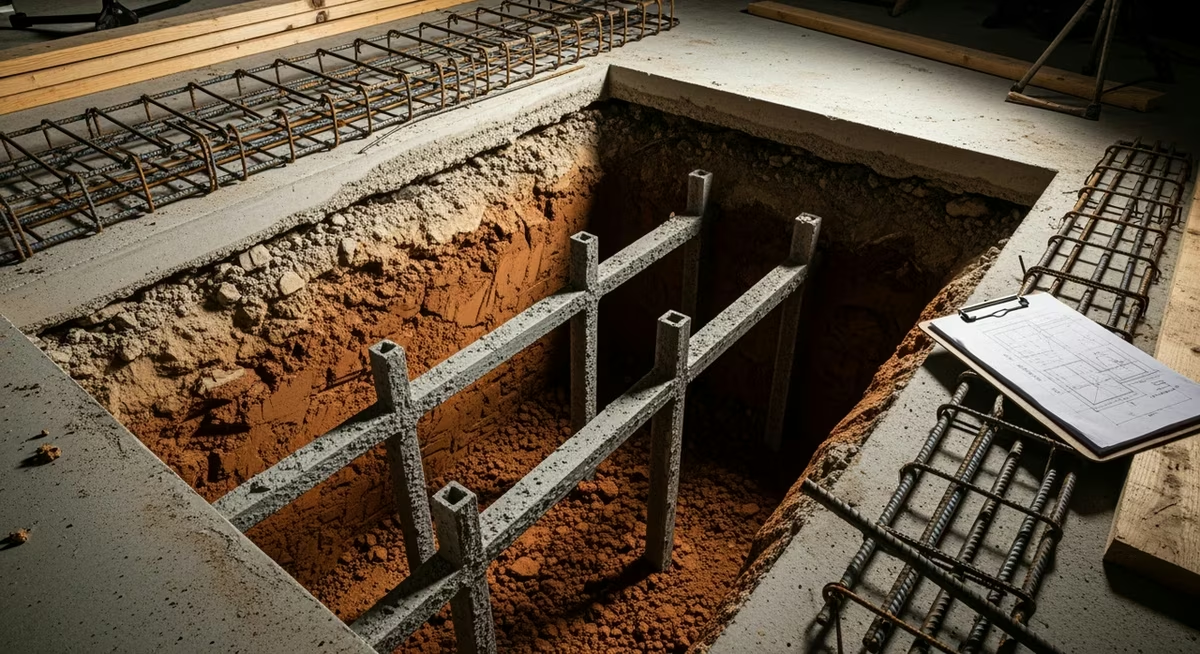
A Toronto basement underpinning MANDATORILY triggers a Toronto Chapter 363 building permit with PEng-stamped structural drawings, soil-test report from a licensed geotechnical engineer, Section 11 OBC structural review (load-path analysis on each pin sequence), Toronto Building Inspector site visits at multiple milestones (excavation, pour, slab, waterproofing, final), and a final occupancy inspection before the finished basement scope can proceed. There is no cosmetic-only path on underpinning — every scope is permit-mandatory.
The licensed-trade requirements are firm and stacked. A PEng with structural-engineering certification stamps the drawings and signs off on the pin sequence and pour-cure schedule; a separate PEng with geotechnical certification produces the soil report. A 309A Master Electrician with an active ECRA/ESA Contractor licence files the Notification of Work for the new sump-pump circuit (dedicated 20A GFCI), the new basement panel subfeed if the scope requires it, all new circuits for the eventual finished basement scope, and the AFCI and GFCI protections per OBC 9.34. A 306A licensed plumber handles the storm-drain modifications, the new sump pit and pump, and the backwater valve. A TSSA-certified G2 gas-fitter handles any gas-line relocation (gas main, gas dryer, gas range) that conflicts with the new footing line.
Excavation safety under the Ontario Occupational Health and Safety Act is non-negotiable. Pits over 1.2 metres in depth require shoring or sloping per Reg 213/91 — and underpinning pits are typically 1.5 to 2.0 metres below the original slab. Confined-space entry procedures apply when working below grade with limited ventilation. Soil disposal follows MOECP excess-soil management rules (O. Reg 406/19) — and a typical underpinning project produces 50 to 100 cubic yards of excess soil that must be tested for contamination and either reused, sent to a registered receiving site, or sent to landfill.
Cost factors, underpinning scope, and the lowering question
The biggest cost drivers in a Toronto basement underpinning are: footprint area (the cost is roughly linear with perimeter), target lowering depth (deeper lowering means more pin volume and longer cure schedule), soil conditions (sandy or clay soils with high water table dramatically increase shoring and dewatering scope), heritage or zoning constraints (any setback adjustment or heritage review can add $20K to $40K and 6 to 12 weeks), neighbouring-property risk (a semi-detached or row-house underpinning requires neighbour notification, party-wall agreement, and adjacent-property monitoring during construction), and asbestos / hazardous-material abatement on pre-1990 stock.
The lowering depth question is critical for finished ceiling. A typical Toronto pre-1960 detached basement has a finished ceiling height of 6'8" to 7'2" — uncomfortable for adults, illegal as a sleeping room under OBC 9.5.4 (1.95m minimum), and a non-starter for a legal second suite. An underpinning that lowers the slab 12 inches takes the ceiling to 7'8" to 8'2" — usable but tight; an underpinning that lowers 18 to 24 inches takes the ceiling to 8'8" to 9'2" — the gold-standard finished-basement target. The deeper the lowering, the more soil to excavate (linear with depth) and the more pin volume to pour (linear with depth) — so depth doubles cost roughly proportionally.
The alternative to underpinning is benching — pouring a stepped concrete bench inside the perimeter of the existing footing to gain headroom in the centre of the basement while keeping the existing footings undisturbed. Benching is $35K to $60K typical and yields a usable centre footprint with a step around the perimeter; underpinning is more expensive but yields a flat full-footprint floor. The decision depends on footprint geometry, budget, and whether the perimeter step is acceptable in the final design.
The Toronto rebate stack and ROI
Basement underpinning does not directly qualify for federal Greener Homes Rebates (underpinning itself is structural, not envelope), but the surrounding scope (R-22 effective wall insulation against the new foundation per OBC 9.36, R-31 ceiling insulation, ENERGY STAR egress windows, heat-pump mini-split for the new basement zone, HRV for ventilation) does. The Section 7C City of Toronto Backwater Valve Subsidy returns up to $1,250 on the storm-drain scope. The Multigenerational Home Renovation Tax Credit (MHRTC) returns up to $7,500 refundable on $50,000 of eligible expenses when the underpinned basement becomes a self-contained secondary suite for a senior or disabled family member. The Home Accessibility Tax Credit (HATC) returns up to $3,000 non-refundable on $20,000 of accessibility upgrades — applicable to the eventual barrier-free finished basement suite, comfort-height fixtures, and grab bars.
Resale ROI on a Toronto basement underpinning runs 80 to 110 percent in mid-market neighbourhoods (Etobicoke, North York, Scarborough, East York) when followed by a legal-apartment finish, and 110 to 140 percent when the rental income is capitalised at GTA cap rates — making it the single highest-return structural intervention in the residential renovation market.
Why RenoHouse underpins basements across the GTA
We have underpinned basements across Toronto (Leaside, East York, Riverdale, Beaches, Roncesvalles, High Park, Bloor West Village, Etobicoke, North York, Scarborough, Cabbagetown, Annex), plus Mississauga, Vaughan, Markham, Richmond Hill, Oakville, and Burlington. Every project carries a $5 million liability policy, full WSIB coverage, a fixed-price written scope, full PEng (structural + geotechnical) sign-off, full ECRA/ESA and 306A and TSSA permit handling on our paperwork, manufacturer warranties on waterproofing membranes (Drylok 15-year, Aquaproof 10-year, Mapelastic 10-year, Schluter Kerdi-Board 10-year, Delta-MS 25-year), and a five-year workmanship warranty on the underpinning structural work specifically — the longest warranty in the GTA on this scope.
Our typical timeline runs eight to twelve weeks for a small-scope condo benching or row-house single-room raise, sixteen to twenty-four weeks for a full per-1,000-sqft underpinning with new slab and waterproofing, and twenty-six to thirty-eight weeks for a whole-home detached underpinning with full perimeter scope, new structural review, and an 8-foot finished ceiling target. Call 289-212-2345 for a no-obligation site visit, structural and geotechnical scope walk, neighbouring-property review, and fixed-price written quote backed by PEng-stamped drawings.
Toronto/GTA neighborhood considerations
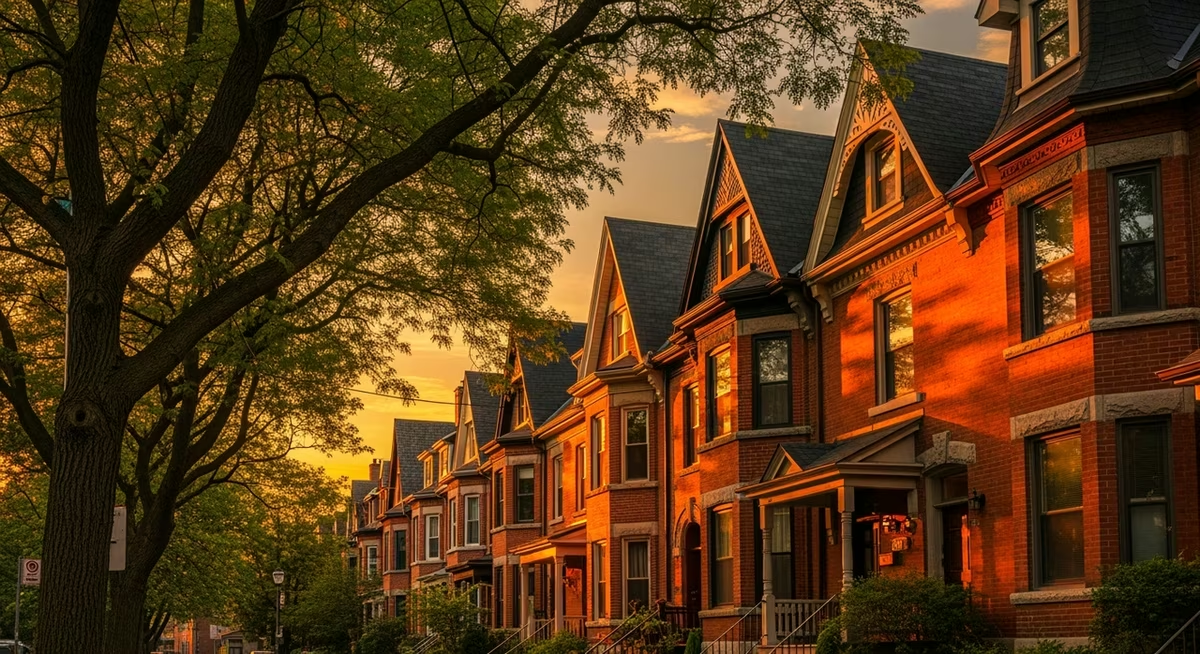
- Cabbagetown / Riverdale / Roncesvalles / Bloor West (pre-1930 stock): Stone-rubble foundation requires foundation-engineer P.Eng underpinning plan (sequential 4-foot pin-pour, alternating per CSA A23.3 concrete-spec, 24-hour cure between pins). Original lath-and-plaster walls + adjacent-property tie-in (Toronto Bylaw 569-2013 + Notice to Owner under Construction Lien Act 1990 to adjacent owners). Typical underpinning scope $58K-$120K for 1,000-1,400 sq ft basement footprint. Permit + engineered drawing + city inspection at each pin lift mandatory.
- Beach / Leslieville (pre-1940 detached): Similar pre-war stock, slightly newer poured-concrete foundation common — 4-6 inch concrete addition vs full pin-pour. Mature canopy + Lake Ontario water table = exterior waterproofing scope ($28K-$58K) often paired with underpinning. Typical $48K-$98K.
- North York / Scarborough / Etobicoke (post-war): Existing 6'4"-7'2" basements typically NOT a candidate for underpinning — instead use bench-footing alternative or live with sub-spec ceiling. Underpinning only justified for high-value coach-house second-suite ARU conversion. Typical scope $42K-$92K when undertaken.
- Mississauga / Brampton / Vaughan (90s+): Existing 8'4"+ ceiling height already above-spec — underpinning very rare in this stock, only for spa / gym / wine-cellar premium scope (sunken bar, lowered theatre seating). $35K-$75K.
- Downtown condos: Not applicable.
Underpinning permit + compliance: Toronto Building Permit required, engineered drawings (P.Eng structural + geotechnical Phase 1/2 report), Adjacent-Owner Notice under Construction Lien Act 1990, City of Toronto sewer-and-drain plan, mandatory periodic city inspection on each lift cycle.
The RenoHouse Difference
11+ Years Experience
Over a decade of expertise in basement underpinning. We've seen it all and know how to handle any challenge.
Warranty Protected
All work comes with comprehensive warranty coverage. We stand behind our craftsmanship and use quality materials that last.
Competitive Rates
Fair pricing on basement underpinning without compromising quality. We match or beat competitor quotes.
Sound Familiar?
These are the most common problems our clients face.
Basement ceiling at 6'2"-6'4" and you want a legal basement apartment?
Considering a 4-plex multiplex conversion under Toronto Bylaw 474-2023 but the basement won't qualify?
Want a basement sauna, wine cellar, or home gym but the head height kills the design?
Confused about underpinning vs bench footing and which makes sense for your lot?
Heritage Conservation District home and worried about Heritage Permit requirements?
Targeting the CMHC MLI Select 5-unit stack but need the basement legalized first?
Ready to get started?
Free estimate, no obligation. We respond within 1 hour.
What Our Clients Say
“RenoHouse replaced all our windows in just two days. The new windows are beautiful, energy-efficient, and the team left everything spotless. Highly recommend!”

Michael R.
Oakville
“New windows transformed our home. Quieter, warmer, and our energy bill dropped noticeably. Excellent installation crew.”

David K.
Vaughan
“Professional from start to finish. They replaced 8 windows in one day and cleaned up perfectly. Highly recommend RenoHouse!”

Sandra W.
Burlington
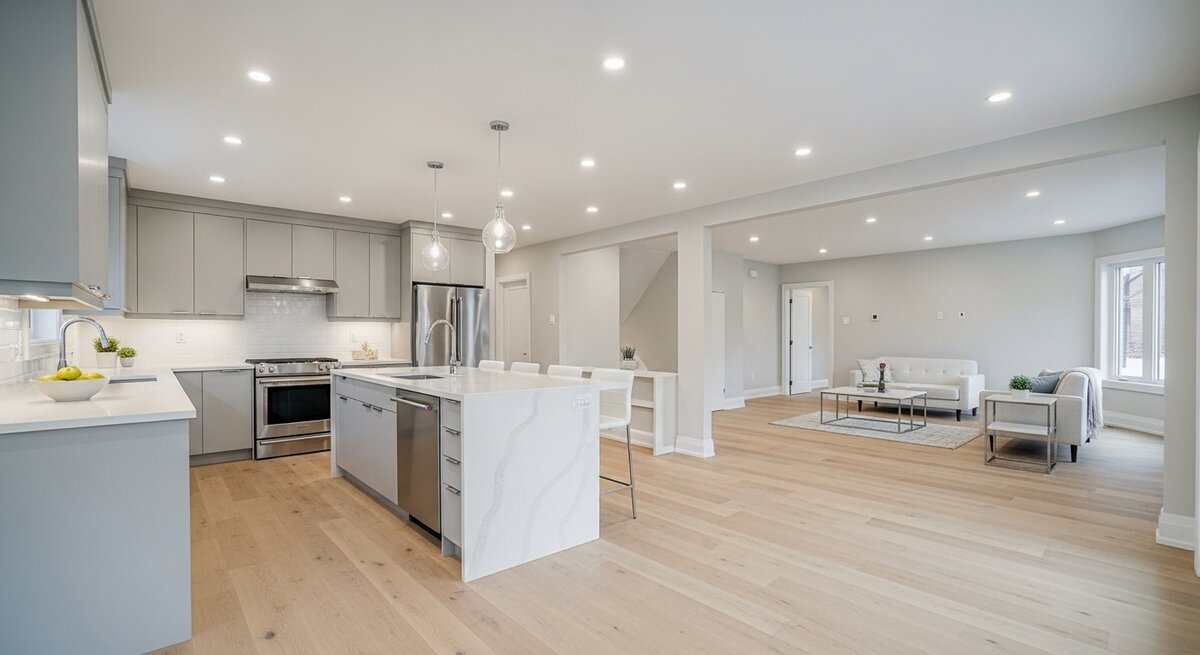
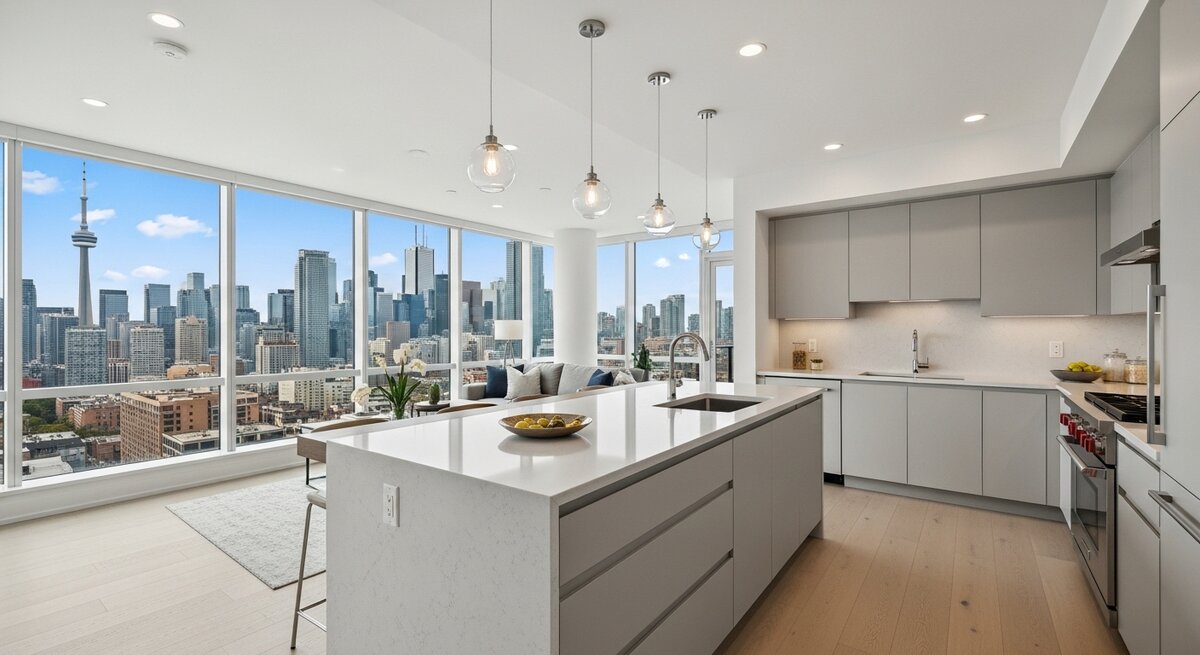
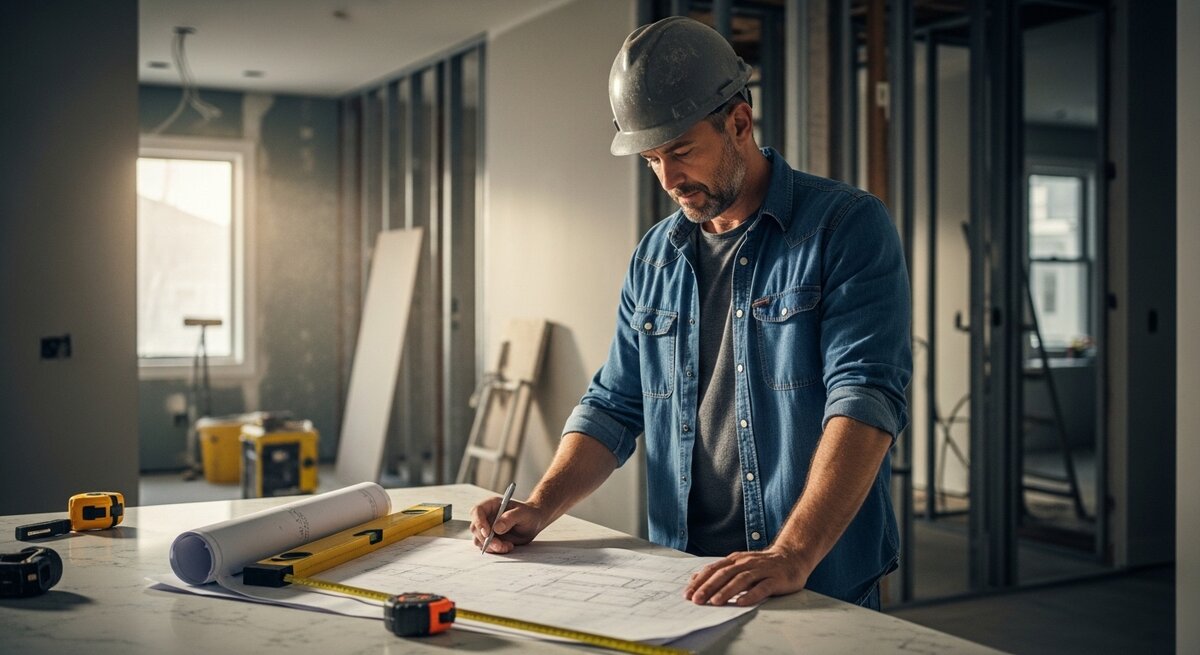
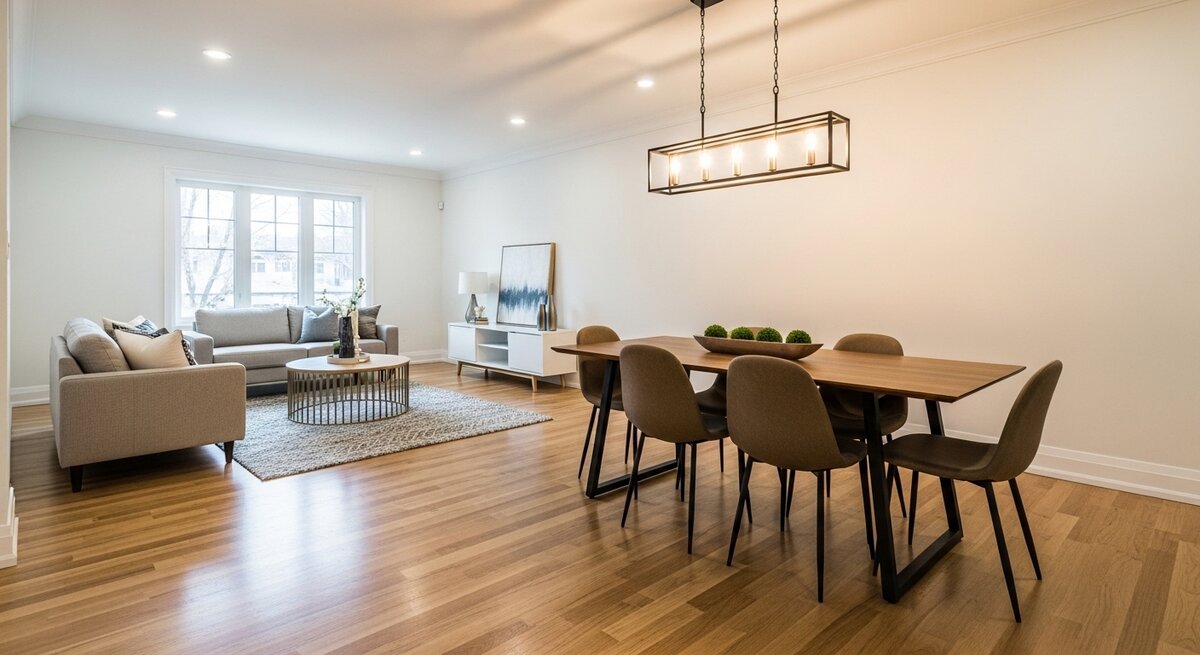
Our Basement Underpinning Work
Professional basement underpinning results from RenoHouse projects across the Toronto GTA.
Basement Underpinning
Toronto GTA
Quality Workmanship
Licensed & Insured
Like what you see? Let's talk about your project.
🧮 Basement Underpinning Services — Cost Estimator
GTA / Ontario — 2026 market pricing
📊 Where the cost goes (typical breakdown)
📋 What affects your price:
💡 Estimates use 2026 GTA/Ontario market data. Actual cost depends on site conditions, material selections, and project scope. Book a free in-home quote for a precise number.
Frequently Asked Questions About Basement Underpinning
Full underpinning structural scope only: $80,000–$150,000 for typical Toronto detached. Bench footings: $30,000–$50,000. Add waterproofing during underpinning: +$8,000–$25,000. Add basement-finish wrap (framing, electrical, plumbing rough-in, drywall, flooring, paint): +$60,000–$150,000. Total underpinned + finished basement: $200,000–$400,000. Premium multiplex legalization with full basement unit: $300,000–$500,000.
Bench footing: cheaper ($30K–$50K), faster (4–8 weeks), structurally simpler — but reduces interior floor area by ~1.5–2 ft on each wall. Best for budget-sensitive projects, narrow-lot semis with excavation-access constraints, or where lost floor area is acceptable. Full underpinning: more expensive ($80K–$150K), longer (10–20 weeks structural + 4–8 weeks finish), more complex — but adds 1–3 ft of head height across the entire basement without reducing dimensions. Best for full multiplex conversions, premium basement renos, and homes where every square foot matters. We assess at the site visit.
Most Toronto homes built before 1950 have basement ceilings of 6'2"–6'8" — uninhabitable per Ontario Building Code OBC 9.10 which requires 1.95 m (6'5") minimum head height for habitable rooms in dwelling units. Underpinning to 7'6"+ unlocks legal basement apartments under Bill 23 / Toronto multiplex bylaw 474-2023, basement saunas (need 7'6"+ for bench headroom), wine cellars (typically 7'+), home gyms (8'+ for overhead exercises), and basement bedrooms with proper egress.
No. Underpinning requires a Professional Engineer (PEng) of record — a licensed Ontario structural engineer who designs the underpinning sequence, specifies steel reinforcement and concrete strength, signs sealed drawings, and inspects critical milestones. RenoHouse does NOT have a PEng on staff — we work with named partner structural firms (typical fee $4,000–$12,000 for full underpinning design). RenoHouse coordinates the engineering, holds the construction contract, and handles renovation finish work; the PEng signs the structural drawings.
No. RenoHouse does not own underpinning excavation equipment. We coordinate licensed underpinning specialists (Dryshield, Strong Basements, Aquamaster, Nusite Group, or equivalent) for the structural underpinning work — they have the specialty equipment, $5M+ liability coverage, and trained crews. RenoHouse handles the renovation finish wrap in-house: waterproofing membrane, framing, electrical, plumbing, drywall, paint, flooring, and any kitchen/bath in the new basement unit. The customer has one contract with us.
Bench footings: 4–8 weeks structural, 4–6 weeks finish (8–14 weeks total). Full underpinning: 10–20 weeks structural, 4–8 weeks finish (14–28 weeks total). Permit and engineering up front: 4–8 weeks before excavation begins. Legal multiplex basement unit (underpinning + finish + kitchen + bath + electrical sub-meter): 6–12 months total project clock.
Risk is real but manageable with proper engineering. The PEng designs the underpinning sequence (typically 'pin alternating' — small section excavated, footing poured, cured, before adjacent section excavated) so structural load is never compromised. Settlement is monitored throughout. The homes most at risk are those with shallow existing footings on weak soil — the soil report and PEng assessment identify these cases at the design stage. RenoHouse has zero structural damage incidents in 13 years on coordinated underpinning projects.
Mostly yes for full underpinning. The basement is unusable during structural work, and noise/vibration during excavation is significant. Most homeowners vacate for 4–8 weeks during the structural phase, then re-occupy during finish. Bench footings sometimes allow occupancy throughout. Multiplex conversion projects typically require vacant possession of the entire home during structural work; LTB procedures (N12/N13) are the homeowner's responsibility.
Toronto's killer value-creation play: underpinning unlocks legal basement-unit head height, which enables a 4-unit multiplex conversion under Bylaw 474-2023; adding a garden suite or laneway suite (1 unit) creates a 5-unit stack that qualifies for CMHC MLI Select financing — up to 95% LTV, 50-year amortization, energy-efficiency forgivable grants up to $85K/unit. RenoHouse delivers the underpinning + multiplex construction. Financing structuring is between the homeowner and a qualified mortgage broker — we do NOT arrange CMHC MLI Select financing.
Heritage Conservation District (HCD) homes (Cabbagetown, Riverdale, the Annex, Wychwood, parts of Leslieville) require Heritage Permit when underpinning affects exterior elements (window wells, walkout, exterior staircase). We design interior-only scope where possible to avoid Heritage Permit triggers; when exterior work is required, Heritage Permit adds 4–8 weeks. Underpinning itself is typically not visible from the street so the permit is usually approvable.


You Might Also Need
Customers who looked at basement underpinning also asked us about these complementary services.


We Serve All GTA
Professional basement underpinning services available across the Greater Toronto Area.
“Renovated our entire main floor — kitchen, living room, flooring, paint, lighting. They coordinated everything perfectly. One contractor for the whole project.”
— Anthony G., North York
Get a Free Basement Underpinning Estimate
Contact us today for a free, no-obligation quote for your basement underpinning project in Toronto GTA. We'll get back to you within 1 hour.