 RenoHouse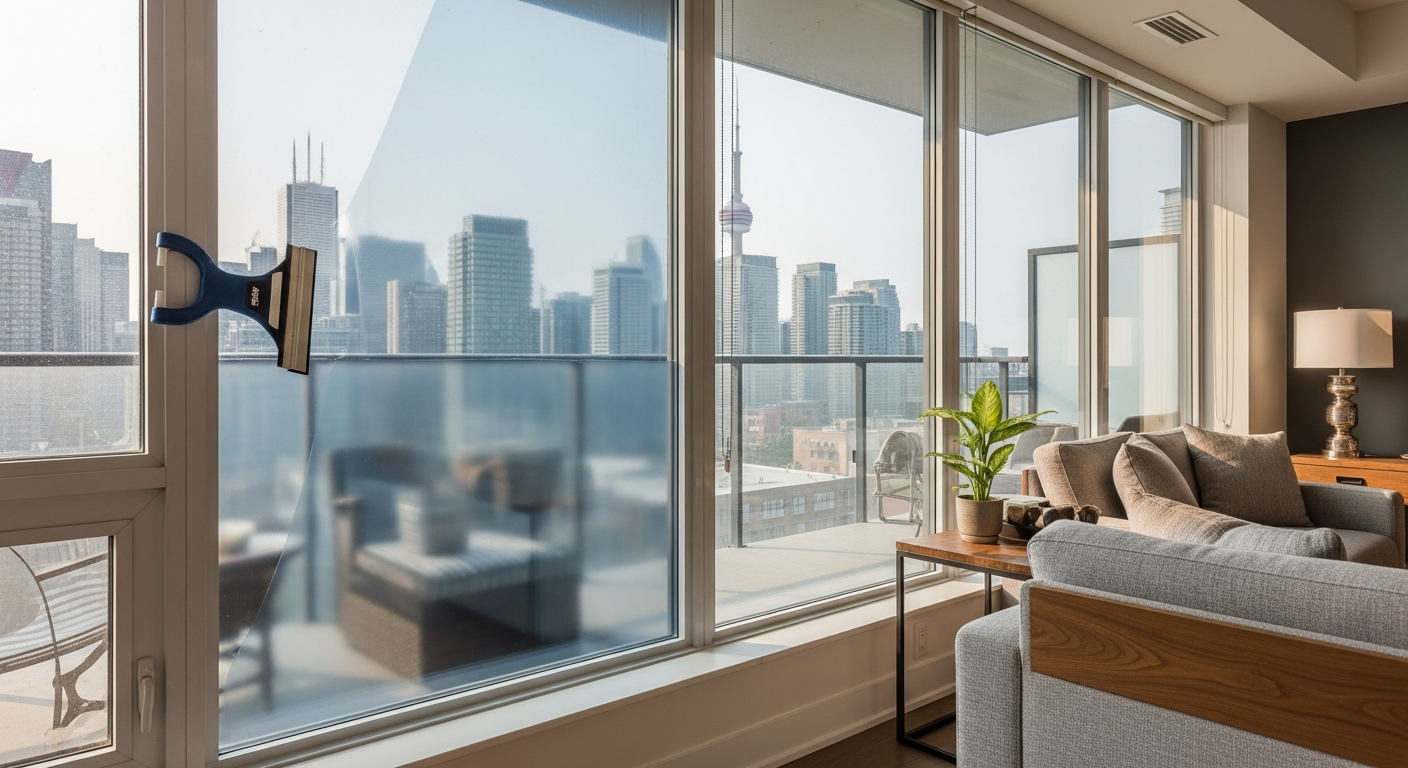
Window Tinting & Solar Film — Toronto GTA
Professional window tinting & solar film services in Toronto and the Greater Toronto Area. Licensed, insured, and trusted by homeowners across the GTA.
Projects Completed
Years Experience
Client Satisfaction
Google Rating
How It Works
A simple, stress-free process from start to finish.
Send Your Request
Call or WhatsApp us 24/7. Send photos, video, comments about what needs to be done, and your location.
Remote Estimate
We review everything, discuss details, and provide a clear estimate — often within hours, no visit needed.
Repair Process
Our licensed team arrives on the agreed date and completes your window tinting & solar film to the highest standards.
Handover & Warranty
Final walkthrough with you, full cleanup, and warranty documentation provided.
Send Your Request
Call or WhatsApp us 24/7. Send photos, video, and a description of the work + your location.
Remote Estimate
We review everything, clarify details, and give you a price — often within hours.
Repair Process
Licensed team arrives on schedule and completes your window tinting & solar film professionally.
Handover & Warranty
Final walkthrough, full cleanup, and warranty documentation.
Window Tinting & Solar Film in Toronto GTA
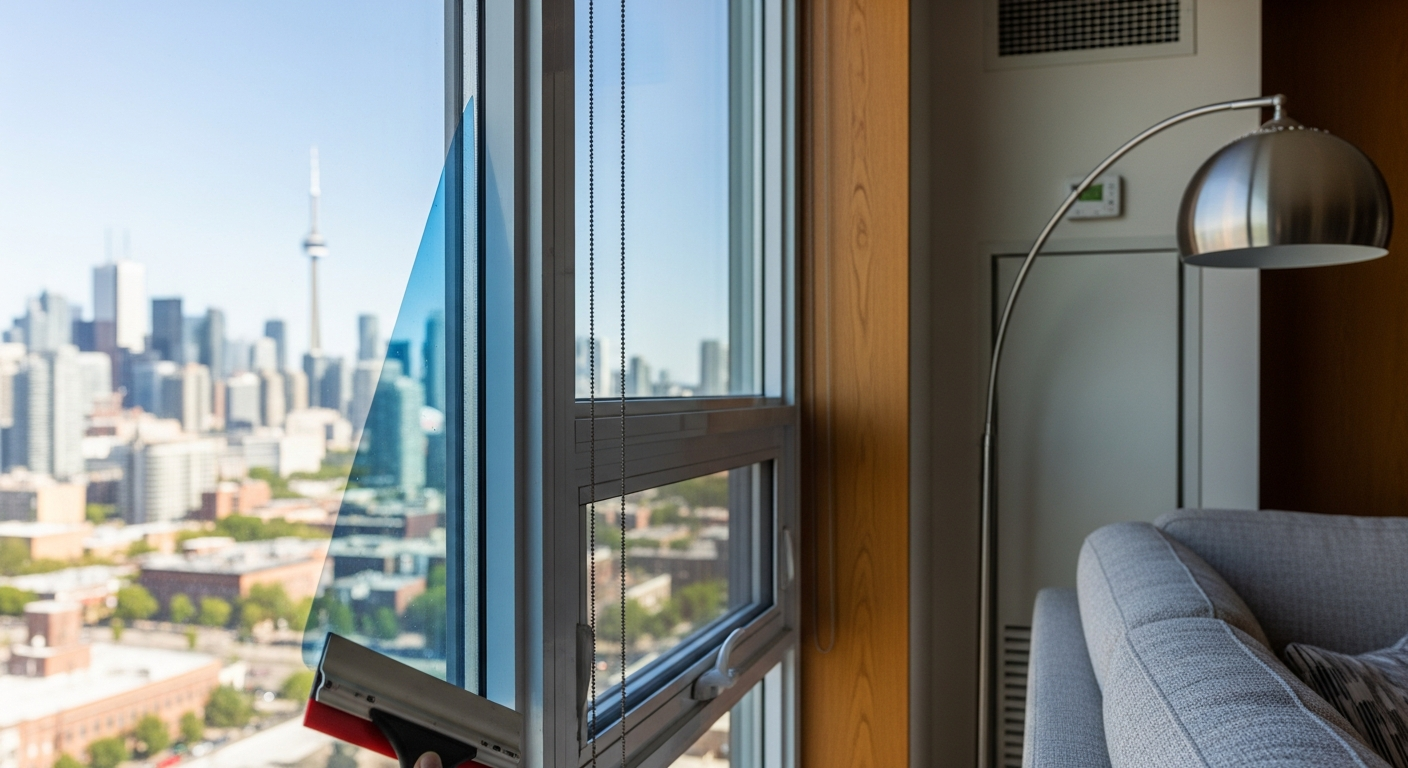
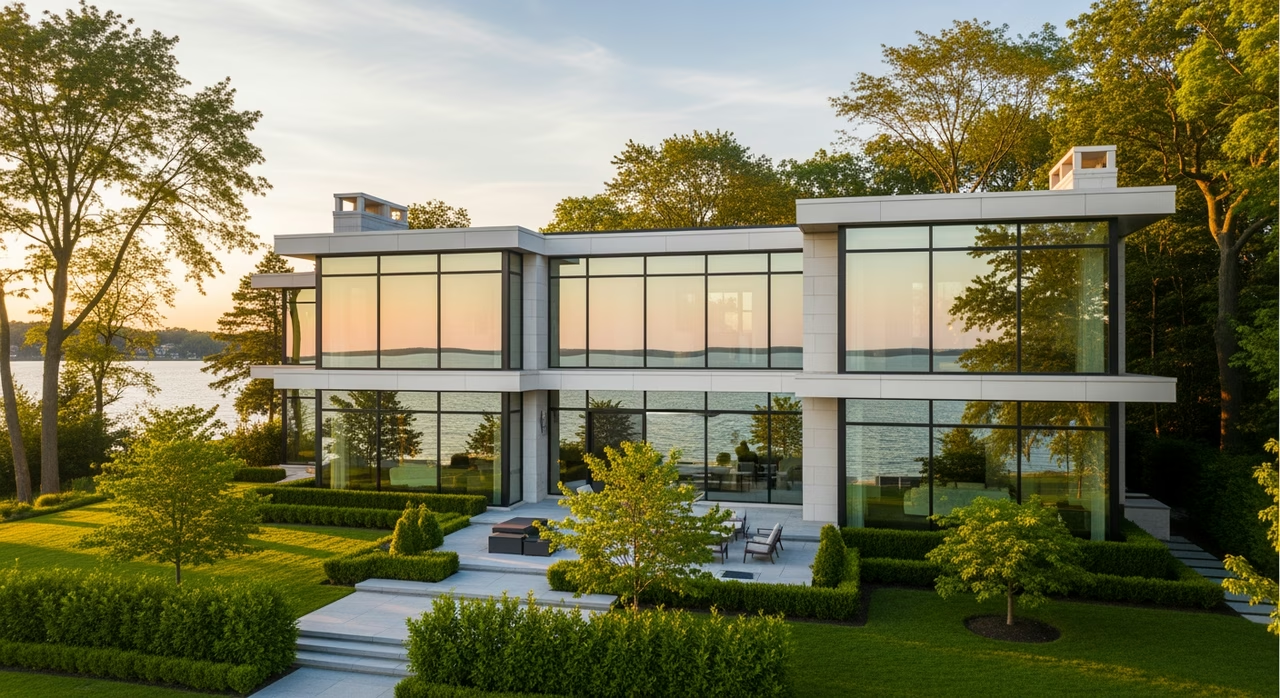
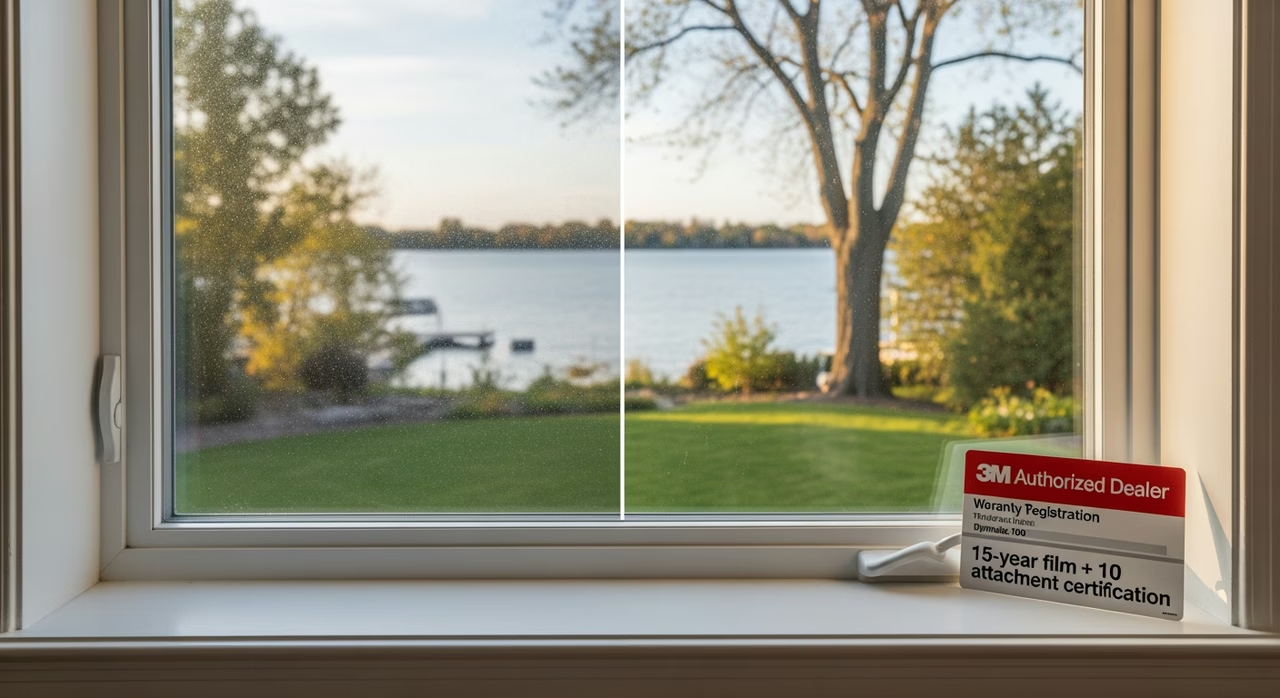
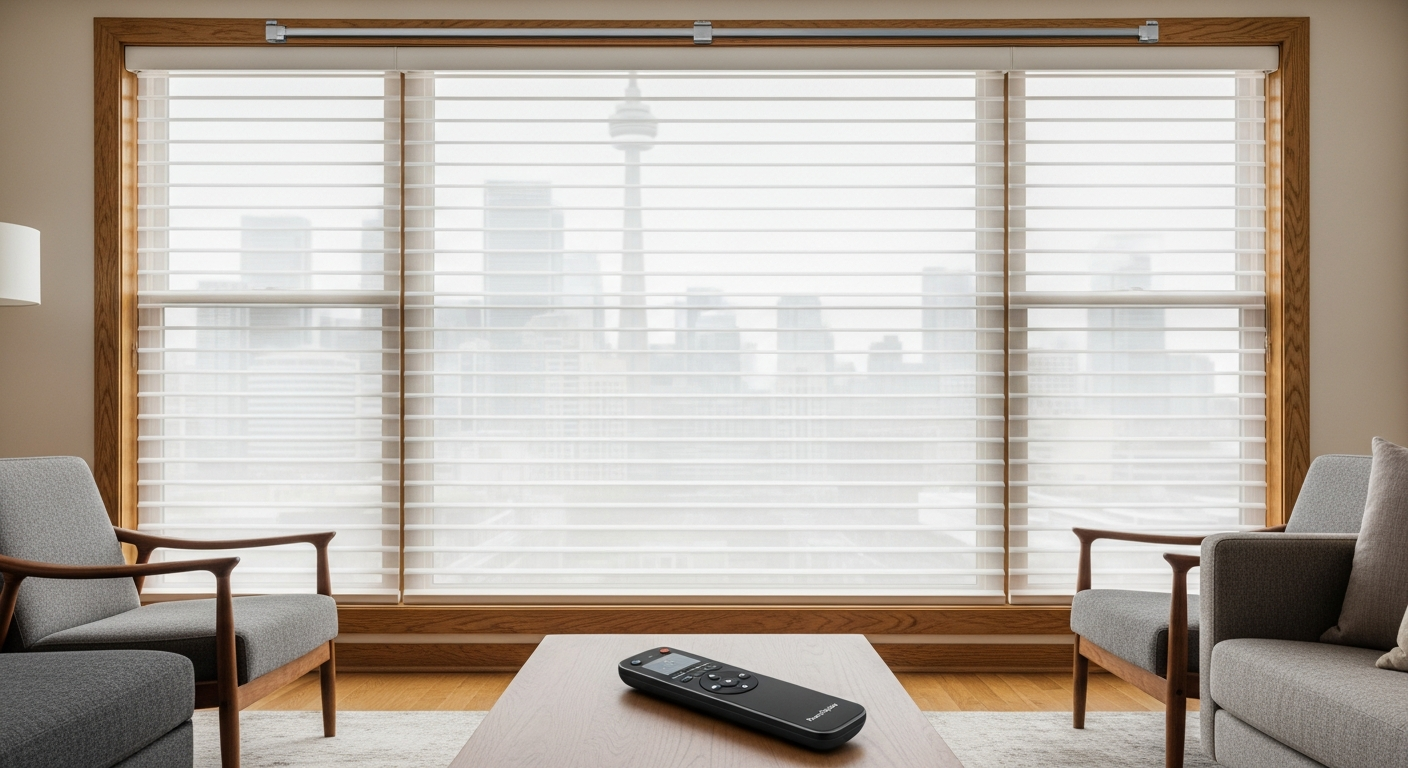
RenoHouse coordinates professional solar window film and tinting installs for Toronto and GTA condos and detached homes — heat rejection, glare control, hardwood-floor UV protection, and energy savings on south-facing and west-facing exposures. Our scope is end-to-end: in-home glass survey (we identify glass type, IGU age, low-E coating, frame material, and exposure intensity), film specification against the manufacturer compatibility chart, installation by trained technicians, manufacturer-warranty registration through 3M Authorized Dealer, Llumar SelectPro, or Madico Premier Installer networks, and final post-cure QA. We do not subcontract to non-certified installers; we coordinate the regulated install path so your manufacturer warranty actually attaches.
Why IGU thermal-stress survey comes first
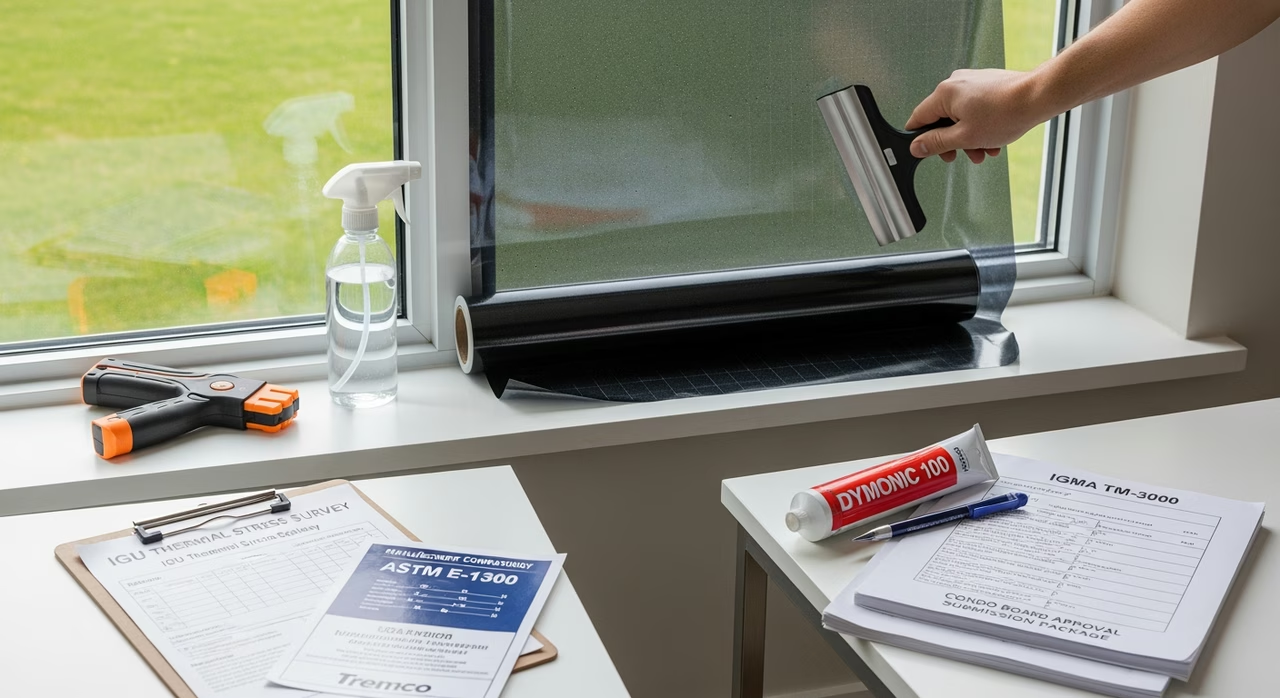
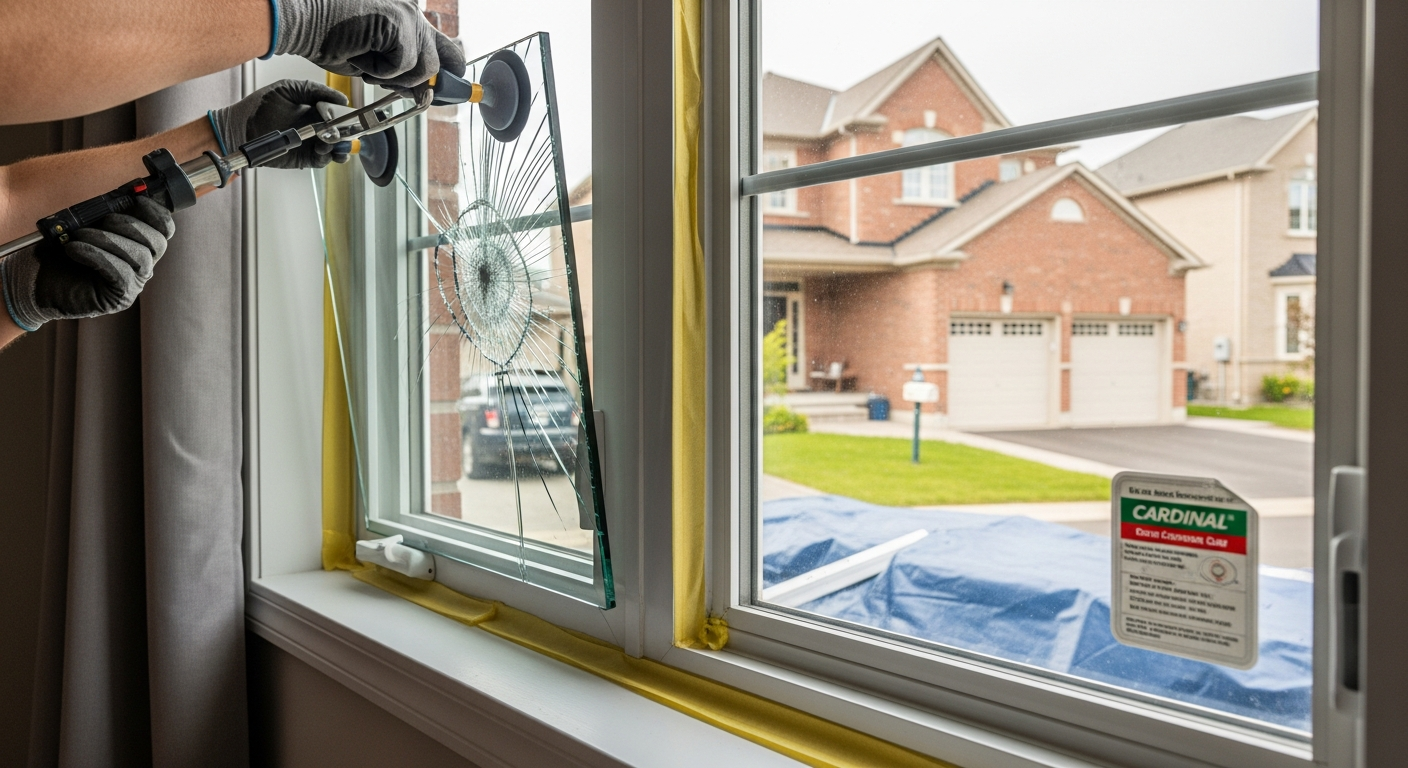
The single biggest risk window film introduces to your glass is thermal-stress fracture. When a solar film absorbs additional infrared at the centre of a pane while the frame-shaded edges stay cool, the centre-to-edge temperature delta can exceed the glass type's tolerance and crack the pane — typically a horizontal crack propagating from the edge inward. Annealed (float) glass has moderate tolerance; laminated and wired glass have low tolerance; tempered glass tolerates almost any film. On insulated glass units (IGUs) the additional risk is heat retention in the air gap accelerating seal failure, which voids manufacturer IGU warranties (Pella, Andersen, and several Canadian window manufacturers explicitly exclude aftermarket film from the seal warranty). Every quote we issue starts with a documented glass survey: glass type, thickness, tint, IGU age, low-E surface, frame material, exposure intensity, and the proposed film cross-referenced against the manufacturer compatibility chart. If the survey returns marginal or not-recommended, we propose a different film series or refuse the install — we do not transfer the crack risk to you without disclosure.
TSER, VLT, IR rejection, glare reduction, UV
Five performance numbers matter on every spec sheet. VLT (Visible Light Transmittance) is the percentage of visible light passing through filmed glass — 70 reads as nearly clear, 35 reads as noticeably tinted, 15 reads as dark and reflective. TSER (Total Solar Energy Rejected) is the headline heat-rejection number combining UV, visible, and IR — premium ceramics achieve 50-62 percent TSER on clear glass; reflective metallized films hit 70-80 percent. IR rejection is the sharper will my room feel cooler number — premium ceramics rate 95-98 percent. UV rejection is 99-99.9 percent on virtually all professional films. Glare reduction is 50-85 percent depending on series. We quote film series matched to your specific TSER/VLT target, not generic best heat film.
Ceramic vs dyed vs metallized vs nano-ceramic
Dyed films are PET with absorbing dyes — cheapest, fade purple in 3-7 years, modest heat rejection. Skip for residential. Metallized (sputtered) films deposit thin metal layers on PET — strong heat rejection and the mirror look, but they attenuate cellular, WiFi 5 GHz, GPS, and remote-key signals (this is the #1 post-install complaint when not disclosed). Ceramic films use non-metal nano-ceramic particles — excellent IR rejection, no signal interference, neutral tint, the residential default since 2018. Nano-ceramic / multilayer optical (3M Crystalline at 200+ layers, 3M Prestige multilayer optical) is the top-tier clarity option. Dual-reflective construction (high-reflectivity outside, low-reflectivity inside) reduces interior reflection at night so the room does not feel like a fishbowl mirror.
Brands and series we install
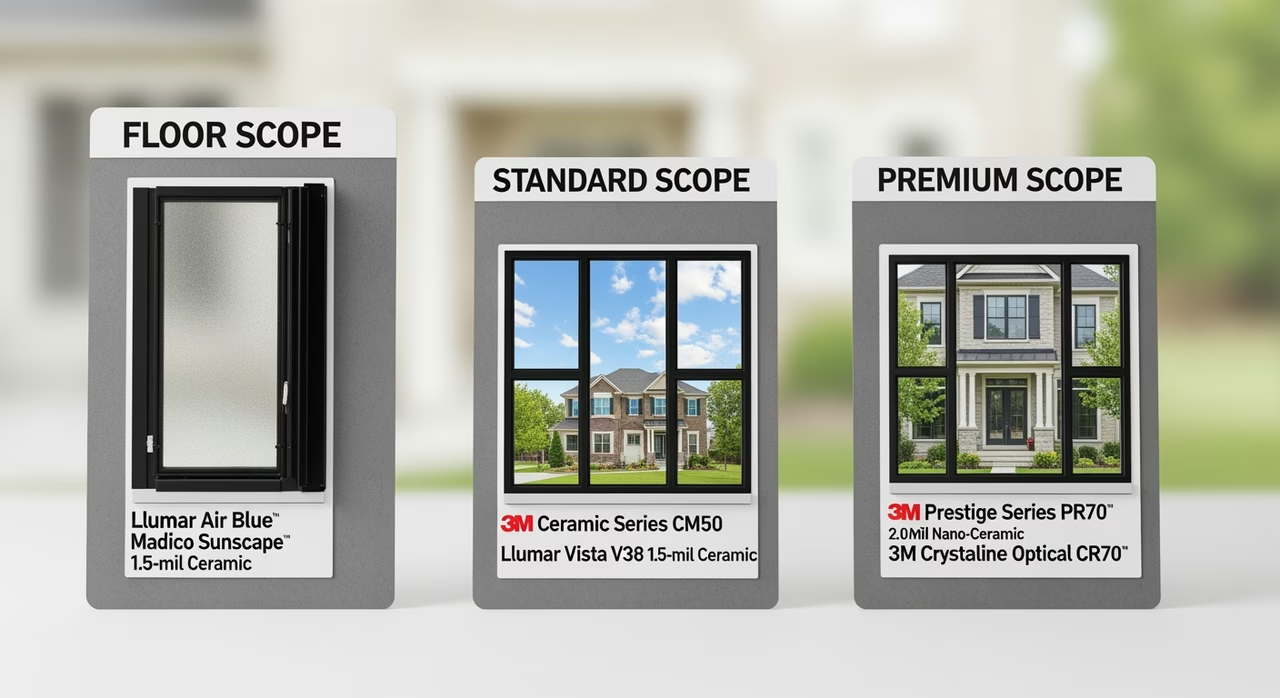
3M Prestige Series (PR 70 / PR 60 / PR 50 / PR 40) — residential flagship, 200+ multilayer optical, no signal interference, lifetime residential warranty when registered through 3M Authorized Dealer. 3M Crystalline (70 / 50 / 40) — top-of-shelf clarity, premium pricing. Llumar Vista Spectrally Selective (VS 70 / VS 60 / VS 38) — Eastman-owned premium ceramic, 15-year residential warranty through Llumar SelectPro. Madico Optitune Ceramic (OT 65 / OT 50 / OT 35) — strong adhesive tech, Madico Premier Installer warranty. Hanita SolarZone — Avery Dennison subsidiary, bronze-tone reflective and ceramic options. SolarGard Sentinel Ceramic and TrueVue Dual Reflective also installed where the customer specifies.
Pricing — 2026 GTA installed
Metallized solar (signal interference): $7-10/sqft. Ceramic mid-tier (Llumar Air Blue, Madico Sunscape): $10-14/sqft. Ceramic premium (3M Ceramic, Llumar Vista Ceramic): $10-18/sqft. Nano-ceramic flagship (3M Prestige): $15-22/sqft. Multilayer optical premium (3M Crystalline 70/50/40): $18-25/sqft. Dual-reflective (3M Night Vision, Llumar DR): $11-16/sqft. Whole-suite condo solar install (8-14 windows, mid-tier ceramic): $2,500-$5,500. Whole-home detached install (south + west exposure, ceramic): $4,000-$10,000. Single-room solar control: $700-$2,200.
Honest scope — warranty, condo board, HRS (was HRSP)
Three honest disclosures we make at every quote. (1) Warranty validity requires manufacturer-Authorized Dealer install. A non-certified installer cannot register the warranty and the manufacturer will not honour claims. We coordinate 3M Authorized Dealer or Llumar SelectPro for premium product so the warranty actually attaches. (2) Condo board approval is often required. Window glass is a common element under the Condominium Act, and most boards approve clear or lightly-tinted ceramic films via informal email submission within 2-4 weeks; reflective and dark films require formal board resolution and sometimes get denied (several King West buildings explicitly prohibit reflective alterations). We collect the building declaration at site visit and prepare the submission package. (3) The Ontario Home Renovation Savings (HRS) program (formerly HRSP) does NOT cover window film. HRS rebates ENERGY STAR window REPLACEMENT at $100/opening minimum 3 openings — film is not on the eligible list. (Note: HRS application deadline closes May 31 2026.) The honest comparison: film delivers 25-40 percent of the heat-rejection benefit of replacement at 5-10 percent of the cost, but it is not rebated. Tell us your goal and we will tell you whether film, replacement, or neither is the right path.
Toronto Hydro ULO and the cooling-cost angle
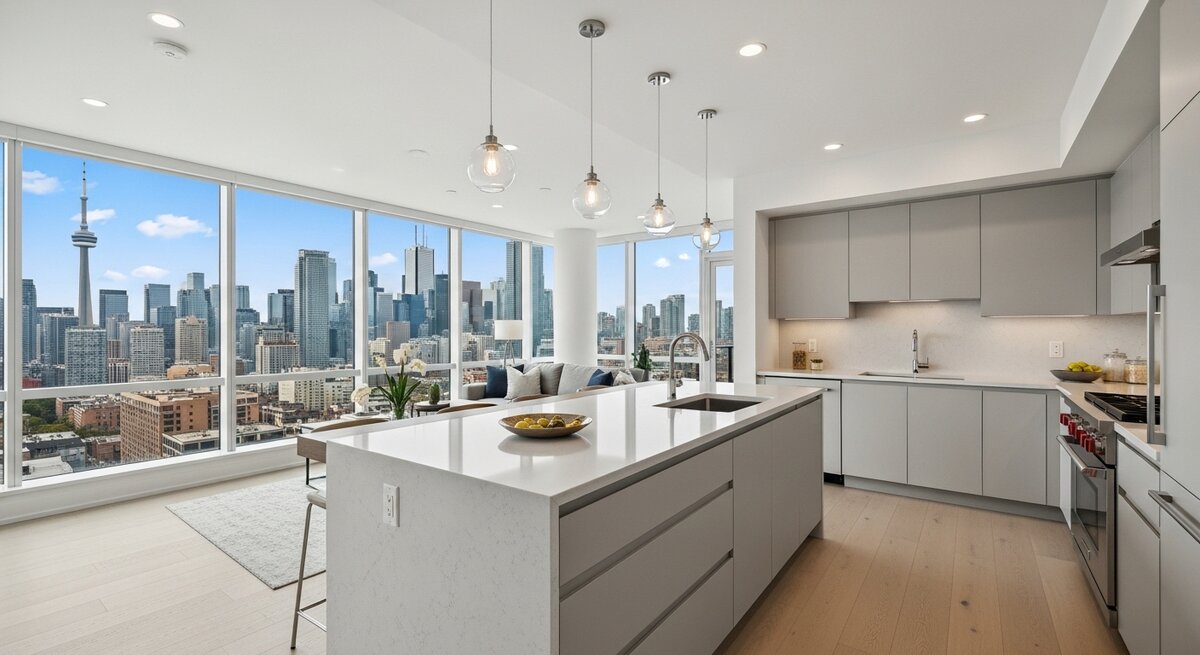
South/west-facing condos on Ultra-Low Overnight pay 28.6 cents/kWh during the 4-9 pm on-peak window — the exact period when west-facing rooms spike with solar gain and the AC overruns. A typical 700 sqft Liberty Village south/west condo runs ~600 kWh of summer cooling pre-film at $60-$80/month; post-film with ceramic at 55 percent TSER drops to ~430 kWh at $40-$55/month. Seasonal savings May-September: $100-$150. Simple energy payback on a $1,400-$2,200 mid-tier condo install: 9-20 years. The case is fundamentally about comfort, glare, and UV-fade prevention with cooling savings as a tailwind — we do not oversell the energy ROI.
Serving Toronto, Mississauga, Brampton, Vaughan, Markham, Richmond Hill, Oakville, Burlington, Etobicoke, Scarborough, North York, and all GTA communities. Call 289-212-2345 for a free in-home solar window film consultation.
Home battery storage in 2026 GTA — silent, fast-switching backup plus time-of-use bill optimization
A home battery is different from a standby generator in three important ways: it switches over to backup in milliseconds rather than 10–30 seconds (so the lights don't even flicker, computers don't reboot, and sensitive electronics like home theatre receivers don't power-cycle); it runs silently (no genset noise at 65–72 dB at 7 m, important in tight Toronto lots and heritage areas with Bylaw 591-2017 enforcement); and it can shift grid consumption from on-peak to off-peak Toronto Hydro time-of-use rates, returning ongoing dollar savings even when the grid is up. The tradeoff: a single battery typically delivers 4–24 hours of whole-home backup (vs. multi-day on a natural-gas generator), so for owners who need multi-day resilience the right answer is often battery-plus-generator hybrid — quiet milliseconds-fast switch in the first hour, plus generator for extended outages.
RenoHouse coordinates Tesla Powerwall 3, Generac PWRcell, Enphase IQ Battery 5P, Franklin Whole Home, and SonnenCore home-battery installations through ECRA/ESA Master Electrician partners (mandatory for the grid-tie inverter and main-panel work) and our solar-integration partner when paired with rooftop PV. The Powerwall is the dominant install in Toronto in 2026 because of the integrated inverter, Tesla One app integration, and Tesla's whole-home Backup Gateway 2.
2026 GTA pricing tiers (installed)
- Floor — single battery, partial-home backup ($14,500 – $19,500 installed): Tesla Powerwall 3 (13.5 kWh usable, 11.5 kW continuous, 30 kW peak) on a critical-loads sub-panel that covers fridge, sump pump, furnace blower, internet, lighting, and one or two outlets — but not the central AC, electric range, EV charger, or dryer. Integrated inverter, Backup Gateway 2, Tesla One app, ECRA/ESA permit, panel modifications, 200A interconnect. Right for homes that want silent backup of essentials and time-of-use bill optimization on a budget. No solar required.
- Standard — single battery, whole-home backup ($18,500 – $26,000 installed): Tesla Powerwall 3 with Backup Gateway 2 wired to the main panel for full whole-home backup. Smart load shedding via Tesla Backup Gateway controls the AC and EV charger to stay within Powerwall capacity. Or Enphase IQ Battery 5P (5 kWh) stacked 2–3 units (10 – 15 kWh) with IQ System Controller. Franklin Whole Home aGate (15 kWh). Right for 1,800–2,800 sq ft homes — most popular tier in 2026 GTA.
- Premium — two-battery whole-home, extended runtime ($28,000 – $42,000 installed): Two Tesla Powerwall 3 units in parallel (27 kWh usable, 22 kW continuous) or three Enphase IQ Battery 5P units (15 kWh) plus IQ Combiner. Generac PWRcell 18 kWh + 36 kWh battery cabinet. Delivers 10–18 hours of whole-home runtime including central AC, or 24–36 hours of essentials-only runtime. Right for homes with EV chargers, medical equipment, or homes that have suffered prior multi-day outages.
- Solar-paired premium ($38,000 – $72,000+ installed): Battery system paired with 6 kW – 12 kW rooftop solar PV (Canadian Solar HiKu, Q.CELLS Q.PEAK DUO, REC Alpha Pure-RX panels; Enphase IQ8 microinverters or Tesla integrated inverter). Solar charges the battery during the day; battery powers the home overnight and during outages; excess solar feeds back to the grid under Ontario's net-metering program. Right for homes with south-facing roof exposure, no shading, and 10-plus year ownership horizon. Pairs with our rooftop-solar-installation scope when available.
Compliance, licensing, and incentives
- ECRA/ESA Master Electrician required — every battery install ties into the main electrical panel and adds an inverter/grid-tie device. ESA permit pulled at the start of the project; rough-in inspection after wiring; final inspection after commissioning. ESA Form 1 (Certificate of Inspection) issued at close-out.
- Ontario Electrical Safety Code Section 64 governs renewable energy systems and storage; Section 84 governs the grid-tie inverter connection.
- CSA C22.2 No. 107.1 governs the inverter; UL 9540 governs the energy storage system as a whole.
- Toronto Hydro Distributed Energy Resource (DER) interconnection required — formal application, technical review, and Witness Test before the battery can grid-tie or export. Our electrician partner files and manages the application; typical Toronto Hydro DER processing takes 6–14 weeks.
- Toronto Building Permit required for the equipment placement, wall-mount bracket, and any exterior penetration. We pull as part of project scope.
- Federal Canada Greener Homes Grant does NOT cover home-battery storage alone in 2026 (only when paired with eligible heat-pump or insulation work). Canada Greener Homes Loan up to $40,000 interest-free 10 years DOES cover battery storage when paired with one other eligible measure.
- IESO Save On Energy programs and Ontario's Distributed Energy Resources (DER) programs continue to be reviewed for 2026; check current incentive status with the program administrator at time of contract — we update our quotes with current rebate eligibility at the site visit.
- Time-of-use rate optimization: Toronto Hydro 2026 TOU rates are approximately $0.087/kWh off-peak (overnight + weekend), $0.122/kWh mid-peak, and $0.182/kWh on-peak (4 PM – 9 PM weekday). Battery shifts on-peak grid consumption to off-peak charging — typical savings $280 – $620/year for a Powerwall 3 on a mid-sized home.
Toronto/GTA neighbourhood considerations
- Forest Hill / Rosedale / Lawrence Park (heritage 1920s+): Battery is the preferred resilience choice over a gas generator in heritage areas because of Bylaw 591-2017 noise constraints and the difficulty of placing a 65–72 dB unit in a tight side-yard near neighbour windows. Tesla Powerwall 3 wall-mounted on the basement or garage interior wall (clean indoor placement, no exterior visibility) — Heritage Toronto consultation typically not required for indoor install. 100A-to-200A panel upgrade often pulled into scope (+$3,800 – $6,500). Premium tier — two-Powerwall whole-home configuration. Typical $32,000 – $52,000 installed.
- North York / Scarborough / Etobicoke (post-war 1950s-70s): Single-Powerwall 3 critical-loads or whole-home tier. Most 1960s-70s homes have 100A service requiring 100A-to-200A upgrade (+$3,400 – $5,800). Powerwall mounted on garage interior wall or unfinished basement wall. Typical $22,000 – $32,000 installed including panel upgrade.
- Mississauga / Brampton / Vaughan (1990s+ subdivisions): Clean install — existing 200A panel, garage interior wall placement, standard Toronto Hydro / Alectra DER interconnect process. Single or dual-Powerwall whole-home tier. Typical $19,500 – $34,000 installed.
- Caledon / King City / Aurora (rural / well water / large lot): Hybrid configuration — battery for silent first-hour milliseconds-fast switch, paired with a propane or natural-gas generator for multi-day rural outages (rural Hydro One territory averages 10–14 outage days/year vs. 3–5 days in central Toronto). Two-Powerwall plus generator: $42,000 – $68,000 installed. Often paired with rooftop solar on large-lot south-facing roof exposure.
- Downtown condos (King West / Liberty Village / Yorkville): Powerwall install in condo suites is generally NOT feasible — condo electrical room is shared and main-panel access is corp-controlled. Some 2020+ condos have stub-out for portable battery (Tesla Powerwall+ or Enphase) on a designated suite circuit — case-by-case feasibility with the condo board's Form 1 alteration agreement.
Battery vs. generator decision matrix
- Choose battery (Powerwall, Enphase, Franklin): silent operation matters, tight lot or heritage area, outages are usually less than 12 hours, time-of-use bill optimization is a goal, future solar pairing is planned, indoor wall-mount preferred over outdoor concrete pad.
- Choose generator (Generac, Kohler, Cummins): multi-day outages are common (rural Hydro One territory, end-of-line addresses), home has very high continuous load (EV charging during outage, electric range, multiple AC zones), budget is under $14K and battery doesn't fit, natural-gas service is already present and ample.
- Choose both (battery + generator): the household demands both silent fast-switch quality (battery does this for hour one) and multi-day endurance (generator handles hour 12 onward), budget supports $32K+ combined install, and the lot can accommodate both indoor battery and outdoor genset pad.
Bottom line — battery is the silent, future-proof, grid-integrated answer
Tesla Powerwall 3 is the volume install in 2026 GTA because of the integrated inverter, Backup Gateway 2 whole-home control, Tesla One app, and the natural pairing with future solar PV. Enphase IQ Battery 5P is the right answer when modularity matters (stack one to four units depending on need, expand later). Franklin Whole Home is the price-aggressive challenger. The mid-tier single-Powerwall whole-home install at $18,500 – $26,000 is the most-quoted configuration in 2026. Time-of-use bill savings of $280 – $620/year plus the resilience benefit (no flooded basement, no rotting freezer, no missed work-from-home day) build the ROI case for many Toronto homeowners. The two-battery hybrid at $32,000+ is right for high-load homes and EV households. Solar-paired premium scope at $38,000+ adds ongoing daytime generation and shifts the home toward near-net-zero energy bills. Call 289-212-2345 for a free site assessment — we measure load, check panel capacity, run the DER interconnect feasibility check, and quote inside two weeks.
The RenoHouse Difference
11+ Years Experience
Over a decade of expertise in window tinting & solar film. We've seen it all and know how to handle any challenge.
Warranty Protected
All work comes with comprehensive warranty coverage. We stand behind our craftsmanship and use quality materials that last.
Competitive Rates
Fair pricing on window tinting & solar film without compromising quality. We match or beat competitor quotes.
Sound Familiar?
These are the most common problems our clients face.
South-facing or west-facing condo hitting 35-45°C interior on summer afternoons and the AC cannot keep up?
Hardwood floors and art fading visibly from west-window UV exposure with no shade outside?
Worried solar film will crack your IGU windows or void the Pella/Andersen seal warranty?
Want 3M Prestige or Crystalline film with manufacturer warranty registered through Authorized Dealer?
Need help navigating condo board approval for window film on the building common element?
Confused about TSER vs VLT vs IR rejection and which film series matches your VLT/heat target?
Ready to get started?
Free estimate, no obligation. We respond within 1 hour.
What Our Clients Say
“RenoHouse replaced all our windows in just two days. The new windows are beautiful, energy-efficient, and the team left everything spotless. Highly recommend!”

Michael R.
Oakville
“New windows transformed our home. Quieter, warmer, and our energy bill dropped noticeably. Excellent installation crew.”

David K.
Vaughan
“Professional from start to finish. They replaced 8 windows in one day and cleaned up perfectly. Highly recommend RenoHouse!”

Sandra W.
Burlington
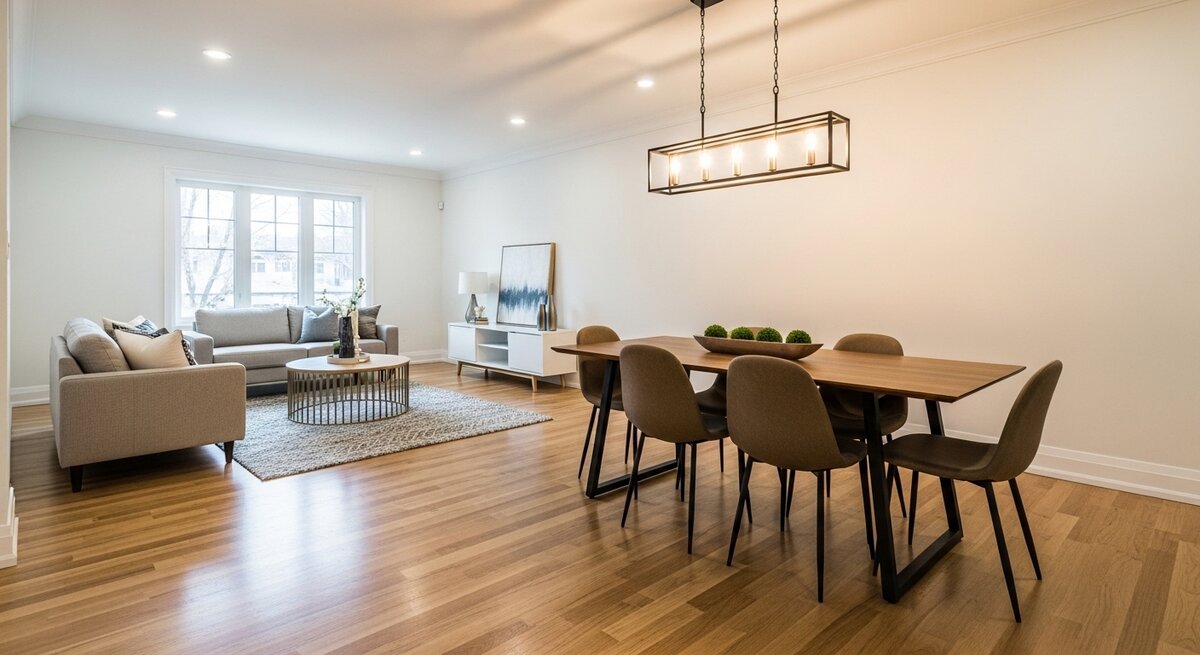
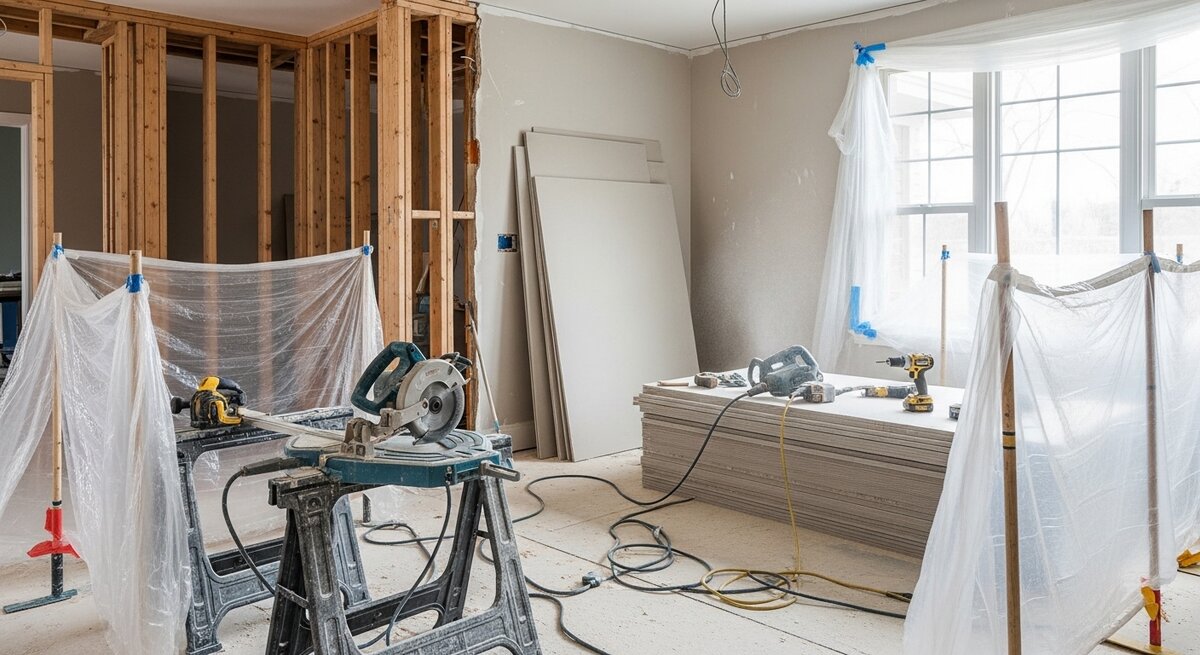
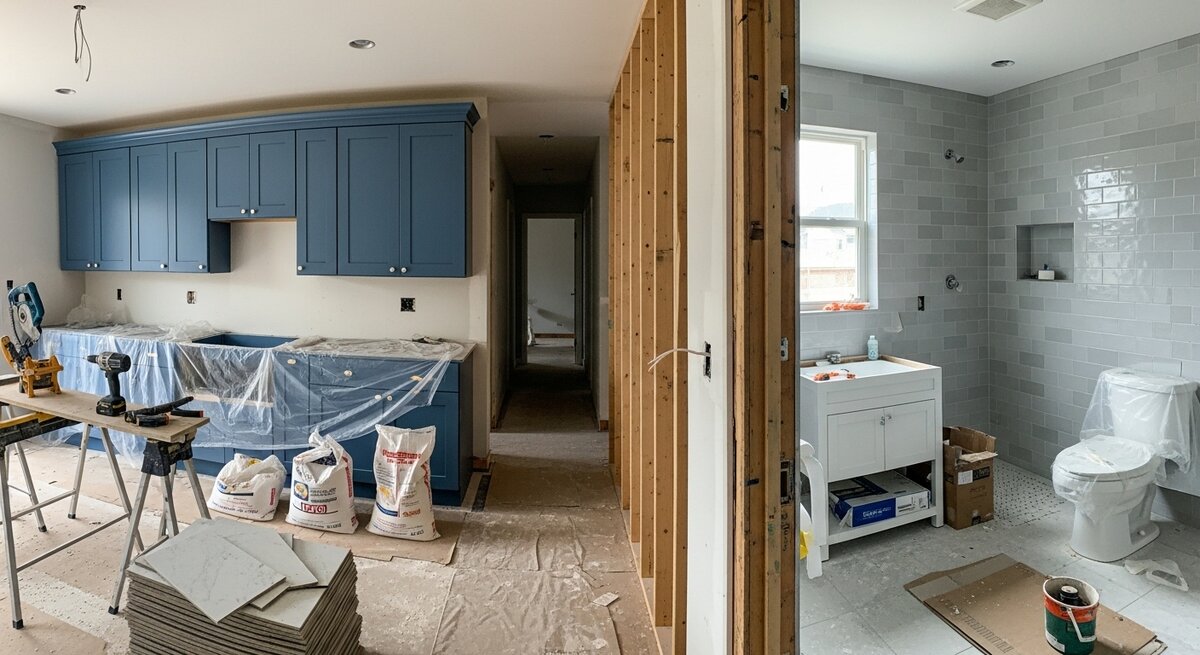
Our Window Tinting & Solar Film Work
Professional window tinting & solar film results from RenoHouse projects across the Toronto GTA.
Window Tinting & Solar Film
Toronto GTA
Quality Workmanship
Licensed & Insured
Like what you see? Let's talk about your project.
🧮 Window Tinting & Solar Film Installation — Cost Estimator
GTA / Ontario — 2026 market pricing
⚙️ Add-ons & Options
📊 Where the cost goes (typical breakdown)
📋 What affects your price:
💡 Estimates use 2026 GTA/Ontario market data. Actual cost depends on site conditions, material selections, and project scope. Book a free in-home quote for a precise number.
Frequently Asked Questions About Window Tinting & Solar Film
This is the #1 honest objection and we answer it before quoting. Solar film increases thermal stress because it absorbs additional infrared at the pane centre while frame-shaded edges stay cooler — the edge-to-centre temperature delta can crack annealed glass past its tolerance threshold (~40°C delta). Tempered glass is highly tolerant; annealed (most IGU side-window glazing) is the moderate-risk substrate; laminated and wired glass are low tolerance. On IGUs the additional risk is heat retention in the air gap aging the seal, which voids the manufacturer IGU warranty under several brands' terms (Pella, Andersen, and several Canadian window manufacturers explicitly exclude aftermarket film). Our protocol: at site visit we identify glass type, thickness, tint, IGU age, low-E surface, and frame material; we cross-reference the proposed film against the manufacturer compatibility chart; if marginal or not recommended we propose a different series or decline the install. If we proceed, the film manufacturer warranty (3M, Llumar, Madico) covers thermal-stress glass replacement within 90 days when the install followed the chart. We document the survey in your contract — no surprises later.
Metallized solar films (signal interference): $7-10/sqft installed. Ceramic mid-tier (Llumar Air Blue, Madico Sunscape): $10-14/sqft. Ceramic premium (3M Ceramic, Llumar Vista Ceramic): $10-18/sqft. 3M Prestige nano-ceramic flagship: $15-22/sqft. 3M Crystalline (highest clarity): $18-25/sqft. Dual-reflective (3M Night Vision, Llumar DR): $11-16/sqft. Whole-suite condo install 8-14 windows mid-tier ceramic: $2,500-$5,500. Whole-home detached south/west exposure ceramic: $4,000-$10,000. Single-room solar control: $700-$2,200. We quote per-window with the film series, VLT, and TSER spelled out — no generic estimates.
Dyed: skip for residential. Cheapest but fades purple in 3-7 years and barely rejects heat (~25-35 percent TSER). Metallized (sputtered): strong heat rejection (60-70 percent TSER) and the mirror look, but blocks cellular, WiFi 5 GHz, GPS, and remote-key signals — fine for detached garages, problematic for condos at the windowed wall. Ceramic: residential default for 2026. Non-metal nano-ceramic particles, no signal interference, 50-62 percent TSER, 95-98 percent IR rejection, neutral tint that disappears at high VLT. Nano-ceramic / multilayer optical (3M Prestige, 3M Crystalline): top-tier clarity and IR rejection, premium price, the spec for luxury condos and detached homes where the homeowner does not want the window to look filmed at all.
3M Prestige Series (PR 70 / PR 60 / PR 50 / PR 40) is the residential flagship — 200+ multilayer optical film (MOF) layers, non-metal, no signal interference, ~97 percent IR rejection across the range, lifetime residential warranty when registered through 3M Authorized Dealer. The number after PR is the approximate VLT. Pricing: $15-22/sqft installed in Toronto. 3M Crystalline (Crystalline 70 / 50 / 40) is the highest-clarity multilayer optical film — even more layers, designed to be virtually optically invisible, originally an automotive flagship now residential-spec. ~98 percent IR rejection, lifetime warranty, $18-25/sqft installed. The choice: Prestige for the typical premium residential job; Crystalline for luxury homes where the homeowner has tested both and prefers the slight clarity advantage at 20-30 percent more cost.
Often yes. Window glass is generally a common element under Section 97 of the Condominium Act, and applying film is a common-element alteration that boards have authority to approve or deny. Most Toronto boards approve clear or lightly-tinted ceramic films within 2-4 weeks via informal email submission of the manufacturer spec sheet, sample install location, and a brief description of the appearance change. Reflective and dark films require formal board resolution and take 6-10 weeks; some newer towers (several King West, CityPlace, Yorkville buildings) explicitly prohibit reflective alterations and will deny outright. Our protocol: at site visit we collect the building declaration and rules; we identify whether your proposed film is approved as-of-right or needs submission; we prepare the submission package with manufacturer spec sheets and photos. Skip the board step at your own risk — boards can order film removal and chargeback you for the time.
No. The Ontario Home Renovation Savings (HRS) program (active 2025-2026, applications close May 31 2026) rebates ENERGY STAR-certified window REPLACEMENT at $100 per opening with a 3-opening minimum, plus insulation, air sealing, heat pumps, smart thermostats, solar PV, and batteries. Window film is not on the eligible list and there is no federal or provincial film-specific rebate. The honest comparison: full window replacement costs $1,200-$2,500 per opening installed and meaningfully improves both heat rejection and U-value; window film costs $400-$1,400 per typical opening installed and delivers 25-40 percent of the replacement benefit at 5-10 percent of the cost. If your existing windows are functionally fine and you are solving for summer heat / glare / UV fade, film is the better economics. If your windows are aged single-pane or failed double-pane IGUs, replacement under HRS is the right call.
Yes for metallized or sputtered films. Dual-reflective (3M Night Vision, Llumar DR Series) and pure metallic mirror (3M Silver, Llumar R Series) attenuate cellular (especially Bell/Telus 5G in the 3.5 GHz band), WiFi 5 GHz, GPS, and garage-door remotes. In a downtown Toronto condo with marginal cellular coverage at the windowed wall, installing metallized films across the whole window line can drop carrier signal from 3 bars to 1 bar or less. Three mitigations: (1) use ceramic films instead — no metal, no interference (3M Prestige and Llumar Vista Ceramic are the typical swap); (2) install a Cel-Fi or weBoost signal booster ($350-$900); (3) accept the trade-off for the privacy/heat benefit. We disclose this at quote — never mid-install.
We coordinate manufacturer-certified install paths for premium product so your warranty registers correctly. 3M Prestige and Crystalline installs go through 3M Authorized Dealer partners. Llumar Vista, Air Blue, and DR Series go through Llumar SelectPro. Madico Optitune goes through Madico Premier Installer. SolarGard Sentinel and TrueVue go through certified SolarGard partners. RenoHouse holds the contract, manages your project, performs site survey and finish work, and ensures warranty registration completes — but we are honest that the regulated certification path runs through our partner network. Lower-tier ceramics (Llumar Air Blue, Madico Sunscape entry-tier) we install directly under our partner programs.
On a typical 700 sqft south/west-facing Liberty Village condo with ~120 sqft of window glass, summer cooling pre-film runs ~600 kWh/month at $60-$80/month blended TOU/ULO. Post-film with ceramic at 55 percent TSER drops to ~430 kWh/month at $40-$55/month. Seasonal savings May-September: $100-$150. On a $1,400-$2,200 mid-tier ceramic install the simple energy payback is 9-20 years. The honest framing: film is a comfort + glare + UV-fade play with cooling savings as a tailwind, not primarily an energy ROI play. The case strengthens dramatically on ULO during the 4-9 pm peak ($0.286/kWh) which is the exact afternoon hours when west-facing rooms run AC hardest. If your priority is energy payback alone, you are usually better off with window replacement under HRS rebate (deadline May 31 2026) or a heat-pump upgrade.
Per-window install: 30-60 minutes for a typical residential opening. Whole-condo solar install (8-14 windows): one full day or two short days. Whole-home detached install (south + west exposures, 15-25 windows): 2-3 days. You can use the windows immediately — open and close, clean (gently with non-abrasive cleaner) — but the film mounting solution takes 7-14 days to fully evaporate through the film during the edge cure. During the cure period the film may look slightly hazy with small water-droplet patterns; this is normal and clears on its own. We coach you at install handover and follow up at week 2 to confirm cure completed cleanly. Manufacturer warranty registration is submitted at install; you receive the warranty certificate within 5-10 business days.



You Might Also Need
Customers who looked at window tinting & solar film also asked us about these complementary services.


We Serve All GTA
Professional window tinting & solar film services available across the Greater Toronto Area.
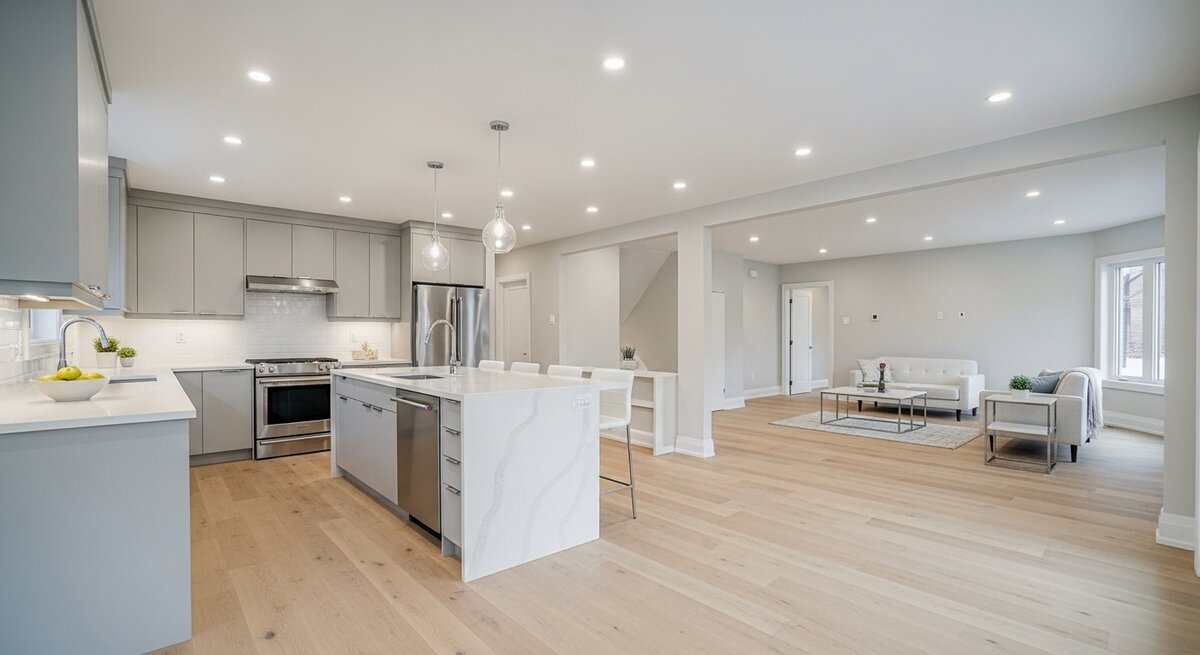
“Renovated our entire main floor — kitchen, living room, flooring, paint, lighting. They coordinated everything perfectly. One contractor for the whole project.”
— Anthony G., North York
Get a Free Window Tinting & Solar Film Estimate
Contact us today for a free, no-obligation quote for your window tinting & solar film project in Toronto GTA. We'll get back to you within 1 hour.