RenoHouse

# Bathroom Renovation in Aurora: 2026 Costs and What to Expect
Quick answer. A bathroom renovation in Aurora, ON runs $8,000–$65,000 in 2026, depending on scope and bathroom size. A cosmetic refresh — new vanity, toilet, fixture swap, and tile — typically costs $8,000–$18,000. A full gut renovation with new plumbing, custom shower, heated floors, and quality finishes ranges from $28,000 to $65,000 for a standard main bathroom.Bathroom Renovation Costs in Aurora: 2026 Price Breakdown
Aurora's housing stock is a mix of 1990s and 2000s-era subdivisions around Bayview Avenue and Leslie Street, older century homes near Old Aurora, and newer infill builds closer to Yonge Street. That range matters because older homes sometimes reveal surprises behind drywall — galvanized pipes, aluminum wiring, or out-of-plumb tile walls that add to the final cost.
The table below shows 2026 GTA pricing for the most common bathroom renovation scopes in Aurora and surrounding York Region communities like Newmarket, Richmond Hill, and King City.
| Renovation Scope | Typical Cost (2026 GTA) |
|---|---|
| Powder room refresh (fixtures + paint) | $5,000–$10,000 |
| Full cosmetic update (vanity, tile, toilet, tub) | $10,000–$18,000 |
| Main bathroom gut renovation | $22,000–$40,000 |
| Master ensuite with walk-in shower | $30,000–$65,000 |
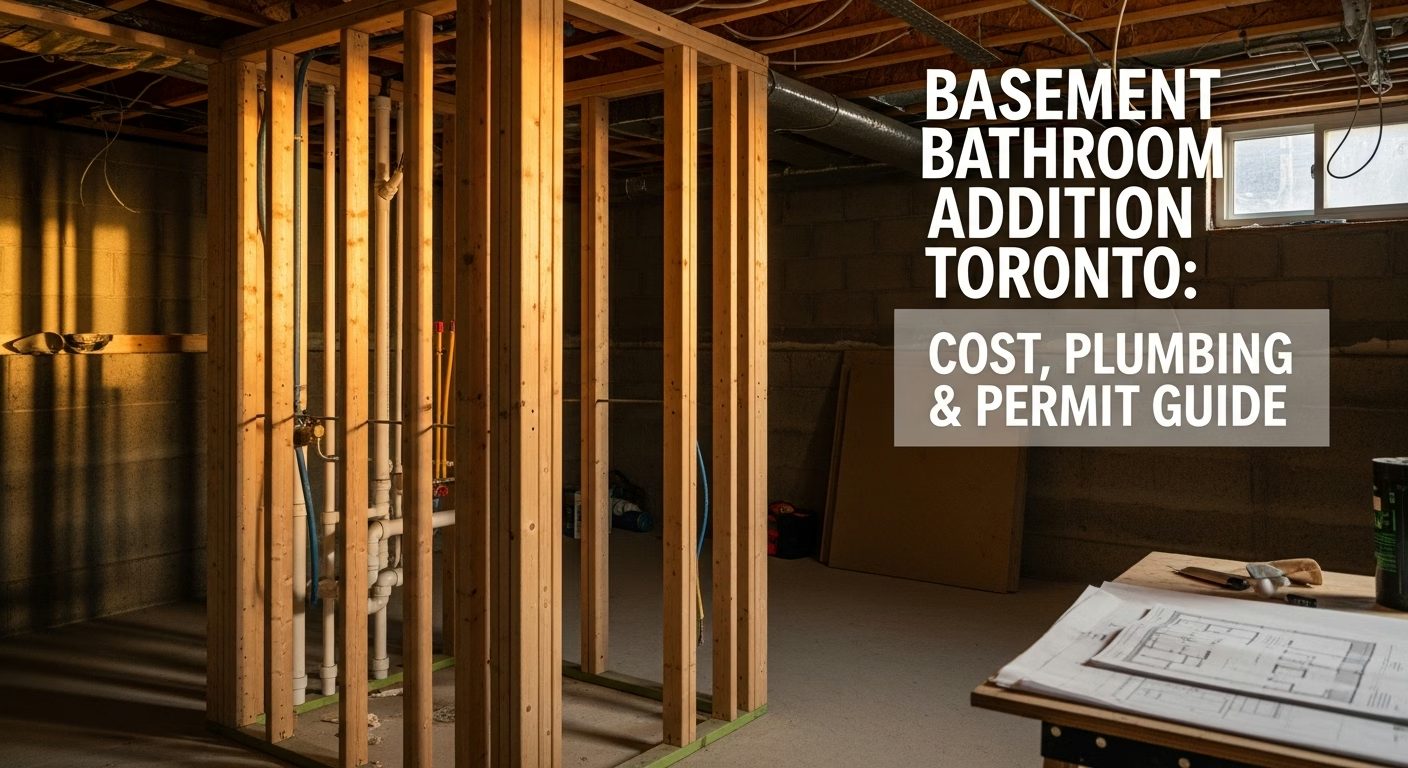
| Basement bathroom addition | $18,000–$35,000 |
| Luxury master bath (heated floors, custom tile, soaker) | $50,000–$90,000 |
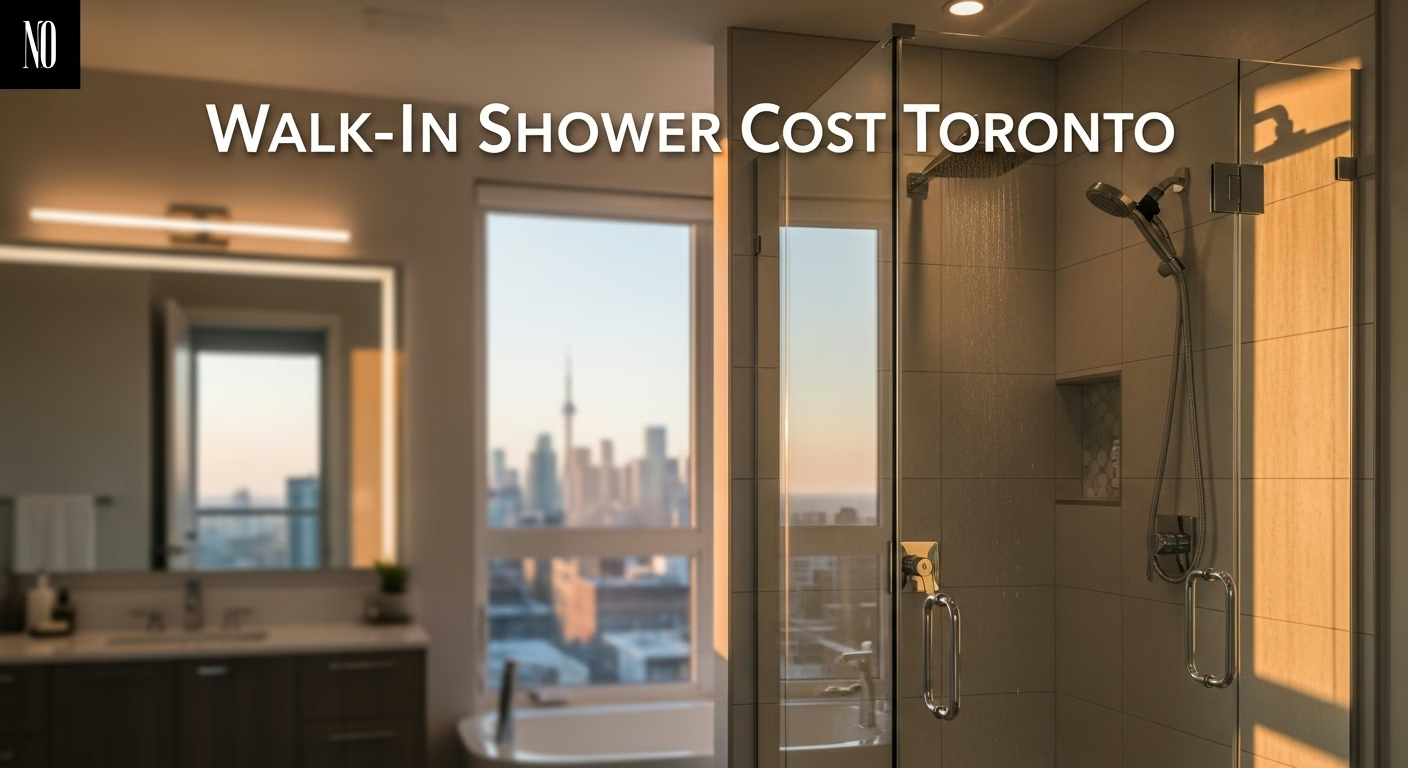
For a detailed breakdown of walk-in shower pricing specifically, see our walk-in shower cost guide.
Several factors move the price inside those ranges. Bathroom size is the most obvious — a 5x8 main bath costs considerably less than a 10x12 master ensuite. Plumbing relocation is the biggest cost driver: keeping drains and supply lines in their existing locations can save $3,000–$8,000 compared to moving them. In older Aurora homes near Mosley Street or Wellington Street East, cast iron drain stacks may need partial replacement, which adds $1,500–$4,000 depending on access.
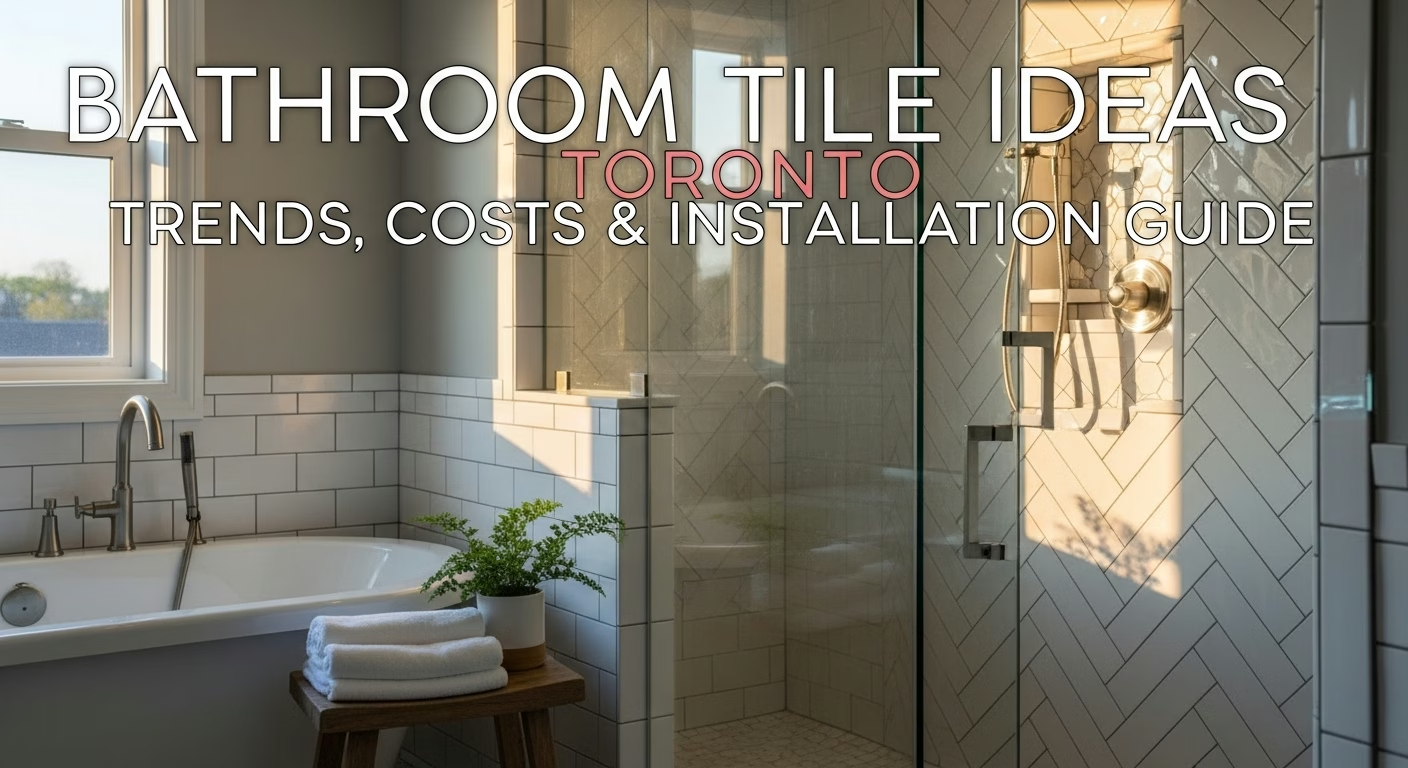
Tile selection has a wide impact. Standard ceramic runs $3–$8 per square foot in material alone; large-format porcelain or natural stone starts around $12–$25 per square foot and requires more careful substrate preparation. Labour for complex tile patterns — herringbone, diagonal, or custom medallions — adds 30–50 percent over a basic straight lay. For material comparisons and pattern ideas, see our bathroom tile ideas guide. Most Aurora bathroom renovations in the $25,000–$40,000 range use mid-grade porcelain for floors and a combination of subway or large-format tile for shower walls.
Heated floors are a common upgrade in York Region homes, where winters are cold and bathroom comfort matters. A 50-square-foot electric in-floor heating system costs $800–$1,800 installed, including the thermostat. Hydronic systems cost more and are typically only worth considering as part of a larger whole-home project.
Need professional renovation?
Call RenoHouse at 289-212-2345 or get a free estimate today.
Get Free Estimate →How a Bathroom Renovation Works in Aurora
Most bathroom renovations in Aurora follow a six-to-eight week timeline from signed contract to final inspection, though larger master ensuite projects can run ten to twelve weeks. Here is the typical sequence.
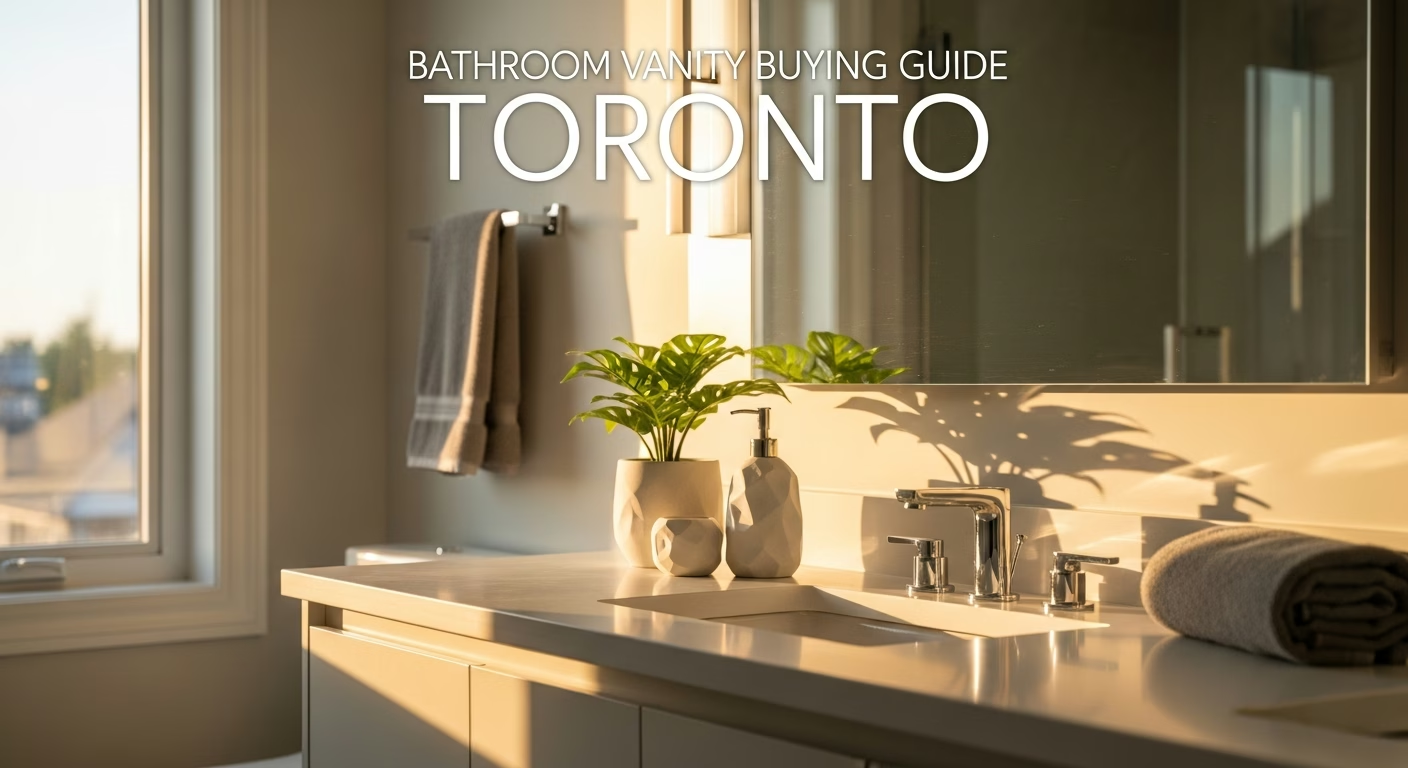
1. Design and permit application. The Town of Aurora requires a building permit for any work involving structural changes, plumbing rough-in, or electrical modifications. A straightforward permit application typically takes two to four weeks for approval. Pulling the correct permits protects you at resale — unpermitted plumbing relocations and additions are flagged during home inspections and can complicate a sale. 2. Demo. Tile, drywall, vanity, toilet, tub, and shower are stripped to the studs and subfloor. This stage often reveals the issues that affect final cost: mould behind tile, rot in the subfloor near the toilet, or outdated plumbing connections that need upgrading. 3. Rough-in trades. Plumbing rough-in comes first, followed by electrical rough-in. In Ontario, electrical work in a bathroom requires an ESA (Electrical Safety Authority) permit — GFCI outlets, exhaust fan wiring, and heated floor thermostats all need inspection. Working with an ESA-licensed electrician is a legal requirement under the Ontario Electrical Safety Code, not a suggestion. 4. Waterproofing and substrate. This step is skipped by less experienced contractors and is one of the main causes of tile failures and hidden mould in Aurora bathrooms. Shower pan liners or sheet membrane systems, cement board or tile backer on wet walls, and proper floor slope toward drains are non-negotiable on a renovation meant to last 15 to 20 years. 5. Tile installation. Floors go in first, then walls, then accent or feature tiles. Large-format tiles (24x24 or larger) require a flatter substrate and more precise work to avoid lippage. 6. Fixture installation and finishes. Vanity, toilet, shower fixtures, mirrors, lighting, and accessories are installed after tile grout cures. Our bathroom vanity buying guide covers sizing, mounting styles, and what to budget if you are still selecting a vanity at this stage. 7. Final inspections. The Town of Aurora's building inspector and the ESA inspector each verify their respective work. A good contractor schedules these proactively rather than treating them as an afterthought.Comparing Contractors in Aurora: What Separates Good from Bad
Aurora and the broader York Region market have no shortage of bathroom renovation contractors. The price spread between quotes can be significant — $12,000 on one end, $38,000 on another, for what appears to be the same scope. Understanding why that gap exists is more useful than simply choosing the middle quote.
Low bids frequently exclude permit fees (typically $500–$1,500 for a bathroom renovation in Aurora), waterproofing materials, or assume no tile substrate work beyond the bare minimum. When those items appear as change orders midway through demo, the final number often exceeds the mid-range bid. Ask every contractor for a written scope of work that specifies what is included in waterproofing, what allowances are built in for tile material, and how change orders are priced.
Licensing and insurance matter more in bathrooms than in most other renovation categories because water damage claims are expensive. A plumbing failure in a second-floor bathroom can damage the floor below, and an improperly waterproofed shower can cause mould inside walls for years before it is discovered. Verify that your contractor carries general liability insurance of at least $2 million and that any electrical subcontractor is ESA-licensed.
References from Aurora or nearby communities — Newmarket, King City, Richmond Hill, Vaughan — are worth more than a general collection of online reviews. Ask specifically whether the previous project came in on budget, whether the timeline held, and whether there were any issues discovered after completion. A contractor with 12 or more years in the GTA and documented experience in York Region homes will know the local permit process, the common construction issues in the local housing stock, and the suppliers who can deliver quality materials on schedule.
Watch for contractors who want a large deposit upfront — more than 10–15 percent of the project value — or who cannot provide a written contract. These are consistent warning signs in the GTA trades market.
Frequently Asked Questions
Do I need a permit for a bathroom renovation in Aurora?
For a cosmetic update — new fixtures, paint, and replacing tile in the same footprint — no permit is typically required. Any work that changes plumbing locations, modifies or adds electrical circuits, or alters a wall requires a building permit from the Town of Aurora. Electrical work of any scope requires an ESA permit regardless of whether a building permit is needed. Budget $500–$1,500 for permit fees on a standard full bathroom renovation.
How long does a bathroom renovation take in Aurora?
A straightforward main bathroom renovation — demo, plumbing, electrical, tile, and fixtures — takes four to seven weeks including permit wait times. A master ensuite with custom tile work, heated floors, and a walk-in shower typically runs eight to twelve weeks. Delays are most common at the permit approval stage (two to four weeks with the Town of Aurora) and during material lead times for custom vanities or specialty tile, which can add two to four weeks if not ordered early.
What is the most common unexpected cost in Aurora bathroom renovations?
Subfloor rot around the toilet and tub or shower area is the most frequent surprise during demo in Aurora homes built before 2000. Replacing a damaged subfloor section adds $800–$2,500 depending on extent. Mould remediation behind tile in a poorly waterproofed shower adds a similar amount. Both issues are detectable during demo and should be addressed before new tile goes in — deferring remediation leads to recurring problems within a few years.
Is a bathroom renovation worth it for resale value in Aurora?
The Aurora and York Region resale market consistently rewards updated bathrooms, particularly master ensuites and main bathrooms. A mid-range full renovation costing $25,000–$40,000 typically recovers 60–80 percent of cost in added resale value, based on comparable sales data in the York Region market. Luxury renovations above $60,000 tend to recover a lower percentage but improve the speed of sale and competitiveness against similar listings.
Need a quote in the GTA?
RenoHouse serves Aurora, Newmarket, Richmond Hill, King City, Vaughan, and the broader York Region. With over 12 years of GTA bathroom renovations and a 4.9-star rating from 498 verified reviews, the team handles permits, plumbing coordination, ESA electrical, and tile work under one contract. If you have a project in mind — a powder room refresh or a full master ensuite rebuild — call 289-212-2345 or request a free quote online.