 RenoHouse
Expert Chimney Liner Relining in Toronto & GTA
Professional chimney liner relining toronto services in Toronto and the Greater Toronto Area. Licensed, insured, and trusted by homeowners across the GTA.
Serving the GTA
In-Home Estimates
Workmanship Warranty
Projects Completed
How It Works
A simple, stress-free process from start to finish.
Send Your Request
Call or WhatsApp us. Send photos, video, comments about what needs to be done, and your location.
Remote Estimate
We review everything, discuss details, and provide a clear estimate — often within hours, no visit needed.
Repair Process
Our licensed team arrives on the agreed date and completes your chimney liner relining toronto to the highest standards.
Handover & Warranty
Final walkthrough with you, full cleanup, and warranty documentation provided.
Send Your Request
Call or WhatsApp us. Send photos, video, and a description of the work + your location.
Remote Estimate
We review everything, clarify details, and give you a price — often within hours.
Repair Process
Licensed team arrives on schedule and completes your chimney liner relining toronto professionally.
Handover & Warranty
Final walkthrough, full cleanup, and warranty documentation.
Chimney Liner Relining Toronto in Toronto GTA
RenoHouse offers expert chimney liner relining in Toronto & GTA. We install UL 1777 listed stainless steel flue liners for gas furnaces & wood fireplaces, ensuring safety & efficiency. Get a free quote today!
Your Toronto home, whether a grand Victorian in The Annex or a charming post-war bungalow in Etobicoke, relies on a safe and efficient chimney. It’s the unseen workhorse that vents harmful gases from your furnace and allows you to enjoy the warmth of a wood-burning fireplace. However, the original clay tile liners in most older GTA homes are prone to cracking, crumbling, and deterioration over time. This creates a serious fire hazard and a risk of carbon monoxide exposure.
The modern, permanent solution is a stainless steel chimney liner relining service. At RenoHouse, we specialize in protecting Toronto homes by installing high-quality, UL 1777 listed stainless steel flue liners for both gas furnaces and wood-burning fireplaces. This process not only restores the safety of your chimney but also improves the efficiency of your heating appliances and preserves the structural integrity of your home’s historic masonry. It’s a critical investment in your family's safety and your property’s value.
This comprehensive guide will walk you through everything you need to know about chimney liner relining in Toronto. We'll cover the warning signs that your chimney is failing, our detailed installation process, the unique considerations for Toronto's heritage homes, cost expectations across the GTA, and the crucial safety codes we adhere to on every single project.
When You Need Chimney Relining: Telltale Signs and Symptoms
A failing chimney liner isn't always obvious. The damage often happens out of sight, deep within the masonry structure. However, there are several key indicators that homeowners in the GTA should be aware of. Ignoring these signs can lead to catastrophic failures, including chimney fires or dangerous gas leaks.
Here are the most common reasons you might need a professional chimney relining service:
- Deteriorating Masonry: Look at the outside of your chimney stack. Are you seeing white, powdery stains (efflorescence)? This is a sign that moisture is seeping through the brickwork because the liner is no longer containing the corrosive flue gases and condensation. You might also notice spalling (flaking or peeling) bricks or crumbling mortar joints.
- Visible Debris in the Fireplace: If you find pieces of clay tile, mortar, or brick in your fireplace hearth after it hasn't been used, it’s a red flag. This means the original flue liner is actively breaking apart and falling down the chimney.
- Poor Draft and Smoky Fireplace: Is your living room filling with smoke every time you try to light a fire? While a closed damper or wet wood can be culprits, a common cause is a compromised or blocked liner. Cracks and gaps can disrupt the airflow, preventing the chimney from drafting properly and pulling smoke up and out.
- Excessive Condensation or Water Damage: Modern high-efficiency gas furnaces produce cooler, wetter exhaust. An old, oversized clay liner can't stay warm enough to push this exhaust out, causing excessive condensation to form inside the flue. This acidic moisture can rapidly destroy the liner and mortar, leading to water stains on walls or ceilings near the chimney.
- A Professional Inspection Recommends It: If you've had a WETT (Wood Energy Technology Transfer) inspection for your fireplace or a licensed HVAC technician has serviced your furnace, they may have identified a damaged liner using a specialized camera. This is the most definitive way to diagnose the problem.
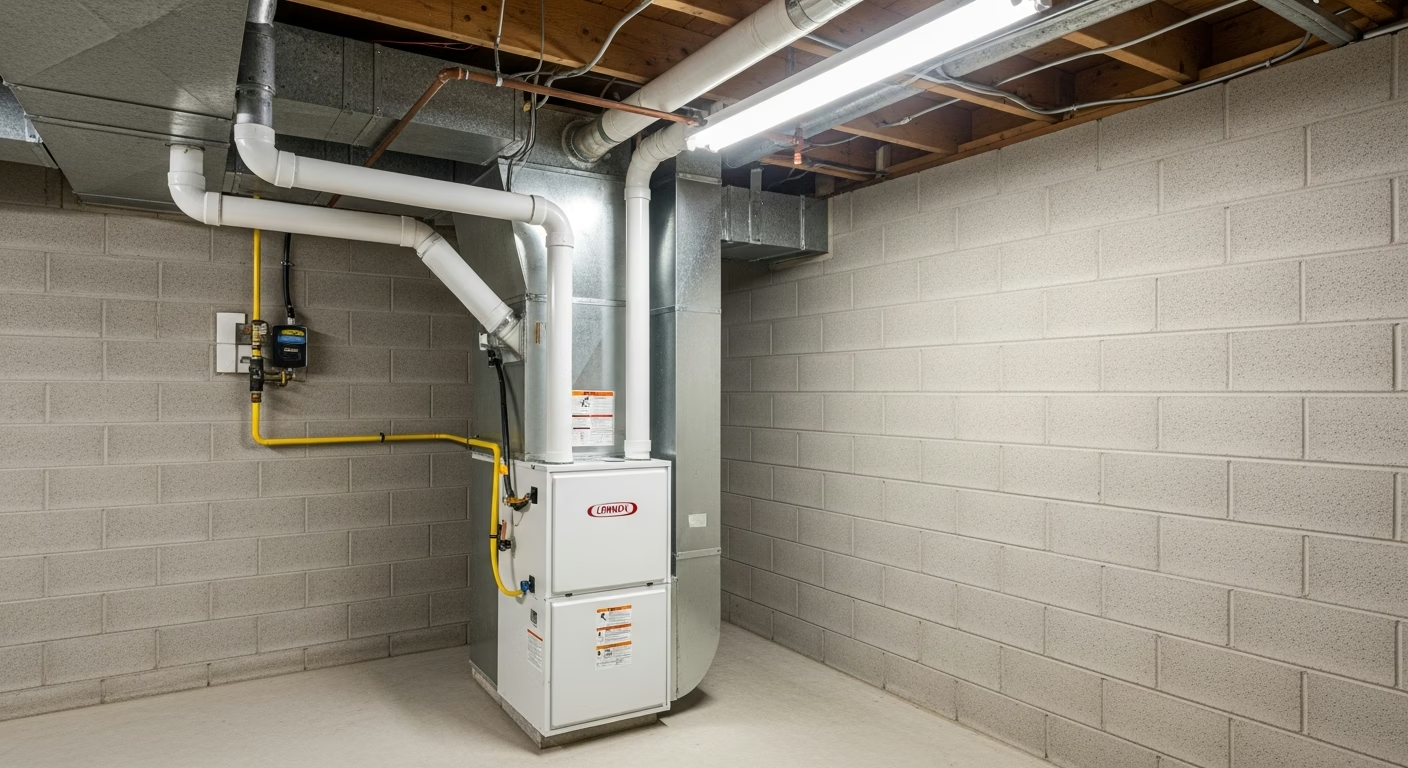
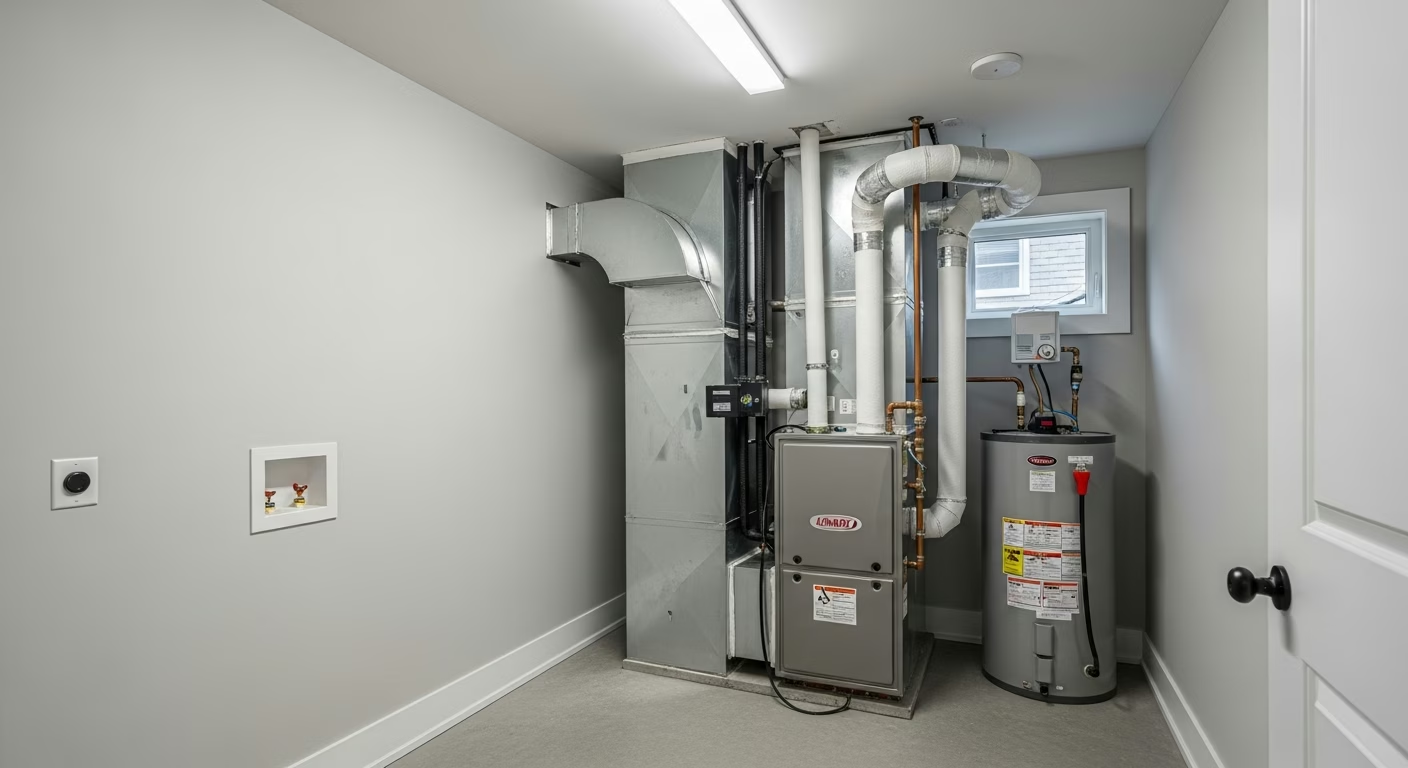
- Upgrading Your Heating Appliance: When you install a new high-efficiency gas furnace, the manufacturer's specifications and the TSSA gas code often *require* a new, properly sized liner. The old, oversized clay flue is incompatible and unsafe for modern appliances.
- Peace of Mind in an Older Home: If you live in a classic Toronto home built before the 1980s and the chimney has never been relined, it’s wise to be proactive. The original liner has likely exceeded its service life, and an inspection and relining can prevent future emergencies.
Our Process & Premium Materials: A Step-by-Step Guide
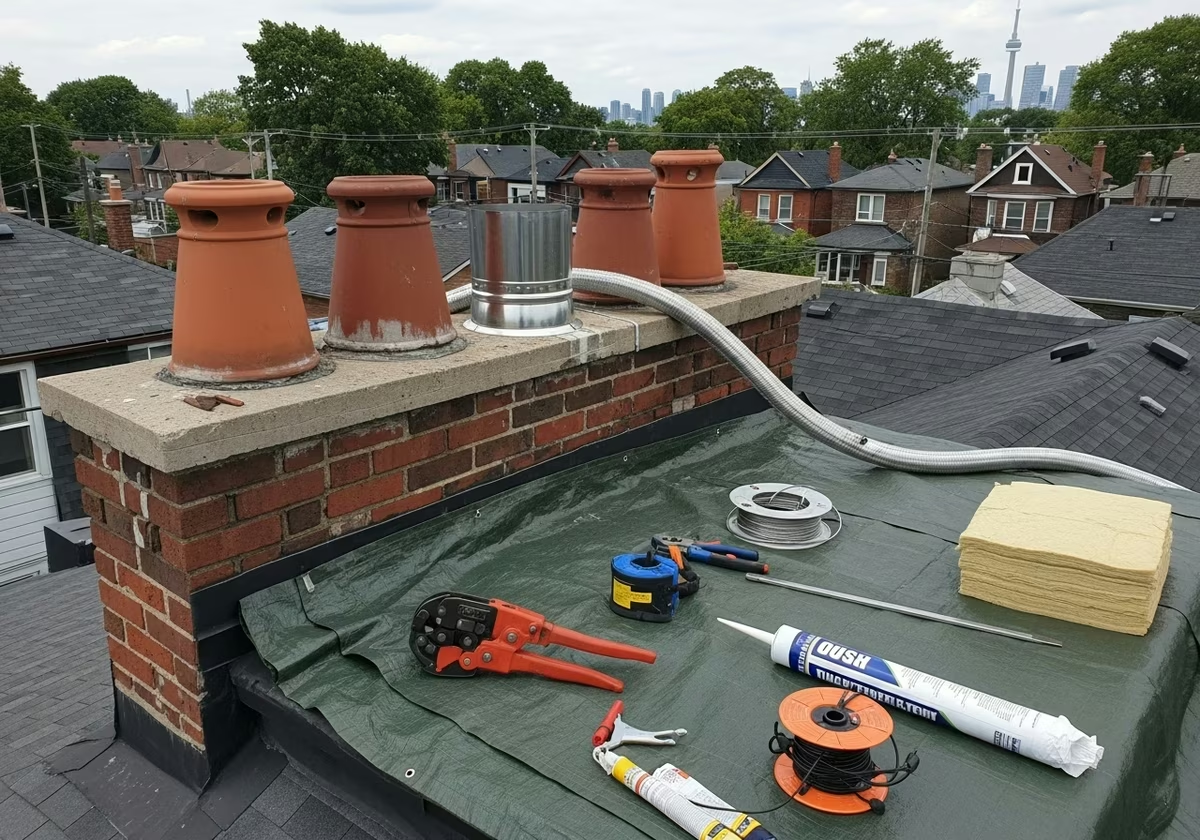
At RenoHouse, our chimney relining process is meticulous, safe, and designed for longevity. We use only the highest-grade materials and adhere to a strict installation protocol to ensure your chimney is not just repaired, but significantly upgraded.
Here is our step-by-step process for a typical stainless steel flue liner installation:
- Comprehensive On-Site Inspection: Our process begins with a thorough evaluation. A certified technician will visit your home to perform a Level 2 inspection, which often includes a video camera scan of the entire flue from top to bottom. We measure the chimney's height, flue dimensions, and any offsets or bends. This allows us to select the correctly sized liner and plan the installation precisely.
- Thorough Chimney Cleaning: Before a new liner can be installed, the existing flue must be completely clean. We perform a professional chimney sweep to remove all soot, creosote buildup (a highly flammable substance), debris, and any loose fragments of the old clay liner. This ensures a clear passage and prevents future blockages.
- Liner Preparation: We use a continuous, flexible stainless steel liner cut to the exact length of your chimney. This one-piece construction eliminates the risk of future joint failures, which is a common issue with sectional clay tiles. All necessary components, like the bottom tee connection and top plate, are prepared for installation.
- Liner Insertion: The new stainless steel liner is carefully guided down the chimney from the roof. For chimneys with sharp bends or offsets, this requires significant skill and specialized tools to navigate the passage without damaging the liner.
- Insulation Installation: This is a critical step that many competitors skip. We insulate the liner by either pouring a lightweight, fireproof vermiculite mixture around it or by wrapping it with a high-temperature ceramic wool blanket. Insulation is mandatory for wood-burning systems and highly recommended for gas appliances. It keeps the flue gases hot, which improves draft, drastically reduces creosote buildup in wood systems, and minimizes condensation in gas systems.
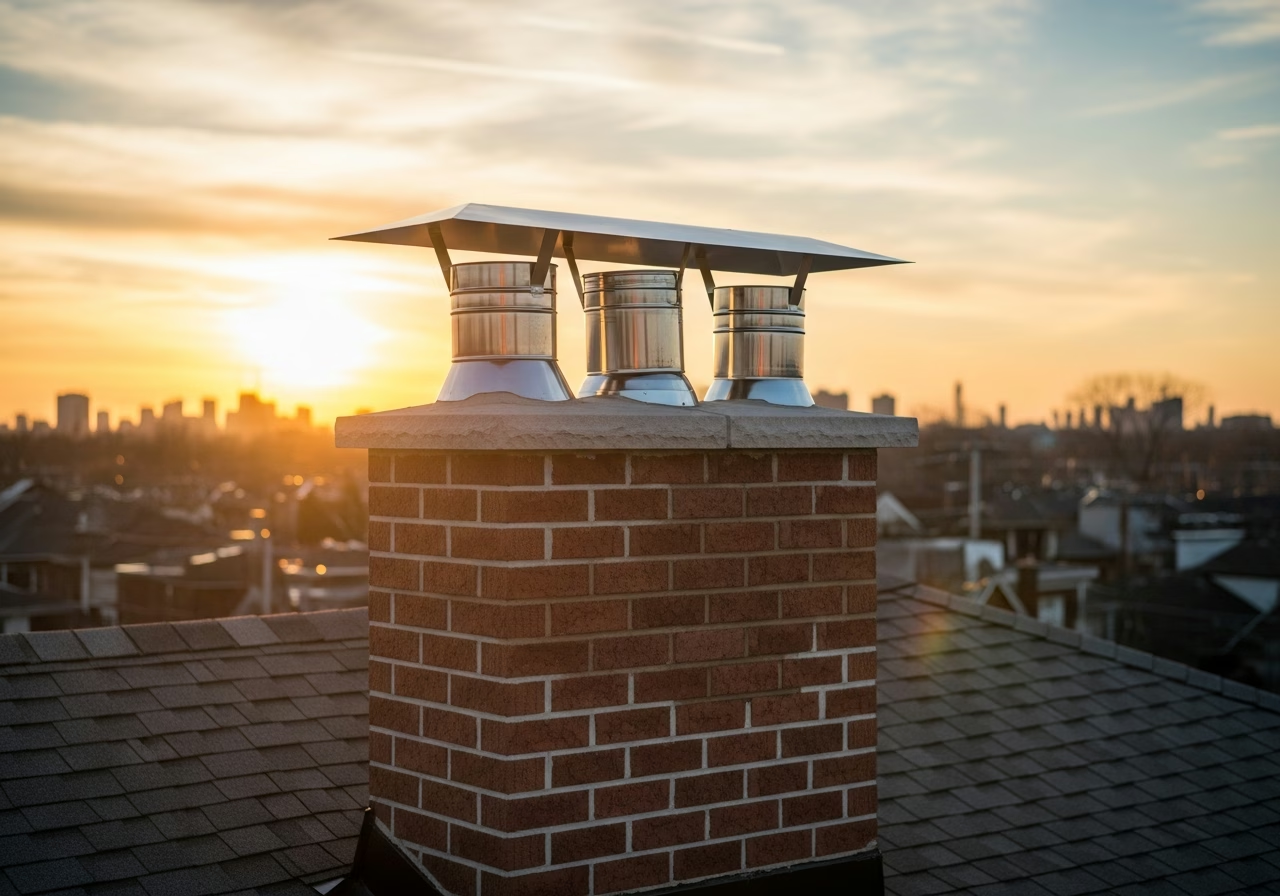
- Securing Top & Bottom Components: At the top of the chimney, we install a new stainless steel top plate and storm collar, which seals the opening between the liner and the chimney crown. A rain cap is then fitted to keep rain, snow, and animals out. At the bottom, we connect the liner to your furnace or fireplace insert using a secure, sealed tee-connector.
- Sealing and Finishing: All connections are sealed with high-temperature refractory cement to create an airtight system from the appliance to the top of the chimney. If we identified any cracks or damage to the chimney crown during our initial inspection, we repair it with the appropriate mortar to prevent water penetration.
- Final Testing and Cleanup: Once the installation is complete, we perform a draft test to ensure everything is venting correctly. For gas appliances, a TSSA-licensed gas technician will make the final connection and test the appliance's operation. We leave your home and property as clean as we found it.
Materials We Use
The quality of the materials is just as important as the quality of the installation. We don't compromise on safety.
| Component | Material Specification | Purpose & Benefit |
|---|---|---|
| Flue Liner | 316Ti Stainless Steel Alloy | A premium alloy containing titanium, offering superior resistance to the highly corrosive acids found in flue gases from all fuel types (wood, gas, oil). UL 1777 listed for safety. |
| Insulation | Vermiculite or Ceramic Fibre Blanket | Fireproof and UL listed. Maintains high flue gas temperatures for better draft, increased efficiency, and enhanced safety by reducing creosote buildup and condensation. |
| Top Plate & Cap | 304 or 316 Stainless Steel | Provides a durable, weather-tight seal at the top of the chimney. The cap prevents water, debris, and animals from entering the flue. |
| Connectors & Fittings | 316Ti Stainless Steel | Ensures every part of the system has the same high level of corrosion resistance and longevity. No weak links. |
| Sealant | High-Temperature Refractory Cement | Creates permanent, gas-tight seals at all connection points, capable of withstanding temperatures exceeding 2000°F (1093°C). |
Heritage Considerations: Protecting Toronto's Historic Homes
Toronto is renowned for its beautiful historic neighbourhoods, from the brick bay-and-gables of Cabbagetown to the Edwardian manors of Rosedale. Working on these century-old homes requires more than just technical skill; it demands a deep respect for and understanding of traditional building materials.
The original brick and mortar used in these homes are fundamentally different from modern materials. Historic chimneys were built with softer, more porous brick and a lime-based mortar. This combination was designed to "breathe," allowing moisture to enter the masonry and then evaporate away naturally.
A common mistake made by general contractors is to repoint or repair these historic chimneys with modern Portland cement-based mortar (like Type S). This mortar is extremely hard and impermeable. When applied to soft, old brick, it creates a disastrous incompatibility:
- The hard mortar traps moisture inside the softer brick.
- In Toronto's freeze-thaw cycles, this trapped water freezes and expands.
- The expansion force destroys the face of the brick, a process called spalling.
This is why using the right mortar is non-negotiable.
At RenoHouse, we are experts in historic masonry. For any repointing or crown repair on a heritage chimney, we use a Type N mortar. Type N has a higher lime content and lower compressive strength than Type S, making it softer and more flexible. It is breathable, allowing moisture to escape, and its softness ensures that it won't damage the delicate historic brick it surrounds. It is the material of choice for preserving the integrity and longevity of Toronto's architectural treasures.
When we work in designated Heritage Conservation Districts, we are meticulous in following all local guidelines to ensure our work is not only safe and functional but also historically appropriate and visually seamless. Choosing a contractor who understands this distinction is crucial to protecting your investment and preserving the character of your heritage home.
Cost Breakdown for Chimney Relining in the GTA
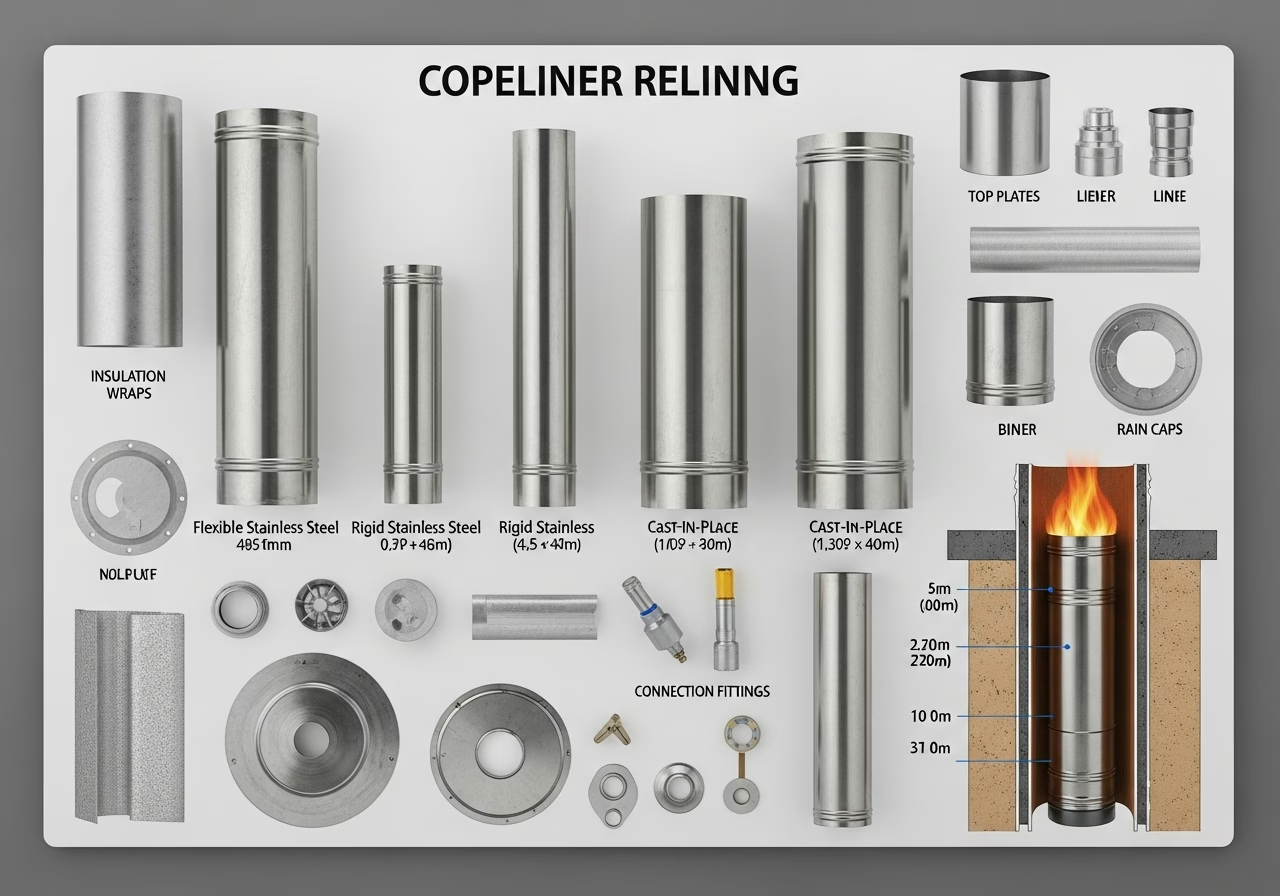
The cost of a professional stainless steel chimney relining project in Toronto and the GTA typically ranges from $1,800 to $4,800. This price variation is influenced by several key factors specific to your home and chimney. Our quotes are always transparent, and we will walk you through every line item so you understand exactly what you are paying for.
Key factors that determine the final cost include:
- Chimney Height: A taller chimney on a three-storey Victorian home will require more liner material and labour than a short chimney on a single-storey bungalow.
- Chimney Accessibility: A steep-pitched roof, difficult access, or complex rooflines can increase the labour time and equipment required for a safe installation.
- Liner Diameter & Type: The size of the liner is determined by the appliance it's venting. A large fireplace requires a wider, more expensive liner than a small gas furnace.
- Offsets and Bends: A perfectly straight flue is the easiest to reline. Chimneys with bends or "offsets" require more time and expertise to navigate the liner through.
- Insulation: As mentioned, insulation is mandatory for wood-burning systems and adds to the material and labour cost. While optional for some gas vents, it is always recommended for optimal performance.
- Masonry Repairs: If the initial inspection reveals significant damage to the brickwork or the chimney crown, the cost of these necessary repairs will be included in the overall quote.
Here is a table of estimated cost ranges for typical scenarios across the GTA:
| City / Area | Typical Home & Chimney Style | Estimated Cost Range | Notes |
|---|---|---|---|
| Downtown Toronto | 2.5-3 Storey Victorian/Edwardian Rowhouse | $3,200 - $4,800+ | Tall chimneys, often with bends, potential for heritage mortar work, challenging roof access. |
| The Annex / Rosedale | Large Heritage Homes | $3,500 - $4,800+ | Similar to downtown but often larger flues for grand fireplaces, requiring wider liners and extensive masonry care. |
| Etobicoke / Scarborough | 1-1.5 Storey Post-War Bungalows | $1,800 - $2,800 | Shorter, straight chimneys are more straightforward and cost-effective to reline. |
| North York | Mixed: Bungalows, Sidesplits, 2-Storey Homes | $2,200 - $3,500 | A wide variety of chimney heights and complexities, with costs falling in the mid-range. |
| Mississauga / Brampton | Newer 2-Storey Suburban Homes | $2,500 - $4,000 | Often taller chimneys but typically straight and with modern construction, simplifying the process. |
*Disclaimer: These are estimates for planning purposes only. A firm quote requires an on-site inspection.*
Uncompromising on Safety & Code Compliance
A chimney relining project is, first and foremost, a safety installation. We are uncompromising in our adherence to all relevant building codes and safety standards. This ensures your system is not only functional but fully compliant and insurable.
- Ontario Building Code (OBC) 9.21: This section of the code governs the construction, installation, and alteration of all chimneys, fireplaces, and venting systems. It specifies requirements for clearances to combustible materials, structural integrity, and the proper use of listed and tested materials. Our installations meet or exceed every aspect of OBC 9.21.
- TSSA (Technical Standards and Safety Authority): For any work involving a gas appliance like a furnace or gas fireplace, TSSA regulations are paramount. The B149.1 Natural Gas and Propane Installation Code dictates the specific requirements for venting. This includes proper liner sizing to match the appliance's BTU output, secure connections, and ensuring no risk of carbon monoxide (CO) spillage. All final connections to gas appliances are made by our TSSA-licensed gas technicians.
- WETT (Wood Energy Technology Transfer): While WETT itself is not a code, WETT-certified professionals perform inspections based on the CSA B365 code for the installation of solid-fuel-burning appliances. A failing liner is one of the most common deficiencies found during a WETT inspection. Our relining service directly addresses this, bringing your wood-burning system up to a state of compliance and safety. A newly relined and insulated chimney will pass a WETT inspection, which is often required by insurance companies.
By hiring RenoHouse, you are hiring a team that understands and respects these codes. We handle all the technical details so you can have complete confidence that the job is done right.
Warranty and Long-Term Maintenance
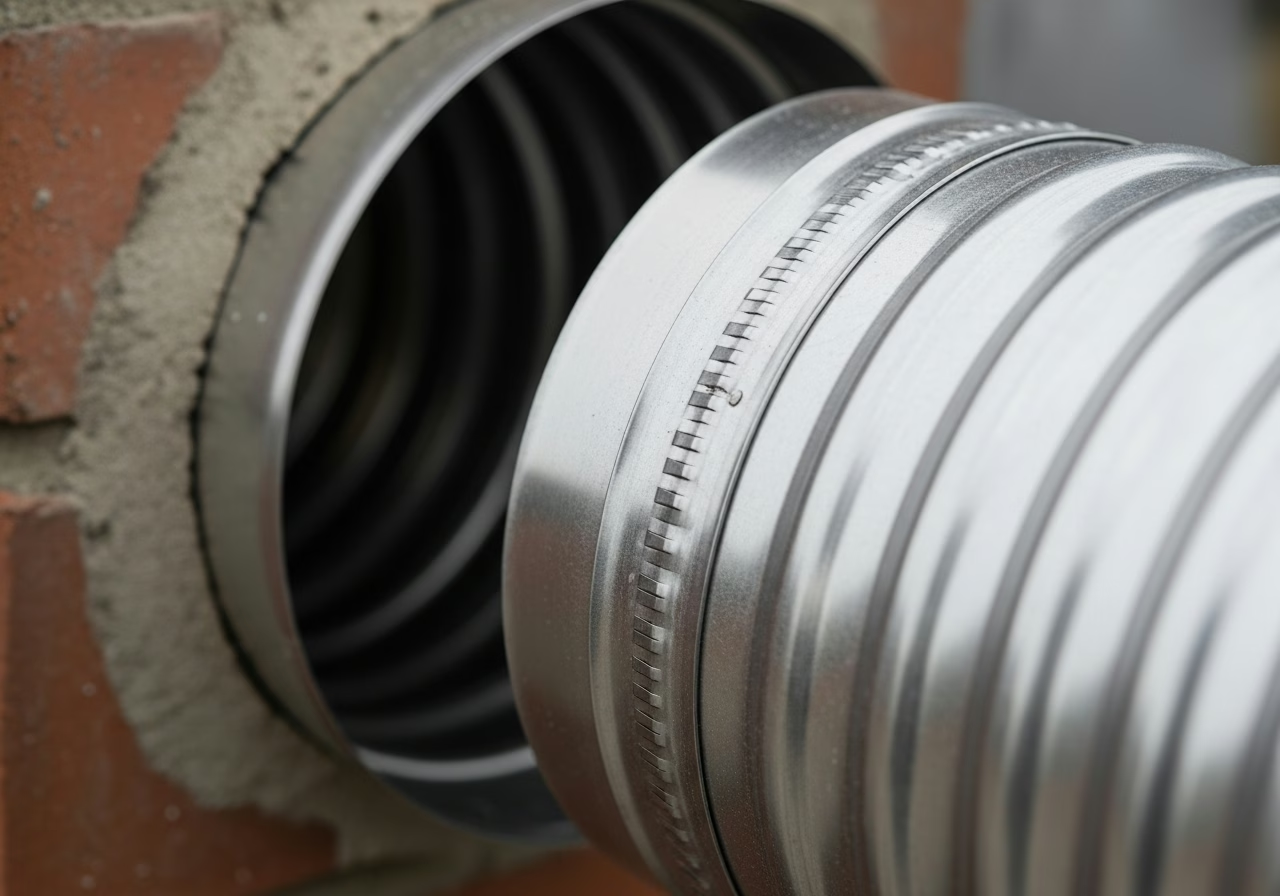
We stand behind the quality of our work and the materials we use. Your investment is protected by a dual warranty:
- Manufacturer's Lifetime Warranty: The premium 316Ti stainless steel liners we install come with a lifetime, transferable manufacturer's warranty against defects and corrosion. This is a testament to the quality and longevity of the product.
- RenoHouse Workmanship Warranty: We provide a comprehensive 10-year warranty on our installation workmanship. This covers all connections, seals, and components installed by our team. If any issue arises due to our installation, we will fix it.
To ensure your new liner provides a lifetime of safe service, we recommend simple, regular maintenance:
- For Wood-Burning Fireplaces: An annual inspection and professional chimney sweep is essential. Even with an insulated liner that reduces creosote, some buildup will occur. Regular cleaning is the number one way to prevent chimney fires.
- For Gas Furnaces: The venting system should be inspected every 2-3 years as part of your regular HVAC maintenance. While they don't produce creosote, it's important to check for blockages from animal nests or debris and ensure all seals remain intact.
- Visual Check: A few times a year, visually inspect your rain cap from the ground to ensure it's clear and in good condition.
Why Choose RenoHouse for Your Chimney Relining?
When it comes to the safety of your home and family, you need a specialist. RenoHouse is not a general roofing company or a handyman service; we are experts in chimney systems and historic masonry.
- Specialized Expertise: We focus on chimney health. We understand the unique challenges of Toronto's housing stock, from heritage masonry to modern venting requirements.
- Uncompromising Quality: We use only premium, UL 1777 listed 316Ti stainless steel liners and proven insulation methods. We never cut corners on materials or safety.
- Fully Certified & Insured: Our team includes TSSA-licensed gas technicians and installers well-versed in WETT principles and the Ontario Building Code. We carry full liability insurance for your protection.
- Transparent, Honest Pricing: Our detailed quotes explain all costs upfront. There are no hidden fees or surprise charges. We provide exceptional value through meticulous work that lasts a lifetime.
- Safety-First Culture: Our primary goal is to eliminate fire and carbon monoxide risks from your home. Every step of our process is designed around achieving a safe, compliant, and efficient chimney system.
- Local Toronto Focus: We live and work in the GTA. We are your neighbours, dedicated to protecting the homes and families in our community.
Don't wait for a chimney problem to become a home disaster. If you've noticed any of the warning signs or simply want peace of mind for your older home, contact the experts at RenoHouse today.
Call us or fill out our online form to schedule your free, no-obligation chimney inspection and detailed quote.
What Makes Us Different
Flexible Scheduling
Book chimney liner relining toronto appointments that fit your life. Evening and weekend slots available.
Quality Guaranteed
We don't cut corners. Every project follows industry best practices with premium materials and meticulous attention to detail.
No Hidden Fees
Straightforward pricing for chimney liner relining toronto. What we quote is what you pay — guaranteed.
Sound Familiar?
These are the most common problems our clients face.
Need professional help with this?
Not sure where to start?
Want quality results the first time?
Tired of putting it off?
Looking for a reliable contractor?
Want a free, no-obligation estimate?
Ready to get started?
Free estimate, no obligation. We respond within 1 hour.
What Our Clients Say
“Our new deck is absolutely gorgeous. The RenoHouse team was professional from start to finish. Great design suggestions and flawless execution.”

Lisa K.
Richmond Hill
“New deck is the highlight of our backyard. Built solid, looks beautiful, and the staining is perfect. Great summer investment.”

Mark L.
Brampton
“Fence installation was quick and clean. They matched our neighbor's style perfectly. Very pleased with the result.”

Rachel F.
Newmarket
Our Chimney Liner Relining Toronto Work
Professional chimney liner relining toronto results from RenoHouse projects across the Toronto GTA.
Chimney Liner Relining Toronto
Toronto GTA
Quality Workmanship
Licensed & Insured
Like what you see? Let's talk about your project.
Frequently Asked Questions About Chimney Liner Relining Toronto
The cost for chimney liner relining with RenoHouse in Toronto typically ranges from $1,800 to $4,800, depending on the chimney's size, height, and complexity. We provide a detailed quote after an on-site assessment.
Generally, chimney relining is considered a repair and may not require a heritage permit, as it often doesn't alter the exterior appearance. However, it's always best to check with the City of Toronto's heritage preservation services for properties in designated heritage areas.
Chimney relining can be done year-round, but many homeowners prefer spring or summer when heating systems are not in active use. This allows for minimal disruption and ensures your chimney is ready for the colder months.
RenoHouse provides a comprehensive warranty on all our UL 1777 listed stainless steel chimney liner installations, covering both materials and workmanship. Specific warranty details will be provided with your service agreement.
Our process includes an initial inspection, chimney cleaning, selection of the appropriate UL 1777 listed stainless steel liner, professional installation, connection to appliances, and a final inspection to ensure compliance and safety.
Yes, a thorough chimney inspection is essential before any relining work. It allows us to assess the chimney's condition, identify any structural issues, and determine the correct liner size and type needed for safe and efficient operation.






You Might Also Need
Customers who looked at chimney liner relining toronto also asked us about these complementary services.
We Serve All GTA
Professional chimney liner relining toronto services available across the Greater Toronto Area.
“Built us a beautiful composite deck with built-in lighting. The build quality is outstanding. Neighbors keep asking who did it.”
— Andrea M., Burlington
Get a Free Chimney Liner Relining Toronto Estimate
Contact us today for a free, no-obligation quote for your chimney liner relining toronto project in Toronto GTA. We'll get back to you within 1 hour.