RenoHouse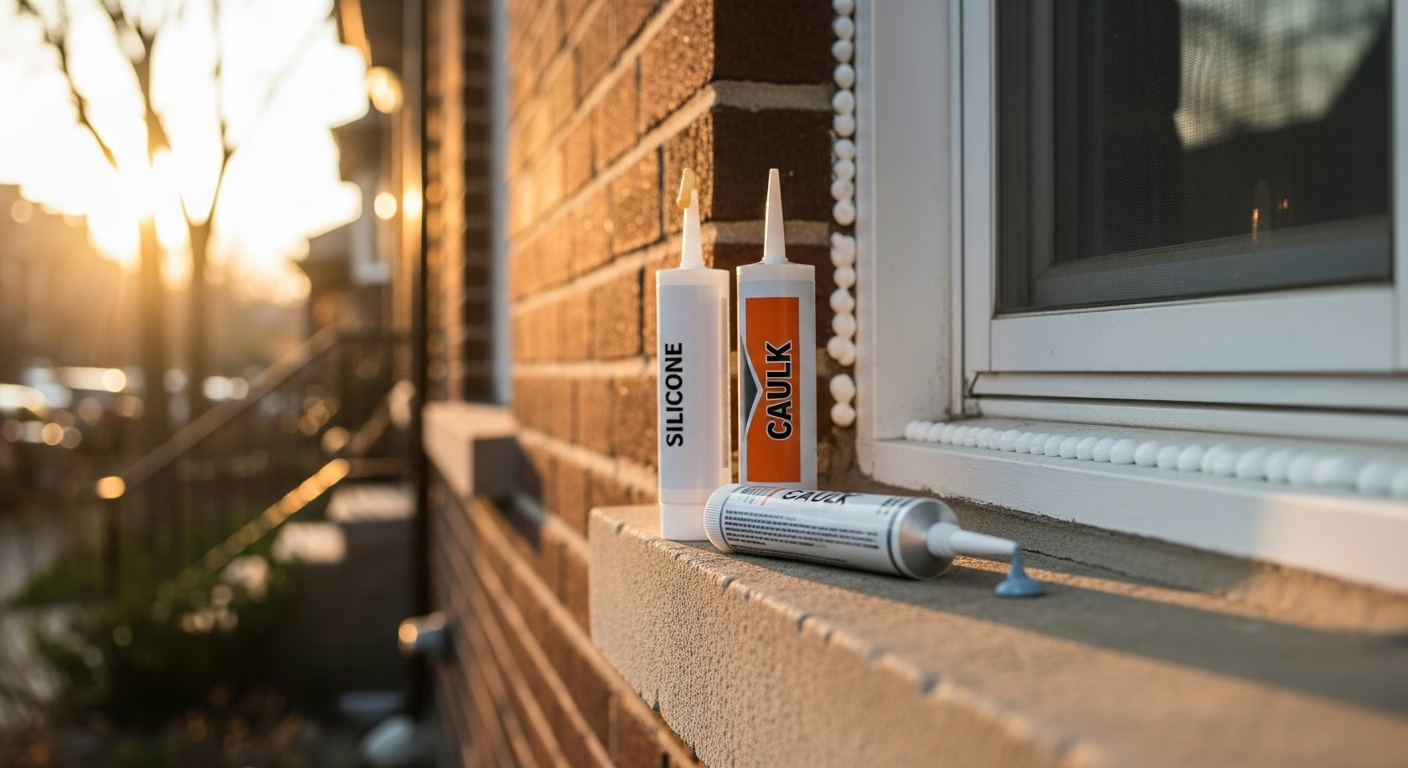

# Silicone vs Caulk: The Right Pick for Every GTA Joint
Quick answer. Silicone sealant ($8–$20/tube at GTA hardware stores in 2026) belongs in wet, high-movement zones — tubs, showers, sinks, and exterior window frames — while paintable latex acrylic caulk ($5–$12/tube) handles interior trim, baseboards, and drywall gaps. Using the wrong product is the single most common reason a seal fails within a year.What Silicone and Caulk Actually Cost in the GTA
A single 300 mL tube of 100% silicone sealant runs $8–$20 at Home Depot, RONA, or Home Hardware locations across Toronto, Mississauga, Brampton, and Markham in 2026. Colour-matched silicone (almond, beige, clear, white) or mildew-resistant formulations push the price toward the higher end. Latex acrylic caulk is cheaper — $5–$12 per tube — and paintable versions cost about the same. Siliconized acrylic blends (a hybrid product) fall in the $10–$18 range and offer moderate flexibility with paintability.
When homeowners across Etobicoke, Scarborough, North York, or Oakville hire a contractor to recaulk, they are mostly paying for labour, surface prep, and the removal of old sealant. A full bathroom recaulk — tub surround, shower pan, sink basin, and fixture penetrations — runs $150–$350 in the GTA in 2026, depending on access and the condition of the existing material. Recaulking all the windows in a typical semi-detached Toronto home runs $300–$600 for exterior silicone work. Adding interior trim caulking on the same visit brings that to $400–$750.
The real cost argument is not between the two products — it is between doing the job right once and dealing with the consequences of failure. A missed or failing seal around a tub in a Vaughan or Richmond Hill home can mean mold remediation ($500–$3,000), subfloor replacement ($1,500–$4,000), or tile rework. Latex caulk used in a wet shower typically fails in 12–18 months; silicone in the same spot lasts 10–20 years with proper prep. That gap makes the material choice straightforward once you know what you are sealing.
| Product | Price/Tube (2026 GTA) | Flexibility | Paintable | Best For | Lifespan |
|---|---|---|---|---|---|
| Latex acrylic caulk | $5–$12 | Low | Yes | Interior trim, baseboards, drywall | 3–7 years |
| 100% silicone sealant | $8–$20 | High | No (most) | Tubs, showers, exterior windows/doors | 10–20 years |
| Siliconized acrylic blend | $10–$18 | Medium | Yes (some) | Kitchen backsplash edges, interior windows | 5–10 years |
| Polyurethane sealant | $15–$30 | Very high | Yes | Concrete cracks, exterior masonry | 10–15 years |
How to Choose and Apply the Right Product
The decision comes down to three questions: Is the joint wet or dry? Does it move? Does it need paint? Wet areas demand silicone. Moving joints — where different materials meet, like wood trim against drywall or a tub flange against tile — benefit from something flexible. If the finished surface needs to be painted, latex or a siliconized acrylic blend is the practical choice, because 100% silicone will not hold paint reliably.

Surface prep is where most DIY caulk jobs fail, not material selection. Any existing sealant must be fully removed — a utility knife, oscillating tool, or caulk-removal blade, followed by a plastic scraper and a wipe with isopropyl alcohol. On tile and porcelain, allow the surface to dry completely — 24–48 hours in a Brampton or Pickering home with normal humidity. Skipping this step with silicone in particular causes adhesion failure within months, regardless of brand or price point.
Need professional renovation?
Call RenoHouse at 289-212-2345 or get a free estimate today.
Get Free Estimate →Cut the tube nozzle at a 45-degree angle to match the joint width. Load the caulk gun, start at one end, and push — do not pull — the bead along the joint at a consistent pace. Overfill slightly, then tool the bead with a wet finger or a purpose-made smoothing tool in one pass. Silicone skins over quickly (15–30 minutes in typical GTA indoor conditions), so work in sections of about 60–90 cm at a time. Latex caulk is more forgiving and allows a longer working window before it sets.
Cure times matter more than most homeowners expect. Latex caulk is typically paintable in 1–2 hours and fully cured in 24 hours. Silicone needs 24–72 hours before water contact — do not use that shower or tub in your Whitby or Ajax home the same day it is sealed. Some fast-cure silicones are marketed as water-ready in 3 hours, but 24 hours is the practical minimum for a durable seal. No permit is required for caulking work in Ontario; it falls outside the scope of work that triggers a City of Toronto building permit or an ESA notification.
Failure Signs and When to Call a Professional
Failing sealant shows up in predictable ways. Cracked or separated lines along a tub edge, yellowing or grey discolouration in a shower corner, and soft grout beside a sealant joint are all signs the barrier has broken down. Peeling paint along a windowsill in a North York or Scarborough home — where latex caulk was applied to an exterior joint — is another common indicator. Mold growing on or beneath the sealant surface, as distinct from surface soap scum, means moisture has been tracking behind the line for weeks or months.

Most homeowners in the GTA can handle a straight, accessible recaulk with proper prep and a $15 caulk gun. The work gets harder at inside corners, around complex fixture penetrations, or where the substrate behind a tub surround is damaged. If the cement board or drywall backing in a Mississauga or Georgetown bathroom is soft or delaminated, no new sealant will fix the problem — that substrate needs replacement first. A professional recaulk on a bathroom surround typically includes a substrate check before new material goes in.
One persistent trap: applying new silicone over old silicone without removing the original. New silicone will not bond to cured silicone and typically peels within weeks. This is the most frequent callback on DIY sealant repairs across Etobicoke and Oakville. A second trap is buying "caulk and sealant" all-purpose blends, which sacrifice performance in both directions — less flexible than pure silicone, less paintable than pure latex. For any joint that carries water or sees structural movement, use a single-purpose product built for that specific condition.
Frequently Asked Questions
Can I paint over silicone caulk?
Standard 100% silicone sealant does not accept paint — latex or oil-based paint will peel off the surface within weeks. If you need a paintable joint, use latex acrylic caulk or a siliconized acrylic blend rated for painting. Some manufacturers sell "paintable silicone," but these are hybrid products with reduced water resistance. For a tub or shower seal, use unpainted 100% silicone in the closest available colour match to your tile or fixture.
How often should I recaulk a bathroom in a Toronto home?
A properly applied silicone seal in a regularly used shower or tub surround typically holds 7–15 years before needing replacement. Latex caulk applied in a wet area may fail in 1–2 years. Inspect the seal annually — look for cracking, shrinkage, discolouration, or separation from the tile or tub edge. This check is especially worth making before listing a home for sale, since failing caulk is one of the first deferred-maintenance items buyers and inspectors flag. See our notes on pre-listing renovation mistakes for related context.
Is there a difference between caulk and sealant?
The terms overlap in common use, but there is a meaningful distinction. Caulk traditionally refers to gap-filling compounds — typically latex or acrylic — with lower flexibility. Sealant implies a watertight, flexible barrier; silicone and polyurethane products fall into this category. In practice, all silicone products are sealants, but not all caulk products function as sealants. At a hardware store in Vaughan or Brampton, check the product label for flexibility rating and moisture resistance rather than relying on the term used on the front of the tube.
Do I need a permit to recaulk windows or a bathroom in Ontario?
No permit is required for caulking work in Ontario. Recaulking a tub, shower, or window frame is routine maintenance and falls outside the scope of projects that trigger a City of Toronto building permit, a Region of Peel permit, or an ESA electrical notification. Permits become relevant when you are replacing windows entirely, altering structure, or doing electrical work in the same area. If recaulking is part of a larger bathroom renovation involving plumbing or electrical changes, those specific scopes may require separate permits.
Need a quote in the GTA?

Renohouse.ca handles caulking and sealant work as part of bathroom renovations, window replacements, and general home repairs across Toronto, Etobicoke, Mississauga, Oakville, Vaughan, and the broader GTA. If you are not sure whether a bathroom seal has failed or whether the substrate behind it needs attention before new material goes in, call 289-212-2345 for a free assessment. With 12 years of GTA renovation experience and a 4.9-star rating across 498 reviews, the assessment will be direct and specific.