RenoHouse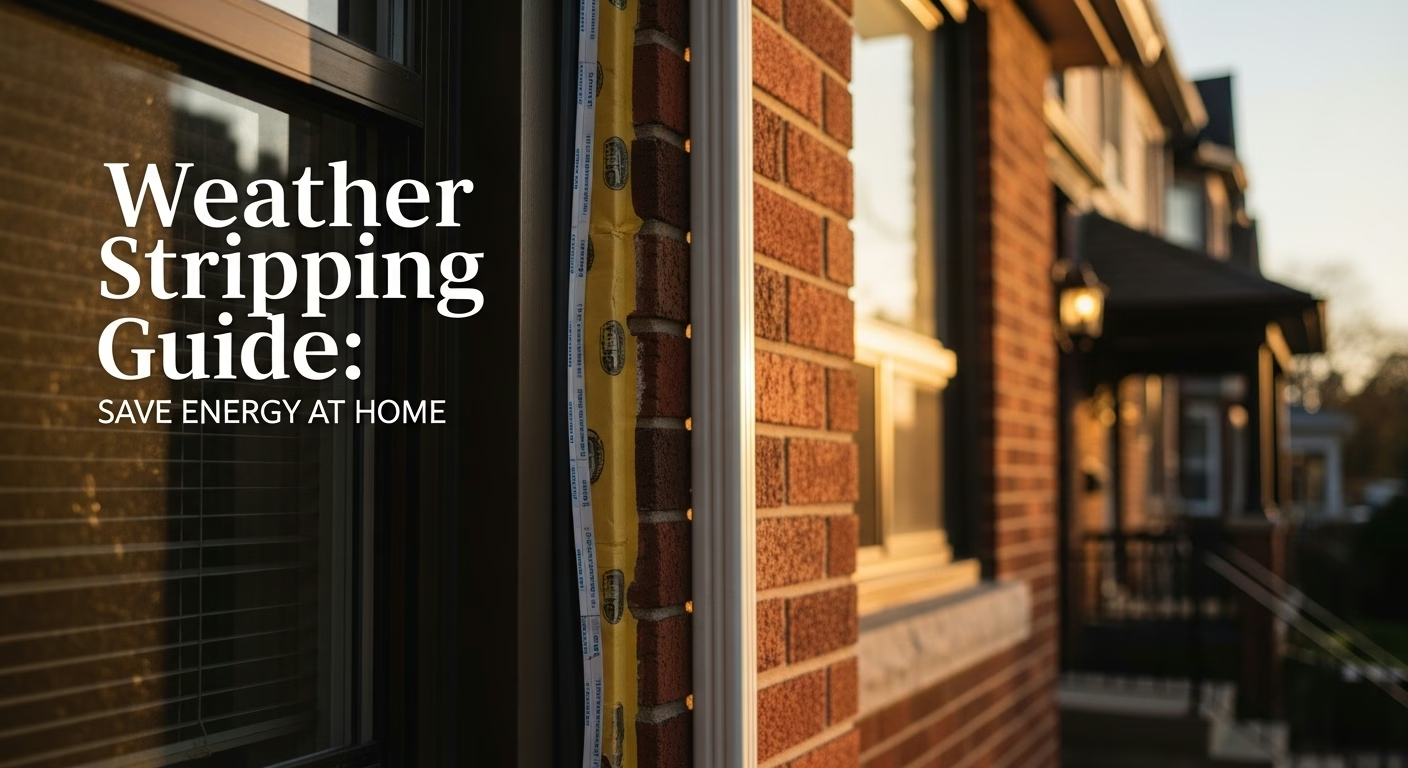

Weather Stripping Guide: Save Energy at Home
If you’re looking to enhance the energy efficiency of your home, weather stripping is one of the most effective and affordable solutions. This simple yet vital home renovation task can help you reduce energy consumption, lower utility bills, and improve overall comfort. In this guide, we’ll walk you through the types of weather stripping, installation tips, and the costs involved—all tailored for homeowners in the Greater Toronto Area (GTA), including cities like Toronto, Mississauga, Brampton, Vaughan, Markham, Oakville, and Richmond Hill.
Understanding Weather Stripping
Weather stripping is a material used to seal gaps around doors and windows, preventing drafts and air leaks. By filling these gaps, you can maintain a consistent indoor temperature and save on heating and cooling costs. Here are some common types of weather stripping:
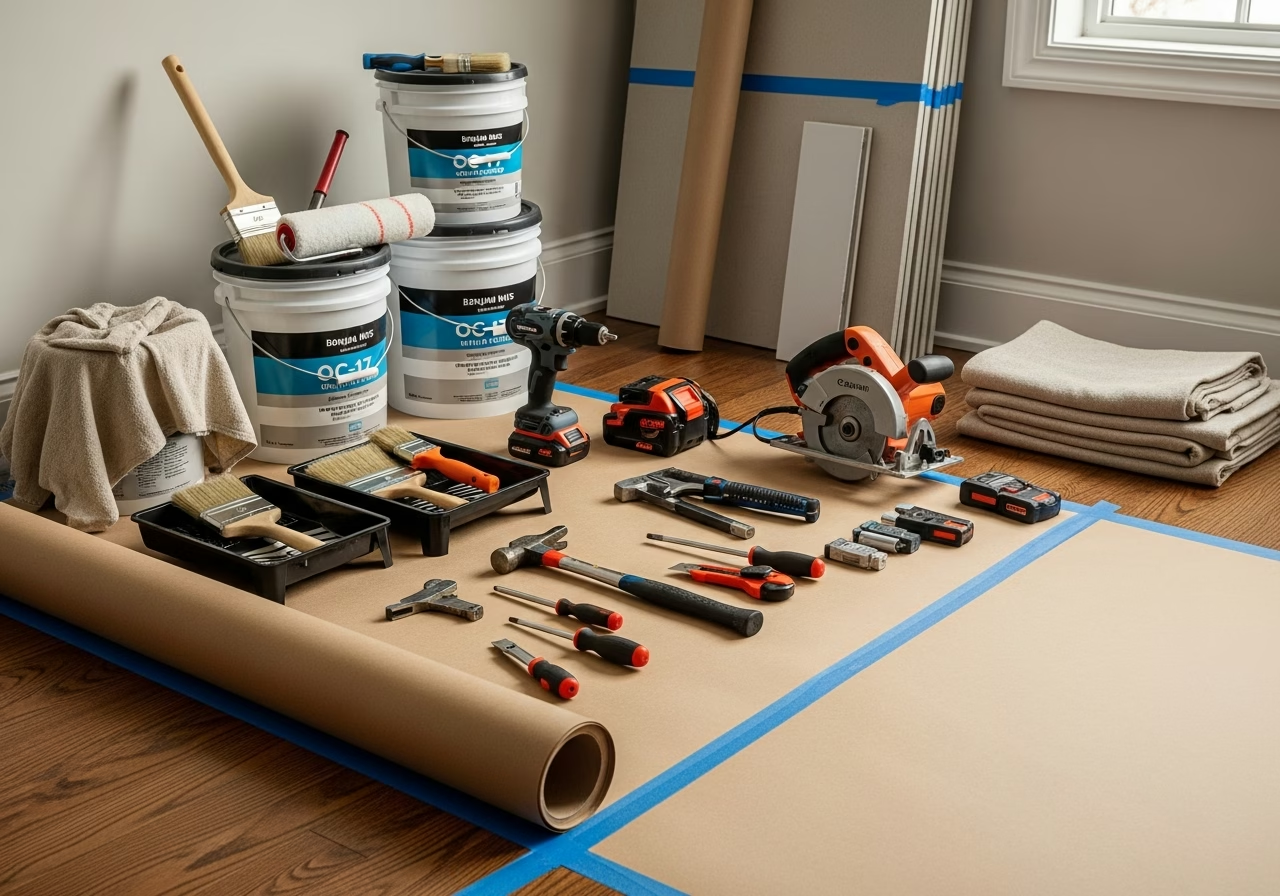
- V-strip: Made of flexible plastic or metal, this type is ideal for sealing the edges of doors and windows.
- Foam tape: Soft and easy to install, foam tape is perfect for irregular gaps.
- Door sweeps: These are attached to the bottom of doors to block drafts from underneath.
- Magnetic strips: Often used for patio doors, they create a tight seal when closed.
- Caulk: While not a weather stripping material per se, caulk is effective for sealing cracks and gaps.
Why Is Weather Stripping Important?
Proper weather stripping can lead to significant energy savings. According to the U.S. Department of Energy, sealing air leaks can reduce heating and cooling costs by 10% to 20%. For an average home in Toronto, this translates to savings of approximately $250 to $500 annually. Additionally, weather stripping can improve your home’s comfort by keeping warm air in during winter and hot air out during summer.
Cost of Weather Stripping Installation
The cost to install weather stripping varies depending on the type of material used and whether you choose to do it yourself or hire a professional. Here are some general price ranges:
- DIY Weather Stripping Materials: $10 to $50 depending on the type and quantity.
- Professional Installation: $150 to $500, depending on the size of your home and the complexity of the job.
Keep in mind that while DIY installation can save you money upfront, professional help can ensure that the job is done correctly and in compliance with the Ontario Building Code. If you’re considering a full renovation, check out our guide to home renovation costs for a comprehensive overview of budgeting.
Need professional renovation?
Call RenoHouse at 1-289-212-2345 or get a free estimate today.
Get Free Estimate →When to Replace Weather Stripping
Over time, weather stripping can wear out due to exposure to the elements. Signs that it may need replacement include:
- Visible cracks or tears in the material.
- Increased drafts felt around windows or doors.
- Higher energy bills without a corresponding change in usage.
How to Install Weather Stripping
Installing weather stripping is a straightforward process that you can tackle on your own with some basic tools. Here’s a step-by-step guide:
- Choose the Right Material: Select the appropriate weather stripping for your specific needs.
- Measure Gaps: Use a tape measure to determine the size of the gaps you need to seal.
- Cut to Size: Cut the weather stripping material to the correct lengths.
- Clean the Surface: Ensure the area where the weather stripping will be applied is clean and dry.
- Apply the Weather Stripping: Follow the manufacturer’s instructions to attach the weather stripping securely.
- Test the Seal: Close the door or window and check for any drafts. Adjust as necessary.
For a more detailed look at door replacements that may require weather stripping, check out our door replacement cost guide.
Frequently Asked Questions
1. How long does weather stripping last?
Weather stripping can last anywhere from 1 to 10 years, depending on the material and environmental conditions. Regular inspections can help you determine when it’s time for replacement.
2. Can I install weather stripping myself?
Yes, installing weather stripping is a DIY-friendly task that requires minimal tools. However, if you’re unsure, hiring a professional can ensure proper installation.
3. What are the best materials for weather stripping?
The best materials depend on your specific needs. V-strips and foam tape are popular for windows, while door sweeps work well for doors. Consider the climate and location when making your choice.
4. Is weather stripping covered under Ontario Building Code?
While weather stripping itself may not require a permit, any significant renovations affecting exterior doors and windows must comply with the Ontario Building Code. Always check local regulations.
5. How can I tell if my home needs weather stripping?
If you feel drafts around windows and doors, notice an increase in energy bills, or see visible gaps, it’s likely time to install or replace your weather stripping.
6. Who can I contact for professional weather stripping installation?
For expert weather stripping installation and other home renovation services in the GTA, contact RenoHouse today! Call 289-212-2345 and let us help you improve your home’s energy efficiency.
In conclusion, investing in weather stripping is a small but impactful way to enhance your home’s energy efficiency. Whether you choose to do it yourself or hire a professional, the benefits are clear. With proper installation, you can enjoy lower energy bills and a more comfortable living environment. If you’re ready to take the next step toward a more energy-efficient home, don’t hesitate to reach out. Call 289-212-2345 today!
Sources & References
Authoritative sources cited in this guide:
- Ontario Building Code — OBC official text
- Toronto Building Permits — City permit portal
- Tarion New Home Warranty — Ontario warranty regulator
- HCRA — Home Construction Regulatory Authority — Ontario builder/vendor licensing
Continue Reading
- Home Insulation Guide Toronto: Types & Cost
- Front Door Replacement Toronto: Costs 2026
- Door Replacement Cost in Toronto: Interior & Exterior
Related Services