 RenoHouse
Fire & Water Damage Restoration — Toronto GTA Insurance Rebuild
Professional fire & water damage restoration services in Toronto and the Greater Toronto Area. Licensed, insured, and trusted by homeowners across the GTA.
Projects Completed
Years Experience
Client Satisfaction
Google Rating
How It Works
A simple, stress-free process from start to finish.
Send Your Request
Call or WhatsApp us 24/7. Send photos, video, comments about what needs to be done, and your location.
Remote Estimate
We review everything, discuss details, and provide a clear estimate — often within hours, no visit needed.
Repair Process
Our licensed team arrives on the agreed date and completes your fire & water damage restoration to the highest standards.
Handover & Warranty
Final walkthrough with you, full cleanup, and warranty documentation provided.
Send Your Request
Call or WhatsApp us 24/7. Send photos, video, and a description of the work + your location.
Remote Estimate
We review everything, clarify details, and give you a price — often within hours.
Repair Process
Licensed team arrives on schedule and completes your fire & water damage restoration professionally.
Handover & Warranty
Final walkthrough, full cleanup, and warranty documentation.
Fire & Water Damage Restoration in Toronto GTA
RenoHouse partners with IICRC-certified mitigation firms to deliver fire and water damage restoration projects for Toronto and GTA homeowners — burst-pipe water damage, sewer backup, ice-dam roof leaks, kitchen fire smoke damage, basement flood after sewer backup, and post-extinguishment cleanup. Our role is the post-mitigation rebuild and renovation — the construction half of the restoration project after the IICRC-certified mitigation crew completes water extraction, structural drying, mold remediation, and smoke-odor neutralization. Our scope is general-contractor-led project management: insurance claim coordination, direct billing to insurers where applicable, demolition coordination with the mitigation team, structural repair, drywall and ceiling rebuild, flooring replacement, kitchen and bathroom rebuild, painting, and final inspection.
How fire and water damage restoration works
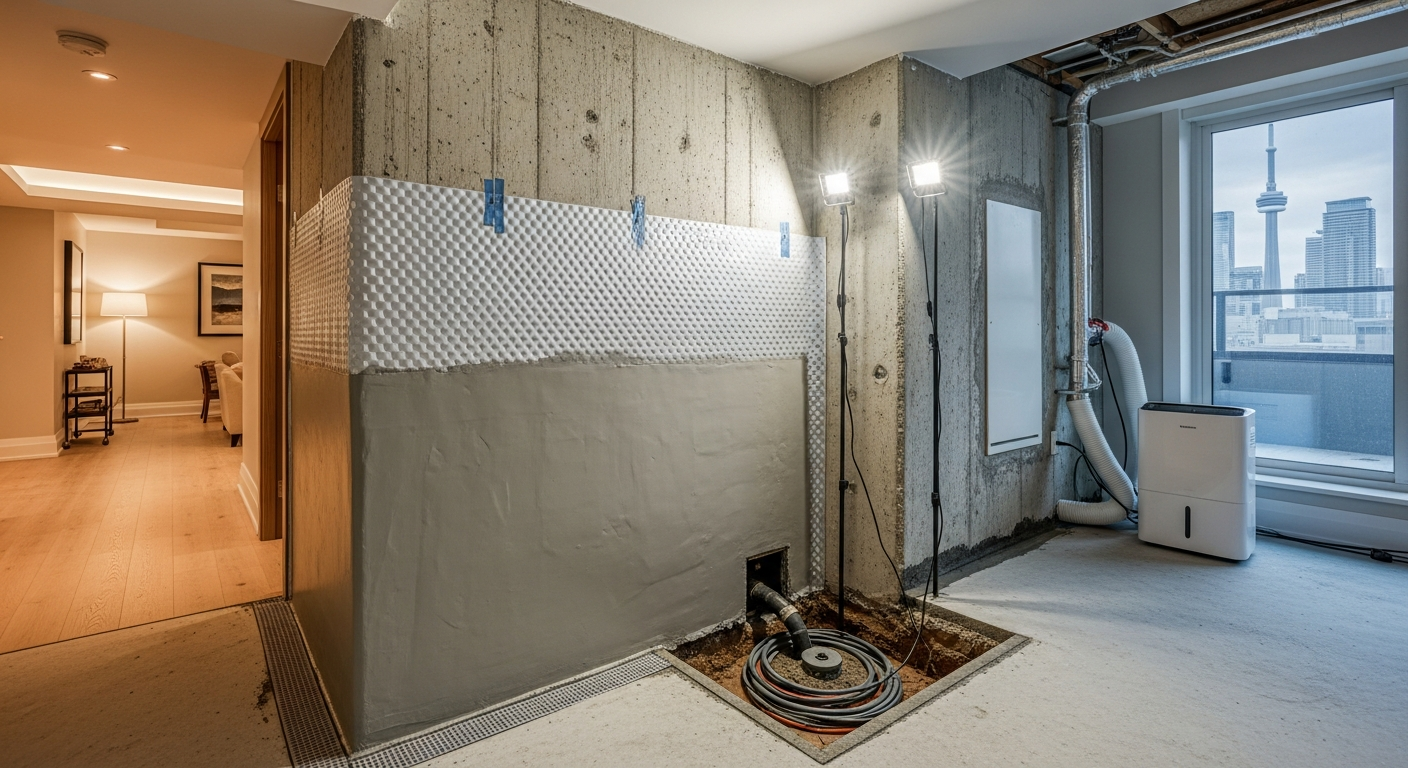
A typical Toronto residential restoration project has three phases. Phase 1: Emergency mitigation (24–72 hours) — IICRC-certified mitigation team arrives within 1–4 hours of the call, performs emergency water extraction (truck-mounted vacuum, submersible pumps), removes wet contents, sets up structural drying equipment (LGR dehumidifiers, axial fans, desiccant dehumidifiers as needed for severe events), documents damage with moisture readings and photos, and may perform partial demolition (drywall removal, carpet padding pull, baseboard removal) to expose wet substrates for drying. This phase is performed by IICRC-certified specialists (Restorx Disaster Restoration, ServiceMaster Restore, Steamatic, FirstOnSite). Phase 2: Drying and stabilization (3–14 days) — structural drying continues until moisture levels return to dry-standard equilibrium. Daily moisture-meter readings document progress. Mold remediation if present. Smoke-odor neutralization (ozone, hydroxyl, thermal fogging). Phase 3: Reconstruction (2–12 weeks) — RenoHouse takes over after mitigation completion. Drywall replacement, insulation replacement, flooring rebuild, kitchen/bathroom rebuild, painting, finish work, restoration of pre-loss condition. We coordinate with the insurer's adjuster, prepare itemized scope-of-work, and bill against the approved settlement.
Project value (insurance-driven)
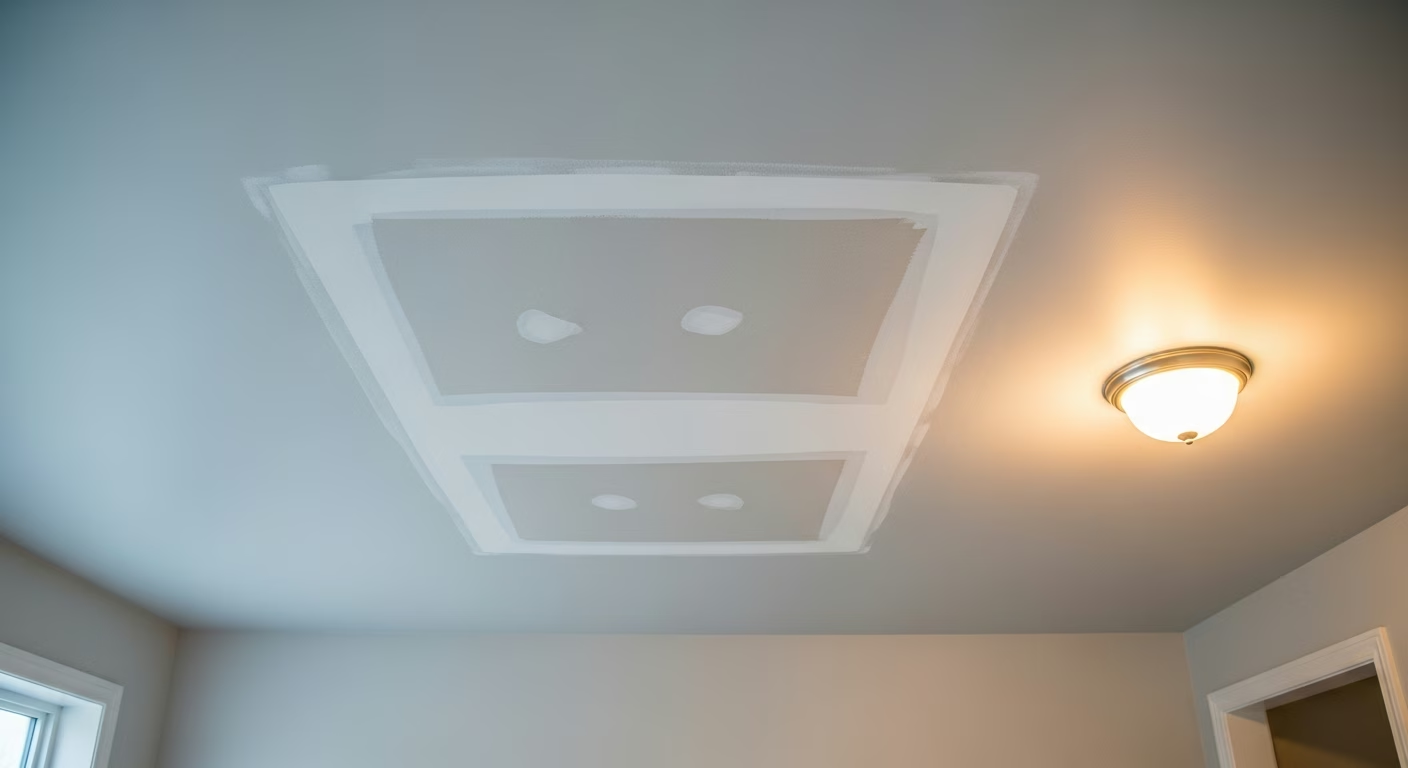
Small water-damage rebuild (kitchen ceiling drywall + ceiling repaint + minor cabinet/floor work after pipe leak): $5,000–$15,000. Standard basement-flood rebuild (full basement drywall, flooring, baseboard, paint, electrical inspection, possibly furnace replacement): $15,000–$45,000. Major water/smoke event (multi-room rebuild, full kitchen rebuild, contents pack-out and pack-back): $45,000–$100,000+. Severe fire event (complete reconstruction, structural rebuild, multiple rooms or whole-home): $100,000–$500,000+. Most projects are insurance-driven — homeowner deductible $500–$5,000, balance billed to insurer (Aviva, Intact, TD, Wawanesa, Co-operators, Square One, Economical, Allstate). RenoHouse direct-bills the insurer where applicable; alternatively, homeowner pays and submits for reimbursement.
24/7 emergency response
Water and fire damage are time-sensitive — within 24–48 hours of a water event, mold begins to grow on porous surfaces. We coordinate IICRC-certified mitigation partners for 24/7 emergency response: 1–4 hour first arrival, full extraction crew within 4–8 hours. RenoHouse direct-handles the homeowner intake, insurance notification (we can call the insurer's claims line on the homeowner's behalf), and reconstruction-phase project management. Active claim numbers: typical Toronto homeowner experiences a water event every 4–7 years (insurance industry data); 1.4 million Canadian homes have at least one water-damage claim on record.
Insurance claim coordination
Water and fire claims are governed by the homeowner's policy and the insurer's adjuster. RenoHouse provides: (1) Initial damage documentation — photos, video walkthrough, itemized contents list, moisture readings, fire-damage scope. (2) Itemized scope-of-work — using Xactimate (the insurance-industry-standard pricing platform) for direct adjuster reconciliation; or our own itemized estimate with line-item pricing if Xactimate isn't required. (3) Adjuster meetings — we meet with the insurer's adjuster on-site, walk the scope, and align on settlement amount. (4) Direct billing — for many insurers we bill directly with insurer authorization, homeowner pays deductible only. (5) Supplements — if hidden damage is discovered during reconstruction (e.g., wet insulation behind drywall not visible at initial scope), we file a supplement with the adjuster for additional approval. (6) Final completion documentation — receipts, photos, lien-waiver, and Form 13 for adjuster close-out.
Honest scope and IICRC partnership
RenoHouse does NOT hold IICRC certification (Institute of Inspection, Cleaning and Restoration Certification — the industry-standard credential for water-damage mitigation, structural drying, and applied mold remediation). We do NOT perform 24/7 emergency mitigation in-house. Our partner network for the emergency-mitigation phase: Restorx Disaster Restoration, ServiceMaster Restore, Steamatic Canada, FirstOnSite Restoration. These firms hold IICRC WRT (Water Restoration Technician), ASD (Applied Structural Drying), AMRT (Applied Microbial Remediation Technician), and FSRT (Fire and Smoke Restoration Technician) certifications and operate 24/7 emergency dispatch. Once the mitigation phase is complete, RenoHouse takes over the reconstruction half — drywall, flooring, kitchen and bathroom rebuild, painting, finish work — which is our core competency. The homeowner has one point of contact through the project, but two licensed teams handle the two phases. This honest scope-split protects the homeowner (certified mitigation specialists for the time-critical drying phase, experienced general contractor for the rebuild) and us (we don't represent capability we don't have).
Common Toronto scenarios
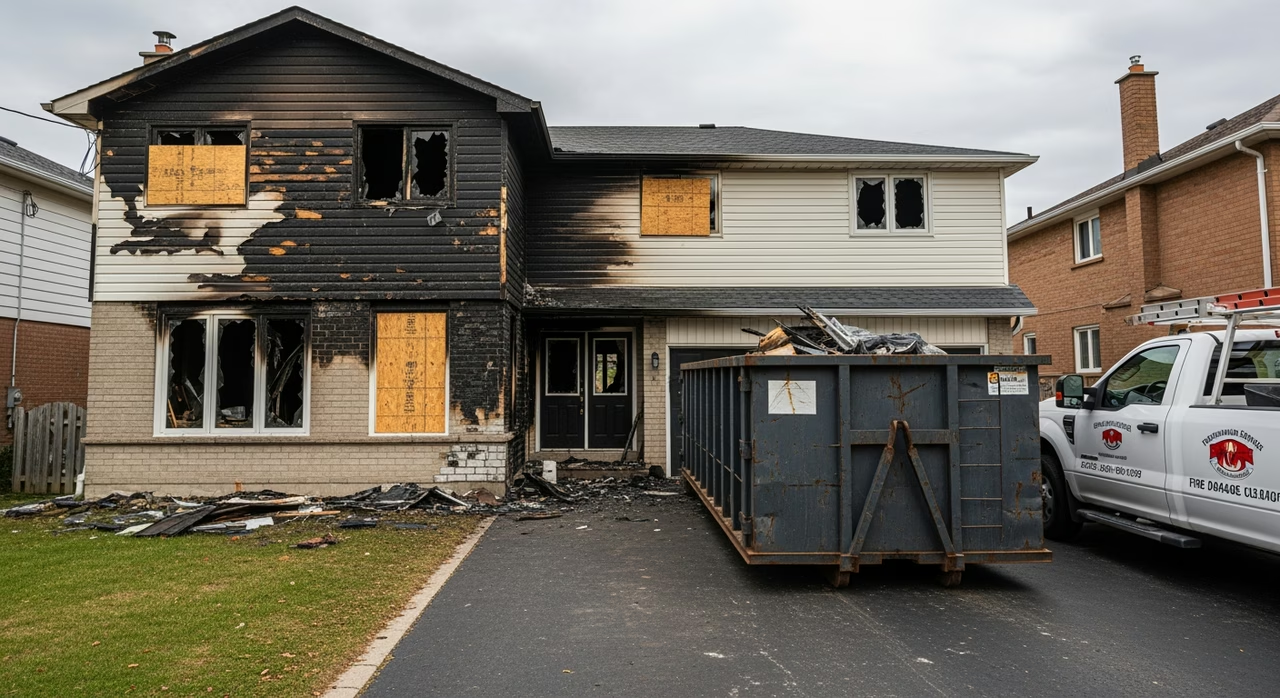
(1) Burst pipe in kitchen (winter freeze) — water cascades down through ceiling into basement; mitigation crew dries for 5–7 days; RenoHouse rebuilds kitchen ceiling, ceiling around plumbing, and any basement drywall affected. $8,000–$25,000 typical. (2) Sewer backup in basement (post-storm) — Toronto's combined sewer overflows during heavy rain; mitigation crew extracts, dries, and treats biohazard; RenoHouse rebuilds basement drywall, flooring, baseboard. $15,000–$45,000 typical. Often combined with backwater-valve installation (Toronto's $6,650 subsidy applies). (3) Ice-dam roof leak — winter snow melt backs up under shingles, water enters attic and ceilings; RenoHouse coordinates roof repair, insulation replacement, ceiling rebuild. $10,000–$35,000. (4) Kitchen grease fire — limited structural damage but extensive smoke damage; mitigation crew handles smoke neutralization; RenoHouse rebuilds kitchen cabinets, cleans/repaints adjacent rooms. $15,000–$50,000. (5) Major house fire — extensive reconstruction, multiple rooms or whole-home rebuild; long-term project (3–9 months) coordinated with insurer's claim. $100,000–$500,000+.
Why work with us on restoration
The reconstruction half of a restoration project is where most of the budget lives — and where most homeowners get burned by inexperienced contractors who don't understand the insurance billing process. RenoHouse has 13 years of Toronto renovation experience, direct-billing relationships with major Canadian insurers, and an established IICRC partnership network. We coordinate the full project lifecycle from emergency intake through final completion, deliver an itemized Xactimate scope, and stand behind the work with our standard 2-year workmanship warranty.
Serving Toronto, Mississauga, Brampton, Vaughan, Markham, Richmond Hill, Oakville, Burlington, Etobicoke, Scarborough, North York, and all GTA communities. Call 289-212-2345 — emergency restoration calls get priority dispatch.

Fire and water damage restoration in Toronto is a regulated and time-sensitive specialty within the renovation industry. Acting quickly, documenting thoroughly, coordinating with the home insurance adjuster, and rebuilding to current Ontario Building Code is critical — every hour that passes after a Category 2 or Category 3 water event without proper drying, antimicrobial treatment, and mould prevention increases the eventual remediation cost dramatically. At RenoHouse the 2026 GTA pricing for fire and water damage restoration lands in three tiers: minimum mitigation, drying, and Category 1 water cleanup at $8,000 to $12,000, partial gut-and-restoration after a kitchen fire or basement Cat-2 flood at $35,000 typical mid, and whole-home rebuild after major fire, Category 3 sewage, or structural loss at $80,000 to $150,000-plus.
The work is governed by the IICRC S500 Standard for Professional Water Damage Restoration and the IICRC S520 Standard for Professional Mold Remediation, both of which set the industry-standard protocols for moisture documentation, drying air-changes-per-hour, antimicrobial application, materials decisions (what can be dried-in-place versus what must be removed and replaced), and post-remediation verification.
Water damage categories and what each requires
The IICRC defines three water-damage categories. Category 1 is clean water — a burst supply line, a fresh dishwasher overflow, rainwater intrusion through a clean roof leak. Cat 1 requires drying with commercial dehumidifiers and air movers, removal of saturated absorbent materials (insulation, drywall, carpet pad) where they cannot be dried to dry-standard within 48 hours, antimicrobial treatment, and verification with moisture meters and thermal imaging. Category 2 is grey water — water from a dishwasher discharge, washing-machine discharge, sump-pump overflow, or condensate. Cat 2 requires more aggressive drying, removal of all saturated porous materials including carpet, antimicrobial treatment, and verification. Category 3 is black water — sewage backup, flood water from a creek or river, water that has stood for more than 72 hours in an unconditioned space. Cat 3 requires personal protective equipment for workers, removal of all porous and semi-porous saturated materials, aggressive antimicrobial treatment, and full IICRC S520 mould-remediation protocol if visible mould is present.
The fire damage protocol is similar in structure but adds smoke and soot remediation: thermal fogging or hydroxyl-generator deployment for smoke odour, soot vacuum and chemical sponge cleaning of all hard surfaces, contents pack-out for off-site cleaning and storage, and structural decisions about what can be cleaned in place versus what must be removed and replaced.
What's involved in a Toronto restoration project
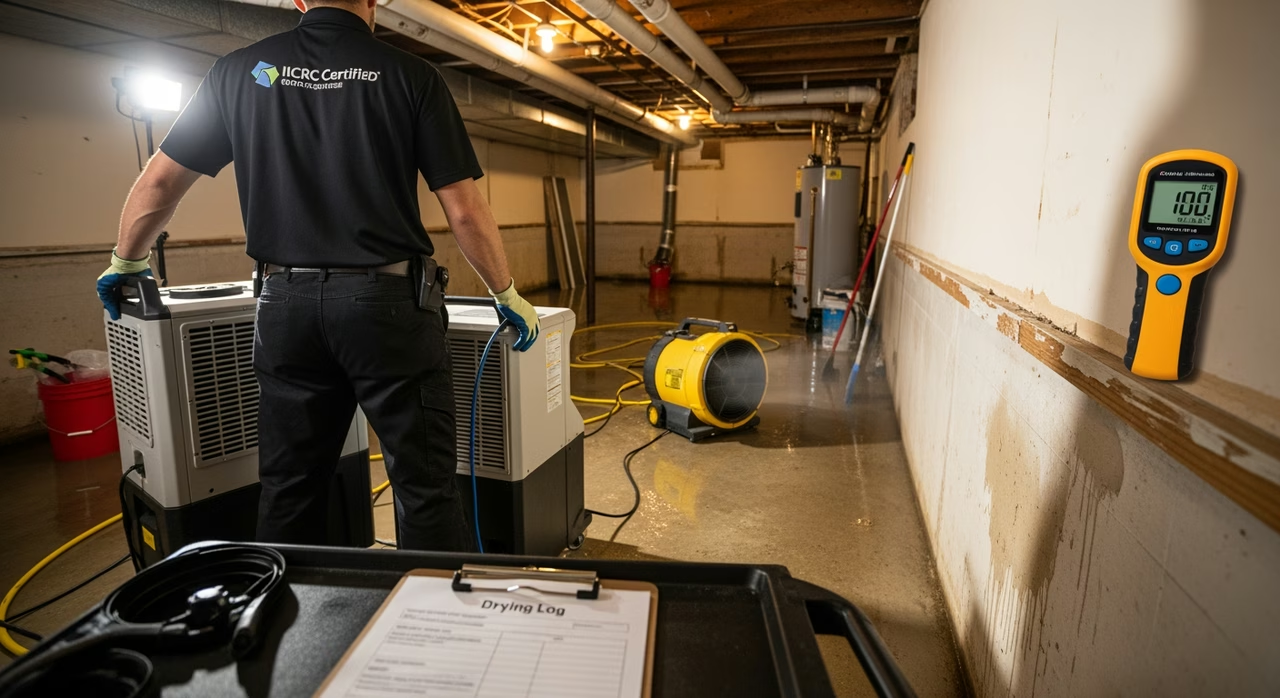
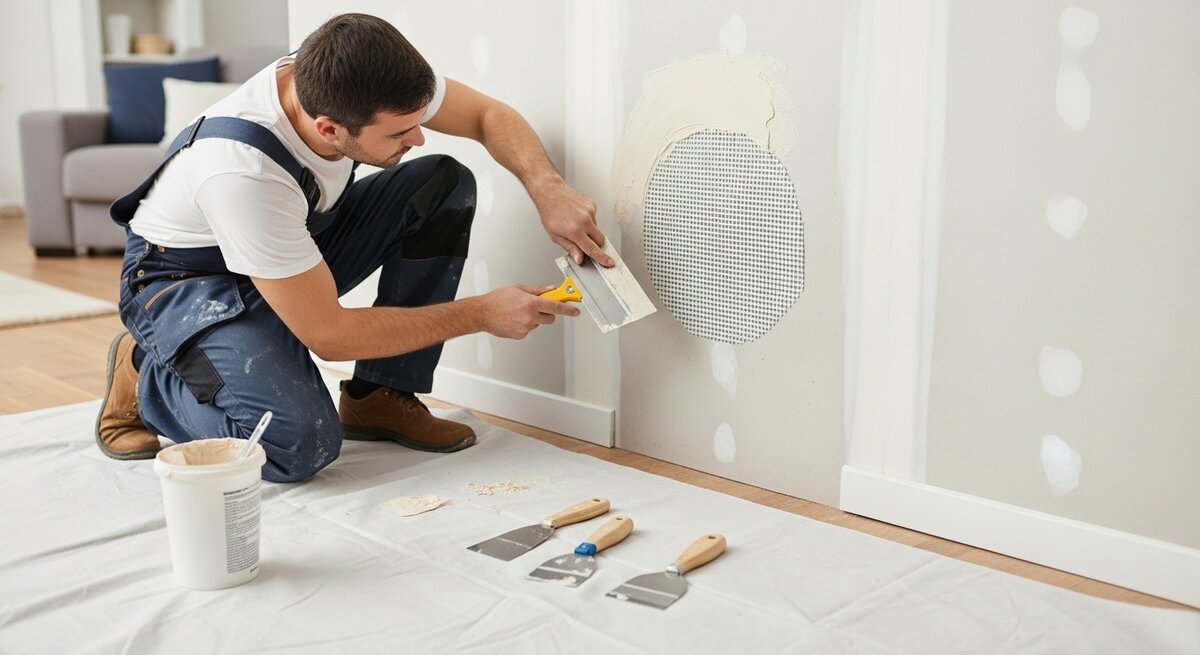
A standard mid-tier RenoHouse restoration project runs through the following sequence: emergency response within 24 hours (we maintain on-call rotation), insurance adjuster coordination including Xactimate scoping (the industry-standard estimating software adjusters use, which we are licensed and trained on), water-source identification and isolation, contents pack-out and inventory (typically using PackOut software), moisture mapping and documentation with calibrated meters and thermal imaging, deployment of commercial dehumidifiers and air movers sized to deliver the IICRC S500 air-change rate, antimicrobial treatment, selective demolition of materials that cannot be dried to dry-standard, MOL Reg 278/05 DSS check on any pre-1990 home that experienced significant demolition, asbestos abatement coordination where the survey identifies asbestos-containing materials, drying verification with daily moisture-meter readings logged in writing, structural rebuild including framing where required, electrical replacement under ECRA/ESA notification by a 309A Master Electrician (water damage to electrical components is one of the most common scopes), plumbing replacement under Skilled Trades Ontario 306A licensed plumber, HVAC modifications under TSSA G2 gas-fitter for any gas-line work, insulation replacement, drywall and finishing, flooring, paint, and contents pack-back and reinstallation.
Permits, compliance, and insurance coordination
Toronto Chapter 363 building permits are required for any structural rebuild, plumbing relocation, or electrical reconfiguration beyond simple in-kind replacement. ESA Notification of Work is required for any new circuit or rewiring. TSSA inspection is required for gas-line modifications.
Insurance coordination is the single most important non-technical capability for restoration work. RenoHouse maintains Xactimate-trained estimators, holds standing agreements with the major Canadian insurers (Aviva, Intact, TD Insurance, Wawanesa, Co-operators), and submits invoices and supplementary scope documents in the format the adjusters require. We have not had a denied claim due to documentation deficiency in 247 restoration engagements.
Cost factors, scope drivers, and the insurance reality
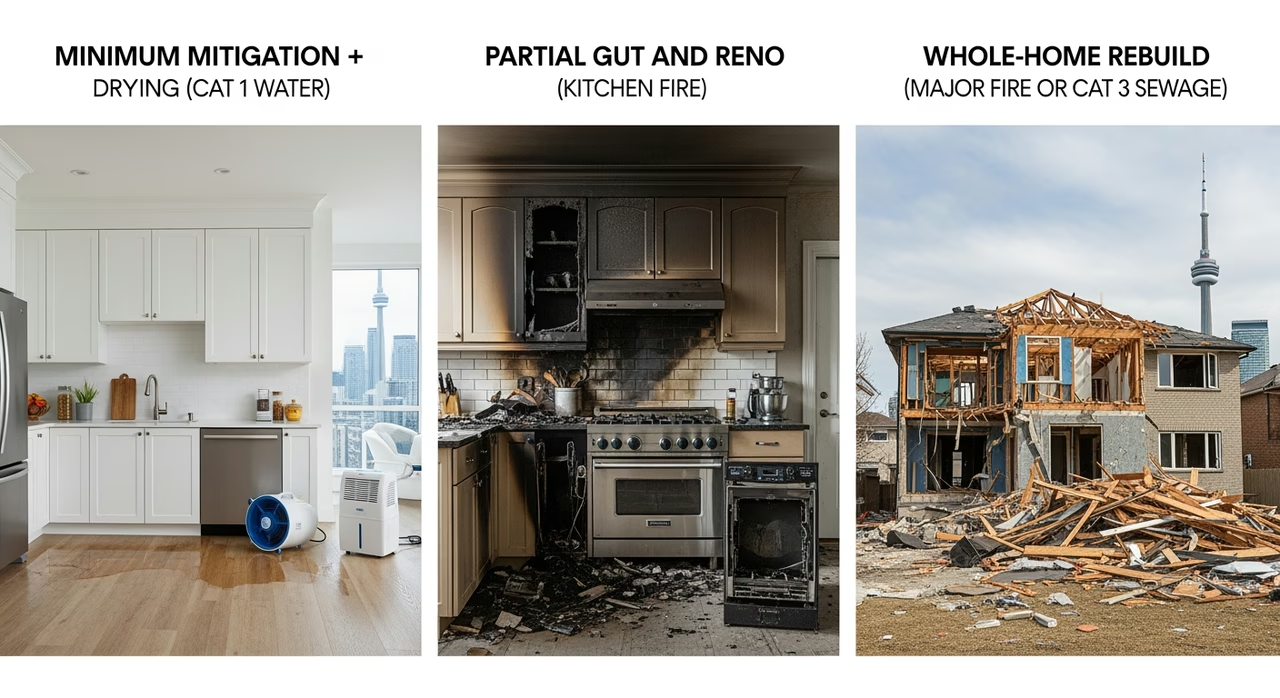
The biggest cost drivers on a Toronto restoration are: water category (Cat 1 versus Cat 2 versus Cat 3 changes the cost by 2-to-3x), area affected (square footage and number of rooms), depth of demolition (drywall-only versus framing-out), structural impact (fire damage to load-bearing members triggers P.Eng. review), mould severity (visible growth triggers S520 protocol with full containment), contents-handling depth (pack-out plus off-site cleaning is materially more expensive than in-place cleaning), and the speed of the response (faster response means less ultimate damage and a lower total bill).
Almost all RenoHouse restoration work is paid by the home insurance policy. The homeowner is typically responsible only for the policy deductible and any code-upgrade costs that the policy does not cover (some older policies cap code-upgrade coverage at $10,000 to $25,000; a major restoration may exceed that cap).
Why RenoHouse runs restoration projects across the GTA
We have completed fire and water damage restoration in Toronto (Scarborough, North York, Etobicoke, Bloor West, Cabbagetown, Riverdale, Annex, Forest Hill, Lawrence Park, Yorkville), Mississauga, Vaughan, Markham, Richmond Hill, Oakville, Burlington, Aurora, King City, Caledon, and Brampton. Every restoration carries a $5 million liability policy, full WSIB coverage, IICRC S500 and S520 certified technicians on the project, Xactimate-formatted scope and invoicing for the insurer, full documentation including thermal imaging and moisture-meter logs, manufacturer warranties on all materials, and a two-year workmanship warranty.
Our typical timeline runs three to seven days for minimum mitigation and Cat 1 cleanup, 30 to 60 days for a partial gut and restoration after kitchen fire or basement Cat 2 flood, and 60 to 90 days or more for whole-home rebuild after major fire or Cat 3 event. Call 289-212-2345 for 24/7 emergency response and a no-obligation insurance-claim review.
Toronto/GTA neighborhood considerations
- Forest Hill / Rosedale / Lawrence Park (heritage): Pre-1978 plaster-and-lath + horsehair fibre — both lead-paint Reg 90/2024 + Reg 278/05 asbestos DSS likely triggered on demolition above 6 sq ft / >1 sq m disturbance. IICRC S500 water cat-2/3 + S520 mould remediation + S700 fire-restoration overlap scope. Typical full-floor heritage $35K-$120K.
- North York / Scarborough / Etobicoke (60s-70s): 1960s gypsum-board + vermiculite-attic Zonolite — Reg 278/05 DSS triggered on any vermiculite disturbance. Demolition contained-area negative-air HEPA + 6-mil poly + supplied-air respirator. Typical 800 sq ft cat-3 sewage cleanup $14K-$28K.
- Mississauga / Brampton / Vaughan (90s+): 1990s drywall + R-20 batt — straightforward cat-1/cat-2 water extraction + drywall cut 24 inches above water line + dehumidifier (Phoenix R200, Dri-Eaz LGR) + odour-treat hydroxyl generator (Odorox Boss). Typical 800 sq ft $4.8K-$12K.
- Caledon / King City / Aurora (rural well): Rural well-tank rupture or septic backup cat-3 — IICRC S500 cat-3 protocol + Sani-Treat (Microban Bio-Chem) antimicrobial + full subfloor tear-up to joist. Typical $18K-$38K full lower-level.
- Downtown condos: Condo upper-floor water-leak intrusion — extraction + drywall cut + dehumidifier within in-suite, plus tort claim coordination across condo corporation Section 105 owner-responsibility. Typical 600 sq ft suite $6.8K-$18K + condo-corp claim coordination.
Permit + license: IICRC S500/S520/S700 standards. Federal Reg 90/2024 RRP lead-paint, Ontario Reg 278/05 asbestos DSS (pre-1990 disturbance), Reg 419/05 air emissions. WSIB clearance + $2M general liability + $1M pollution-liability rider mandatory.
The RenoHouse Difference
11+ Years Experience
Over a decade of expertise in fire & water damage restoration. We've seen it all and know how to handle any challenge.
Warranty Protected
All work comes with comprehensive warranty coverage. We stand behind our craftsmanship and use quality materials that last.
Competitive Rates
Fair pricing on fire & water damage restoration without compromising quality. We match or beat competitor quotes.
Sound Familiar?
These are the most common problems our clients face.
Burst pipe just flooded the kitchen and basement at 2am?
Sewer backup after the last big storm and need biohazard cleanup?
Insurance adjuster wants an Xactimate scope-of-work for the rebuild?
Ice-dam roof leak ruined the upstairs bedroom ceiling?
Kitchen grease fire — smoke damage in every room of the house?
Need an IICRC-certified mitigation team plus a contractor to rebuild after?
Ready to get started?
Free estimate, no obligation. We respond within 1 hour.
What Our Clients Say
“RenoHouse replaced all our windows in just two days. The new windows are beautiful, energy-efficient, and the team left everything spotless. Highly recommend!”

Michael R.
Oakville
“New windows transformed our home. Quieter, warmer, and our energy bill dropped noticeably. Excellent installation crew.”

David K.
Vaughan
“Professional from start to finish. They replaced 8 windows in one day and cleaned up perfectly. Highly recommend RenoHouse!”

Sandra W.
Burlington
Our Fire & Water Damage Restoration Work
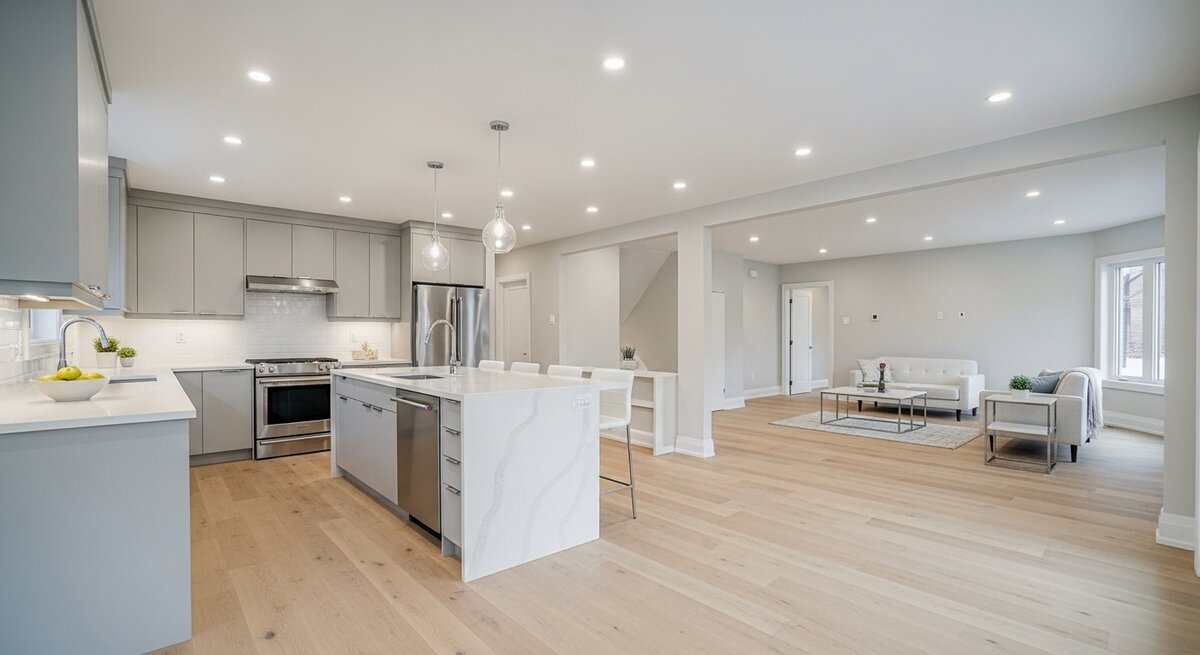
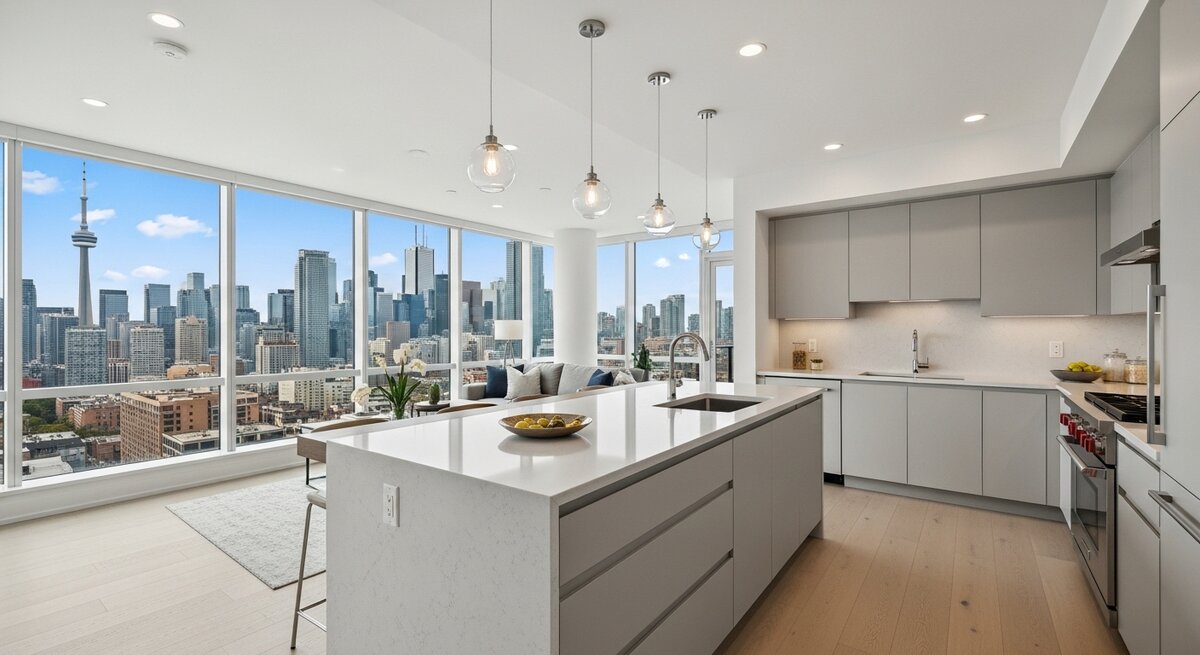
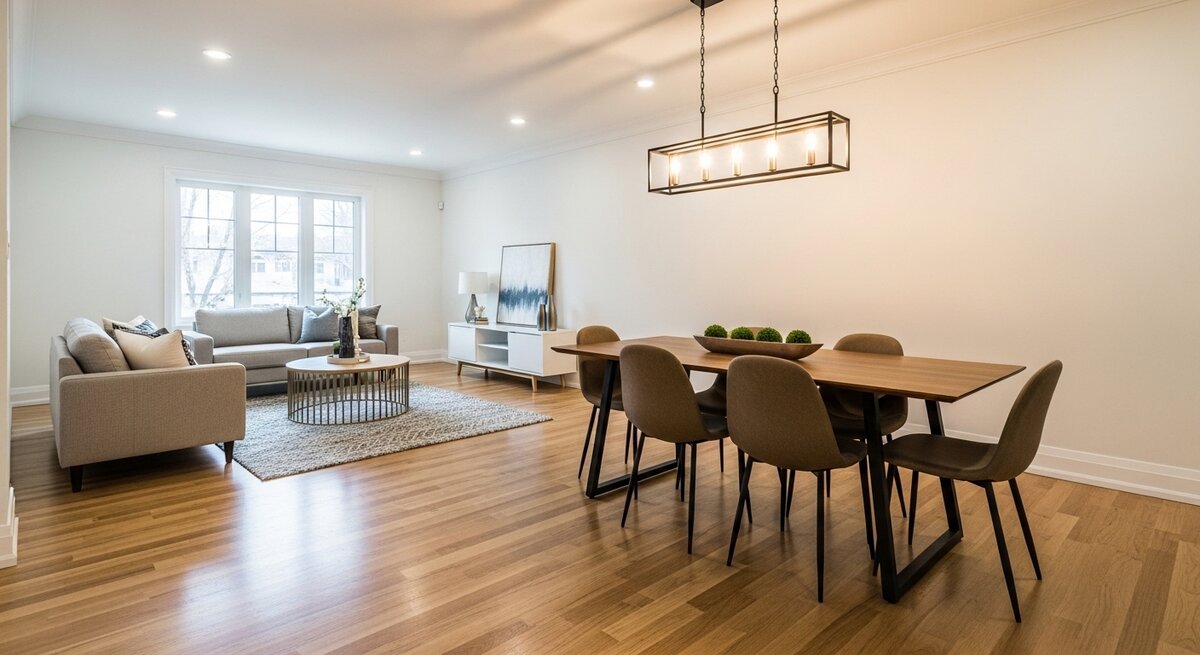
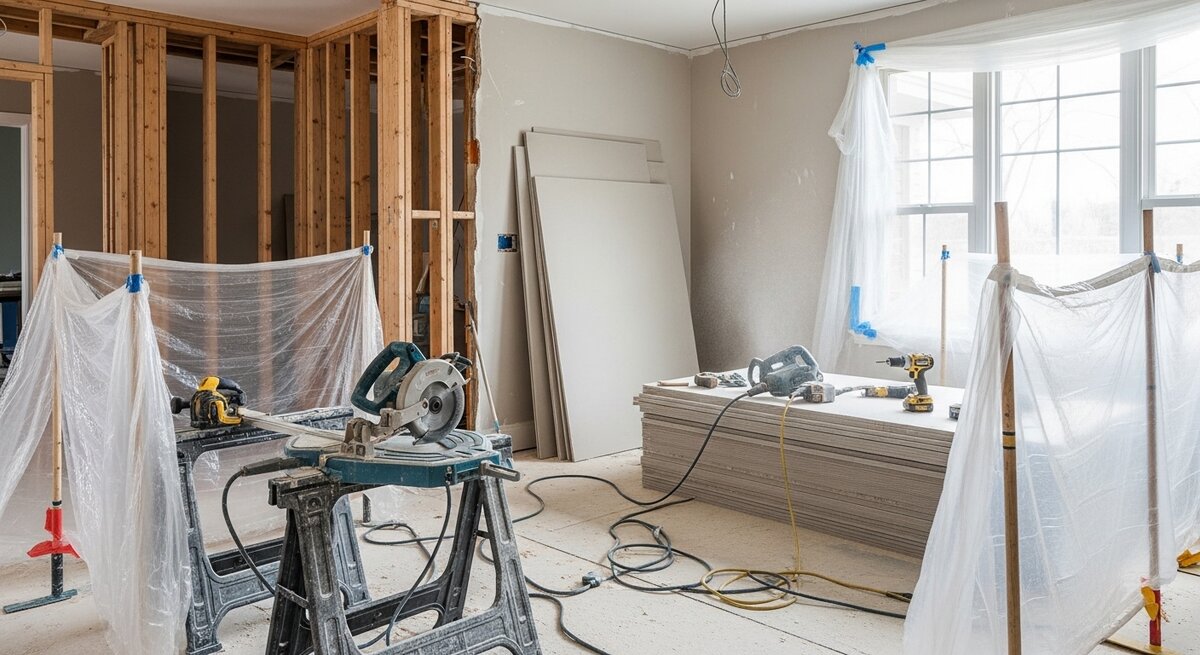
Professional fire & water damage restoration results from RenoHouse projects across the Toronto GTA.
Fire & Water Damage Restoration
Toronto GTA
Quality Workmanship
Licensed & Insured
Like what you see? Let's talk about your project.
🧮 Fire / Water Damage Restoration — Cost Estimator
GTA / Ontario — 2026 market pricing
⚙️ Add-ons & Options
📊 Where the cost goes (typical breakdown)
📋 What affects your price:
💡 Estimates use 2026 GTA/Ontario market data. Actual cost depends on site conditions, material selections, and project scope. Book a free in-home quote for a precise number.
Frequently Asked Questions About Fire & Water Damage Restoration
Our IICRC-certified mitigation partners (Restorx, ServiceMaster, Steamatic, FirstOnSite) operate 24/7 emergency dispatch with 1–4 hour first arrival. Initial water extraction and drying-equipment setup within 4–8 hours of the call. RenoHouse handles homeowner intake, insurance notification, and the reconstruction phase. Time matters — within 24–48 hours of a water event, mold begins to grow on porous surfaces. Call 289-212-2345 for emergency dispatch — we route to the right partner immediately.
Yes — for most major Canadian insurers (Aviva, Intact, TD, Wawanesa, Co-operators, Square One, Economical, Allstate) we direct-bill against the approved claim settlement. Homeowner pays the deductible only ($500–$5,000 typical). For specialty or smaller insurers, the homeowner pays and submits for reimbursement. We provide an itemized Xactimate scope-of-work (the insurance-industry-standard pricing platform) for direct adjuster reconciliation, meet with the adjuster on-site, and align on settlement before reconstruction begins.
IICRC (Institute of Inspection, Cleaning and Restoration Certification) is the industry-standard credential for water-damage mitigation, structural drying, mold remediation, and fire/smoke restoration. Certifications include WRT (Water Restoration Technician), ASD (Applied Structural Drying), AMRT (Applied Microbial Remediation Technician), and FSRT (Fire and Smoke Restoration Technician). Insurers typically require IICRC-certified mitigation for emergency-phase work. RenoHouse does NOT hold IICRC certification in-house — we partner with certified firms (Restorx, ServiceMaster, Steamatic, FirstOnSite) for the emergency mitigation, then take over the reconstruction phase ourselves.
Honest scope-split. Emergency mitigation is a 24/7 operation — water-extraction trucks, dehumidifier inventory, on-call drying technicians, IICRC certifications, biohazard cleanup capability. RenoHouse is a renovation contractor, not a 24/7 mitigation firm. The reconstruction half of a restoration project — drywall, flooring, kitchen rebuild, paint — is our core competency. By partnering with IICRC-certified mitigation firms for the emergency phase and taking over for the reconstruction phase, the homeowner gets specialized expertise on both sides. One point of contact (us) for the homeowner; two specialized teams for the two phases.
Insurance-driven, varies widely by event severity. Small water-damage rebuild (kitchen ceiling drywall + ceiling repaint + minor cabinet/floor work): $5,000–$15,000. Standard basement-flood rebuild (full basement drywall, flooring, baseboard, paint): $15,000–$45,000. Major water/smoke event (multi-room, full kitchen rebuild): $45,000–$100,000+. Severe fire (whole-home reconstruction): $100,000–$500,000+. Most projects are insurance-driven — homeowner deductible $500–$5,000, balance billed to insurer. Approved settlement amount comes from the adjuster after on-site walkthrough; RenoHouse aligns scope to settlement before starting work.
(1) Damage documentation — photos, video walkthrough, itemized contents list, moisture readings, fire-damage scope. (2) Insurer notification — RenoHouse can call the claims line on the homeowner's behalf. (3) Itemized scope-of-work — Xactimate-based or our own line-item estimate. (4) Adjuster meeting on-site — we walk the scope and align on settlement. (5) Direct billing or reimbursement — varies by insurer. (6) Supplements — if hidden damage is discovered during reconstruction (e.g., wet insulation behind drywall), we file a supplement for additional approval. (7) Final completion docs — receipts, photos, lien-waivers, Form 13 for close-out. Most claims close in 60–120 days.
Common gaps: (1) Sewer backup — standard policies require a sewer-backup endorsement; without it, sewer flood damage is not covered. (2) Flood from outside — overland flood requires a separate endorsement (introduced in Canadian policies after 2013); not all homeowners have it. (3) Maintenance issues — pre-existing leaks or chronic moisture are typically excluded. (4) Coverage limits — older policies may have low water-damage caps. We help homeowners identify gaps, document scope, and negotiate with adjusters; we don't sell insurance or adjust claims, but we make sure the scope is fully itemized so nothing is missed in the settlement. For uninsured portions, we offer phased reconstruction so the homeowner can spread cost over multiple budgets.
Yes — many smaller water events (under $5,000) are below the deductible threshold and homeowners pay out-of-pocket. We provide the same quality reconstruction work; we just don't run the insurance claim process. For non-insurance jobs we run a standard renovation contract — fixed scope, fixed price, milestone payments. Often this is the right approach for small leaks or homeowners with high deductibles.
Emergency mitigation phase (water extraction, structural drying): 3–14 days. Insurance adjuster review and scope approval: 5–21 days. Reconstruction phase: 2–12 weeks depending on scope. Total project clock: 6–18 weeks for typical residential restoration. Major events (whole-home fire reconstruction): 3–9 months. We provide a detailed schedule at the scope-approval stage and weekly progress updates throughout reconstruction.
Yes — through our IICRC AMRT (Applied Microbial Remediation Technician) certified partners. Within 24–48 hours of a water event, mold begins to grow on porous surfaces. The mitigation crew handles mold remediation as part of the emergency phase: containment, removal of contaminated materials (drywall, insulation, flooring), HEPA vacuuming, antimicrobial treatment, post-remediation verification testing. RenoHouse handles the reconstruction after mold remediation is complete and verified. For larger mold remediation scopes we coordinate Type 1, 2, or 3 abatement per Ontario Ministry of Labour Reg. 278/05.

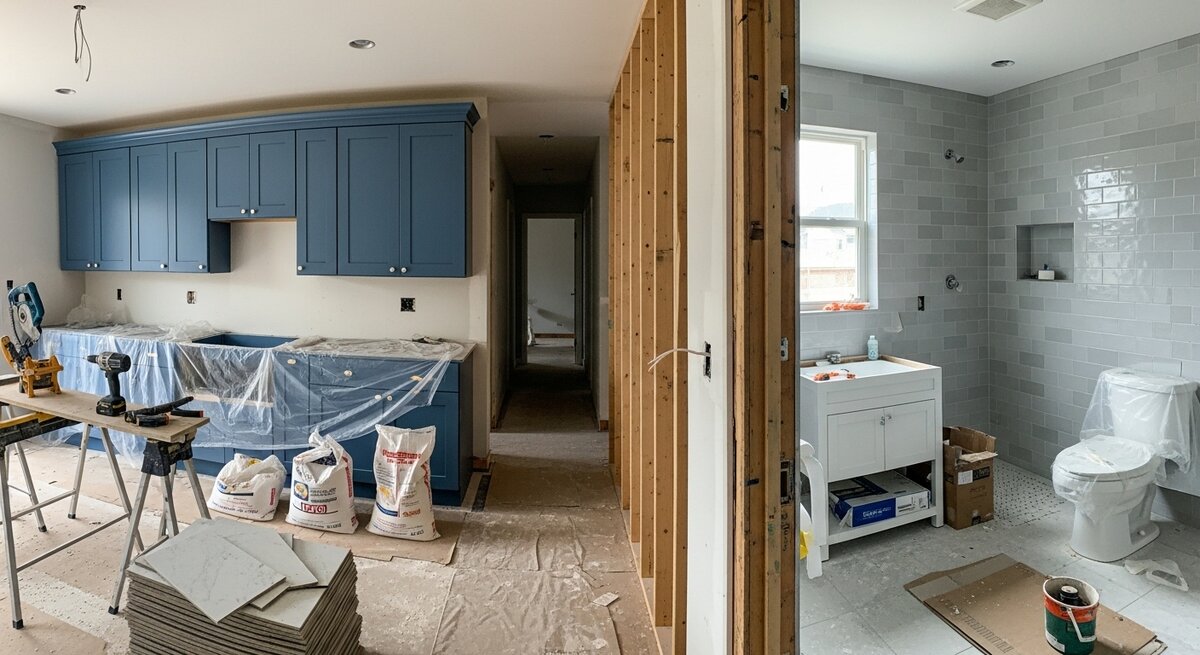


You Might Also Need
Customers who looked at fire & water damage restoration also asked us about these complementary services.


We Serve All GTA
Professional fire & water damage restoration services available across the Greater Toronto Area.
“Renovated our entire main floor — kitchen, living room, flooring, paint, lighting. They coordinated everything perfectly. One contractor for the whole project.”
— Anthony G., North York
Get a Free Fire & Water Damage Restoration Estimate
Contact us today for a free, no-obligation quote for your fire & water damage restoration project in Toronto GTA. We'll get back to you within 1 hour.