RenoHouse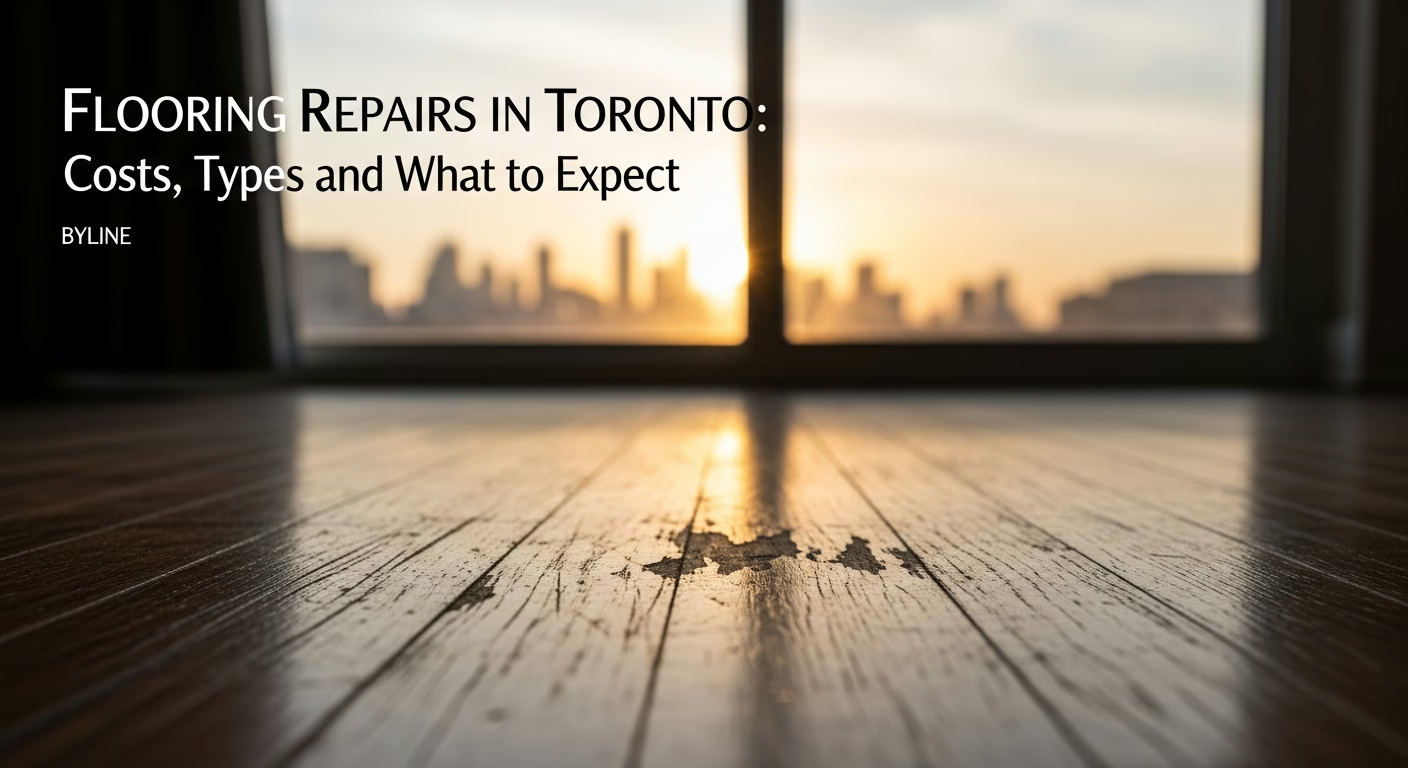

# Flooring Repairs in Toronto: Costs, Types, and What to Expect
Quick answer. Most flooring repairs in the GTA run $150–$800 in 2026, covering small patches, squeaky subfloors, cracked tiles, or damaged vinyl plank sections. Jobs that involve subfloor rot, widespread warping, or moisture damage across a large area can reach $1,200–$2,500 before the floor type even becomes a factor.What Flooring Repairs Cost in Toronto and the GTA (2026)
Labour in Toronto, Etobicoke, Mississauga, and surrounding suburbs has risen steadily. Most flooring contractors charge $65–$95 per hour for repair work, with a minimum call-out fee of $150–$200. That minimum covers simple fixes like re-gluing a lifted laminate plank or re-nailing a loose hardwood board. Once the scope grows, pricing shifts to flat rates per square foot or per job.
Hardwood floor repairs are among the most variable. Patching two or three boards — say, boards cracked by a heavy object or a water leak near a Scarborough or North York radiator — runs $300–$600 including material matching. Refinishing just the repaired section to blend it in adds another $150–$300 depending on access and stain colour. The hardwood floor refinishing cost guide covers that scope in more detail.
Tile repair costs depend heavily on whether spare tiles are available. Re-grouting a section of bathroom or kitchen tile typically runs $200–$450 for a standard-sized area. Replacing cracked tiles where matching originals are unavailable — common in older Etobicoke bungalows or Markham condos with discontinued stock — can run $350–$700 once tile sourcing is factored in. Re-levelling a sunken tile section caused by subfloor failure adds $400–$900 more.
Vinyl plank and luxury vinyl tile (LVT) repairs are usually the most affordable, provided the original product is still in production. Replacing a clicked or glued section of 20–50 sq ft typically costs $250–$500 in parts and labour across most of the GTA. Older installations or discontinued colours require sourcing that can double that figure. See the vinyl plank flooring cost guide for full replacement pricing if the repair scope grows.
| Floor Type | Repair Type | Estimated Cost (GTA 2026) |
|---|---|---|
| Hardwood | Board patch (2–5 boards) | $300–$600 |
| Hardwood | Subfloor repair + patch | $600–$1,400 |
| Laminate | Section replacement (20–40 sq ft) | $200–$500 |
| Tile (ceramic/porcelain) | Re-grout only | $200–$450 |
| Tile | Replace cracked tiles | $350–$700 |
| Tile + subfloor | Sunken section re-levelling | $750–$1,800 |
| Vinyl plank (LVP/LVT) | Section replacement | $250–$500 |
| Subfloor only | Squeaky fix (screw method) | $150–$350 |
| Subfloor only | Rot section replacement | $800–$2,000+ |
Permit requirements for flooring repairs in Toronto are rare for cosmetic work. However, if the repair involves cutting into a floor above a finished basement or exposing structural elements, a building permit may be required under the Ontario Building Code. If the repair touches any heated floor wiring, ESA-certified labour is mandatory — the heated floor installation cost post explains what that certification requirement involves.
Need professional renovation?
Call RenoHouse at 289-212-2345 or get a free estimate today.
Get Free Estimate →How a Professional Flooring Repair Is Done
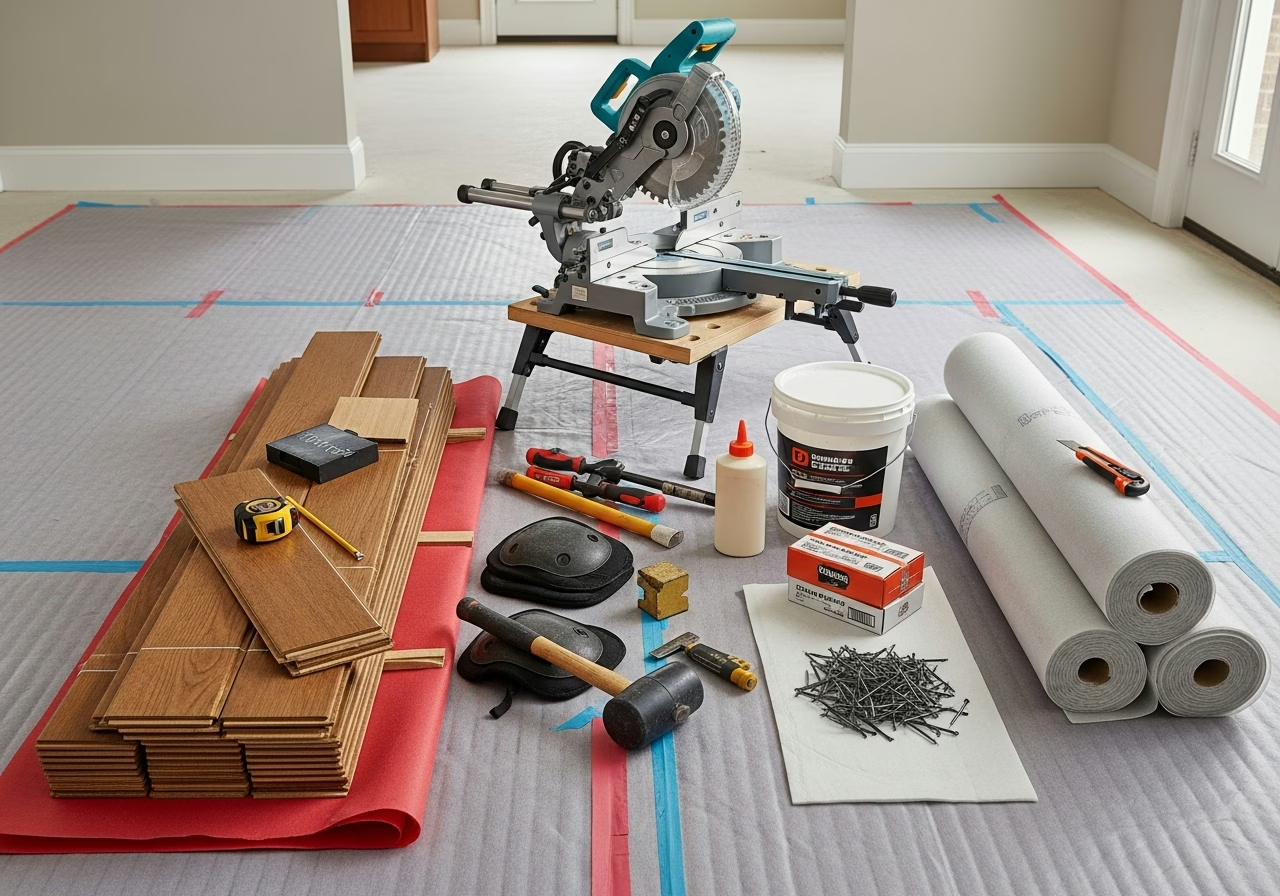
The first step is always a proper diagnosis — not just of the visible damage, but of what caused it. A cracked tile in an Oakville kitchen might be entirely cosmetic. The same crack in a Brampton basement bathroom often signals subfloor deflection from moisture infiltration. Skipping the root cause investigation is what leads to repeated repairs within 12–18 months.
Repair or Replace? Warning Signs That Change the Answer
Most flooring repairs are worth doing when the damage is localised and the root cause has been fixed. Replacing a section of good hardwood because three boards were water-damaged — and the plumbing leak causing it has since been repaired — is almost always cheaper than replacing the full floor. The home flooring guide covers material lifespans if you are weighing longer-term planning against a repair decision.
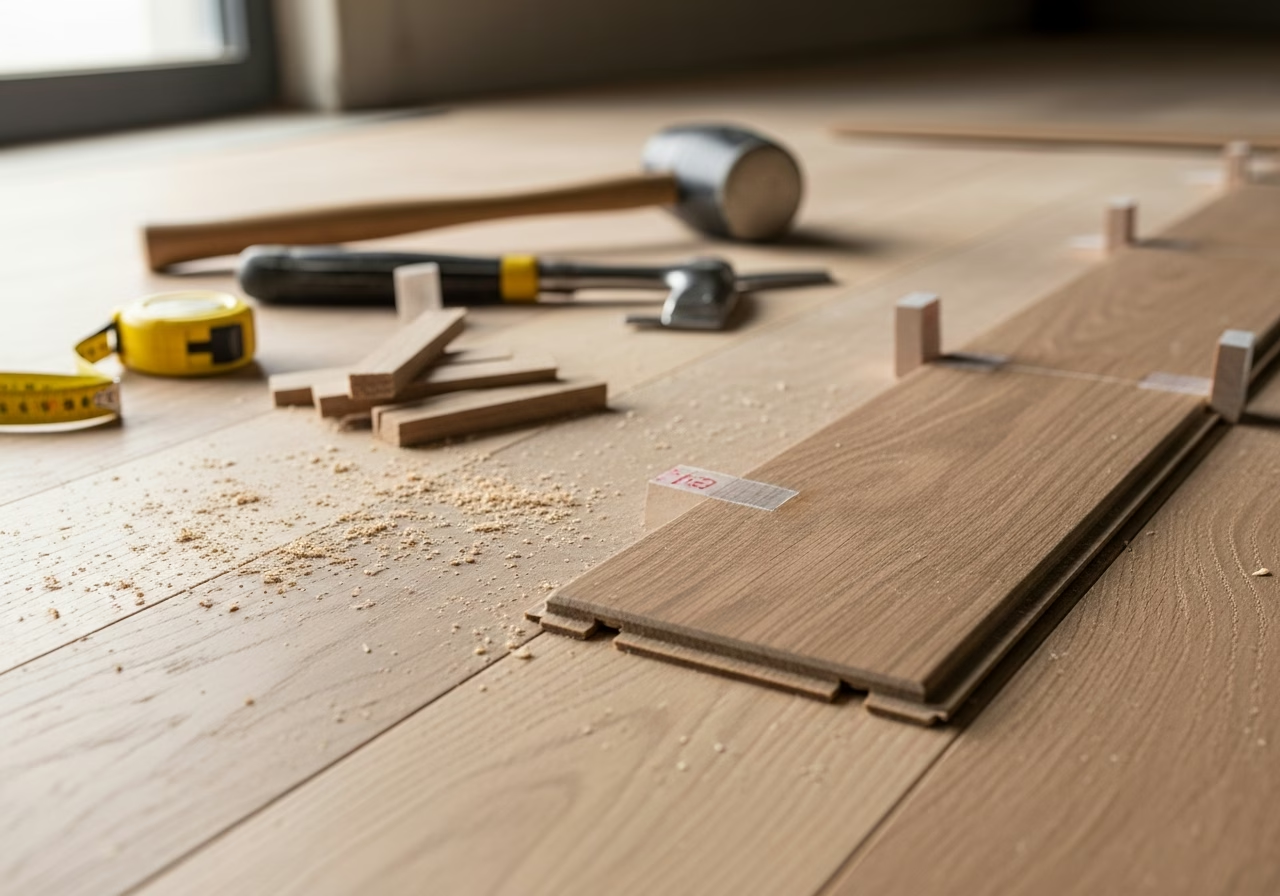
There are situations where repair is the wrong call. Widespread subfloor rot — common in Pickering and Ajax homes that have had unaddressed basement moisture issues for years — often means the entire subfloor needs replacement before any finish flooring is worth installing. At that point, the cost gap between repair and full replacement narrows significantly, and pricing both options before committing makes sense.
Hardwood floors sanded down to less than 3mm of solid wood above the tongue are generally past the point of spot repair. Any new board sits slightly proud or requires heavy sanding that damages surrounding boards. If your hardwood is approaching that threshold, the hardwood floor refinishing cost guide covers when refinishing remains viable versus when full replacement is the better investment.
Watch for these warning signs that indicate repair alone will not be enough:
- Soft, spongy feel underfoot across more than 15–20% of the floor area
- Visible mould on the underside of removed planks or tiles
- Moisture readings above 16–18% in a wood subfloor (measured with a calibrated moisture meter)
- Joists that bounce noticeably when walked — indicates a structural issue beyond flooring scope
- More than three cracked or hollow tiles adjacent to each other, suggesting widespread subfloor movement
Laminate floors deserve a separate note: they cannot be refinished, and colour-matched replacement is only viable if the product line is still in production. Once a laminate is 8–12 years old in the GTA's seasonal humidity swings, finding an exact match becomes difficult. At that stage, comparing laminate replacement cost against engineered hardwood options — as covered in the engineered hardwood vs laminate comparison — often makes more financial sense.
Frequently Asked Questions
How long does a typical flooring repair take in Toronto?
Most single-room or small-area repairs take one to two days. A hardwood patch with stain matching can take two days due to drying time between coats. Tile work with grout curing adds another 24–48 hours before full foot traffic is safe. Subfloor repairs requiring structural lumber replacement can extend a job to three to four days depending on scope, access, and whether self-levelling compound needs additional curing time.
Can I repair flooring in a Toronto or North York condo?
Yes, but condo rules affect what you can do and when. Most GTA condo corporations require soundproofing underlayment meeting IIC and STC ratings, and some require board approval before any flooring work begins. Toronto's standard under most condo declarations requires a minimum 6mm acoustic underlayment under hard flooring. Confirm with your building management before scheduling work — a contractor familiar with GTA condo requirements will know what documentation is typically needed to proceed.
Does flooring repair require a permit in Toronto?
For cosmetic repairs — replacing damaged boards, tiles, or vinyl planks — no permit is required. If the repair involves structural subfloor replacement, alterations to floor joists, or any electrical work such as a heated floor repair, permits may apply under the Ontario Building Code, and heated floor electrical work requires ESA-certified labour. A call to Toronto Building at 311 can clarify requirements for your specific address and scope of work.
Why does my hardwood floor squeak and can it be fixed without replacing boards?
Squeaks in hardwood floors are almost always caused by boards rubbing against each other, against the subfloor, or against fasteners that have loosened over time — very common in older Toronto housing stock in areas like The Junction, Roncesvalles, and Leaside. In most cases, squeaks can be fixed from below by driving screws up through the subfloor into the hardwood, or from above using a breakaway screw system. Board replacement is rarely needed just for squeaks, and costs typically run $150–$350 for a single squeaky zone.
Need a quote in the GTA?
RenoHouse is a licensed and insured GTA renovation contractor handling flooring repairs across Toronto, Etobicoke, Mississauga, Scarborough, Vaughan, Markham, Richmond Hill, Oakville, Brampton, Pickering, Ajax, Whitby, and surrounding areas. With a 4.9-star rating across 498 homeowner reviews and 12+ years of GTA renovation experience, the assessment that happens before work starts is what keeps repair costs from ballooning into replacements. Call 289-212-2345 or request a free quote online — most flooring repair assessments can be scheduled within a few business days.