RenoHouse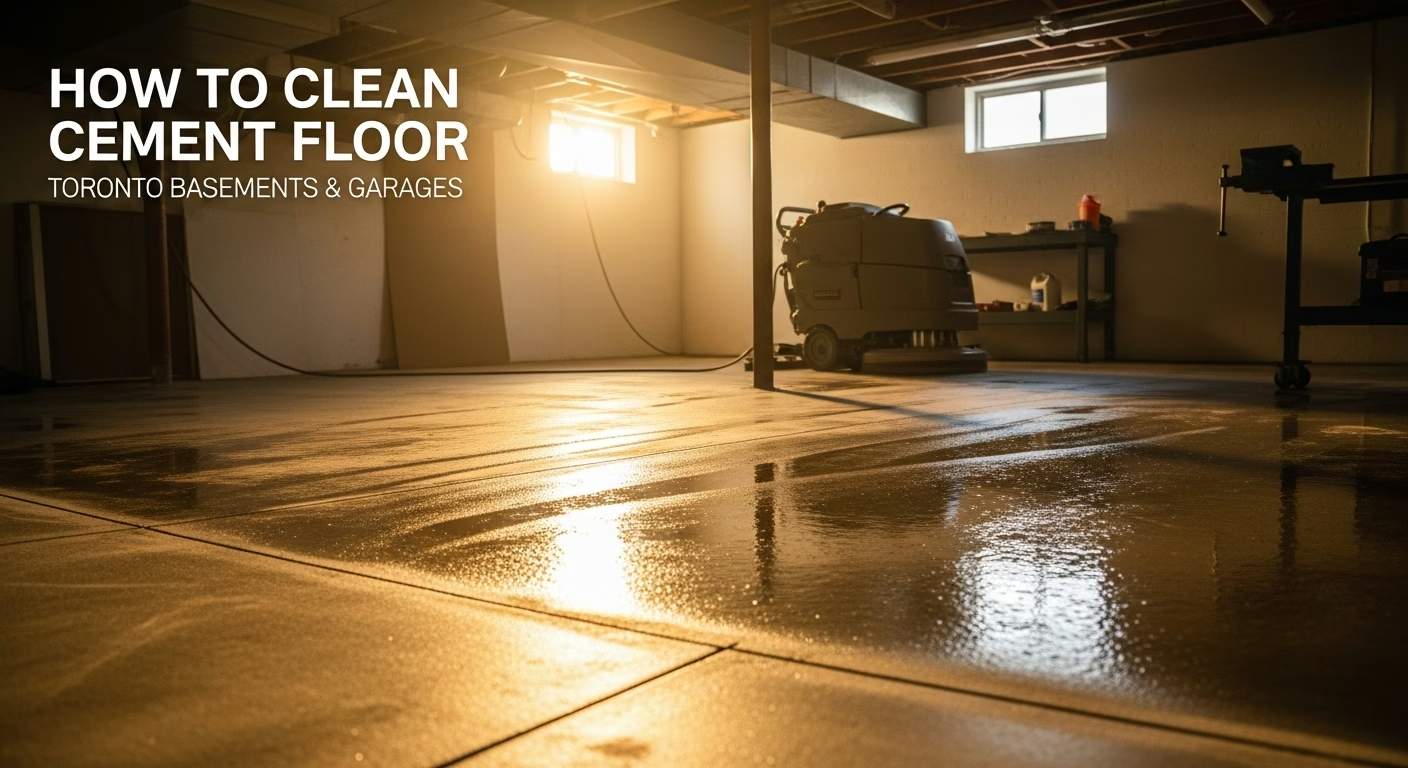

# How to Clean Cement Floor: GTA Basement & Garage Guide
Quick answer. For a standard GTA basement or garage, cleaning a cement floor takes 30–90 minutes using a stiff-bristle broom, a pH-neutral concrete cleaner (around $15–$30 CAD), and a deck brush or wet mop. Professional concrete floor cleaning in Toronto and the surrounding GTA runs $150–$450 for a typical residential space, depending on size and the severity of staining.What Concrete Floor Cleaning Costs in the GTA (2026 Prices)
DIY cleaning supplies are inexpensive. A bottle of pH-neutral concrete cleaner or a concentrated degreaser costs $15–$40 at Home Depot, Rona, or any independent hardware store in Etobicoke, Mississauga, or Markham. Add a stiff deck brush ($15–$25) and a wet-dry vacuum ($80–$150 if you don't already own one), and you're set for multiple cleanings.
Professional cleaning is a different matter. If you're dealing with years of automotive grease in a Brampton garage, post-renovation concrete dust throughout a Scarborough basement, or efflorescence and salt deposits in an older Oakville or Richmond Hill home, hiring a professional saves time and produces results that scrubbing alone won't achieve. In 2026, GTA contractors charge roughly:
| Service | Typical Cost (GTA 2026) |
|---|---|
| Basic sweep and mop (DIY supplies) | $20–$60 |
| Professional basic wash (up to 500 sq ft) | $150–$300 |
| Deep degreasing (garage, 400–700 sq ft) | $250–$450 |
| Efflorescence or stain removal | $300–$600 |
| Concrete cleaning + sealing (combined) | $500–$1,200 |
| Polished concrete prep clean | $1.50–$3.50/sq ft |
Sealing after cleaning is a smart investment on bare concrete floors. Unsealed concrete in a Vaughan or Ajax garage absorbs oil and road salt tracked in from vehicles year-round. A basic penetrating sealer adds $200–$500 to a professional visit depending on area, or $50–$120 in materials if you apply it yourself.
Costs climb when floors have been neglected for years, when there is visible mold, or when a basement in a Caledon or Georgetown home shows significant efflorescence — the white crystalline deposits that form when water migrates through concrete and evaporates. That situation may point to a waterproofing issue worth addressing before investing in a thorough clean. Related flooring upgrades like vinyl plank flooring or heated floors also benefit from a properly prepped concrete substrate, so cleaning and sealing often sets the stage for larger improvements.
How to Clean a Cement Floor: Step-by-Step
The right approach depends on whether your concrete is bare (unfinished), sealed, painted, or coated with epoxy. The method below works for most residential basements and garages across the GTA.
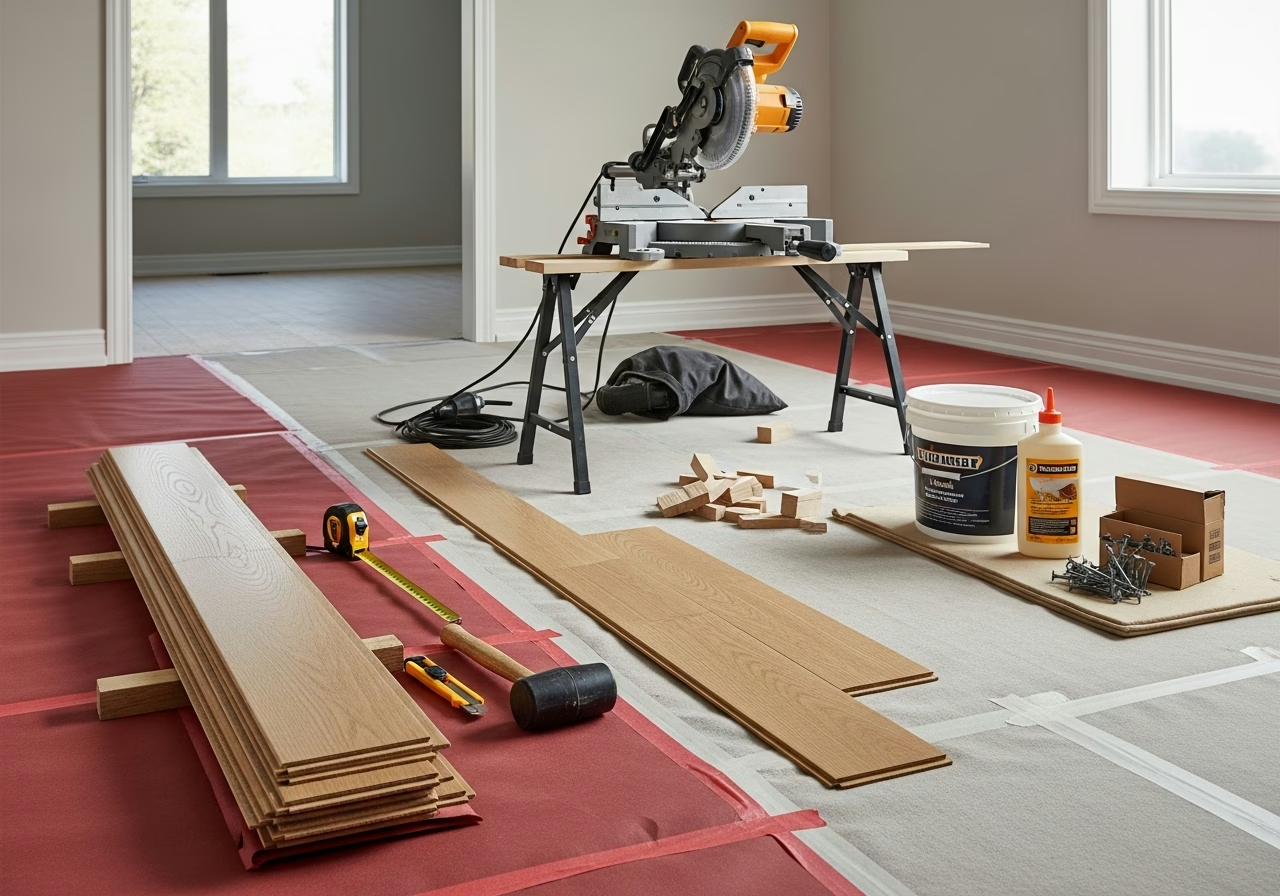
Bare (unsealed) concrete is porous and stains deeply. Sealed, painted, or epoxy-coated concrete is easier to clean and less prone to absorbing liquids. If water beads on the surface, the floor is sealed. If it soaks in within a minute, it's bare and will need more careful product selection.
2. Clear and prep the area.Remove everything from the floor. For a garage in North York or Pickering, that means vehicles, storage bins, and floor mats. Open windows or run a fan — concrete cleaners and degreasers require adequate ventilation, particularly in enclosed basements.
3. Dry-sweep or vacuum thoroughly.Use a stiff-bristle broom or a shop vacuum to remove all loose dirt, grit, and debris before introducing any liquid. Post-renovation concrete dust is particularly fine and benefits from vacuuming rather than sweeping, which redistributes fine particles into the air.
Need professional renovation?
Call RenoHouse at 289-212-2345 or get a free estimate today.
Get Free Estimate →For oil or grease spots, apply a concrete degreaser directly and let it dwell for 10–15 minutes before scrubbing. For rust stains, an oxalic-acid-based concrete cleaner works well. For efflorescence, a diluted muriatic acid solution dissolves the deposits — wear gloves and eye protection, ensure ventilation, and follow product directions exactly. This step is better handled by a professional if you haven't done it before.
5. Mop or scrub with a pH-neutral cleaner.Mix the cleaner according to label directions. Use a deck brush or a scrubber-head mop, working in sections of roughly 100 sq ft. Avoid vinegar or bleach on bare unsealed concrete — vinegar etches the surface gradually, and bleach can react with efflorescence deposits to leave residue.
6. Rinse and extract water.Rinse with clean water and squeegee toward a floor drain if one exists. In a basement without a drain, a wet-dry vacuum pulls water up efficiently. Standing water left to air-dry on bare concrete lengthens drying time to several hours and can worsen efflorescence over repeated cycles.
7. Allow to dry fully before sealing.Concrete needs to be completely dry — typically 24–48 hours in a Toronto-area basement under normal humidity — before applying a sealer or epoxy coating. Applying sealer while moisture remains trapped in the slab causes adhesion failure and bubbling.
Sealed vs. Unsealed Concrete: Different Cleaning Approaches
Bare and finished concrete need meaningfully different maintenance routines. Knowing which type you have changes both the products you use and how much effort each cleaning requires.
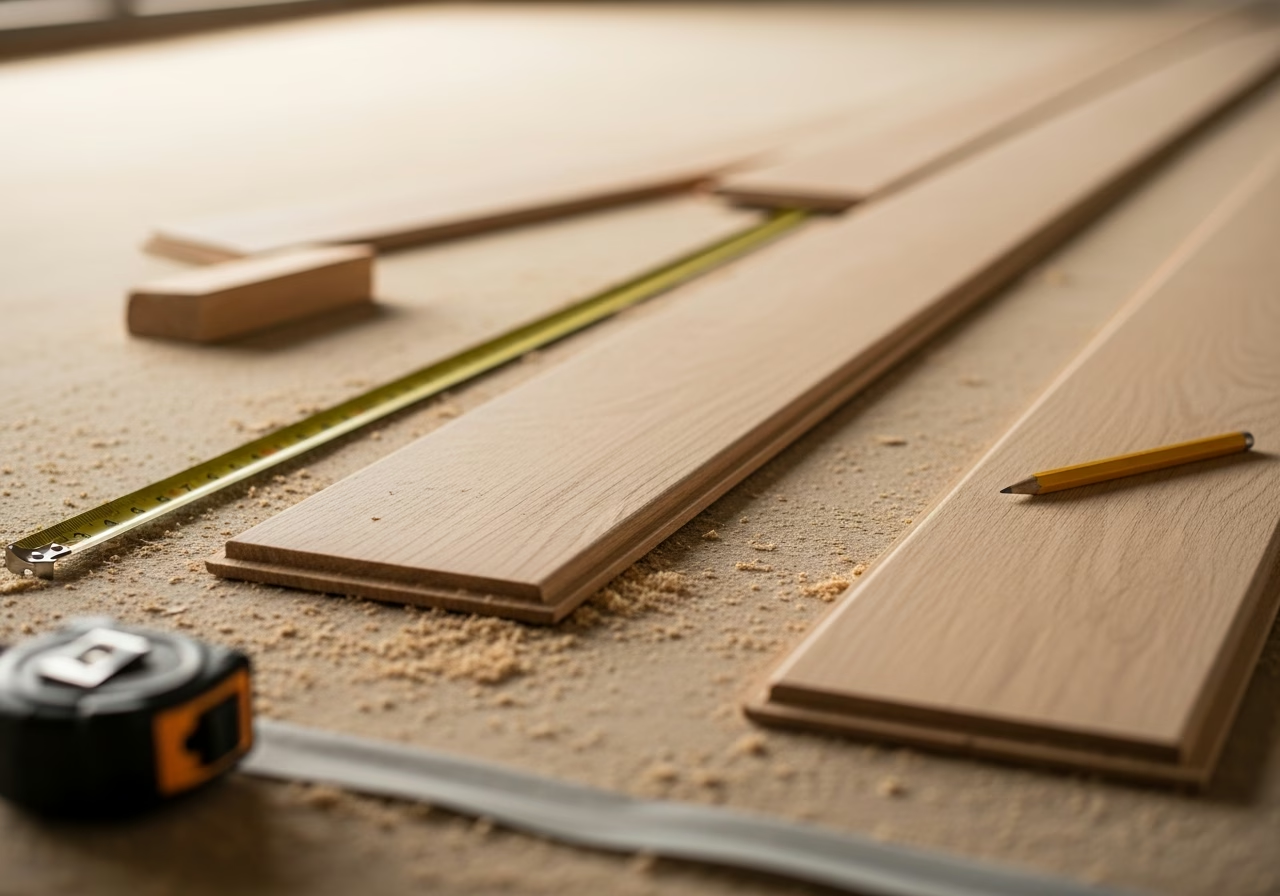
Unsealed concrete is porous. Spills and road salt tracked in from Whitby or Clarington driveways penetrate quickly and become set stains if not addressed promptly. Regular dry sweeping, prompt spill cleanup, and an annual or biannual deep clean with a degreaser is the baseline. Sealing adds a small upfront cost but reduces ongoing cleaning time significantly — and it makes the floor a better candidate for future upgrades like vinyl plank installations that require a clean, stable substrate.
Sealed or polished concrete — increasingly chosen as a design finish in GTA homes in Mississauga, Oakville, and King City — is far easier to maintain. A damp mop with a pH-neutral floor cleaner handles routine dirt. Avoid abrasive cleaners or steel wool, which scratch the sealer and require refinishing to restore the surface.
Epoxy-coated garage floors, common in Etobicoke and Brampton homes, clean up well with a non-abrasive cleaner. Avoid citrus-based degreasers, which degrade the epoxy bond over repeated use.
A few warning signs go beyond what cleaning addresses. Large patches of white powder growing back within weeks, or damp spots actively seeping through the slab, point to a drainage or waterproofing problem. In older Scarborough semi-detached homes and post-war bungalows throughout Etobicoke, this often means the exterior drainage tile has failed. Cracks wider than 3mm, or cracks that appear to grow over time, are also worth a professional assessment — hairline cracks are normal in aging concrete, but displacement or growing cracks are not.
Frequently Asked Questions
What is the best cleaner for a cement floor?
For most GTA basements and garages, a pH-neutral concrete cleaner or concentrated degreaser works well. Products such as Zep Neutral pH Floor Cleaner, Behr Concrete Cleaner, or a commercial-grade degreaser available at any Etobicoke or Mississauga hardware store run $15–$40 and handle most routine cleaning. Avoid dish soap — it leaves a film that attracts more dirt over time. For heavy grease or oil contamination, a purpose-formulated concrete degreaser consistently outperforms household alternatives.
How do I remove oil stains from a garage floor?
Apply a concrete degreaser directly to the stain, let it sit for 10–20 minutes, scrub with a stiff brush, and rinse. Old, set-in oil may need two or three applications. A paste of baking soda and dish soap can lift lighter, more recent stains. For deeply embedded grease in an older garage — common in Brampton or Ajax homes where vehicles have dripped for years — professional pressure-washing with a hot-water extraction system consistently produces better results than DIY scrubbing alone.
Should I seal my concrete floor after cleaning?
On bare unsealed concrete, yes. A penetrating silane or siloxane sealer protects against future staining, reduces the concrete dusting that coats stored items in a basement, and makes ongoing cleaning easier. For garage floors, a topical epoxy coating provides stronger protection against oil and abrasion. In GTA basements where road salt, snowmelt, and seasonal humidity cycles stress bare concrete year-round, sealing is worth the investment. Plan to reseal every three to five years depending on traffic and the sealer type used.
How often should I clean my basement concrete floor?
For a finished basement used as living space, sweep or vacuum weekly and damp-mop monthly. For a utility basement or garage, a thorough cleaning once or twice a year is typically sufficient alongside prompt spill cleanup. In homes with known moisture issues — common in older Toronto, Scarborough, and Pickering neighbourhoods — more frequent inspections are a practical habit. Catching moisture or early-stage mold when it's still limited in scope keeps remediation costs manageable and protects any finished flooring installed on top.
Need a quote in the GTA?

RenoHouse handles concrete floor cleaning, sealing, crack repair, and epoxy coating throughout Toronto, Etobicoke, Mississauga, Brampton, Vaughan, Markham, and the wider GTA. With 12+ years of GTA flooring experience and a 4.9-star rating across nearly 500 reviews, we give you a straight assessment of what your floor needs before any work begins. Call 289-212-2345 or request a free quote online.