RenoHouse

If your kitchen cabinets are structurally sound but look outdated, painting them is one of the most cost-effective upgrades you can make. Homeowners across Toronto are choosing cabinet painting over full replacements — and saving thousands in the process. For a complete overview, see our Kitchen Renovation Guide Toronto.
A professional cabinet painting job can transform a tired kitchen in under a week, at a fraction of the cost of new cabinetry. But before you commit, you need to understand the real costs, the process involved, and whether it makes sense for your specific cabinets. In this guide, we break down everything Toronto homeowners need to know about kitchen cabinet painting in 2026.
How Much Does Cabinet Painting Cost in Toronto?
The cost of cabinet painting in Toronto ranges from CAD $3,000 to $8,000 for a standard kitchen with 20–30 cabinet doors and drawer fronts. Here's how that breaks down:
| Service Level | Price Range (CAD) | What's Included |
|---|---|---|
| Budget (contractor) | $3,000 – $4,500 | Basic prep, brush/roller, 2 coats |
| Mid-range (specialty painter) | $4,500 – $6,500 | Full prep, spray finish, primer + 2 coats |
| Premium (refinishing company) | $6,500 – $8,000+ | Off-site spray, factory-like finish, warranty |
Several factors influence the final price:
- Number of doors and drawers — More pieces means more labour and paint. A small condo kitchen with 12 doors costs far less than a large suburban kitchen with 40+.
- Current finish — Cabinets with a laminate or thermofoil surface require additional prep (bonding primer, light sanding) compared to raw wood.
- Colour change — Going from dark to light (or vice versa) may require an extra coat of primer, adding CAD $300–$600.
- Hardware replacement — New knobs and pulls add CAD $3–$15 per piece, totalling $100–$500 for an average kitchen.
- Kitchen size — A galley condo kitchen (10–15 doors) averages CAD $3,000–$4,000. A large detached-home kitchen (30–40 doors) averages CAD $6,000–$8,000.
Compared to full cabinet replacement at CAD $15,000–$35,000, painting delivers a dramatic visual upgrade at roughly 20–30% of the cost.
The Cabinet Painting Process
Professional cabinet painters in Toronto follow a systematic 7-step process. Understanding these steps helps you evaluate quotes and set realistic expectations.
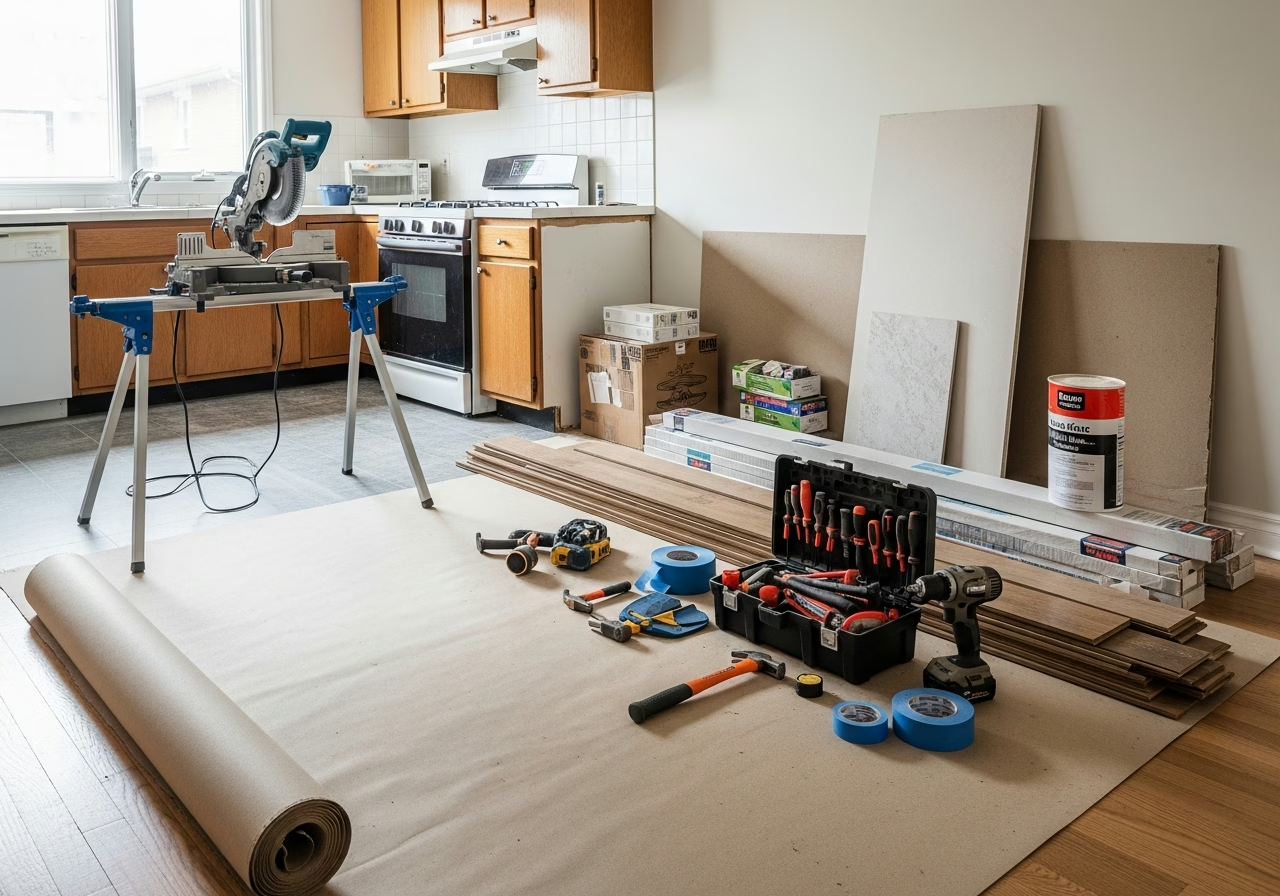
Step 1: Assessment and Colour Consultation
A reputable painter inspects your cabinets for damage, checks the existing finish (wood, MDF, thermofoil, laminate), and discusses colour options. Many Toronto companies offer on-site colour consultations with fan decks and sample boards.
Step 2: Removal and Labelling
All doors, drawer fronts, and hardware are carefully removed and labelled. This ensures every piece goes back in the right spot. Hinges and pulls are bagged separately. The cabinet boxes (frames) remain in place and are masked for painting.
Step 3: Cleaning and Degreasing
Kitchen cabinets collect years of grease, especially near the stove. A thorough TSP (trisodium phosphate) or degreaser wash is critical. Skipping this step is the number-one cause of paint adhesion failure.
Step 4: Sanding and Repair
All surfaces are sanded to create a mechanical bond for the primer. Nicks, dents, and holes are filled with wood filler or auto-body filler and sanded smooth. This step separates a professional job from a DIY attempt.
Need professional kitchen & bathroom renovation?
Call RenoHouse at 1-289-212-2345 or get a free estimate today.
Get Free Estimate →Step 5: Priming
A high-adhesion primer — typically a shellac-based or bonding primer — is applied. This is especially important on laminate, thermofoil, or previously stained/varnished surfaces. The primer blocks tannin bleed from oak and ensures the topcoat adheres properly.
Step 6: Topcoat Application (2 Coats)
Two coats of finish paint are applied, with light sanding between coats for a smooth result. Professional painters typically spray the doors off-site for a factory-smooth finish and brush or spray the boxes on-site.
Step 7: Reinstallation
Once fully cured (48–72 hours), doors and drawers are reinstalled with original or new hardware. A final touch-up addresses any minor imperfections.
Total timeline: 5–7 business days from removal to reinstallation. Some premium companies do all work off-site in a spray booth, which may extend the timeline to 7–10 days but delivers the smoothest finish.Best Paint for Kitchen Cabinets
Choosing the right paint is critical for durability in a kitchen environment. Here's how the main options compare:
| Paint Type | Durability | Dry Time | Odour | Best For |
|---|---|---|---|---|
| Alkyd (oil-based hybrid) | ★★★★★ | 16–24 hrs | Moderate | Hardest finish, best for high-traffic kitchens |
| Acrylic latex (water-based) | ★★★★ | 2–4 hrs | Low | Eco-friendly, quick recoat, good durability |
| Waterborne alkyd (hybrid) | ★★★★★ | 4–6 hrs | Low | Best of both worlds — hard finish, low VOC |
- Benjamin Moore Advance — Waterborne alkyd; self-levelling, hard cure, low VOC. The industry favourite for cabinet work.
- Sherwin-Williams Emerald Urethane Trim Enamel — Excellent hardness and stain resistance.
- Fine Paints of Europe Eurolux — Premium option for a lacquer-like finish.
For 2026, waterborne alkyds dominate the Toronto market. They combine the hard, smooth finish of traditional oil-based paints with low-VOC, easy-cleanup benefits. Most professionals avoid pure latex for cabinets due to lower hardness and susceptibility to blocking (sticking when doors close).
Spray vs Brush
The application method has a major impact on the final result.
Spray Finish:- Produces a factory-smooth, even coating with no brush marks
- Requires significant masking and prep (or off-site spraying)
- Faster application per coat
- Higher equipment cost but superior result
- Standard for professional cabinet painters in Toronto
- More accessible for DIY
- Can leave subtle brush or roller texture (orange peel)
- Works well with high-quality mini foam rollers and a brush for detail areas
- No overspray risk — no extensive masking needed
Cabinet Painting vs Refacing vs Replacing
Not sure if painting is the right choice? Here's how the three main options compare:
| Factor | Painting | Refacing | Replacing |
|---|---|---|---|
| Cost (avg Toronto kitchen) | $3K – $8K | $8K – $15K | $15K – $35K+ |
| Timeline | 5–7 days | 2–3 weeks | 4–8 weeks |
| Layout change | No | No | Yes |
| New door styles | No | Yes | Yes |
| Durability | 7–10 years | 15–20 years | 20+ years |
| Best for | Sound cabinets, cosmetic update | Dated door style, good boxes | Damaged boxes, layout change |
- Your cabinet boxes are solid and well-built
- You like the existing door style
- You want a dramatic change on a budget
- You plan to sell within 5–10 years
- Cabinets are warped, water-damaged, or falling apart
- You want to change the door profile (e.g., flat slab to shaker)
- You need a new kitchen layout with different cabinet sizes
DIY vs Professional
A DIY cabinet painting project can save you CAD $2,000–$5,000, but it comes with real trade-offs.
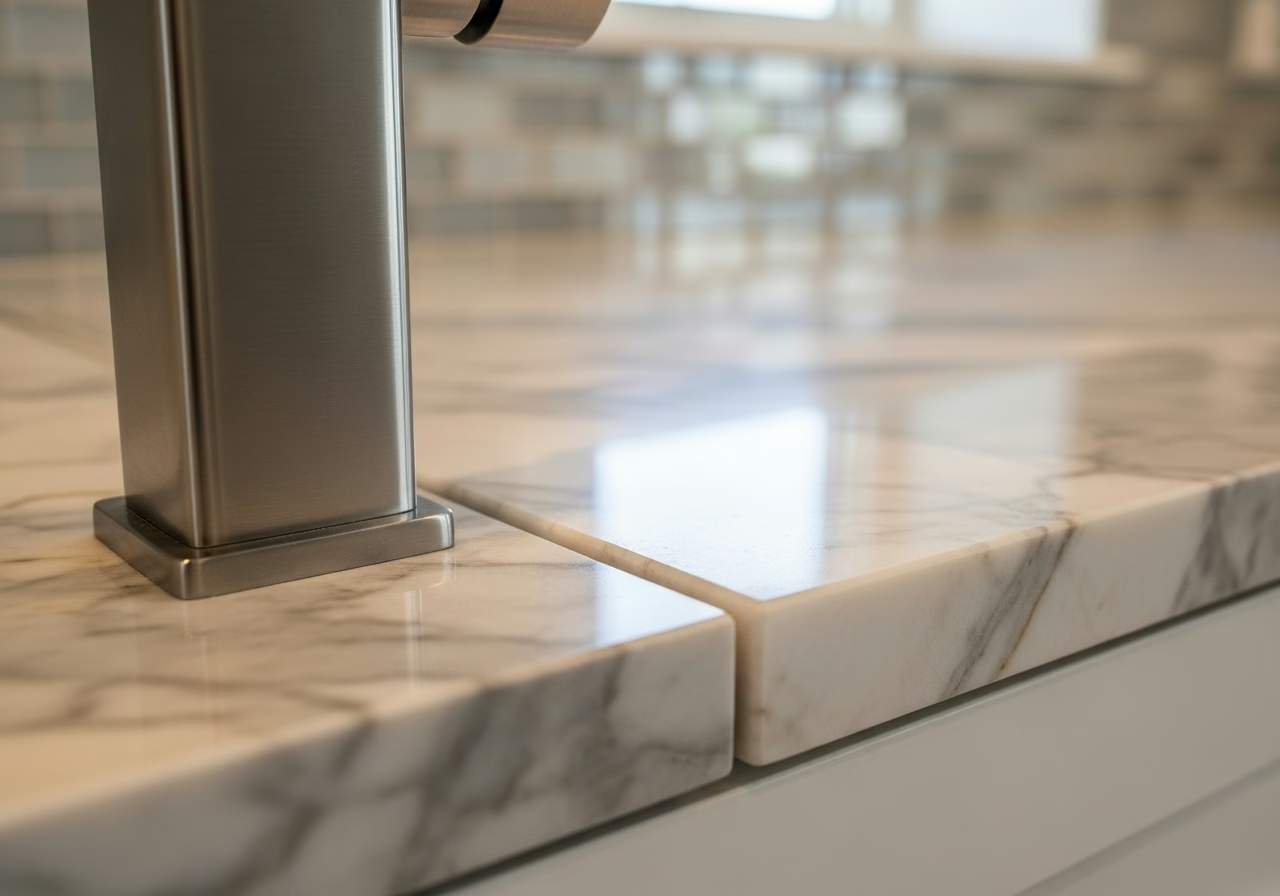
- Paint and primer: CAD $200–$400
- Supplies (sandpaper, brushes, rollers, TSP, tape): CAD $100–$200
- Sprayer rental (if applicable): CAD $50–$100/day
- Total: CAD $350–$700
- Poor adhesion leading to chipping within months
- Visible brush marks and uneven coverage
- Drips and runs on vertical surfaces
- Significantly longer timeline (2–4 weekends)
- Kitchen unusable during the process
Most Toronto homeowners who start DIY cabinet painting underestimate the prep work. If you wouldn't hesitate to spend CAD $4,000–$6,000 on a result that lasts a decade, hiring a professional is the smarter investment.
2026 Colour Trends for Painted Cabinets
Toronto kitchens are trending toward these cabinet colours in 2026:
- Warm whites and off-whites — Benjamin Moore Simply White, Cloud White, and White Dove remain top sellers.
- Sage green and olive tones — A growing trend for lower cabinets or island accents.
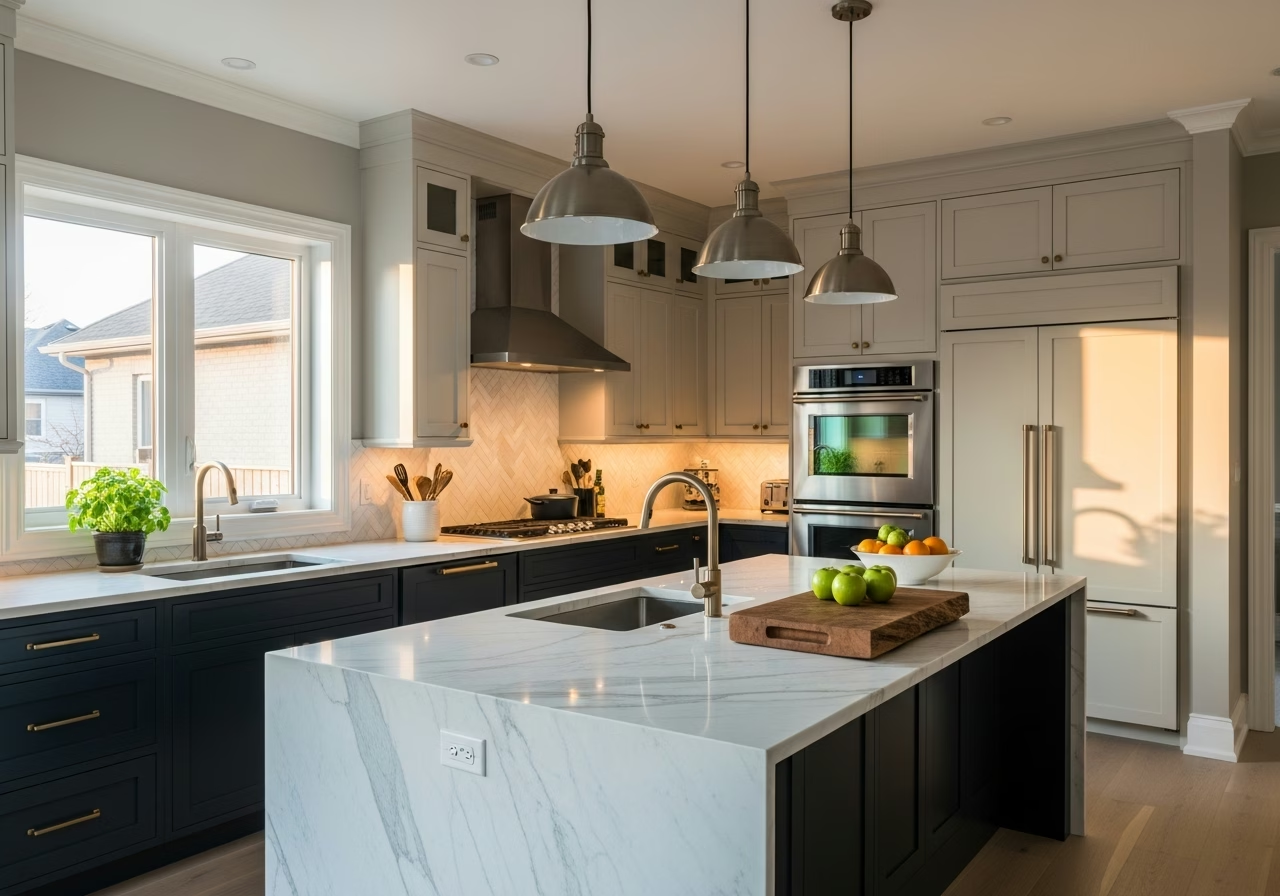
- Dark navy and charcoal — Popular for two-tone kitchens (dark lowers, light uppers).
- Greige (grey-beige) — Replacing the pure grey trend of previous years.
- Black — Bold choice for modern kitchens with contrasting quartz or granite countertops.
Two-tone kitchens continue to dominate, with most Toronto designers pairing a neutral upper cabinet colour with a bolder lower cabinet or island colour.
FAQ
How long does cabinet paint last?
A professionally painted cabinet finish lasts 7–10 years with normal use. Waterborne alkyd paints like Benjamin Moore Advance cure to a hard, washable surface. Longevity depends on proper prep, quality primer, and allowing adequate cure time (30 days for full hardness).
Can you paint laminate or thermofoil cabinets?
Yes, but it requires a specialized bonding primer (such as Zinsser BIN shellac-based primer or Stix bonding primer). Without proper primer, paint will peel off laminate and thermofoil surfaces. Professional painters in Toronto regularly paint these materials with good results.
How long until I can use my kitchen after cabinet painting?
You can lightly use your kitchen 24–48 hours after the final coat. However, painted cabinets need 2–4 weeks to fully cure. During this period, handle doors gently, avoid placing heavy items on shelves, and don't scrub with abrasive cleaners.
Is cabinet painting worth it before selling a home in Toronto?
Absolutely. Cabinet painting offers one of the highest returns on investment for kitchen updates. A CAD $4,000–$6,000 paint job can add CAD $10,000–$20,000 to perceived home value by making the kitchen look fresh and modern. Real estate agents in Toronto consistently recommend it as a pre-listing upgrade.
What's the best time of year to paint cabinets in Toronto?
Spring and fall are ideal — moderate temperatures and lower humidity help paint cure properly. Summer works well if you have air conditioning. Winter is fine for indoor projects but avoid painting during extremely cold, dry periods as low humidity can cause paint to dry too quickly and leave lap marks.
Sources & References
Authoritative sources cited in this guide:
- Ontario Building Code — OBC official text
- Toronto Building Permits — City permit portal
- Tarion New Home Warranty — Ontario warranty regulator
- HCRA — Home Construction Regulatory Authority — Ontario builder/vendor licensing
Continue Reading
- Cabinet Painting vs Replacement Toronto— Cost Comparison &
- Kitchen Cabinet Refacing vs Replacing Toronto
- Home Painting Guide Toronto
Related Services