RenoHouse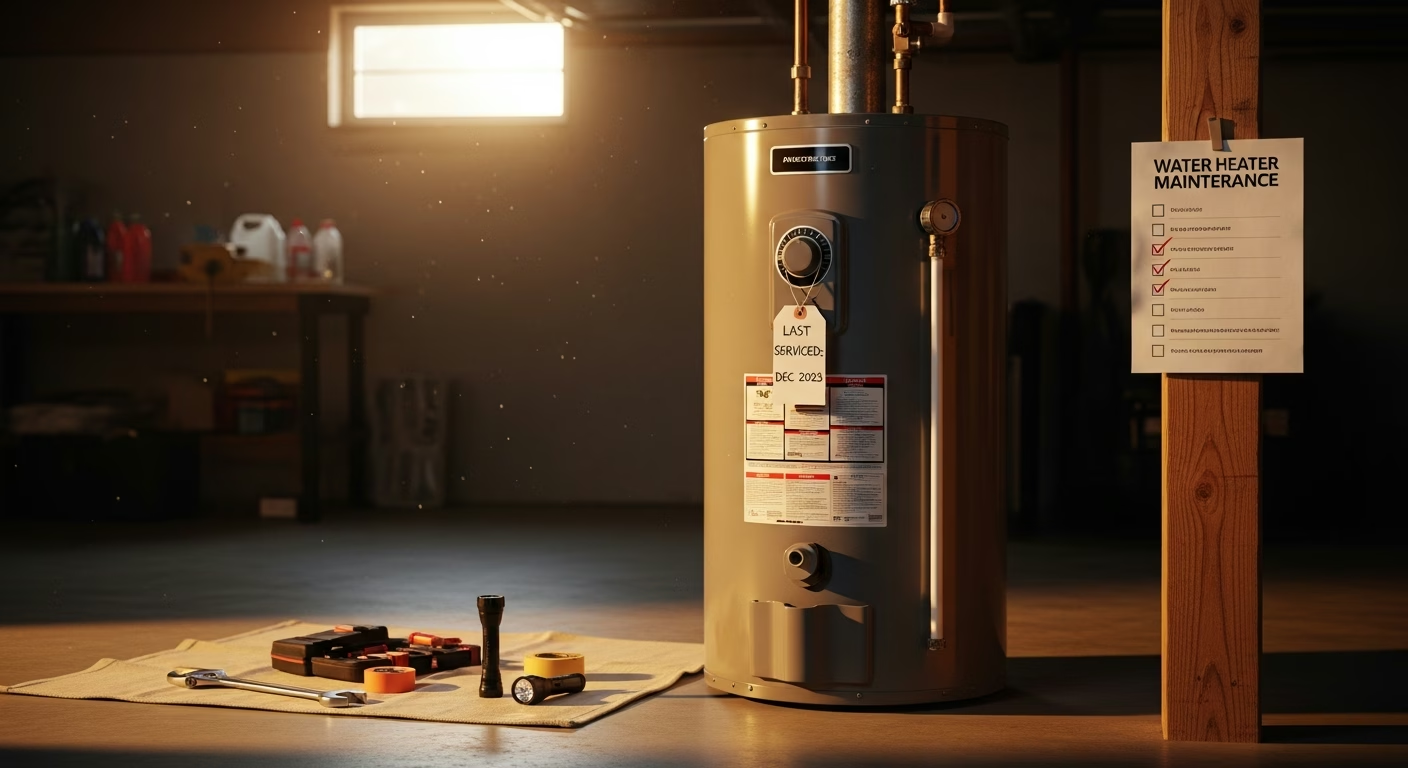

Water Heater Maintenance: Extend Its Life & Avoid Emergencies
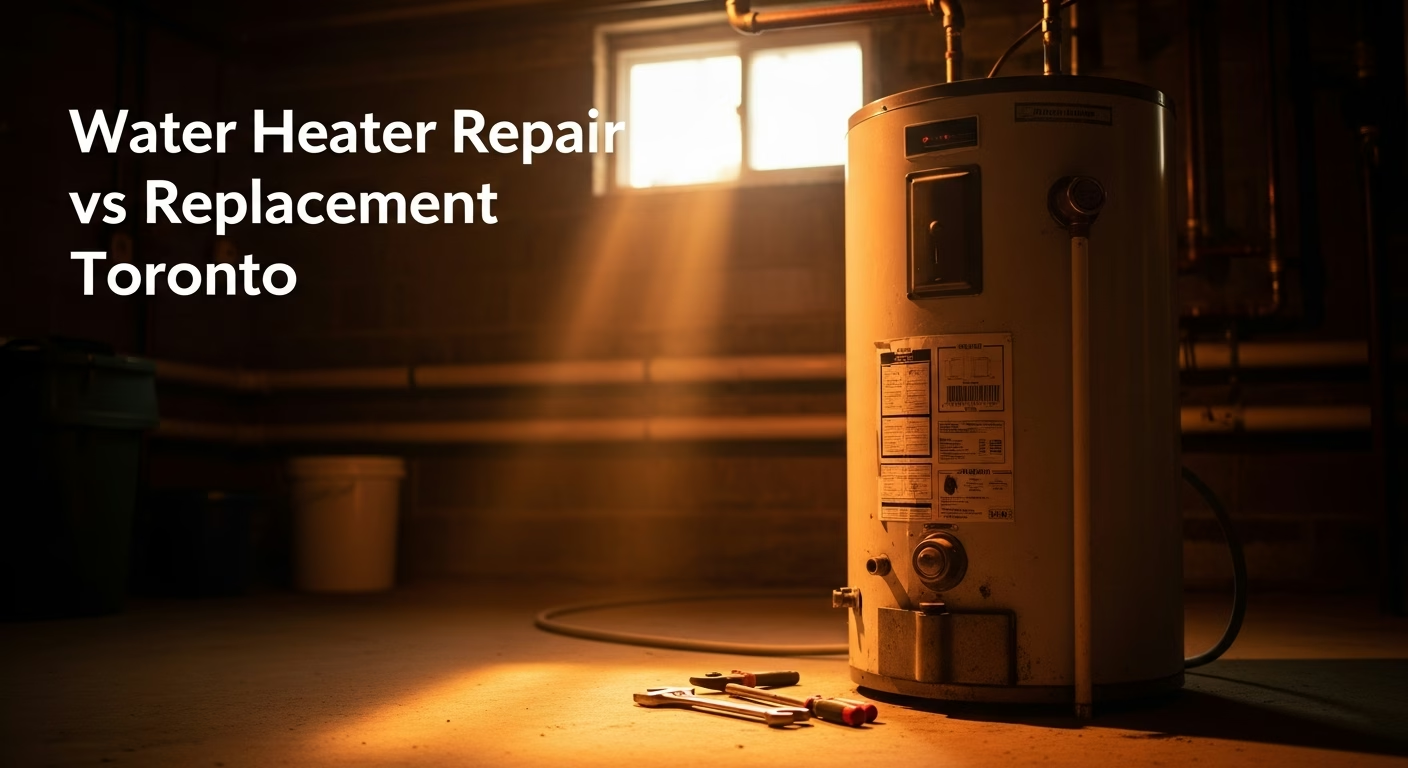
Most GTA homeowners don't think about their water heater until it fails — usually as a cold shower or a flooded basement. Basic maintenance extends your water heater's life by years and helps you avoid emergency situations.
Tank Water Heaters: Essential Maintenance
1. Test the Temperature & Pressure (T&P) Relief Valve — Yearly
This is your water heater's primary safety device. It releases water if temperature or pressure gets dangerously high.
How to test:- Place a bucket under the discharge pipe
- Lift the lever for 5 seconds
- Water should flow freely and stop when you release
- If it drips continuously or doesn't flow at all, the valve needs replacement
2. Flush the Tank — Annually
Sediment from Toronto's water supply settles at the bottom of the tank. This sediment:
- Reduces heating efficiency (gas heaters)
- Creates hot spots that damage the tank lining
- Causes rumbling and popping noises
- Shortens tank life significantly
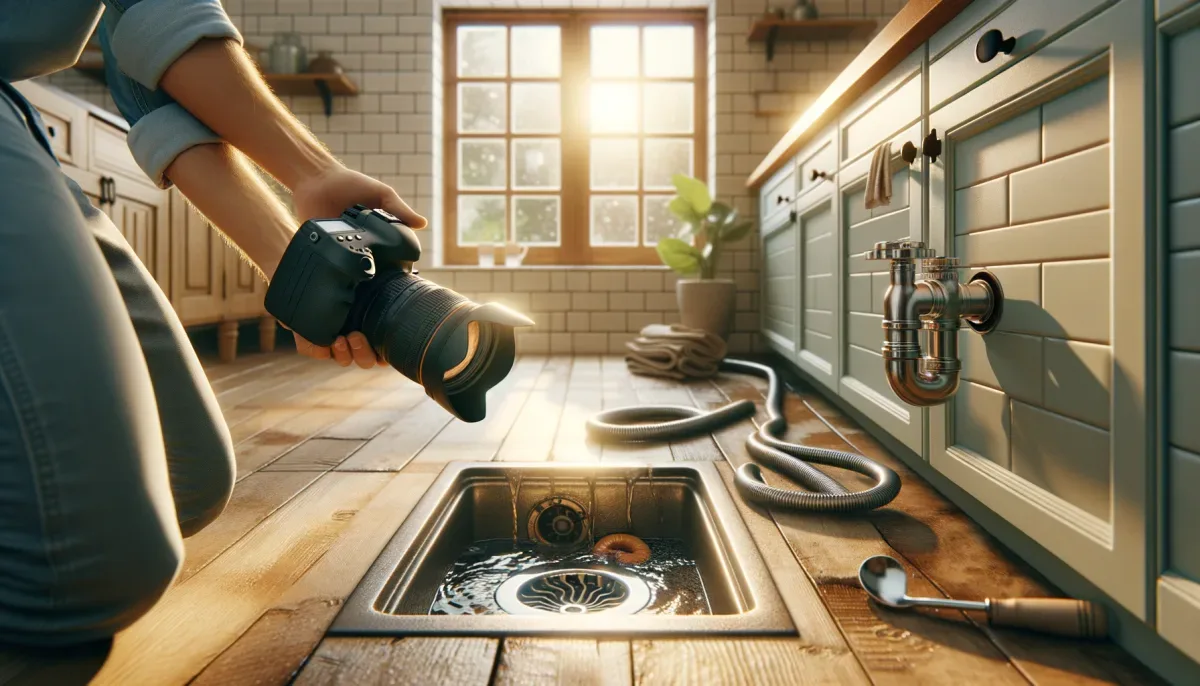
- Connect a garden hose to the drain valve at the bottom
- Run the hose to a floor drain or outside
- Open the drain valve and let water flow until it runs clear
- Close the valve
If the water comes out with lots of sediment, your tank has been overdue for flushing.
3. Check the Anode Rod — Every 2–3 Years
The anode rod is a sacrificial metal rod inside the tank that corrodes instead of the tank walls. Once it's depleted, the tank itself starts corroding — leading to leaks and failure.
When to replace: When the rod is less than 1/2 inch thick or coated in calcium. This is the single most effective way to extend a tank water heater's life.4. Check the Temperature Setting
The recommended setting is 49°C (120°F). Higher settings:
Need professional plumbing?
Call RenoHouse at 1-289-212-2345 or get a free estimate today.
Get Free Estimate →- Increase scalding risk
- Accelerate sediment buildup
- Waste energy
- Shorten tank life
Tankless Water Heaters: Maintenance
Tankless units also need care:
- Descale annually — especially important with Toronto's moderately hard water. Vinegar flush through the heat exchanger prevents mineral buildup.
- Clean the inlet filter — a small screen on the cold water inlet that catches debris.
- Check the venting — ensure nothing is blocking the exhaust vent.
Warning Signs Your Water Heater Is Failing
Act quickly if you notice:
- Rusty water from hot taps only — the tank is corroding internally
- Rumbling or popping sounds — heavy sediment buildup
- Water pooling around the base — tank is leaking (this doesn't get better, only worse)
- Inconsistent temperature — thermostat or heating element issues
- Age over 10–12 years (tank) or 20 years (tankless) — approaching end of life
Emergency Prevention
A failed water heater can dump 150–250 litres of water into your home. To minimize damage:
- Know where your water heater's shutoff valve is
- Install a drip pan under the tank with a drain line
- Consider a water alarm that alerts you to leaks
- If you're going away in winter, don't turn off the heater completely — just lower the temperature
Professional Maintenance
While basic flushing is DIY-friendly, anode rod replacement and T&P valve service are best handled by a professional — especially on older units where components may be corroded.
RenoHouse provides water heater maintenance, repair, and replacement across the GTA. Regular service is a small investment that prevents expensive emergencies.
Schedule a water heater maintenance call today — prevent problems before they happen.Ontario Building Code Requirements
Any renovation project in the GTA must comply with the Ontario Building Code (OBC). This applies whether you're in Toronto, Mississauga, Brampton, or any other municipality. Key requirements include:
- Building permits are required for structural changes, plumbing modifications, electrical work, and HVAC alterations
- ESA permits are mandatory for any electrical work — your contractor must be a Licensed Electrical Contractor (LEC) in Ontario
- Plumbing permits through your local municipality for any new plumbing rough-ins or relocations
- Inspections at various stages — rough-in, insulation, and final inspection before closing walls
- Fire safety — smoke detectors on every level, carbon monoxide detectors near sleeping areas (Ontario law since 2015)
Failing to pull permits can result in fines, insurance issues, and problems when selling your home. Always verify your contractor handles permits as part of the project scope.
GTA Regional Considerations
The Greater Toronto Area spans dozens of municipalities, each with unique housing stock and renovation considerations:
- Toronto (Old Toronto, Midtown) — Many homes built pre-1950 with knob-and-tube wiring, galvanized plumbing, and plaster walls. Renovations often uncover issues requiring additional remediation
- Scarborough & Etobicoke — Primarily 1950s–1970s bungalows and split-levels. Common issues include outdated electrical panels (60-amp service), original windows, and aging drainage systems
- North York — Mix of post-war homes and newer builds. Many homeowners are upgrading original finishes from the 1980s–1990s
- Mississauga & Brampton — Rapid growth areas with homes from the 1980s–2000s. Common projects include basement finishing, kitchen updates, and exterior refreshes
- Vaughan & Richmond Hill — Newer subdivisions often need cosmetic updates rather than structural work. Builder-grade finishes are frequently upgraded within 5–10 years
- Markham — Similar to Vaughan with many newer communities. Heritage areas in old Markham Village may have specific design requirements
- Oakville — Higher-end homes with premium finish expectations. Many lakefront properties have specific moisture and drainage considerations
Understanding your neighbourhood's typical home age and construction type helps set realistic expectations for scope and budget.
What a Typical Project Looks Like: Before & After
Before: A homeowner in Toronto contacts us about their outdated space. Common issues include worn finishes, inefficient layouts, aging fixtures, and cosmetic damage from years of use. Many homes across Mississauga, Brampton, and Vaughan face similar challenges — especially homes built in the 1980s and 1990s that are now showing their age. During the project: Our team provides a detailed scope of work, handles all permit applications (where required), coordinates trades, and keeps homeowners updated throughout the process. Most projects follow a predictable sequence: demolition → rough-ins (plumbing, electrical) → framing → insulation → drywall → finishing → fixtures → final touches. After: The completed project transforms the space with modern finishes, improved functionality, and increased home value. Many of our clients in Markham, Oakville, and Richmond Hill report that their renovation was the best investment they've made in their home.Sources & References
Authoritative sources cited in this guide:
- Toronto Sewer Use Bylaw 681 — Toronto plumbing/sewer regulations
- Ontario Building Code 7 (Plumbing) — OBC plumbing standards
- Health Canada — Drinking Water — Health Canada drinking water guidelines
- CSA B149.1 Natural Gas Code — Canadian gas installation code
Continue Reading
- Hot Water Tank Replacement: When to Repair vs Replace
- Emergency Plumbing: What to Do Before the Plumber Arrives
- 24 Hour Emergency Plumber: When to Call & What to Expect
Related Services