RenoHouse

# How to Conceal Wiring in Walls: GTA Cost & Rules (2026)
Quick answer. Concealing wiring in GTA walls costs $150–$2,500 per room in 2026, depending on whether you use surface raceways, fish wire through finished drywall, or open the wall entirely. In Ontario, most in-wall electrical work triggers an ESA permit requirement — skipping it can void your home insurance and create disclosure problems at resale.What Concealing Wiring Costs in the GTA (2026 Prices)
The single biggest cost driver is how much of your wall gets disturbed. Surface raceways — plastic or metal channels mounted on the face of the wall — are the cheapest option at $150–$500 installed per room. They don't require drywall work, and in many cases don't trigger an ESA permit if no new circuits are being added. Raceways are common in Etobicoke basements converted to home offices, or in older Scarborough semis where the walls are plaster-over-lath and genuinely difficult to open.
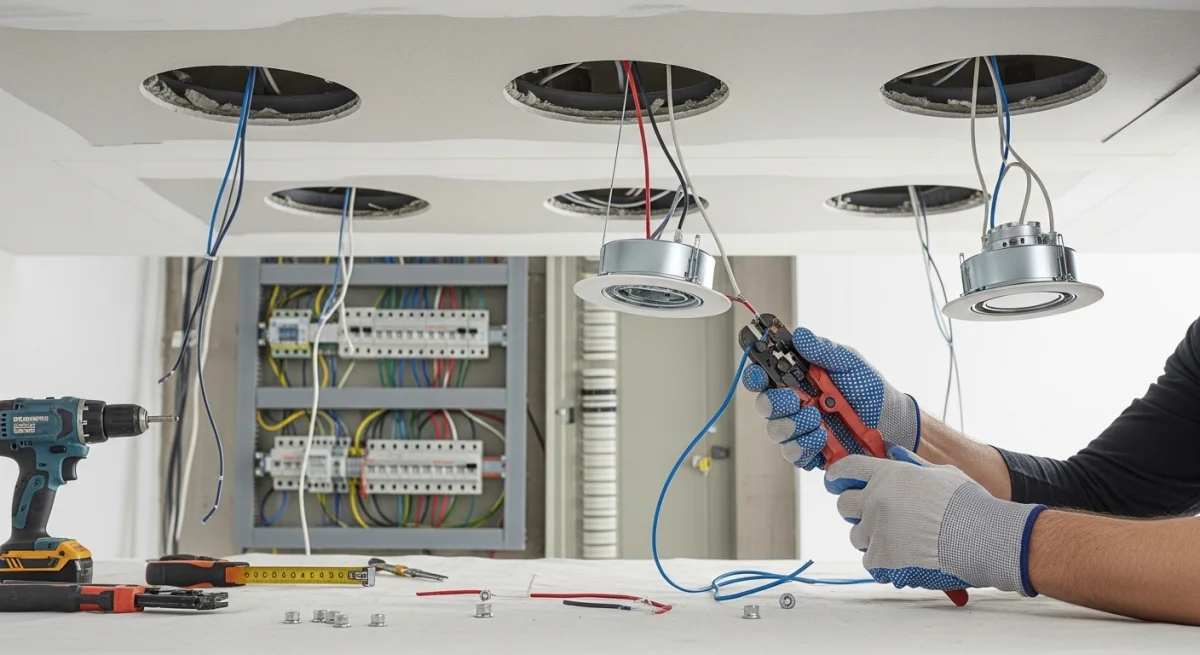
Fishing wire through existing finished walls — where an electrician drills small entry and exit holes and threads new cable through the wall cavity without opening it — runs $250–$800 per individual wire run, plus labour for patching and painting the access holes. This is the standard approach for TV wall mounts, new pot light circuits, or adding an outlet in a finished room. The price range is wide because older homes in North York, Mississauga, or Markham often have fire blocking in the wall cavities that requires extra drilling and careful routing.
Full open-wall installation — cutting sections of drywall, stapling cable along studs, then patching and finishing — costs $800–$2,500 per room for the combined electrical and drywall work. This is typical when multiple circuits are being added, when existing knob-and-tube wiring is being replaced, or when a renovation is already opening walls for other reasons such as insulation or plumbing.
Need professional renovation?
Call RenoHouse at 289-212-2345 or get a free estimate today.
Get Free Estimate →| Method | Typical GTA Cost (2026) | Drywall Repair Needed | ESA Permit Required |
|---|---|---|---|
| Surface raceway, no new circuit | $150–$500/room | No | No |
| Surface raceway with new circuit | $300–$700/room | No | Yes |
| Wire fishing through finished wall | $250–$800/run | Minor fill and paint | Yes |
| Open-wall installation | $800–$2,500/room | Yes | Yes |
| Full room rewire (knob-and-tube removal) | $2,500–$7,000 | Yes | Yes |
Labour in the GTA for a licensed ESA-certified electrician runs $90–$140/hour in 2026. Toronto, Vaughan, and Oakville tend to sit at the higher end; Ajax, Whitby, and Clarington generally run a bit lower. Materials — wire, boxes, staples, connectors — typically account for 15–25% of the total job cost.
How the Process Works in Ontario
Step 1: Determine whether a permit is required. In Ontario, the Electrical Safety Authority (ESA) governs all electrical installations. Any new wiring, circuit extension, or added outlet requires an ESA permit regardless of who does the work. Fishing a low-voltage HDMI or ethernet cable does not require a permit, but if you're also adding a line-voltage power outlet behind a wall-mounted TV, that outlet does. Licensed electrical contractors pull permits on your behalf and coordinate the inspection.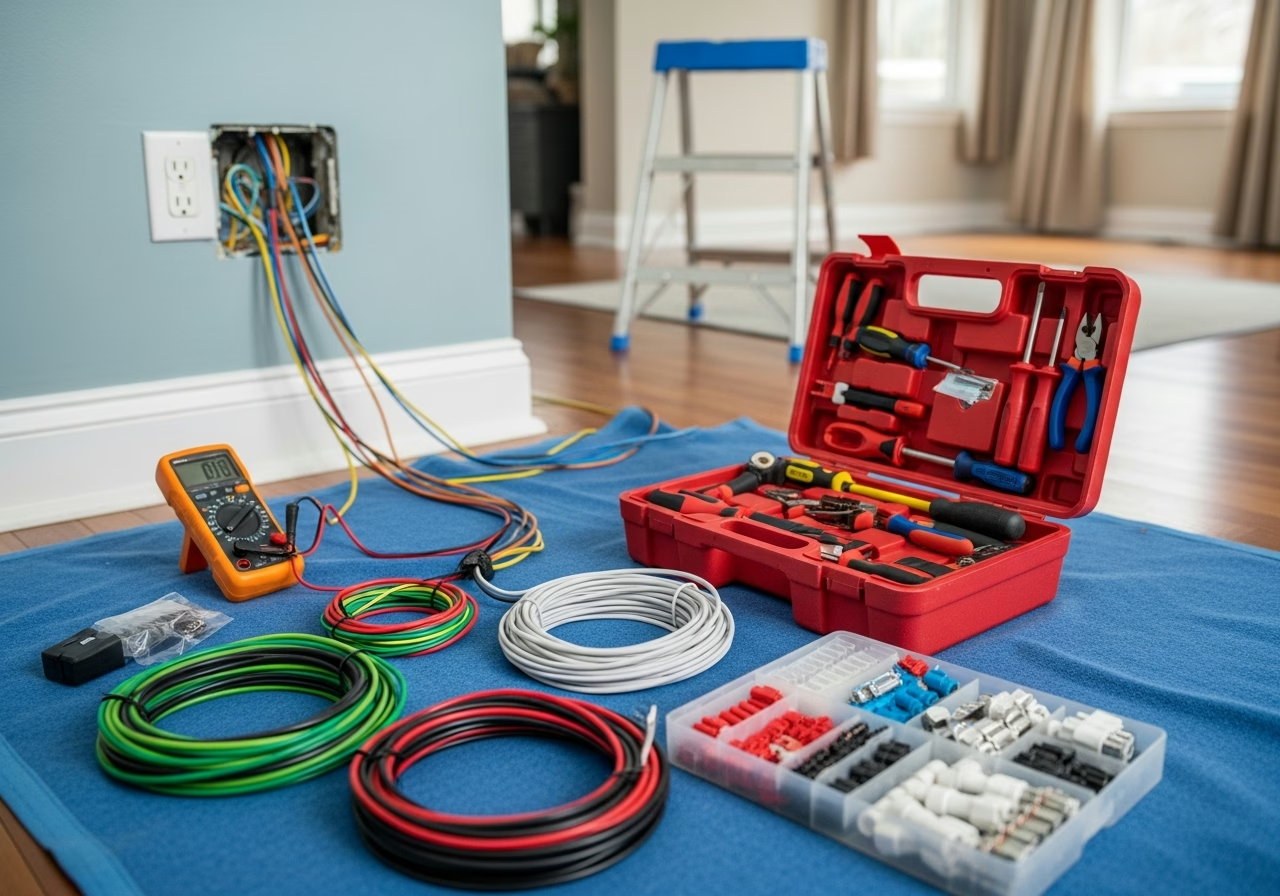
Surface Raceways vs. Wire Fishing vs. Open-Wall: Which Makes Sense
Surface raceways are the right call when budget is the priority, the work is in a utility or workshop space, or the wall construction makes wire fishing impractical. White PVC raceways blend reasonably well in finished spaces; paintable versions are nearly invisible after a coat of trim paint. The trade-off is that the channel remains visible on the wall surface — acceptable in a Caledon workshop or a Scarborough laundry room, but usually not what homeowners in Oakville or King City want in a finished living space.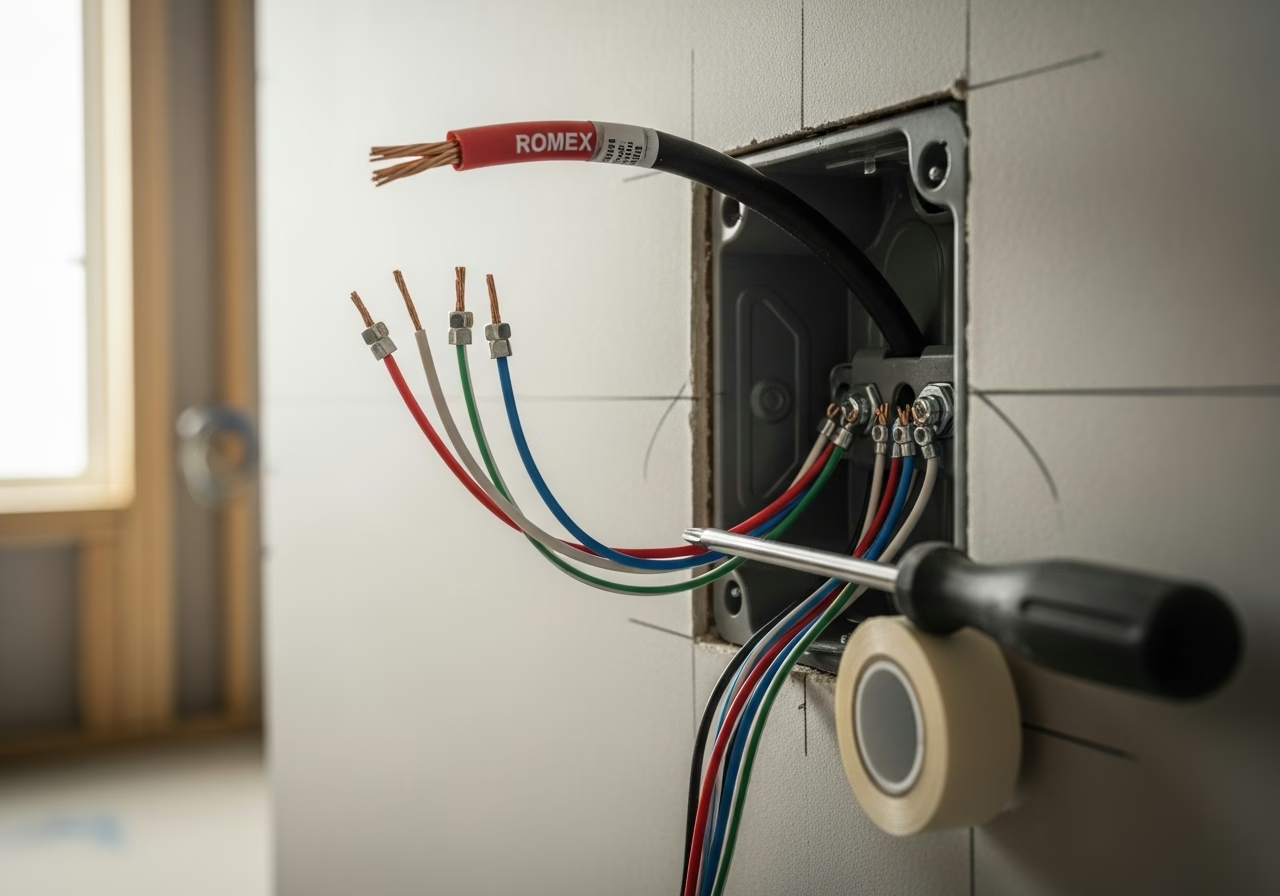
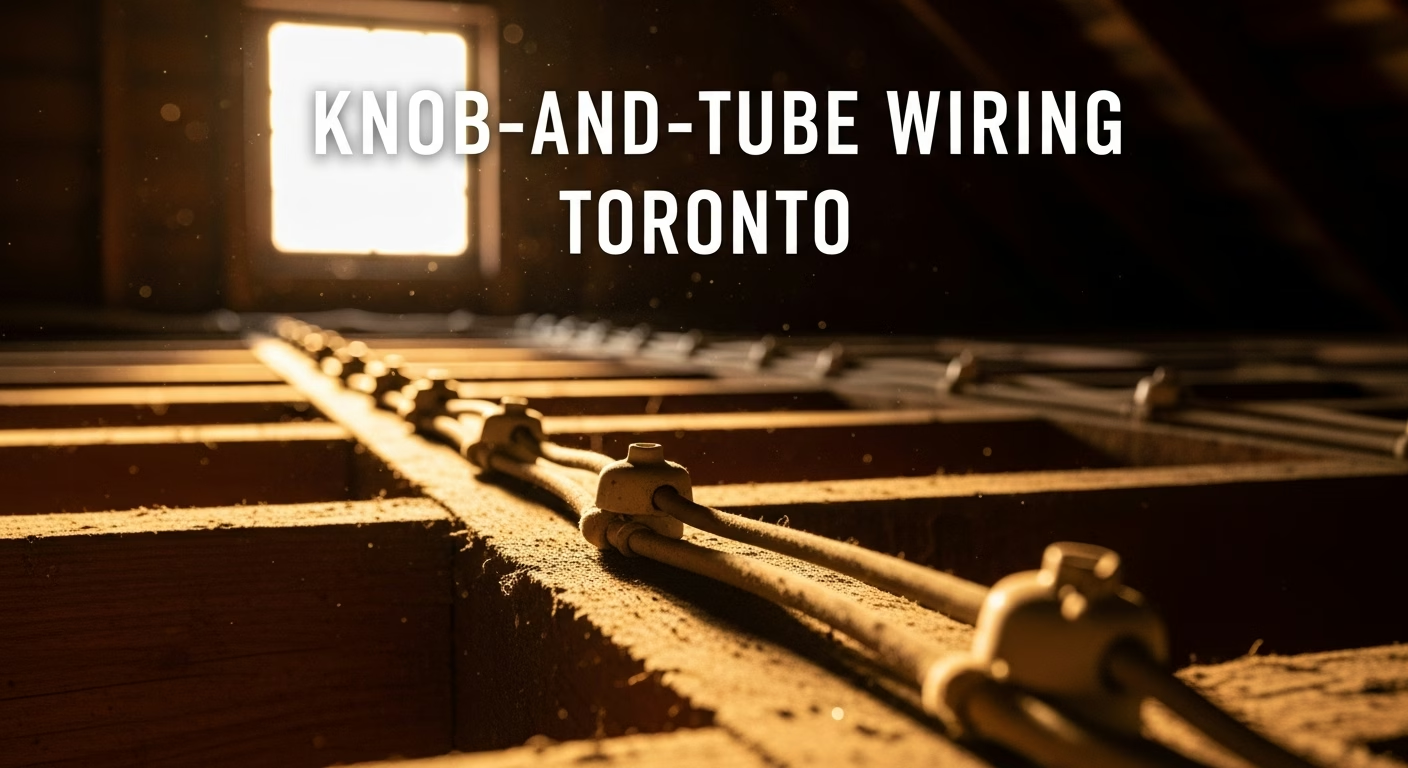
One note specific to Toronto and inner GTA homes built before 1960: active knob-and-tube wiring is still present inside many wall cavities. If an electrician opens a wall and finds live knob-and-tube, Ontario code and most home insurers require it to be removed and replaced before the wall closes. Budget an additional $2,500–$7,000 for circuit replacement if this comes up unexpectedly during what you expected to be a simpler wiring job.
Frequently Asked Questions
Can I conceal wiring in my walls myself in Ontario?
Homeowners in Ontario can perform their own electrical work under the ESA's owner-operator permit, but the installation still requires an ESA inspection before any wall is closed. If the work doesn't pass — wrong wire gauge, missing electrical boxes, cable not properly supported — you'll need to correct it before the inspector returns. Most homeowners find that a licensed electrician handles the permit, the work, and the inspection coordination for a total cost that is hard to beat given the complexity and the consequences of getting it wrong.
Do low-voltage cables like HDMI or ethernet need a permit in Ontario?
Low-voltage cables — HDMI, coax, speaker wire, ethernet — do not require an ESA permit in Ontario as long as no line-voltage (120V or 240V) wiring is being modified. You can legally fish those yourself. However, if you're also adding a power outlet behind a wall-mounted TV, that outlet is line-voltage and requires a permit and inspection. The two jobs are often combined in the same visit; the low-voltage cable is straightforward to run once the wall is already open for the outlet work.
How long does it take to conceal wiring in a finished wall?
A single wire run — fishing cable from an existing outlet to a new location across one wall — takes a licensed electrician 1–3 hours, including drilling access holes and patching. A full room rewire with open-wall work runs 1–2 days depending on room size and circuit count. ESA inspection scheduling in the GTA currently adds 3–7 business days to the overall timeline; factor this in if the wall needs to be closed by a specific date on a renovation schedule.
Will unpermitted wiring concealment cause problems at resale?
Yes, consistently. Toronto and Mississauga real estate lawyers and home inspectors identify unpermitted electrical work during resale transactions on a routine basis. Sellers are required to disclose known defects, and buyers' inspectors flag missing ESA permits, mismatched wire gauges, and improperly installed boxes. Remediation costs come out of sale proceeds, and some insurers decline coverage on homes with unpermitted electrical. Permitted work shows up in records as inspected and approved — a straightforward positive for buyers reviewing a property.
Need a Quote in the GTA?
Renohouse serves Toronto, Etobicoke, Mississauga, Vaughan, Markham, Oakville, Brampton, Scarborough, and surrounding GTA communities with licensed, ESA-certified electrical work. If you're planning to conceal wiring — a TV wall mount, a basement finishing project, a full room rewire, or anything in between — call 289-212-2345 or request a free quote online. With 12+ years of GTA renovation experience and a 4.9-star rating across 498 reviews, the team can assess your wall type, permit requirements, and the most cost-effective approach before any work begins.