RenoHouse

What Small Basement Decorating Costs in the GTA (2026)
Most homeowners across Toronto, Mississauga, Brampton, and Etobicoke want to know whether they can transform a cramped basement without a five-figure bill. The answer depends on what is already there. A drywalled, carpeted basement with functional but dated finishes can be refreshed cosmetically for $6,000–$18,000. If you are starting from concrete walls and a bare ceiling, you are looking at a full finishing project — typically $40,000–$65,000 for a space under 700 square feet in the GTA.
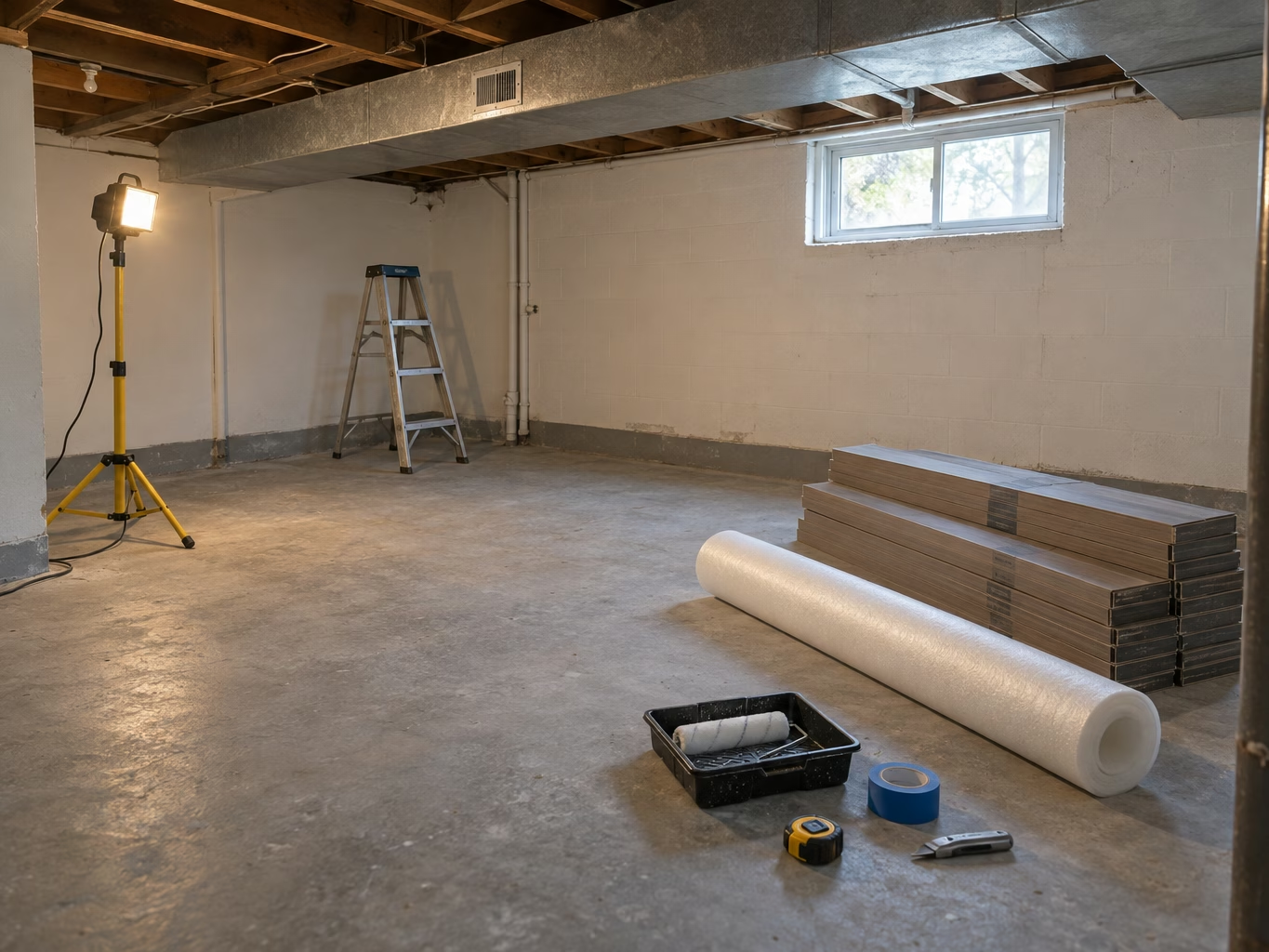
The biggest cost drivers in a decorating-only scope are flooring and lighting. Replacing tired broadloom with luxury vinyl plank (LVP) costs $4–$9 per square foot installed, or roughly $2,400–$5,400 for a 600-sq-ft basement. Adding six to eight pot lights costs $150–$250 per pot installed, including the wiring run back to the panel — a job that requires an ESA-certified electrician in Ontario. Structural changes like moving walls or lowering the floor are a different category of work and fall under a building permit through Toronto Building or your local municipal office.
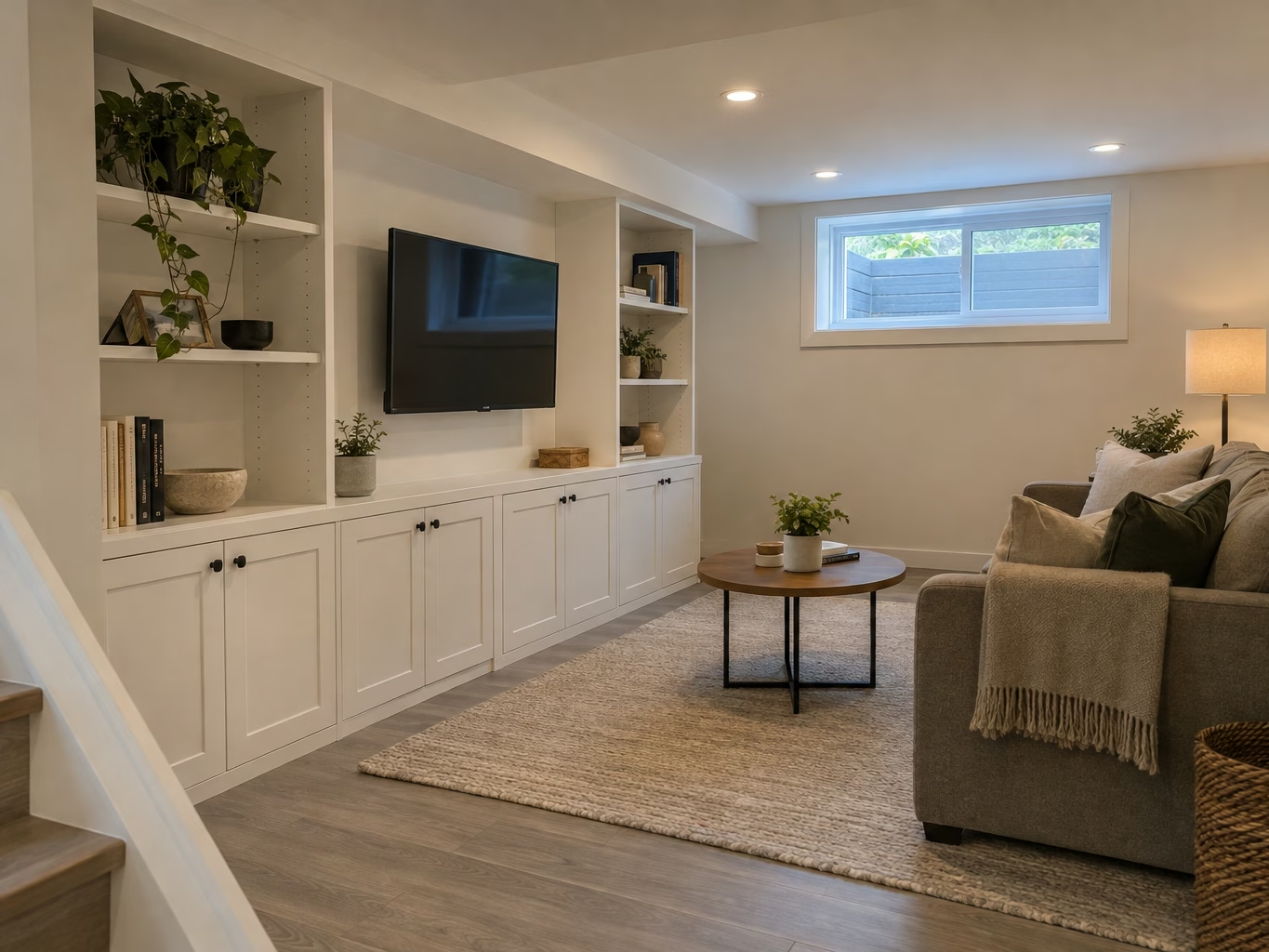
Paint is the lowest-cost lever in any small basement. Expect to pay $800–$2,000 for a professional paint job on a 600-sq-ft finished basement, including trim. Built-in storage — wall-to-wall shelving or a custom cabinetry run — ranges from $1,500 for basic MDF shelving to $8,000 or more for custom millwork. Ceiling treatments like stretch ceilings or exposed-and-painted joists fall in the $1,500–$5,000 range depending on the approach.
| Decorating Item | Typical GTA Cost (2026) | Notes |
|---|---|---|
| LVP or laminate flooring (installed) | $4–$9/sq ft | Waterproof LVP recommended for basements |
| Carpet tiles (installed) | $3–$6/sq ft | Easier to replace if moisture issues appear |
| Professional paint — walls and trim | $800–$2,000 | 600 sq ft finished basement |
| Pot lights (installed, per fixture) | $150–$250 | ESA permit required in Ontario |
| LED strip lighting (accent) | $300–$900 | Lower cost, DIY-friendly |
| Built-in shelving (MDF, basic) | $1,500–$3,500 | Varies by linear footage |
| Custom millwork / built-ins | $4,000–$8,000+ | Higher-end, carpenter-built |
| Stretch ceiling (installed) | $2,500–$6,000 | Hides mechanical, adds a clean look |
| Full cosmetic refresh (all of the above) | $6,000–$18,000 | Finished basement, no structural work |
Labour rates in Vaughan, Richmond Hill, and North York tend to run 5–10% higher than in Scarborough or Ajax, mostly reflecting local demand. If you are in Oakville or Markham, expect similar premiums.
Need professional renovation?
Call RenoHouse at 1-289-212-2345 or get a free estimate today.
Get Free Estimate →Practical Decorating Ideas for a Small Toronto Basement
The following approaches work specifically for the low-ceiling, narrow, often dark basements common in Toronto's semi-detached and detached housing stock built between the 1950s and 1990s.
Decorating Approaches Compared: Light vs. Dark, DIY vs. Trade
Light palette vs. dark palette. Dark feature walls have become popular in basement media rooms and home bars, and they can work when lighting is properly planned. The risk in a small basement is that dark surfaces absorb light and compress the space visually. If you want contrast, limit dark colour to one accent wall behind a TV or bar and keep the remaining walls and ceiling light.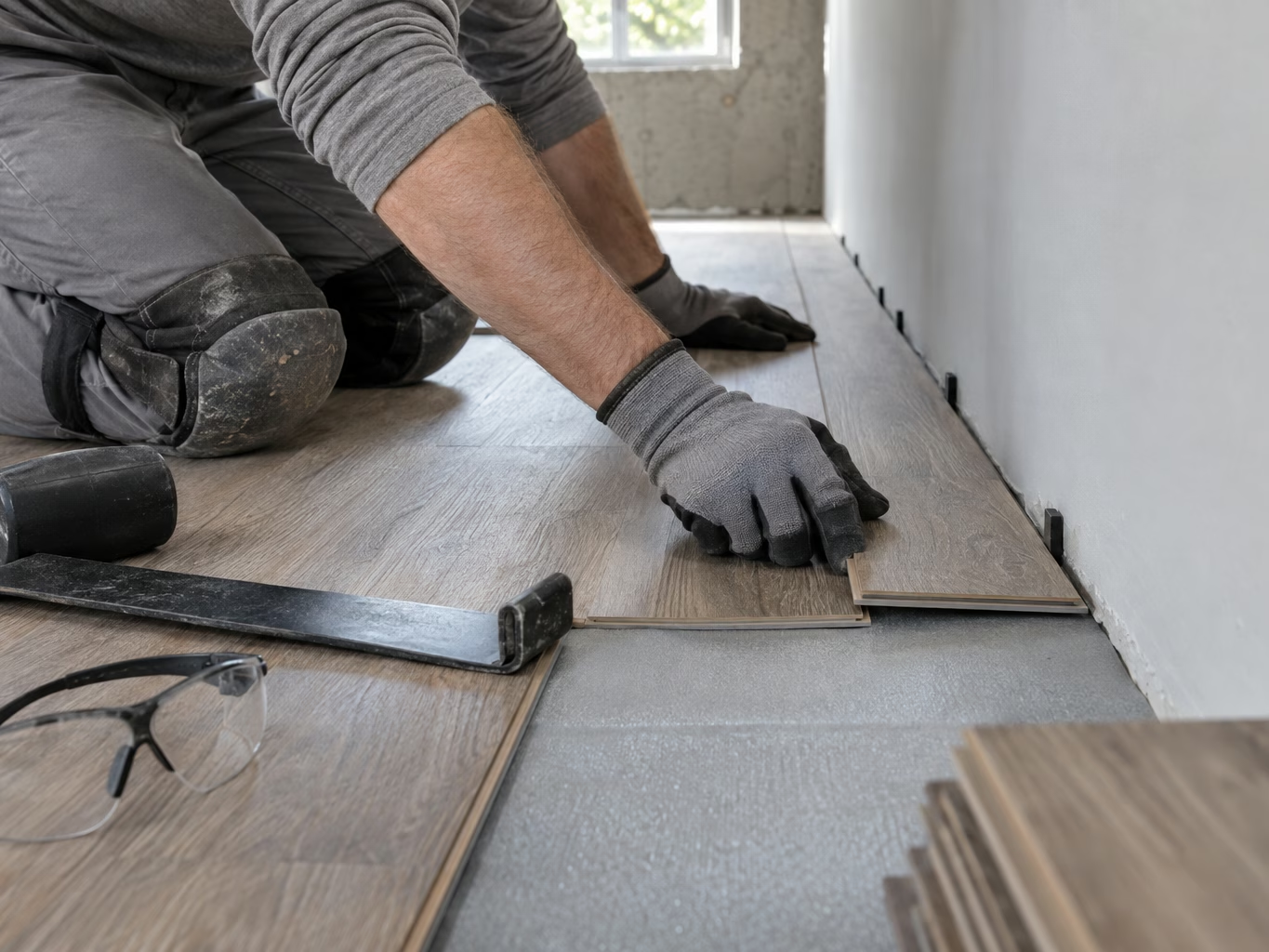
Frequently Asked Questions
Do I need a permit to decorate my basement in Toronto?
Purely cosmetic changes — painting, replacing flooring, swapping light fixtures on existing circuits — do not require a permit in Toronto. Electrical work that adds new circuits, installs pot lights where wiring did not previously exist, or upgrades the panel does require an ESA electrical permit regardless of who performs the work. Structural changes like removing walls or adding egress windows require a building permit through Toronto Building.
What flooring works best in a small Toronto basement?
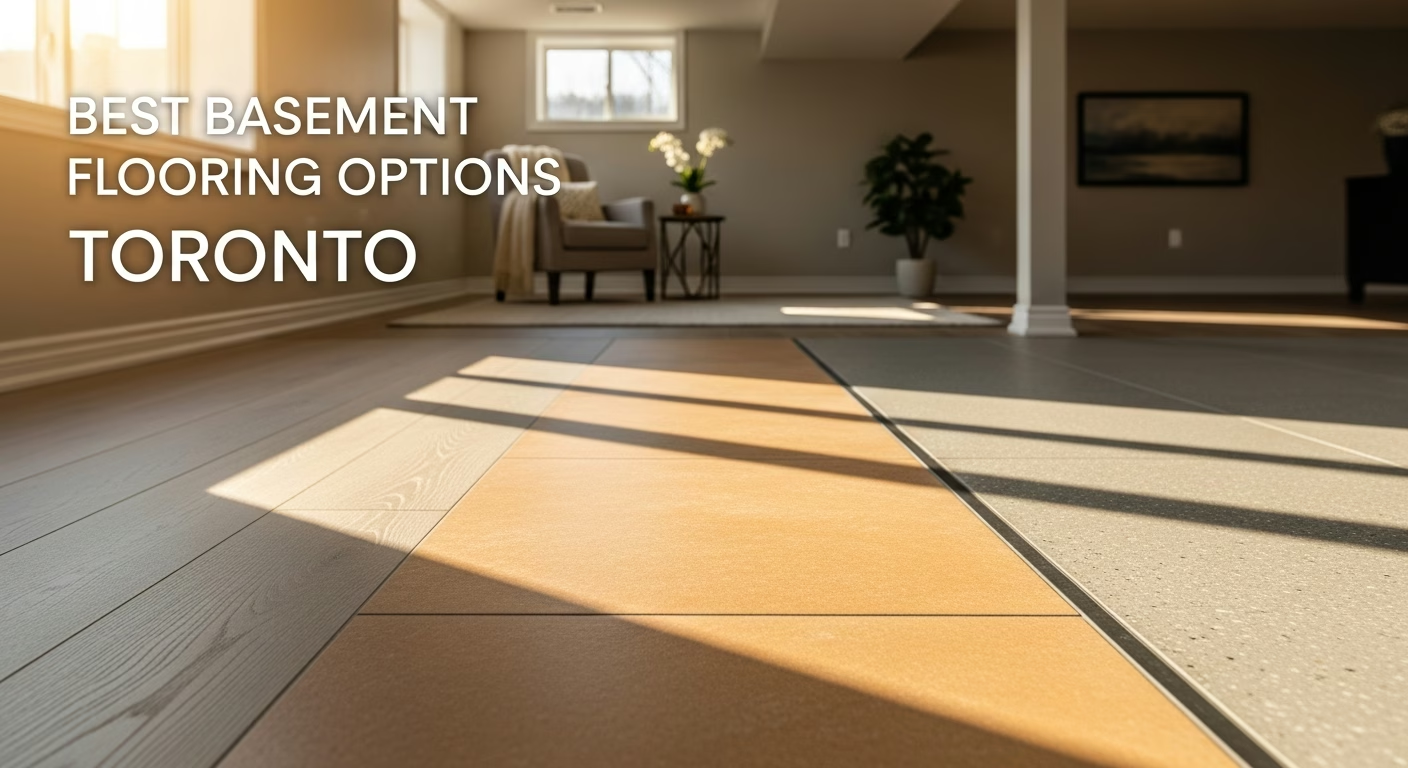
Luxury vinyl plank is the most practical choice for most Toronto basements: waterproof, durable, and available in wide-plank formats that visually expand small rooms. Engineered hardwood works in consistently dry, heated basements but is a higher-risk choice. Avoid solid hardwood below grade — it will cup and buckle with seasonal humidity changes. Carpet tiles are a reasonable alternative where acoustic comfort matters more than water resistance, provided there is no history of moisture intrusion.
How do I make a 7-foot basement ceiling feel higher?
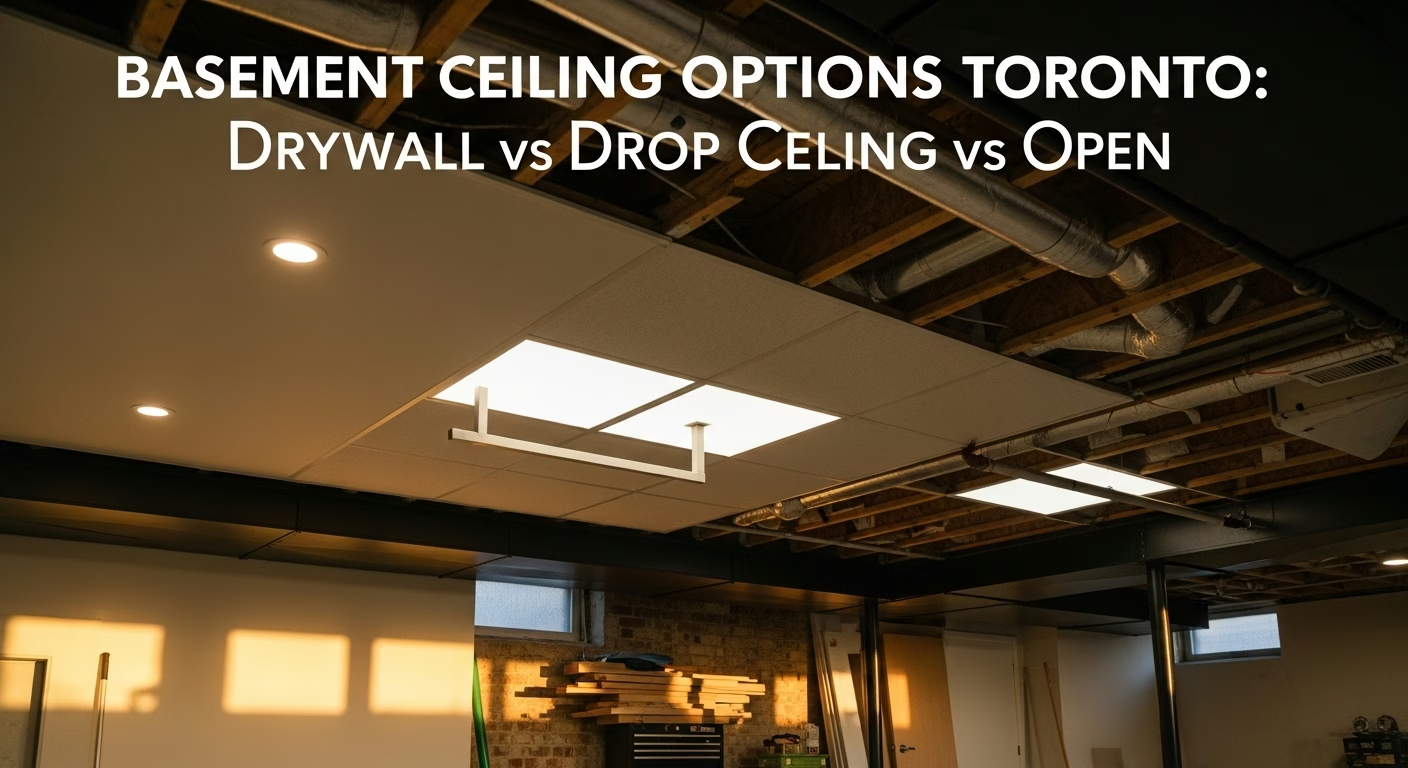
The most effective techniques: paint the ceiling the same colour as the walls to remove the visual boundary; install recessed pot lights rather than surface-mount fixtures that hang down; use floor-to-ceiling built-ins to draw the eye vertically; keep furniture profiles low. Avoid drop ceilings where height is already 7 feet or under — acoustic tiles bring the visual plane down to 6.5 feet or less, making the room feel cramped regardless of what else you do.
What is the cheapest way to transform a finished basement?
Paint delivers the highest return per dollar: a full repaint including trim and ceiling costs $800–$2,000 professionally done and changes the character of the space completely. Second is lighting — replacing fluorescent tubes with dimmable recessed pot lights costs $1,200–$2,500 for a small basement and has an outsized effect on livability at different times of day. Neither requires a structural permit, and both can be completed in a short project window without disrupting the rest of the house.
Need a Quote in the GTA?
If you are planning a basement refresh in Toronto, Etobicoke, Mississauga, Vaughan, or anywhere across the GTA, RenoHouse can walk through the space and provide a clear, itemized quote. Call 289-212-2345 or use the free quote form on the site to get started.