 RenoHouse
Egress Window Installation — Toronto GTA OBC 9.9.10 Compliant
Professional egress window installation services in Toronto and the Greater Toronto Area. Licensed, insured, and trusted by homeowners across the GTA.
Projects Completed
Years Experience
Client Satisfaction
Google Rating
How It Works
A simple, stress-free process from start to finish.
Send Your Request
Call or WhatsApp us 24/7. Send photos, video, comments about what needs to be done, and your location.
Remote Estimate
We review everything, discuss details, and provide a clear estimate — often within hours, no visit needed.
Repair Process
Our licensed team arrives on the agreed date and completes your egress window installation to the highest standards.
Handover & Warranty
Final walkthrough with you, full cleanup, and warranty documentation provided.
Send Your Request
Call or WhatsApp us 24/7. Send photos, video, and a description of the work + your location.
Remote Estimate
We review everything, clarify details, and give you a price — often within hours.
Repair Process
Licensed team arrives on schedule and completes your egress window installation professionally.
Handover & Warranty
Final walkthrough, full cleanup, and warranty documentation.
Egress Window Installation in Toronto GTA
RenoHouse delivers egress window installation and window-well construction for Toronto and GTA homeowners legalizing basement bedrooms, basement apartments, and second suites. The Ontario Building Code section 9.9.10 requires every basement bedroom and every dwelling unit in a basement to have at least one egress window meeting code-defined opening dimensions, accessibility, and window-well sizing. Without a code-compliant egress window, a basement room cannot be legally used as a bedroom, the basement unit cannot pass final occupancy inspection, and an existing illegal basement apartment cannot be brought into compliance. Our scope is general-contractor-led project management: structural engineer (PEng) coordination for foundation cuts, building permit application, certified concrete-cutting subcontractor, certified window installer, window-well excavation and drainage, plumbing and electrical adjustments where required, drywall and finish work, and final inspection.
OBC 9.9.10 requirements explained
The Ontario Building Code requires egress windows in basement bedrooms and basement dwelling units to meet four conditions: (1) Openable area minimum 0.35 square metres (3.77 square feet) — this is the clear opening when the window is fully opened, not the rough-in or the glazing area. (2) Minimum dimension 380mm (15 inches) on either width or height — to allow a fully clothed adult or first-responder with breathing apparatus to pass through. (3) Sill height maximum 1.0 metre (39 inches) above the finished floor — so an occupant can climb out without aid. (4) Openable from the inside without keys, tools, or special knowledge — must be operable in panic conditions. Egress windows are required for every basement bedroom (not just one per floor) and for the principal exit of any basement dwelling unit when the dwelling unit door does not open directly to outside grade. Window wells must provide minimum 760mm (30 inches) clearance from the foundation wall and must drain to a sump or weeping tile.
When you need an egress window
(1) Legal basement bedroom — adding a second or third bedroom to a basement. (2) Legal basement apartment / secondary suite — Toronto's 2018 secondary suite framework requires OBC compliance, including egress. (3) Multiplex conversion under Bylaw 474-2023 — every bedroom in every unit needs egress per OBC. (4) ARU / garden suite below-grade portion — egress required for any basement bedroom. (5) Bringing an existing illegal suite into compliance — egress is the single most common deficiency that triggers a permit application. (6) Re-listing or re-financing where the basement bedroom is being marketed but the window doesn't comply — appraisers and home inspectors flag.
Construction process
Step 1: Site assessment and structural review — RenoHouse coordinates a structural engineer (Glogowski, Cunningham, BGE, or similar PEng firm) to assess the foundation wall, calculate the cut, design the steel lintel, and stamp the building permit drawings. Step 2: Building permit — RenoHouse pulls the permit; permit drawings include the structural lintel detail, the new window opening, the window-well sizing, and the drainage detail. Step 3: Window-well excavation — typically 760mm minimum clear from foundation, 1500mm minimum length, depth to bottom of window plus 200mm gravel sump. Step 4: Concrete cutting — certified diamond-cutting subcontractor (Hard Rock Cutting, City Diamond, AAA Concrete Cutting) for poured-concrete or block-foundation cuts. Cut creates the rough opening. Step 5: Steel lintel installation — angle-iron or HSS section per the engineer's drawing, supported on each side by load-bearing material. Step 6: Window installation — basement-grade casement or slider window, vinyl or fibreglass frame, low-E double-pane glazing, screen and lock. Step 7: Window well — galvanized steel or polyethylene window-well liner, gravel base, drainage tied to weeping tile or sump. Hinged code-compliant cover (760mm clear at minimum). Step 8: Plumbing and electrical adjustments — if existing services run through the cut zone, reroute. Step 9: Drywall and finish — repair interior wall, paint, baseboard. Step 10: Final inspection and occupancy.
Project value
Standard egress window installation in poured-concrete foundation, mid-size window (~36"x48"): $3,500–$6,000. Block foundation or stone foundation: +$1,000–$2,500 for cutting complexity. Larger window or window-well: +$500–$1,500. Coordinated with bedroom or basement-bedroom finish: +$1,500–$4,000 for the bedroom itself. Multi-window install (e.g., 2-bedroom basement apartment, 3 egress windows total — primary unit egress, bedroom 1, bedroom 2): $9,000–$18,000. Plumbing relocation if existing service runs through cut zone: +$800–$2,500. Electrical relocation (e.g., basement window above outlet circuit): +$400–$900. PEng structural engineering fee (typical Toronto firm): $1,200–$2,500 included in the project price.
Honest scope and coordination
RenoHouse holds a renovation general-contractor license and coordinates the regulated trades. Required licensed parties: (1) PEng structural engineer (RenoHouse coordinates Glogowski, Cunningham, BGE) — designs the lintel and stamps the permit. (2) Certified diamond-cutting subcontractor — performs the foundation cut. (3) Certified window installer — RenoHouse self-performs basement-grade window installs. (4) Master Electrician (RenoHouse partner with ECRA/ESA license) — for any 120V work in the cut zone. (5) Master Plumber — for any plumbing adjustments. (6) Toronto Building inspector — final occupancy inspection. RenoHouse signs the construction contract, pulls the permit, manages the schedule, and delivers a single point of contact. We do NOT design the structural lintel or sign the PEng drawings — that is the structural engineer's role.
Common Toronto scenarios
(1) Pre-purchase legalization — buyer wants a basement apartment for income; appraiser confirms the unit is illegal (no egress); RenoHouse adds 2–3 egress windows during conditional period. (2) Multiplex conversion — semi-detached owner adds 4 egress windows during a 4-unit conversion. (3) Family bedroom — homeowner finishing a basement wants a legal third bedroom; egress + closet + door = legal bedroom for MLS. (4) Re-financing — appraiser flags illegal basement bedroom; egress retrofit + permit + final inspection = re-appraisal at higher value. (5) Secondary-suite registration — Toronto's voluntary secondary-suite registration requires OBC compliance, including egress.
Pairing with other work
Egress pairs with: basement-finishing (do egress during framing, not after), multiplex-conversion (egress is part of the conversion permit), basement-underpinning (egress drainage ties into the new weeping-tile system), basement-waterproofing (window-well drainage is part of waterproofing detail), garden-suite (below-grade portions need egress).
Serving Toronto, Mississauga, Brampton, Vaughan, Markham, Richmond Hill, Oakville, Burlington, Etobicoke, Scarborough, North York, and all GTA communities. Call 289-212-2345 for a free egress-window consultation.

An egress window installation is the most regulated single component in a Toronto basement renovation. If the basement is being converted into a legal secondary suite, an additional bedroom, or any habitable space below grade, Ontario Building Code Section 9.9.10 mandates a minimum egress window in every bedroom and sleeping area. The window must provide an unobstructed open area of 0.35 square metres minimum, with a minimum clear dimension of 380 millimetres in any direction, and a maximum sill height of 1.5 metres above the finished floor. A regular slider with a tight 24-by-36-inch opening does not satisfy this — it is one of the most common code-compliance failures in older Toronto basement renovations.
At RenoHouse the 2026 GTA pricing for egress window installation lands at $5,000 to $6,500 for an easy-access poured-concrete cut (existing window enlargement only), $8,500 for a standard cut with new window well and proper drainage, and $12,000 to $14,000 for a complex install requiring P.Eng. underpinning review, clay-soil shoring, or heritage masonry restoration.
What's involved in a code-compliant egress window installation
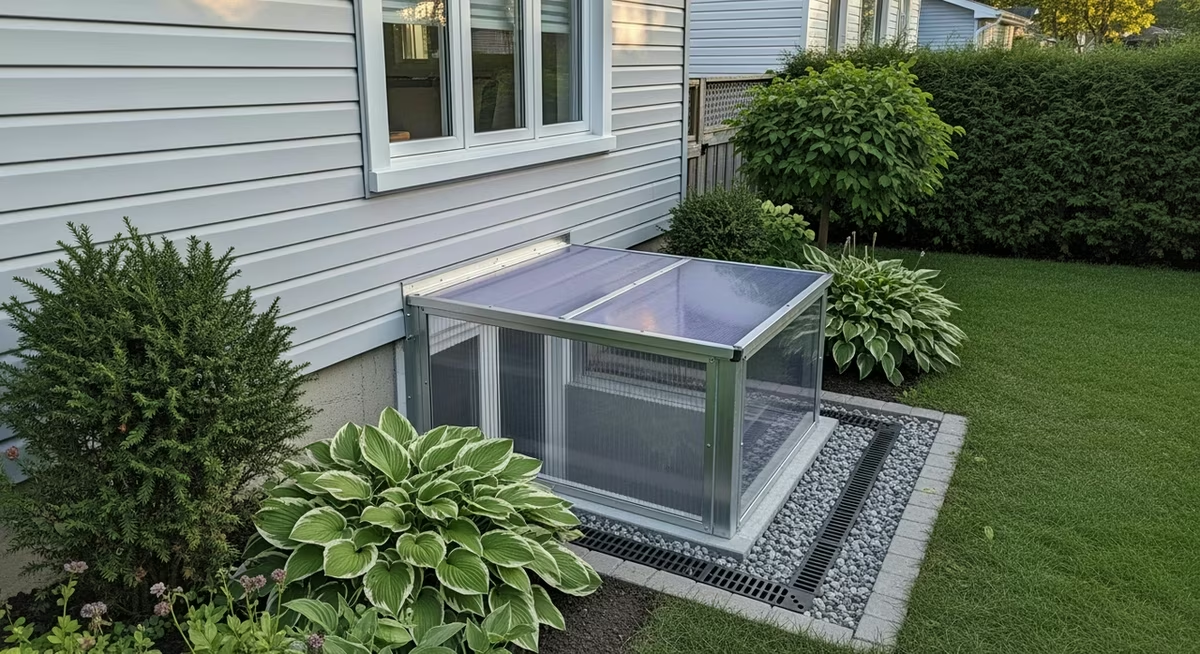
A standard mid-tier egress window installation at RenoHouse runs through the following sequence: site inspection and feasibility review (including a check of the foundation type — poured concrete versus concrete-block versus rubble-stone, since each material has materially different cut difficulty and structural risk), application for a Toronto Chapter 363 building permit with P.Eng. seal on the structural design where the cut exceeds the lintel-tolerance for the wall thickness, MOL Reg 278/05 DSS check for any asbestos-containing materials around the work zone, layout and marking of the new opening, installation of temporary shoring on the inside of the wall to support the load above the cut (this is critical and is the most commonly skipped step on amateur installs), saw-cutting of the foundation wall with a wet diamond-blade circular saw with dust extraction, removal of the cut concrete block in chunks via dolly through the basement exit, installation of a new pressure-treated wood or steel lintel sized per the P.Eng. design, installation of waterproofing membrane (typically Blueskin SA or Henry 925) lapping over the lintel and onto the foundation wall, exterior excavation for the new window well, installation of a new pressure-treated wood or galvanised steel window well (with the steel-tread Bilco-style being our 2026 default), gravel fill in the well for drainage, connection of the well drainage to the home's weeping tile per OBC 9.14, installation of the new casement or slider window (sized to deliver the OBC 0.35 square metre open area at minimum), interior finishing of the rough opening, exterior caulking and trim, and a polycarbonate cover for the well to prevent leaf and snow accumulation.
The window itself is almost always a casement or hopper style, since these geometries deliver the full glazed area as open area more easily than slider styles. The window must include a safety-bar handle and must be operable from the inside without keys or tools per OBC 9.9.10.4.
Permits, OBC compliance, and inspection requirements
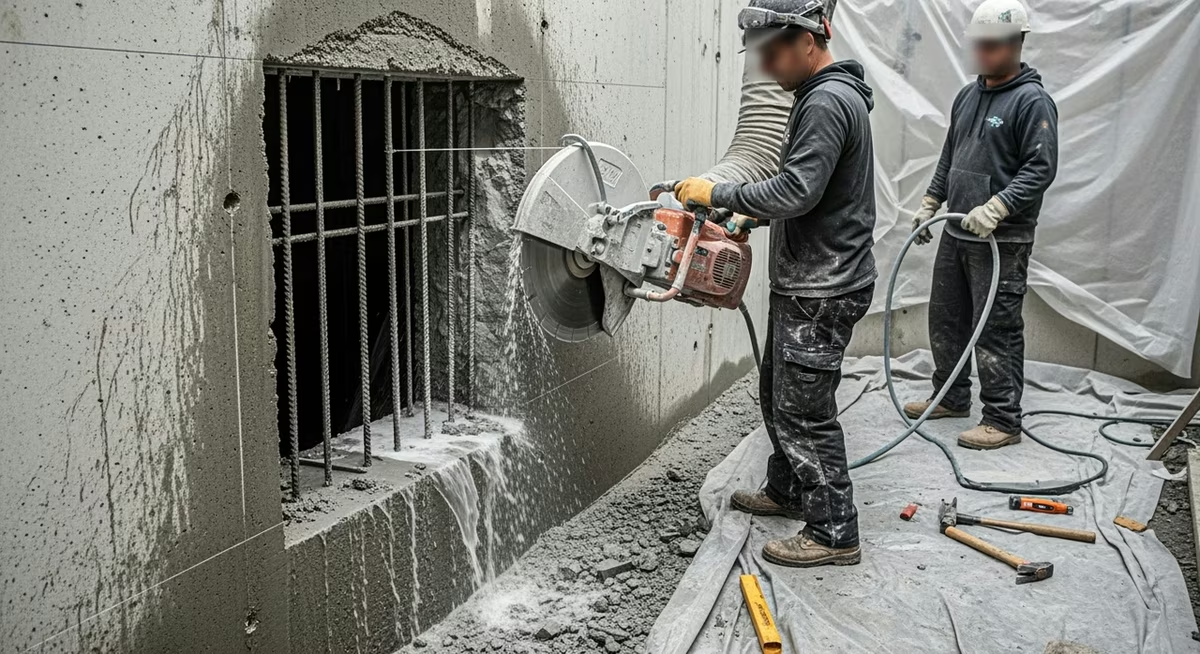
A Toronto Chapter 363 building permit is required for any egress window installation. The application package includes the architectural drawing showing the new opening, a structural drawing sealed by a P.Eng. when the foundation cut exceeds the load-tolerance for the existing wall, a site plan showing the window well location and drainage path, and the permit application form. Most Toronto applications are reviewed in four to six weeks.
OBC Section 9.9.10 is the controlling provision. The window must provide:
- Minimum 0.35 square metres of unobstructed open area
- Minimum 380 millimetres of clear dimension in any direction
- Maximum 1.5 metres sill height from finished floor
- Operable from the inside without tools or keys
- Unobstructed access path within the well
OBC Section 9.14 governs foundation drainage and is critical for window well installations. The well drainage must connect to the home's existing weeping tile, or to a dedicated sump where weeping tile is not present.
Inspections happen at structural framing (after the lintel is in place and the cut is finished), waterproofing and well drainage, and final after window install and exterior trim.
Cost factors, foundation type, and what drives premium pricing
The biggest cost drivers on a Toronto egress window are foundation material (poured concrete is the easiest cut, concrete block is mid, rubble-stone or heritage masonry is the most expensive), wall thickness, soil type (clay is harder to excavate than sand), depth below grade (deeper cuts require taller window wells and more drainage work), heritage status (Heritage Conservation District homes require Heritage Permit review under OHA Section 41/42, which adds 8 to 16 weeks and frequently dictates the window style and trim), and the number of egress windows in scope. A standard $5,000 to $6,500 install is a poured-concrete cut at standard depth with a modest well. A $14,000 install is a heritage masonry cut, with custom shoring, P.Eng. field review, and a stone-clad window well.
Why RenoHouse installs egress windows across the GTA
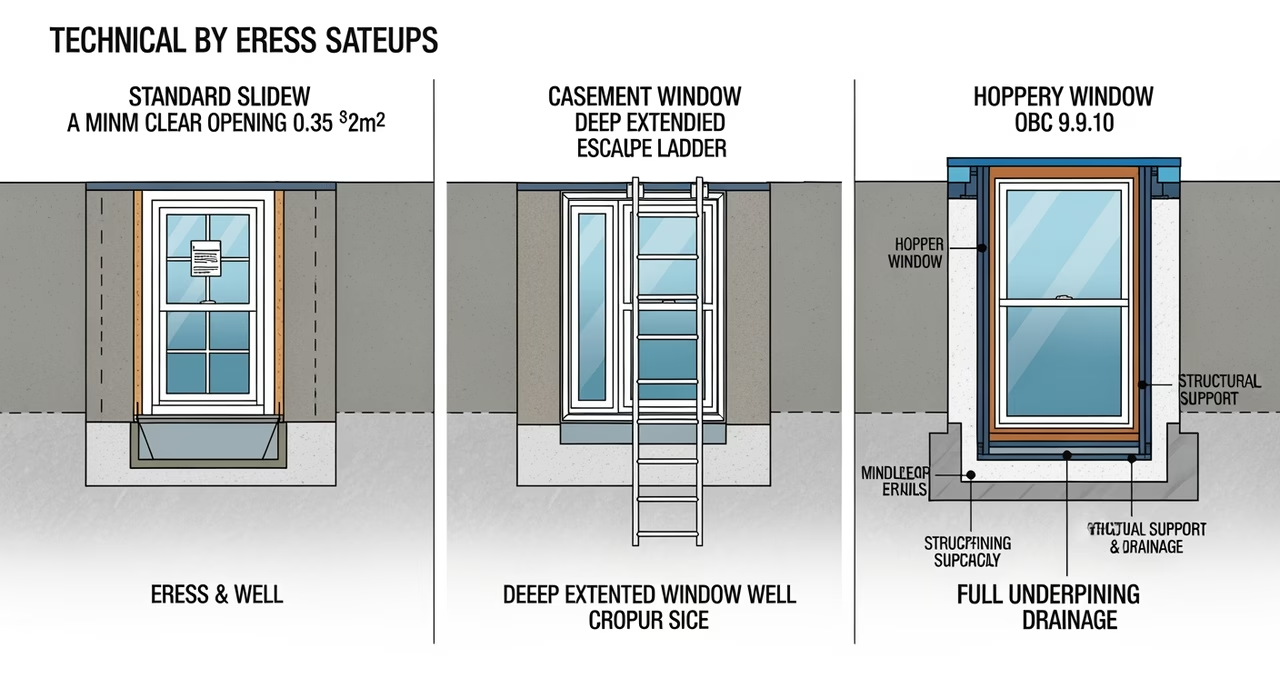
We have installed egress windows in Toronto (Cabbagetown, Riverdale, Annex, Forest Hill, Junction, Bloor West, Leaside, Lawrence Park, North York, Etobicoke, Scarborough), Mississauga, Vaughan, Markham, Richmond Hill, Oakville, Burlington, Aurora, King City, Caledon, and Brampton. Every project carries a $5 million liability policy, full WSIB coverage, a fixed-price written scope, P.Eng. structural review where the cut warrants it, manufacturer warranties on the window itself and the well (typically Bilco), and a two-year workmanship warranty on the cut, lintel install, waterproofing, and well drainage.
Our typical timeline runs two days for a clean poured-concrete cut with prefab well, three to five days for a standard install including waterproofing and drainage, and five to seven days for a complex heritage or underpinning scope. Call 289-212-2345 to schedule an on-site assessment and fixed-price written scope.
Toronto/GTA neighborhood considerations
- Forest Hill / Rosedale / Lawrence Park (heritage): Pre-war stone or double-brick foundation cut — wet-cut diamond-blade Stihl TS500i with vacuum extraction, structural lintel L3x3x1/4 angle iron + 8-inch-bearing block course rebuild. Typical $6.5K-$12K with engineering letter on bearing wall + permit.
- North York / Scarborough / Etobicoke (60s-70s): 1960s 8-inch poured-concrete foundation cut — straightforward diamond-saw cut, pre-cast concrete buck OR pressure-treated 2x10 buck, weeping-tile re-tie at sill drain. Typical scope $4.2K-$6.8K including OBC 9.9.10.1 compliant 0.35 sq m clear-opening Strassburger or PlyGem window.
- Mississauga / Brampton / Vaughan (90s+): 90s subdivision typically already-egress-compliant in finished basement; scope at unfinished retrofit is straightforward foundation cut + interior framing $3,800-$5,500. Weeping-tile cleanout $480-$680 add at trench reopening.
- Caledon / King City / Aurora (rural well): Rural lot — exterior window-well excavation generous, but rural overland flood-grading per OBC 9.14.6.1 means well depth at 1.2m minimum below grade with poly-resin Boman/Bilco well + drainage tile to weeping-tile or daylight sump. Typical $5.5K-$9.5K.
- Downtown condos: Almost never applicable — basement suite uncommon in high-rise. Townhome rear/side egress retrofit possible $4.5K-$7.8K but condo board approval per Section 98 alteration agreement mandatory.
Permit + license: OBC 9.9.10 Section 9.9.10.1 (egress) — clear opening 0.35 sq m minimum, no dim less than 380mm, sill height max 1.5m above floor. OBC 9.15.4 foundation cut requires engineering. Toronto Building Permit + structural review. WSIB + Working-at-Heights + Confined-Space (Reg 632/05) on basement cut.
The RenoHouse Difference
11+ Years Experience
Over a decade of expertise in egress window installation. We've seen it all and know how to handle any challenge.
Warranty Protected
All work comes with comprehensive warranty coverage. We stand behind our craftsmanship and use quality materials that last.
Competitive Rates
Fair pricing on egress window installation without compromising quality. We match or beat competitor quotes.
Sound Familiar?
These are the most common problems our clients face.
Need a legal basement bedroom but the existing window doesn't meet OBC 9.9.10?
Bringing an illegal basement apartment into compliance for second-suite registration?
Multiplex conversion under Bylaw 474-2023 needs egress in every unit's bedrooms?
Appraiser flagged the basement bedroom as illegal — re-financing on hold?
Confused about the 0.35 m² openable area, 380mm minimum, and 1.0m sill rules?
Need PEng structural drawings and a building permit for the foundation cut?
Ready to get started?
Free estimate, no obligation. We respond within 1 hour.
What Our Clients Say
“RenoHouse replaced all our windows in just two days. The new windows are beautiful, energy-efficient, and the team left everything spotless. Highly recommend!”

Michael R.
Oakville
“New windows transformed our home. Quieter, warmer, and our energy bill dropped noticeably. Excellent installation crew.”

David K.
Vaughan
“Professional from start to finish. They replaced 8 windows in one day and cleaned up perfectly. Highly recommend RenoHouse!”

Sandra W.
Burlington
Our Egress Window Installation Work
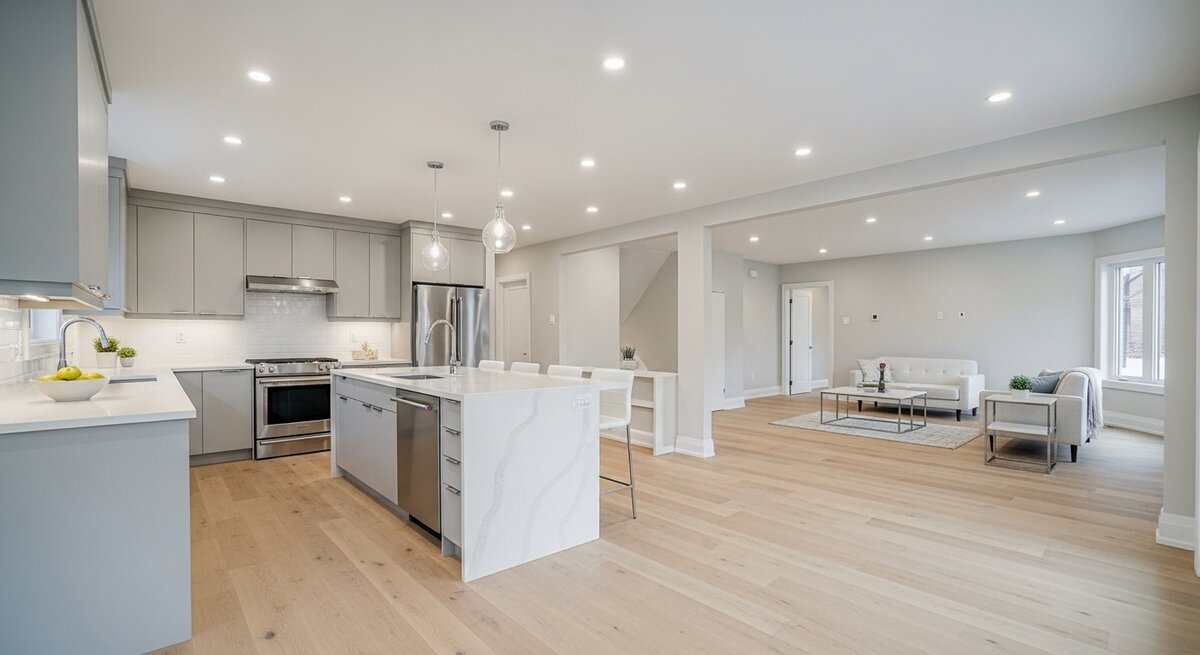
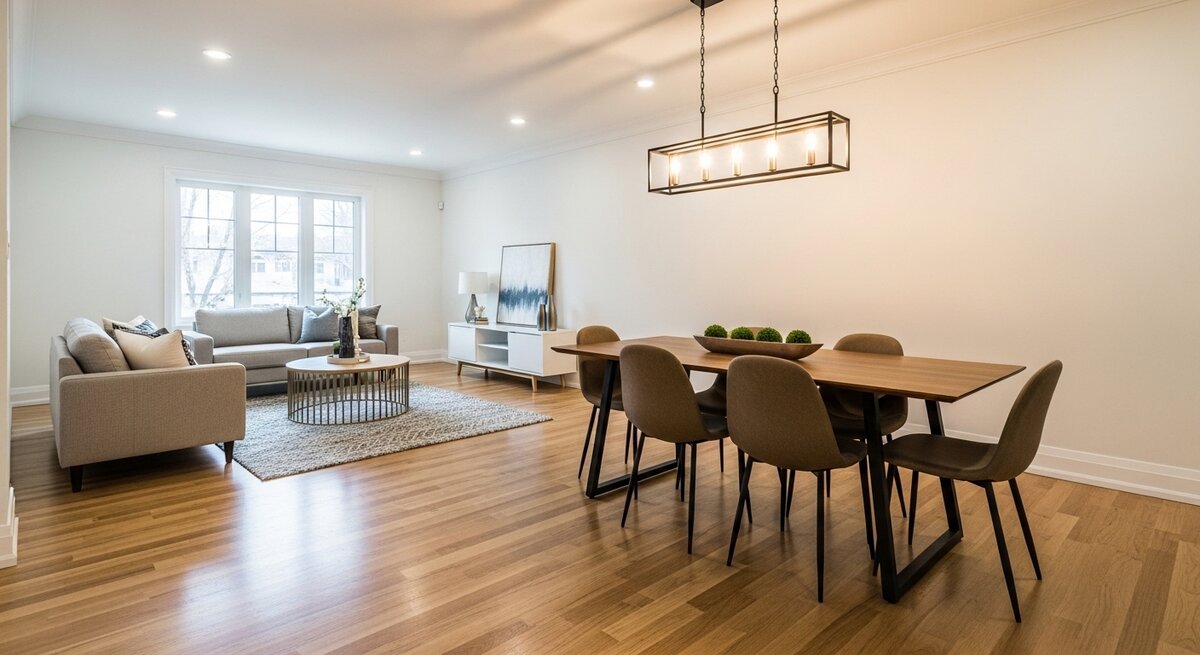
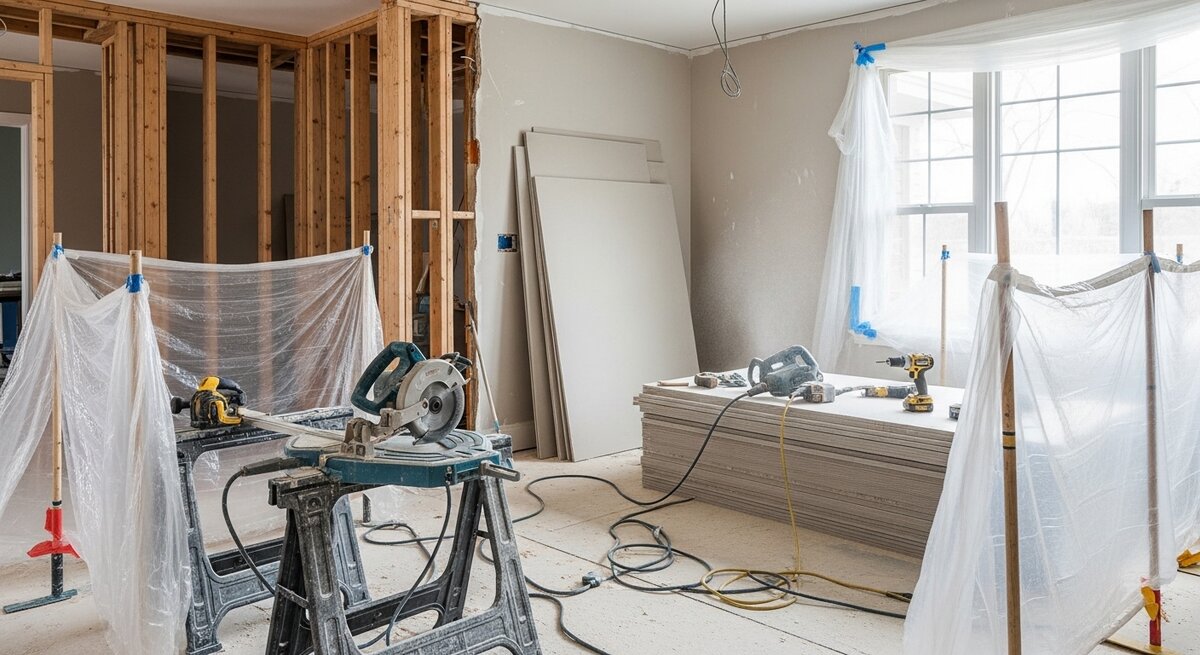
Professional egress window installation results from RenoHouse projects across the Toronto GTA.
Egress Window Installation
Toronto GTA
Quality Workmanship
Licensed & Insured
Like what you see? Let's talk about your project.
🧮 Egress Window Installation — Cost Estimator
GTA / Ontario — 2026 market pricing
⚙️ Add-ons & Options
📊 Where the cost goes (typical breakdown)
📋 What affects your price:
💡 Estimates use 2026 GTA/Ontario market data. Actual cost depends on site conditions, material selections, and project scope. Book a free in-home quote for a precise number.
Frequently Asked Questions About Egress Window Installation
Four conditions: (1) Openable area minimum 0.35 square metres (3.77 sqft) — clear opening when fully opened. (2) Minimum dimension 380mm (15 inches) on width or height. (3) Sill height maximum 1.0 metre (39 inches) above finished floor — so an occupant can climb out without aid. (4) Openable from the inside without keys, tools, or special knowledge. Window wells must provide 760mm (30 inches) minimum clearance from foundation and must drain to a sump or weeping tile. Required for every basement bedroom and the primary exit of any basement dwelling unit.
Standard egress window in poured-concrete foundation, mid-size window (~36"x48"): $3,500–$6,000. Block or stone foundation: +$1,000–$2,500 for cutting complexity. Larger window or window-well: +$500–$1,500. Coordinated with bedroom finish: +$1,500–$4,000. Multi-window install (2-bedroom basement apartment, 3 egress total): $9,000–$18,000. Plumbing relocation if existing service runs through cut zone: +$800–$2,500. Electrical relocation: +$400–$900. PEng structural engineering fee included in price: $1,200–$2,500.
Cutting a foundation wall removes load-bearing material — the building above relies on the foundation to support its weight. A PEng structural engineer designs the steel lintel (angle-iron or HSS section) that bridges the cut, calculates the load-bearing requirement, and stamps the building permit drawings. Toronto Building will not issue a permit for a foundation cut without engineer-stamped drawings. RenoHouse coordinates Glogowski, Cunningham, or BGE for structural engineering. We do NOT design or stamp the lintel ourselves — that is the engineer's role and licensure.
Yes — every foundation cut for an egress window requires a Toronto Building permit. Permit drawings include the structural lintel detail (engineer-stamped), the new window opening, the window-well sizing, the drainage detail, and any plumbing or electrical adjustments. Permit fees and review take 4–8 weeks typical. RenoHouse pulls the permit. Final inspection by Toronto Building closes the permit and confirms OBC compliance. Doing an egress window without permit creates a legal liability and prevents the basement bedroom from being legitimate.
Site assessment, structural engineering review (PEng), permit application (4–8 weeks), window-well excavation, foundation cutting (diamond-cut by certified subcontractor), steel lintel installation per engineer's drawing, basement-grade window installation, window-well liner with gravel base and drainage tied to weeping tile or sump, plumbing/electrical adjustments if needed, interior drywall and finish, hinged code-compliant well cover, final inspection. Total project clock: 8–14 weeks contract-to-completion (most of that is permit lead time and engineering). Construction work itself is 5–10 days on-site.
Yes, but more complex than a poured-concrete cut. Block foundations (concrete masonry units) require careful diamond-cutting to avoid blowing out adjacent blocks; a steel angle-iron lintel typically extends 200mm onto each side of the opening into solid block. Stone foundations (rubble stone, common in pre-1900 Toronto) are the most complex — each stone is unique, the cut requires partial-removal-and-rebuild, and the engineer's lintel design accounts for non-uniform load transfer. Stone foundation work commonly runs $6,500–$10,000. Pre-purchase, we always confirm foundation type at the inspection visit.
Yes — RenoHouse coordinates Master Electrician (ECRA/ESA-licensed) and Master Plumber partners as part of the project scope. Common adjustments: a basement bathroom drain stack running through the cut zone, an old kitchen circuit running below the new window, a sump-pump discharge line passing through the window well excavation. Permit drawings show the relocations; ESA inspection covers the electrical work. We bundle all under one project contract — single point of contact for the homeowner.
Basement-grade casement or slider, vinyl or fibreglass frame (vinyl is common $400–$800 per window, fibreglass premium $1,200–$2,200 per window for energy and durability), low-E double-pane glazing, weather-stripping, screen, and a code-compliant interior unlock mechanism (must be operable without keys/tools). Casement (crank-out) is the most common egress configuration — it gives the largest clear opening for a given rough-in size. Slider can also meet egress if dimensions exceed 380mm minimum and 0.35 m² openable. Egress dictates window choice; we don't recommend awning windows for egress (typically don't open wide enough).
Window well is the excavated and lined cavity outside the foundation that holds back the soil and lets the window open clear. Sizing: 760mm (30 inches) minimum clearance from foundation, 1500mm minimum length, depth from grade to bottom of window plus 200mm gravel base. Liner: galvanized steel or polyethylene; we prefer polyethylene for Toronto winters (no rust, deeper available). Drainage: gravel base ties to weeping tile or to a sump pit so the well doesn't fill with water. Cover: hinged code-compliant cover that an occupant can push open from below in egress conditions — a snow-blocked cover is unsafe and non-compliant.
Yes — egress retrofit is the most common path. RenoHouse pulls the permit, the engineer designs the cut, we install the egress window during a 1–2 week window where the basement apartment is vacant or the tenant relocates temporarily. Other basement-apartment compliance items typically required: 45-minute fire separation (drywall and self-closing doors), interconnected smoke and CO alarms, separate metering or sub-metering, OBC-compliant electrical (200A panel often required), separate ventilation. We scope the full compliance project, not just egress, and deliver a complete legal-suite package. Common project value: $15,000–$45,000 for full compliance.



You Might Also Need
Customers who looked at egress window installation also asked us about these complementary services.


We Serve All GTA
Professional egress window installation services available across the Greater Toronto Area.
“Renovated our entire main floor — kitchen, living room, flooring, paint, lighting. They coordinated everything perfectly. One contractor for the whole project.”
— Anthony G., North York
Get a Free Egress Window Installation Estimate
Contact us today for a free, no-obligation quote for your egress window installation project in Toronto GTA. We'll get back to you within 1 hour.