RenoHouse

If you own a home in the Greater Toronto Area, you're likely sitting on 500 to 1,000 square feet of untapped potential beneath your feet. Basement renovation in Toronto has become one of the smartest home improvements a homeowner can make — and in 2026, the numbers make that case stronger than ever.
With average Toronto home prices exceeding $1 million, every square foot of livable space carries serious value. Finishing your basement adds functional living area at a fraction of what an addition or a move would cost. Here's why Toronto homeowners are finishing their basements in record numbers:
- Return on investment: A finished basement typically recoups 70–75% of the renovation cost at resale — higher if you add a legal apartment.
- Rental income: A basement apartment in Toronto can generate $1,200 to $2,000 per month, helping offset your mortgage.
- Cost efficiency: You're building within an existing structure. No new foundation, no new roof — just smart use of space that's already there.
- Growing families: With housing prices across Mississauga, Brampton, Markham, and Oakville still climbing, finishing a basement is often more practical than upsizing.
This guide covers every aspect of basement renovation in Toronto for 2026 — real costs, timelines, building code requirements, waterproofing, design ideas, and contractor selection.
---
Basement Renovation Costs in Toronto 2026
Basement renovation costs in Toronto vary widely depending on scope, finishes, and whether you're adding plumbing or creating a separate apartment. Here's what to expect in 2026.
Cost by Scope
| Renovation Level | Cost Range (CAD) | What's Included |
|---|---|---|
| Basic Finishing | $20,000–$35,000 | Framing, insulation, drywall, basic flooring, lighting, paint. No plumbing additions. |
| Mid-Range | $35,000–$60,000 | Everything above plus a bathroom, improved flooring (vinyl plank or engineered hardwood), built-in storage, potlights, and upgraded electrical. |
| High-End | $60,000–$100,000+ | Premium finishes, custom millwork, wet bar, home theatre wiring, heated floors, full bathroom with walk-in shower, and high-end lighting design. |
Cost Per Square Foot
For a typical Toronto basement, expect to pay $30 to $75 per square foot depending on the level of finish. A basic open-concept rec room lands at the lower end. A fully finished basement apartment with kitchen, bathroom, and separate entrance pushes toward the higher end.
Cost Breakdown by Trade
Understanding where your money goes helps you make smarter decisions and evaluate contractor quotes:
| Category | % of Total Budget | Notes |
|---|---|---|
| Framing & Drywall | ~25% | Steel or wood framing, insulation, drywall hanging and finishing |
| Flooring | ~15% | Vinyl plank is the most popular choice for Toronto basements |
| Electrical | ~15% | Panel upgrade, potlights, outlets, smoke/CO detectors |
| Plumbing | ~10% | Bathroom rough-in, wet bar, laundry hookups |
| HVAC | ~10% | Extending ductwork, adding returns, supplemental heating |
| Egress Windows | ~10% | Required for bedrooms; window well excavation included |
| Finishing & Trim | ~15% | Paint, baseboards, doors, hardware, final touches |
Basement Apartment Conversion Costs
Converting your basement into a legal secondary suite — complete with kitchen, bathroom, separate entrance, and fire separation — typically costs $50,000 to $80,000 in the GTA. The premium over a standard finish comes from:
- Separate entrance construction or modification
- Full kitchen installation (cabinets, appliances, plumbing)
- Fire-rated separations between units (1-hour fire rating)
- Additional egress windows
- Separate electrical panel or sub-panel
- City permit and inspection fees
For many homeowners in Ajax, Pickering, Burlington, and across the GTA, the investment pays for itself within 3 to 5 years through rental income.
Walkout vs Standard vs Crawl Space
Your basement type significantly affects renovation cost:
- Walkout basements are the easiest and least expensive to finish. Full-height ceilings, natural light, and existing door access keep costs at the lower end of the range.
- Standard basements (full height, below grade on all sides) are the most common in Toronto. Costs fall in the mid-range, with egress windows and waterproofing as potential add-ons.
- Crawl spaces and low-ceiling basements (under 6'5") are the most challenging. Options include bench-pinning or underpinning to lower the floor — an expensive process ($30,000–$80,000+) that's a separate project before finishing can begin.
If your basement ceiling height is below code minimums, talk to a contractor about underpinning feasibility before planning your renovation.
---
Basement Renovation Timeline
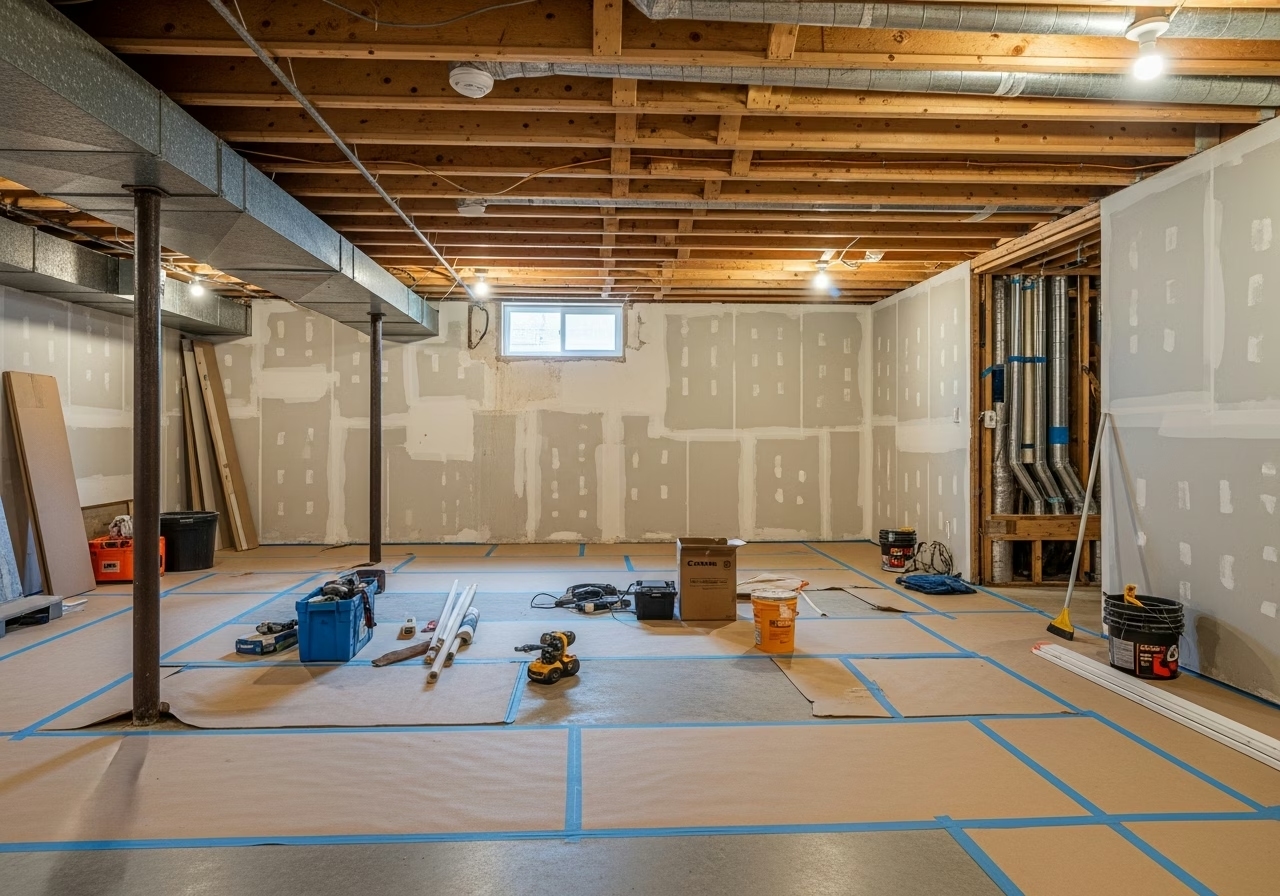
Too many homeowners are told "six weeks" and end up living in construction chaos for four months. Here's an honest breakdown for a typical Toronto basement renovation.
Phase-by-Phase Timeline
| Phase | Duration | Key Activities |
|---|---|---|
| Planning & Permits | 2–4 weeks | Design finalization, permit application, material selection. Toronto building permits can take 2–6 weeks for approval depending on complexity. |
| Waterproofing & Foundation Prep | 1–2 weeks | Interior waterproofing, sump pump installation, crack repair, drainage improvements. Skip this at your peril. |
| Framing & Rough-Ins | 1–2 weeks | Wall framing, electrical wiring, plumbing rough-in, HVAC ductwork extension. Inspection required before closing walls. |
| Insulation & Drywall | 2–3 weeks | Insulation installation, drywall hanging, taping, mudding, sanding. Multiple coats of mud require drying time. |
| Flooring & Finishing | 1–2 weeks | Flooring installation, trim, paint, fixtures, final electrical and plumbing connections. |
| Final Inspections & Cleanup | 1 week | City inspection, deficiency corrections, final cleaning, furniture move-in. |
Total Timeline: 8–16 Weeks
A straightforward finish (no bathroom, no kitchen) takes 8–10 weeks. A full apartment conversion runs 12–16 weeks. Winter projects may take longer if exterior work is involved.
Pro tip: The biggest delays come from permit processing and inspection scheduling. Apply early — ideally while finalizing your design.---
Basement Layout & Design Ideas
Before picking finishes, decide how the space needs to function. Here are the most popular layouts Toronto homeowners are choosing in 2026.
Open-Concept Recreation Room
One large, flexible space for family time and entertaining. An open layout works best in basements under 800 square feet where dividing into rooms would make each one feel cramped. Use furniture placement to create distinct zones without walls.
Home Office / Work-From-Home Space
Remote and hybrid work isn't going anywhere. Key considerations: adequate lighting (potlights plus task lighting), enough outlets and ethernet drops, soundproofing, and proper ventilation. A dedicated basement office eliminates distractions and provides a professional video call background.
Home Theatre / Media Room
Basements are naturally dark — ideal for home theatre setups. A projector or large-screen TV, surround sound, acoustic panels, and comfortable seating can turn your basement into a premier entertainment space. Budget $5,000–$15,000 for AV equipment on top of the renovation.
Gym / Fitness Room
Rubber flooring ($3–$8/sq ft), mirrored walls, proper ventilation, and reinforced ceiling mounts are the essentials. Most basement concrete floors handle heavy equipment well, but verify before installing squat racks or platforms.
Basement Apartment / In-Law Suite
The highest-ROI option. A self-contained unit with bedroom, bathroom, kitchen, living area, and separate entrance. See the detailed basement apartment conversion section below.
Kids' Playroom
Durable waterproof flooring, bright colours, built-in storage cubbies, and rounded corners on furniture make the space kid-friendly. Consider adding a half-bathroom so children don't trek upstairs constantly.
2026 Trends for Toronto Basements
- Multi-functional spaces: Rooms that serve double duty — a guest bedroom that converts to a home office, or a playroom that becomes an entertainment space.
- Built-in storage: Custom cabinetry and under-stair storage solutions are in high demand as Toronto homes try to maximize every square foot.
- Wet bars and beverage centres: A step below a full kitchen, a wet bar with sink, mini fridge, and counter space is one of the most popular upgrades in mid-range and high-end basement renovations.
- Biophilic design elements: Larger egress windows, light wells, indoor plants, and natural materials to combat the "underground" feel.
- Smart home integration: Built-in speakers, automated lighting, smart thermostats, and pre-wired media walls.
---
Critical: Moisture & Waterproofing
Do not skip waterproofing. Every other element of your renovation depends on keeping water out. A finished basement that develops moisture problems costs double to repair — mould remediation, demolition, and re-doing the work.Toronto sits on heavy clay soil that retains water and creates hydrostatic pressure against foundation walls. That pressure finds every crack and porous spot in your concrete. Homes built before the 1980s likely have degraded or no original waterproofing.
Interior vs Exterior Waterproofing
Interior waterproofing manages water that enters — sump pumps, interior drainage channels (weeping tile along the interior footing), vapour barriers, and crack injection. Costs $3,000–$8,000 for a typical Toronto basement. It doesn't stop water from reaching the foundation but controls and redirects it effectively. Exterior waterproofing addresses the source: excavating around the foundation, applying waterproof membranes, and installing exterior weeping tile. The gold standard, but costs $8,000–$15,000+ depending on access difficulty, depth, and linear footage.For most Toronto basement renovations, a combination approach works best: interior drainage and sump pump system with targeted exterior repairs where active leaking is present.
Sump Pump Installation
Install a sump pump before finishing — or upgrade your existing one. A quality system includes a primary pump (1/3 HP minimum), battery backup (essential during storm power outages), check valve, properly routed discharge line, and failure alarm. Budget $1,500–$3,500 for complete installation with battery backup.
Drainage Systems
Interior weeping tile (perimeter drainage) collects water at the base of your foundation walls and directs it to the sump pit. In older Toronto homes, the original clay weeping tile may be clogged, collapsed, or non-existent. Replacing or adding interior weeping tile costs $3,000–$6,000 and is typically done before framing begins.
Dehumidification
Even with solid waterproofing, basements naturally have higher humidity levels. A whole-basement dehumidifier (not a small portable unit) maintains relative humidity below 50%, preventing condensation and mould growth. Budget $300–$1,500 for the unit plus installation, and plan for continuous drainage to the floor drain or sump pit.
Signs of Moisture Problems
Before you renovate, inspect your basement carefully for these warning signs:
- White, chalky deposits on concrete walls (efflorescence)
- Musty or damp odours
- Visible water stains or tide marks on walls or floor
- Peeling paint or bubbling drywall in previously finished areas
- Cracks in the foundation (horizontal cracks are more serious than vertical)
- Standing water or damp spots after rainfall
- Mould or mildew (dark spots, especially in corners and behind stored items)
If you spot any of these, address them before — not during — your renovation.
---
Building Code & Permits in Toronto
Any basement renovation involving structural changes, electrical, plumbing, or changes to building use requires a building permit. The City of Toronto enforces the Ontario Building Code (OBC), and unpermitted work can result in fines, forced demolition, and complications when you sell.
When Are Permits Required?
In practical terms, always for a basement finishing project. Specifically, permits are required when:
Need professional renovation?
Call RenoHouse at 1-289-212-2345 or get a free estimate today.
Get Free Estimate →- Adding or modifying walls (framing)
- Installing or modifying electrical circuits
- Adding or modifying plumbing
- Changing the use of the space (storage to living area)
- Installing egress windows
- Creating a secondary suite (basement apartment)
The only basement work that doesn't require a permit is purely cosmetic: painting unfinished walls, adding furniture, or laying area rugs on an existing floor.
Ceiling Height Requirements
The Ontario Building Code sets minimum ceiling heights for finished basements:
- General living areas: Minimum 6'5" (1.95 m) clear height over at least 75% of the floor area
- Bedrooms: Minimum 6'11" (2.1 m) — this is the requirement that catches many homeowners off guard
- Bathrooms: Minimum 6'5" (1.95 m) — fixtures like toilets can have reduced clearance above them
- Areas under beams and ducts: Permitted to dip below minimum height if they occupy less than 25% of the floor area and maintain at least 6'1" clearance
If your basement doesn't meet these minimums, you'll need to lower the floor (underpinning or bench-pinning) before finishing, which is a significant additional cost.
Egress Windows
Any bedroom in a finished basement must have an egress window that meets OBC requirements:
- Minimum opening area of 3.8 square feet (0.35 m²)
- Minimum opening height of 15 inches (380 mm)
- Minimum opening width of 15 inches (380 mm)
- Sill height no more than 39 inches (1,000 mm) above the floor
- Window well must allow the window to fully open and provide access to grade
Egress window installation (including excavation, window well, and window) typically costs $3,000–$6,000 per window in the Toronto area.
Smoke and CO Detectors
The OBC and Ontario Fire Code require:
- Smoke alarms on every level of the home, including the basement
- Smoke alarms inside and outside every sleeping area
- Carbon monoxide detectors near all sleeping areas and on every level with a fuel-burning appliance
- Interconnected alarms (when one goes off, they all go off) for new installations
Electrical Panel Capacity
Older Toronto homes often have 100-amp electrical panels. A finished basement with modern demands — potlights, appliances, HVAC, home theatre — may require an upgrade to a 200-amp panel ($2,000–$4,000). Your electrician will assess capacity during the planning phase.
Basement Apartment Requirements
Creating a legal secondary suite in Toronto comes with additional code requirements beyond a standard basement finish:
- Separate entrance: Either a direct exterior entrance or a shared entrance with fire-separated access
- Fire separation: Minimum 1-hour fire-rated separation between units (fire-rated drywall on ceiling and shared walls)
- Minimum floor area: At least one room must be a minimum of 9.8 m² (105 sq ft) for a bachelor; larger for one-bedroom units
- Kitchen: Separate kitchen or kitchenette with proper ventilation
- Parking: One parking space per unit (requirements vary by municipality in the GTA)
- Ceiling height: Full 6'5" minimum, 6'11" for bedrooms
City of Toronto Secondary Suite Program
Toronto has actively encouraged secondary suites since the early 2000s, and the rules have become more permissive over time. As of 2026, most residential zones in Toronto permit secondary suites, though you still need to apply for and receive a building permit. Some GTA municipalities — Mississauga, Brampton, and others — have their own secondary suite bylaws, so check your local requirements.
---
Basement Apartment Conversion in Toronto
A legal basement apartment is one of the highest-value renovations you can do in the GTA. With average rents climbing and housing supply lagging behind demand, a well-built secondary suite generates consistent income while adding long-term value to your property.
Legal Requirements
To create a legal basement apartment in Toronto, your project must comply with:
- Ontario Building Code requirements for secondary suites
- Local zoning bylaws (most Toronto residential zones now permit secondary suites)
- Fire code requirements (separate smoke alarms, fire separation, egress)
- Property standards bylaws
- Electrical Safety Authority (ESA) inspection for all electrical work
Operating an unregistered basement apartment exposes you to fines, insurance claim denials, and liability if a tenant is injured.
Registration Process
- 1. Hire a qualified contractor familiar with secondary suite requirements
- 2. Apply for a building permit through the City of Toronto (or your municipality's building department)
- 3. Complete construction with required inspections at each stage (framing, rough-ins, insulation, final)
- 4. Obtain occupancy approval after final inspection
- 5. Register the unit with the city's property tax department (secondary suites may affect property tax)
- 6. Notify your insurance company — this is critical and often overlooked
Rental Income Potential
A legal basement apartment in the GTA can generate significant monthly income:
| Area | Studio/Bachelor | 1-Bedroom |
|---|---|---|
| Toronto (inner city) | $1,400–$1,800/mo | $1,600–$2,200/mo |
| Mississauga | $1,200–$1,600/mo | $1,500–$1,900/mo |
| Brampton | $1,100–$1,500/mo | $1,400–$1,800/mo |
| Oakville / Burlington | $1,300–$1,700/mo | $1,500–$2,000/mo |
| Ajax / Pickering | $1,100–$1,500/mo | $1,400–$1,800/mo |
| Markham | $1,200–$1,600/mo | $1,500–$1,900/mo |
These figures are based on 2026 market conditions and will vary by unit condition, location, and amenities.
Insurance Implications
Adding a basement apartment changes your insurance requirements:
- You'll likely need to switch from standard homeowner's insurance to a landlord or rental dwelling policy
- Premiums typically increase by 15–25%
- Inform your insurer before tenants move in — failing to disclose a rental unit can void your entire policy
- Consider requiring tenants to carry renter's insurance
Tax Implications (CRA)
Rental income must be reported to the Canada Revenue Agency:
- Rental income is taxed at your marginal rate
- Deduct a proportional share of expenses: mortgage interest, property tax, insurance, utilities, maintenance, and CCA on the apartment portion
- If the rental portion exceeds 50% of your home, you may lose the principal residence capital gains exemption
- Keep detailed records and consult an accountant familiar with rental properties
Fire Safety Requirements
Fire safety is the most critical aspect of a basement apartment conversion:
- 1-hour fire-rated separation between the apartment and the rest of the house (Type X drywall on ceilings and shared walls)
- Self-closing, fire-rated door between shared spaces
- Interconnected smoke alarms in both units
- Carbon monoxide detectors on every level
- Egress windows in every bedroom meeting OBC size requirements
- Clear, unobstructed exit path from the apartment to the exterior
- Fire extinguisher accessible within the apartment
---
Materials Guide for Basement Renovation
Material choices in a basement are different from the rest of your home. Moisture, temperature fluctuations, and concrete subfloors all influence what works and what doesn't. Here's a practical guide to the most common materials used in Toronto basement renovations.
Flooring
| Material | Cost/sq ft | Moisture Resistance | Best For | Notes |
|---|---|---|---|---|
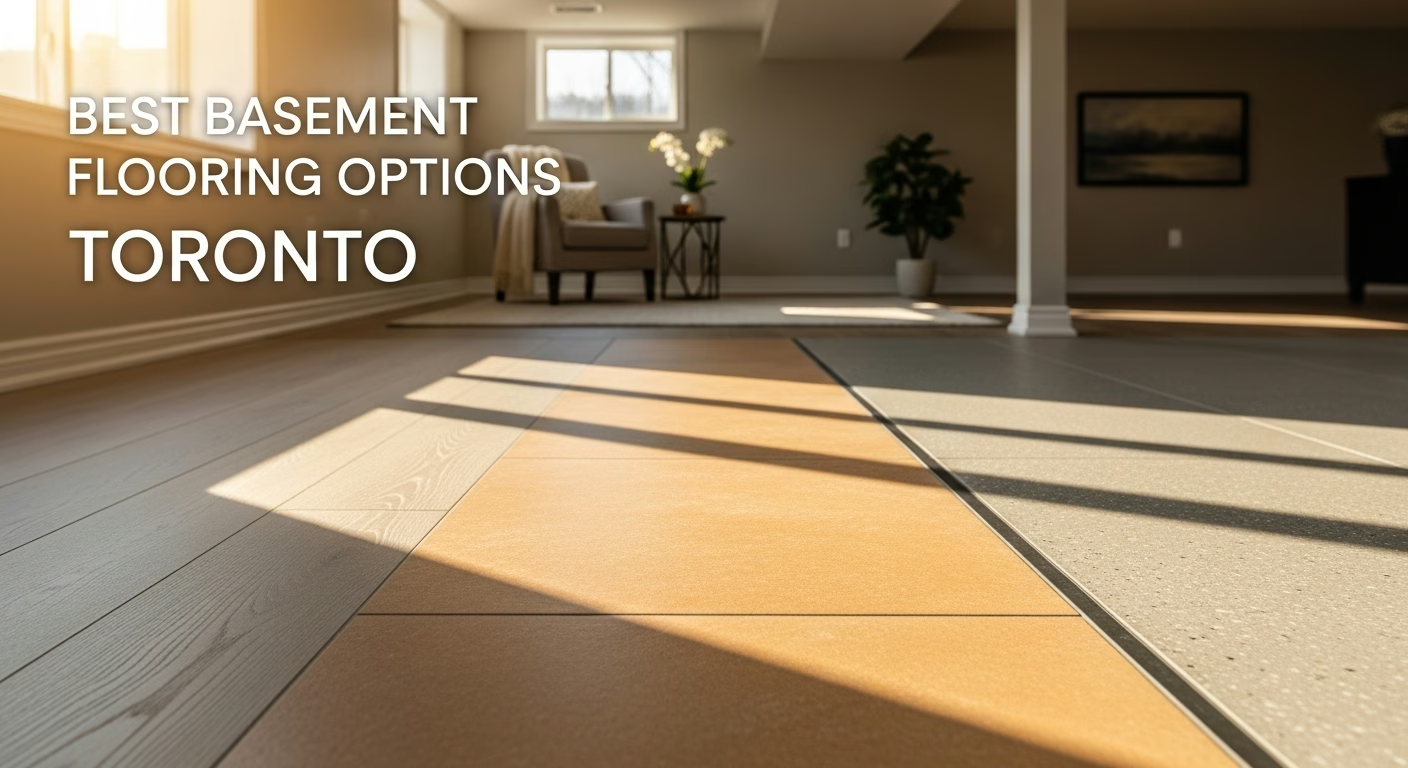
| Luxury Vinyl Plank (LVP) | $3–$8 | Excellent | Most basements | The top choice for Toronto basements. 100% waterproof, warm underfoot, realistic wood looks. |
| Engineered Hardwood | $6–$14 | Moderate | Dry basements | Looks premium but vulnerable to moisture. Only use with verified dry conditions and vapour barrier. |
| Porcelain/Ceramic Tile | $5–$12 | Excellent | Bathrooms, laundry, wet bars | Cold underfoot unless paired with radiant floor heating. Durable and waterproof. |
| Carpet | $2–$6 | Poor | Bedrooms (with caution) | Comfortable but holds moisture and odours. Use only in confirmed dry basements with moisture barrier underneath. |
| Epoxy Coating | $4–$10 | Excellent | Gyms, workshops | Seamless, durable, easy to clean. Limited style options. |
Walls
Standard drywall (1/2" or 5/8") is the most common choice — affordable, paintable, and familiar to every contractor. Use moisture-resistant (green board) in damp-prone areas and fire-rated (Type X) where code requires fire separation. Basement finishing systems (Owens Corning, TotalBasement) use modular, moisture-resistant panels that are removable for foundation access. They cost more ($20–$30/sq ft installed vs $8–$15 for drywall) but suit basements with uncertain moisture conditions.Insulation
Insulation choice matters for both comfort and moisture control:
- Rigid foam board (XPS or EPS): Applied directly to foundation walls before framing. Provides both insulation and a vapour barrier. R-10 to R-20 depending on thickness. Cost: $1.50–$3.50/sq ft.
- Closed-cell spray foam: The premium option. Provides insulation, air sealing, and vapour barrier in one application. R-6 per inch. Cost: $3–$6/sq ft. Ideal for irregular surfaces and rim joists.
- Batt insulation (fibreglass or mineral wool): Installed between studs after framing. Less expensive ($0.50–$1.50/sq ft) but requires a separate vapour barrier and is more susceptible to moisture damage. Must be paired with rigid foam or spray foam on the foundation wall to prevent condensation.
Ceiling
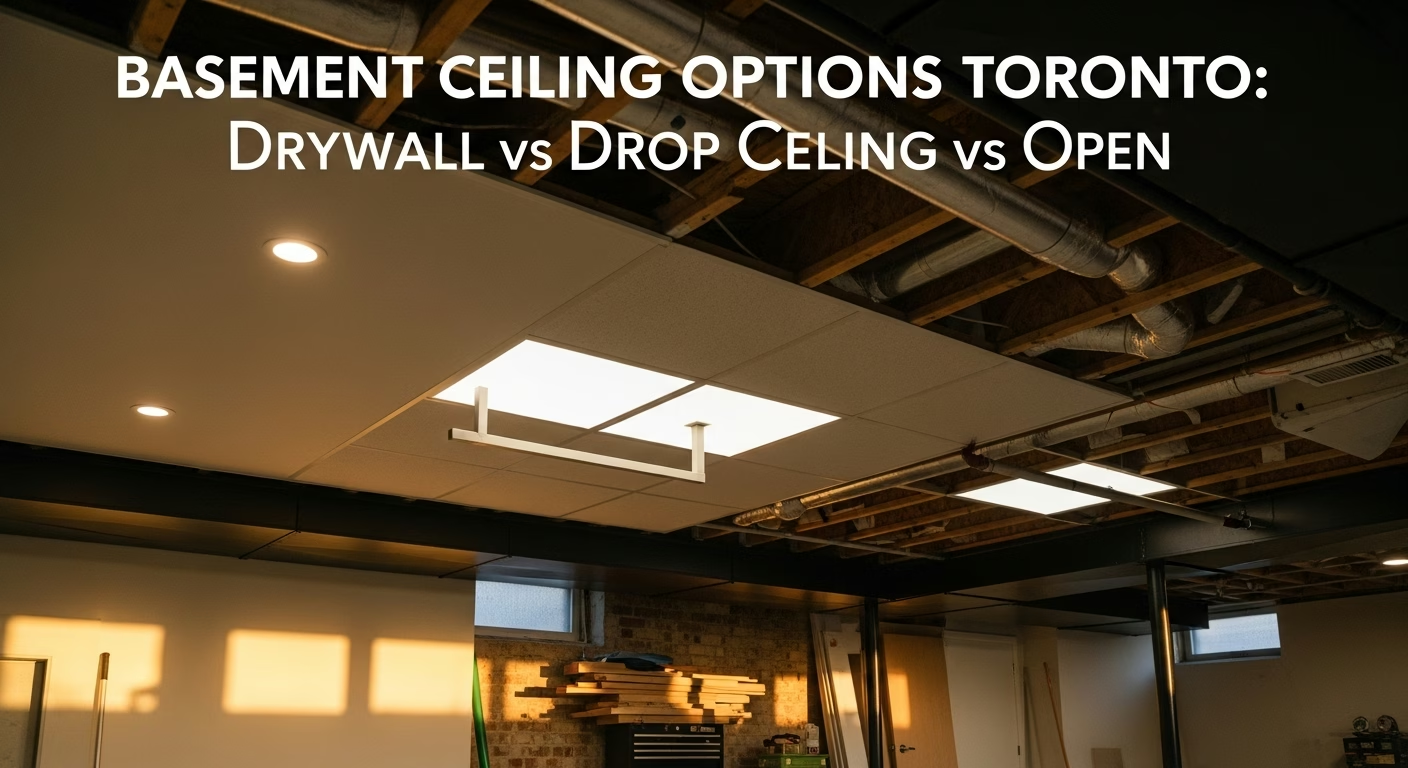
- Drywall ceiling: Clean, flat appearance. Maximizes ceiling height (adds only ~5/8"). Drawback: accessing plumbing, wiring, and ductwork above requires cutting and patching.
- Drop ceiling (suspended ceiling): Provides easy access to services above. Loses 3–6 inches of headroom. Modern options look much better than the tiles from the 1990s.
- Open ceiling: Leave the joists, ductwork, and pipes exposed and paint everything matte black or white. Industrial-chic look that preserves maximum headroom. Budget-friendly but not for everyone.
Lighting
Lighting makes or breaks a basement. Without adequate artificial light, even beautiful finishes feel gloomy.
- Recessed potlights: 4" or 6" LED potlights on 4–6 foot centres provide even illumination without lowering the ceiling. Budget $75–$150 per light installed.
- Layered lighting: Combine potlights (ambient) with under-cabinet lights (task) and wall sconces (accent) for a warm, layered effect.
- Colour temperature: 3000K–3500K (warm white) for living areas; 4000K (neutral white) for offices.
---
How to Choose a Basement Contractor in Toronto
Your contractor makes or breaks the project. Here's how to find the right one.
Specialized vs General Contractor
Specialized basement contractors focus on below-grade renovations — they understand moisture dynamics, code requirements, and proper sequencing. For apartment conversions especially, specialization matters. General contractors can deliver excellent results if they have basement experience. Confirm they've completed similar projects and ask for basement-specific references.What to Look For
- WSIB coverage and liability insurance ($2M minimum) — ask for certificates
- Valid business licence for your municipality
- Portfolio of completed basement projects — ideally 10+ finished basements
- Contactable references — call them and ask about timeline accuracy and workmanship
- Detailed written contract — scope, timeline, payment schedule, warranty, change order process
- Permit handling: A professional contractor pulls permits. If they suggest skipping permits, walk away.
- Clear payment schedule: Never pay more than 10–15% upfront, tied to completed milestones, with a 10% holdback until completion.
Red Flags
- Demanding a large deposit (more than 15%) before work starts
- No written contract or vague scope descriptions
- Reluctance to pull building permits
- No WSIB or liability insurance
- Cash-only payments with no receipts
- Pressuring you to decide immediately
- Significantly underbidding other contractors
Questions to Ask Before Hiring
- 1. How many basement renovations have you completed in the past two years?
- 2. Can you provide three references from recent basement projects?
- 3. Will you handle all permits and inspections?
- 4. What is your warranty on workmanship and materials?
- 5. Who will be the on-site supervisor?
- 6. What is your change order process?
- 7. What does your quote include and exclude (HST, permits, dumpster)?
- 8. What is your anticipated start and completion date?
- 9. Do you use your own crew or subcontractors?
- 10. Is waterproofing included in your standard scope?
Get three quotes from qualified contractors and compare scope carefully — the lowest price is rarely the best value.
---
10 Basement Renovation Mistakes to Avoid
These are the most common pitfalls in Toronto basement renovations — and how to avoid them.
1. Skipping waterproofing to save money. Water will find its way in. Repairing water-damaged finishes costs far more than waterproofing upfront. 2. Ignoring ceiling height before planning. Measure your clear height to the lowest obstruction (usually ductwork). If it's under 6'5", you'll need to modify the plan before framing begins. 3. Choosing the wrong flooring. Hardwood and carpet are moisture risks below grade. Luxury vinyl plank, tile, or engineered hardwood (dry conditions only) are safer choices. 4. Inadequate lighting. One central fixture doesn't cut it. Plan recessed potlights on a 4–6 foot grid plus task and accent lighting. 5. Not upgrading the electrical panel. A 100-amp panel may not support a full basement with bathroom, kitchen, and entertainment systems. Address capacity at the start. 6. Skipping building permits. Unpermitted work creates headaches when you sell, exposes you to fines, and voids insurance coverage. 7. Poor HVAC planning. Your existing furnace may not heat or cool the additional space. Extend ductwork properly and add return air vents. 8. Treating insulation as optional. Uninsulated basement walls are cold, create condensation, and waste energy. Rigid foam or spray foam on foundation walls is essential. 9. No rough-in for a future bathroom. Running drain and water supply rough-ins during initial renovation costs $1,500–$3,000. Adding them later means breaking up the concrete floor. 10. Hiring the cheapest contractor. A low-ball quote often means cut corners on waterproofing, insulation, or code compliance. Compare scope carefully and choose value over price.---
ROI & Home Value Impact
Understanding the financial return helps you decide how much to invest and where to focus.
Finished Basement ROI
A standard basement finishing in the GTA typically recoups 70–75% of the renovation cost at resale. On a $50,000 mid-range renovation, that's $35,000–$37,500 in added home value — plus years of usable space.
ROI is even higher when you add a full bathroom, create defined functional spaces, use quality materials, and ensure all work is permitted.
Basement Apartment ROI
A legal basement apartment delivers ROI in two ways:
- 1. Immediate rental income: At $1,500/month average in the GTA, a basement apartment generates $18,000/year. On a $70,000 investment, that's a payback period of under 4 years — and then it's pure income.
- 2. Increased property value: Homes with legal secondary suites sell at a premium in the GTA. Buyers see the income potential and are willing to pay for it. Estimates suggest a legal basement apartment adds $50,000–$100,000 to a home's resale value, depending on the area and unit quality.
What Adds the Most Value?
Based on current GTA market data, these basement features deliver the highest return:
- Full bathroom: A three-piece bathroom adds the most value per dollar spent
- Legal secondary suite: Highest overall ROI when rental income is factored in
- Proper ceiling height: Buyers strongly prefer basements that feel spacious, not cramped
- Quality waterproofing: Buyers and inspectors look for this — documented waterproofing adds confidence and value
- Egress windows: Natural light transforms a basement from a cave into a living space
---
Related Guides
Dive deeper into specific topics:
- Basement Apartment Conversion
- Basement Waterproofing: Methods & Costs
- Best Basement Flooring Options
- Basement Ceiling Options Compared
Explore related renovation topics:
Frequently Asked Questions
How much does it cost to finish a basement in Toronto?
A basic basement finish in Toronto costs $20,000 to $35,000. A mid-range renovation with bathroom and upgraded finishes runs $35,000 to $60,000. High-end basements with premium materials, wet bar, or home theatre range from $60,000 to $100,000+. Basement apartment conversions typically cost $50,000 to $80,000 including kitchen, bathroom, and separate entrance.
Do I need a permit to finish my basement in Toronto?
Yes. Any basement renovation that involves framing, electrical, plumbing, or changes to the building's use requires a building permit from the City of Toronto. Working without a permit can result in fines, forced removal of the work, and issues when selling your home. A reputable contractor will always pull the necessary permits.
How long does a basement renovation take in Toronto?
A standard basement finish takes 8 to 10 weeks. A full basement apartment conversion takes 12 to 16 weeks. The biggest variables are permit processing time (2–6 weeks), the scope of waterproofing needed, and whether structural work like underpinning is required.
Is finishing a basement worth it in Toronto?
In the Toronto market, finishing a basement is one of the best home improvements you can make. You recoup 70–75% of the cost at resale, gain 500–1,000 square feet of living space, and if you build a legal apartment, you can generate $1,200–$2,000 per month in rental income. Few other renovations offer this combination of lifestyle benefit and financial return.
What is the best flooring for a basement in Toronto?
Luxury vinyl plank (LVP) is the top recommendation for Toronto basements. It's 100% waterproof, comfortable underfoot, available in realistic wood-look styles, and costs $3–$8 per square foot. Porcelain tile is another excellent choice for bathrooms and utility areas. Avoid solid hardwood — it warps in the moisture-prone basement environment.
Can I legally rent out my basement in Toronto?
Yes, but only if it meets Ontario Building Code requirements and local zoning bylaws. The unit must have adequate ceiling height, egress windows in bedrooms, fire-rated separation between units, a separate entrance or fire-separated shared entrance, and all work must be permitted and inspected. Register the unit with the city and inform your insurance company.
How much does basement waterproofing cost in Toronto?
Interior waterproofing costs $3,000 to $8,000 for most Toronto homes. Exterior waterproofing ranges from $8,000 to $15,000+ depending on excavation difficulty and linear footage. A sump pump installation with battery backup costs $1,500 to $3,500. The right approach depends on your specific water issues — a professional assessment is recommended before deciding.
What ceiling height do I need to finish my basement?
The Ontario Building Code requires a minimum of 6'5" (1.95 m) clear height for general living areas and 6'11" (2.1 m) for bedrooms. Areas under beams and ducts can dip lower if they cover less than 25% of the floor area. If your basement doesn't meet these minimums, underpinning (lowering the floor) is an option, though it adds $30,000–$80,000+ to the project cost.
Should I waterproof before or during my basement renovation?
Before. Waterproofing should be the first step after demolition and before any framing begins. Installing waterproofing systems, sump pumps, and drainage after walls are framed and finished means tearing things apart — which is far more expensive and time-consuming. Address all moisture issues upfront so your finished basement stays dry for decades.
How do I find a good basement contractor in Toronto?
Start by asking for recommendations from friends, family, and neighbours who've completed similar projects. Verify WSIB coverage and liability insurance, check for a valid business licence, and review a portfolio of completed basement projects. Get at least three detailed quotes, check references by phone, and ensure the contractor pulls all necessary permits. Get a free estimate from RenoHouse to compare.
---
Ready to Renovate Your Basement?
Whether you're building a recreation room in Mississauga, a home office in Markham, or a rental apartment in Brampton, the fundamentals are the same: waterproof first, build to code, choose durable materials, and work with someone you trust.
RenoHouse specializes in basement renovations across the Greater Toronto Area — from basic finishes to full apartment conversions. We handle permits, waterproofing, construction, and final inspections. Get your free basement renovation estimate →No obligation. We'll assess your space, discuss your goals, and provide a detailed quote so you can make an informed decision.
*Serving Toronto, Mississauga, Brampton, Oakville, Burlington, Ajax, Pickering, Markham, and surrounding GTA communities.*
Sources & References
Authoritative sources cited in this guide:
- Ontario Building Code — OBC official text
- Toronto Building Permits — City permit portal
- Tarion New Home Warranty — Ontario warranty regulator
- HCRA — Home Construction Regulatory Authority — Ontario builder/vendor licensing
Continue Reading
- Basement Apartment Conversion Toronto
- Basement Renovation Cost in Toronto: Full 2026 Breakdown
- Home Renovation Guide Toronto — Planning, Costs, Timeline & Tips