 RenoHouse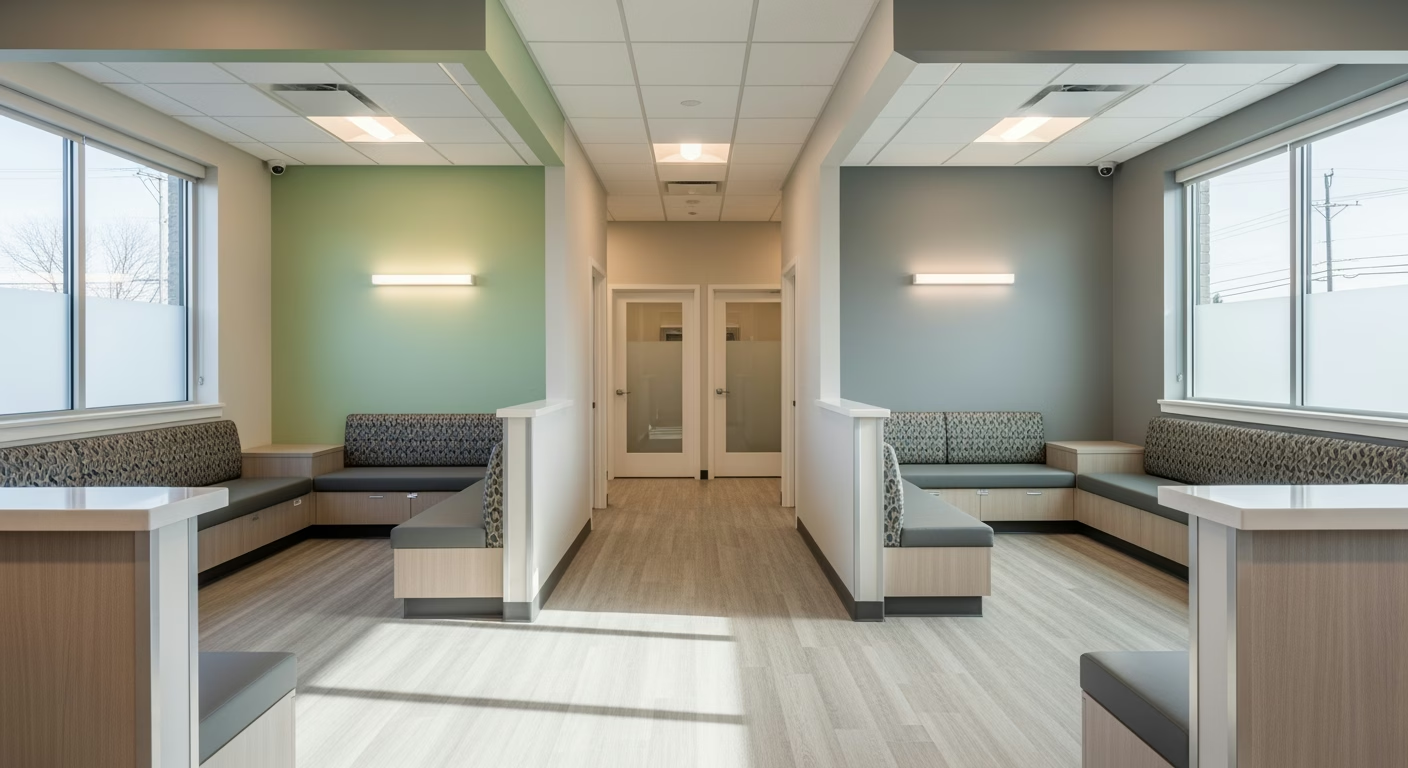
Vet Clinic Buildouts. CVO-Ready, Kennel-To-Surgery.
Professional veterinary clinic buildout services in Toronto and the Greater Toronto Area. Licensed, insured, and trusted by homeowners across the GTA.
Serving the GTA
In-Home Estimates
Workmanship Warranty
Projects Completed
How It Works
A simple, stress-free process from start to finish.
Send Your Request
Call or WhatsApp us. Send photos, video, comments about what needs to be done, and your location.
Remote Estimate
We review everything, discuss details, and provide a clear estimate — often within hours, no visit needed.
Repair Process
Our licensed team arrives on the agreed date and completes your veterinary clinic buildout to the highest standards.
Handover & Warranty
Final walkthrough with you, full cleanup, and warranty documentation provided.
Send Your Request
Call or WhatsApp us. Send photos, video, and a description of the work + your location.
Remote Estimate
We review everything, clarify details, and give you a price — often within hours.
Repair Process
Licensed team arrives on schedule and completes your veterinary clinic buildout professionally.
Handover & Warranty
Final walkthrough, full cleanup, and warranty documentation.
Veterinary Clinic Buildout in Toronto GTA
GTA veterinary clinic buildouts — CVO compliance, kennel exhaust, biohazard, radiology shielding, surgery suite. $200-$420/sf.
Veterinary clinic buildouts in the GTA in 2026 are the most operationally diverse small-format medical buildout — a single facility can include exam rooms, surgery, dental, radiology, kennel/boarding, lab, isolation, and grooming, with each having its own ventilation, drainage, and infection-control requirements. GTA pet ownership hit ~62% of households in 2025 (~2.1M pet-owning households), and the veterinary capital market is consolidating fast (NVA, VCA, Mars Petcare-owned chains acquiring independents). Average AOV: $480K (3-exam-room small-animal practice) to $2.4M (8,000 sf 24-hour emergency hospital with surgery + ICU + boarding).
What makes vet work different from human medical is biohazard handling (sharps, pathology samples, deceased animal disposal), kennel exhaust (high air-change rate to control odor and disease transmission, 8-15 ACH typical), surgical suite ventilation (10-15 ACH positive pressure), dental suite with high-speed handpiece exhaust, and a much wider patient size range (15g hamster to 90kg mastiff) that drives equipment and fixture sizing.
2026 GTA Pricing Tiers
Floor — $200-$260/sf ($450K-$900K project) Small-animal general practice refit of existing veterinary space, 3-4 exam rooms, single treatment area, single basic surgery suite, intraoral dental, no boarding. Midmark M9 or M11 autoclaves (reused if existing), Midmark 626 exam tables, basic stainless cages in treatment area, vinyl sheet floor (Tarkett iQ Granit or Armstrong Translations), Hytec Knee-Action lever sinks in exam rooms.
Standard — $290-$360/sf ($1.1M-$1.8M project) Full-service general practice with surgery + dental + radiology — 5-6 exam rooms, dedicated surgical suite with prep + scrub + recovery, dental suite, X-ray room (lead-shielded), in-house lab area, isolation room with negative pressure, ~15-30 kennel/runs in dedicated kennel zone with separate ventilation system. Midmark 631 or Shor-Line exam tables, Vetland or Burtons surgical lights and tables, IDEXX in-house lab equipment, Heska imaging or Sound Smart DR digital radiography.
Premium — $360-$420/sf ($1.6M-$2.8M project) 24-hour emergency / specialty hospital — full surgery + ICU + dental + advanced imaging (CT, possibly MRI in larger facilities), full lab with pathology, dedicated isolation suite with separate HVAC, cremation pickup area, 40-80 boarding kennels with separate ventilation per zone, dedicated grooming, retail/food, climate-controlled exotic patient ward, dedicated cat-only ward (low-stress design per Fear Free standards). Premium equipment (Datex-Ohmeda anesthesia, Burton or Marquette surgical lights, dedicated medical air system).
Code & Regulatory Compliance
- CVO (College of Veterinarians of Ontario) Facility Standards — primary regulatory regime; requires separate clean / dirty workflow in surgery, dedicated radiology room, controlled-drug storage with double lock, biohazard sharps management, anesthetic waste gas scavenging. Annual inspection.
- OBC Part 3 / Group D — for veterinary; some larger emergency hospitals trigger Group B-3 for in-patient care.
- OBC 6.2 ventilation — kennel zones 8-15 ACH (some references push to 20 ACH for boarding kennels with respiratory disease control); surgery suite 10-15 ACH positive pressure with HEPA on return; isolation 12-15 ACH negative pressure 100% exhausted to atmosphere; dental suite captures aerosols generated by ultrasonic scalers and high-speed handpieces (similar to human dental); cremation pickup areas with negative pressure to prevent odor migration.
- Biohazard disposal — Stericycle or other licensed hauler for sharps, pathology samples, cytotoxics; deceased animal disposal via cremation contract (no body storage on site beyond 48-72hr typically).
- Radiology (HARP) — veterinary X-ray room shielded to 1.0-1.5mm Pb walls (similar to human general radiography); CT shielded heavier (2.0mm Pb); designed by Qualified Expert; survey post-install.
- Anaesthetic waste gas scavenging — passive (charcoal canister) or active (vacuum-pump exhausted) per CSA / CVO; sevoflurane and isoflurane management.
- Plumbing Code — every exam room sink + treatment area + surgery scrub sink; kennel zones need floor drains (typically trench drains) with hose-bib for cleaning; pathology sink in lab area with acid-resistant trap.
- OESC — surgical suite isolated power optional (less common than human medical), but dedicated 20A on every chair-side anesthesia machine; UPS on critical patient monitoring.
- Ontario Fire Code — sprinkler requirement varies by occupancy and area; full sprinkler typical for facilities >600 m² in Toronto.
- AODA s. 80.27 — accessible reception, accessible washroom, accessible exam room (one minimum), accessible path.
- Noise considerations — kennel zones can produce >85 dBA during peak; landlord and neighbor concerns drive acoustic isolation. STC 55+ between kennel and any adjacent occupancy.
5-Micromarket Considerations
Downtown core (Yorkville / King W. / Liberty Village) — Premium urban vets serving dog-dense condo neighbourhoods. Smaller footprints (1,500-3,500 sf), no boarding (no outdoor access, noise concerns), high finish level expected. Tier-3 chain consolidation strong (VCA, NVA).
North York / Don Mills / Scarborough / Etobicoke — Mid-market established practices, often founder-vet selling to chain or to next-gen vet partner. Plaza or standalone medical-building stock; established client base lowers marketing risk for new ownership.
Mississauga / Brampton (905 west) — Largest growth in new vet construction 2024-2026 in the GTA. Newer plaza inventory with adequate base infrastructure; demographic growth driving demand. Peel Region consolidation rapid.
East York / Riverdale / Leslieville — Trendy urban with high pet density; older medical-converted-to-vet stock common; full-service general practice + grooming combo dominant.
905 north (Vaughan / Markham / Richmond Hill) and 905 east (Pickering / Whitby / Oshawa / Durham) — 24-hour emergency/specialty hospitals dominant — large footprint 6,000-12,000 sf, advanced imaging, board-certified specialists, often chain-owned (VCA Canada, Veterinary Emergency Group, Toronto Veterinary Emergency Hospital network).
Project Timeline
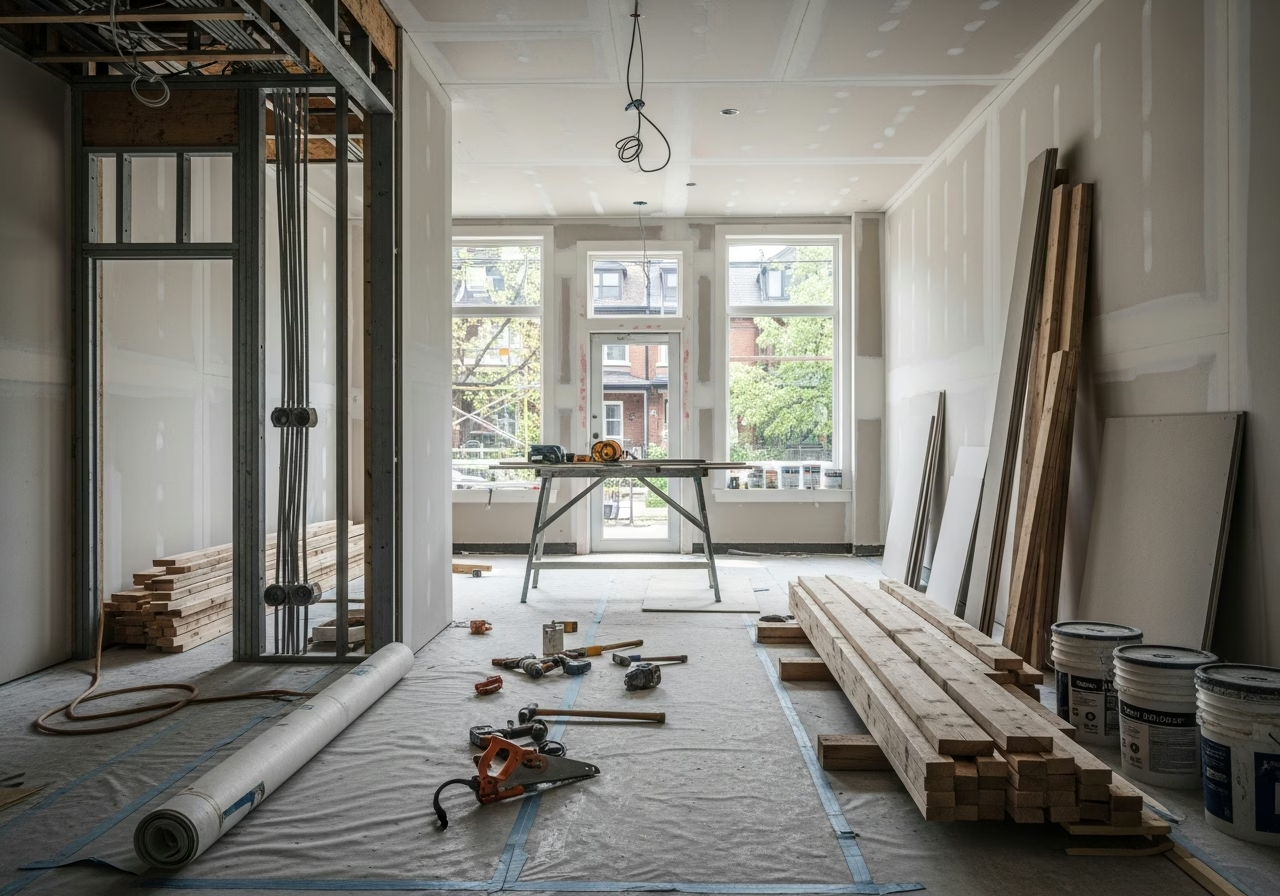
- Week 0-4: Programming with vet team, equipment vendor coordination, traffic-flow analysis (patient + sample + waste pathways)
- Week 4-8: MEP engineering (kennel ventilation is the long pole), shielding calc for radiology
- Week 8-14: Building permit + CVO pre-consult, MOH imaging approval if CT
- Week 14-16: Demo + abatement
- Week 16-22: MEP rough-ins (kennel exhaust, surgical air, anesthetic scavenging), framing, shielding install
- Week 22-25: Drywall, paint, ceiling, lighting
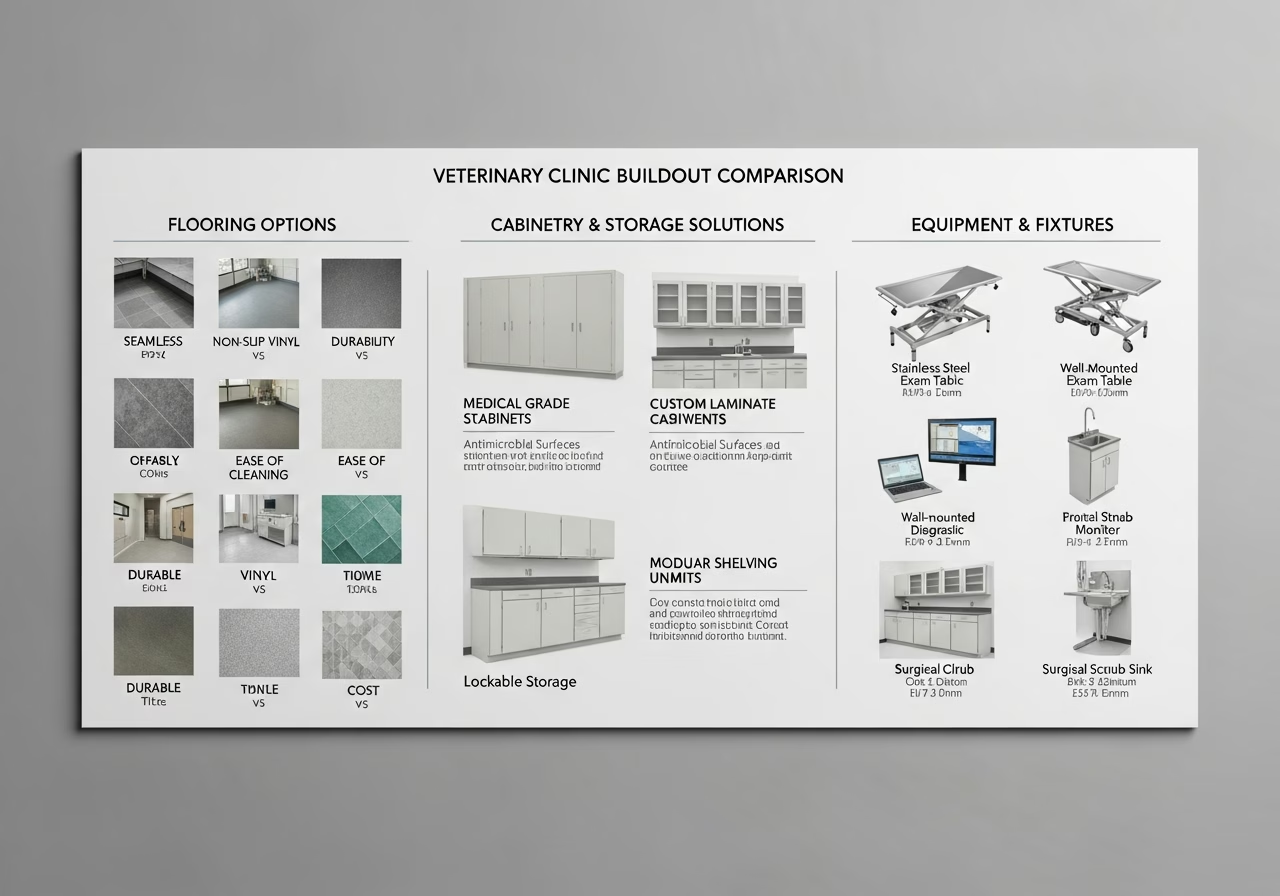
- Week 25-28: Floor (seamless welded vinyl in clinical zones), casework, kennel install, equipment commissioning
- Week 28-30: Final inspections, CVO facility self-assessment, IPAC walkthrough, occupancy
General practice 4-exam-room: 22-26 weeks. Full emergency hospital with imaging: 28-36 weeks.
TI Allowance & Landlord Coordination
Vet TI in 2026:
- Plaza vet space: $25-$70/sf, 10-15 yr lease
- Medical-building vet: $50-$100/sf, 10 yr lease
- Standalone building: typically purchase or long ground lease; no TI
- Emergency hospital large footprint: often purchase due to specialized infrastructure
Must-resolve: kennel exhaust riser availability (most landlords don't have one — adds $40-$80K for rooftop equipment + risers); noise transmission to adjacent tenants (kennel zones often need 2-hr STC 55 demising); biohazard waste pickup logistics; cremation pickup access; deceased animal storage refrigeration plumbing/electrical; signage rights; after-hours operating if emergency hospital (24/7 ops require landlord agreement).
Bottom Line
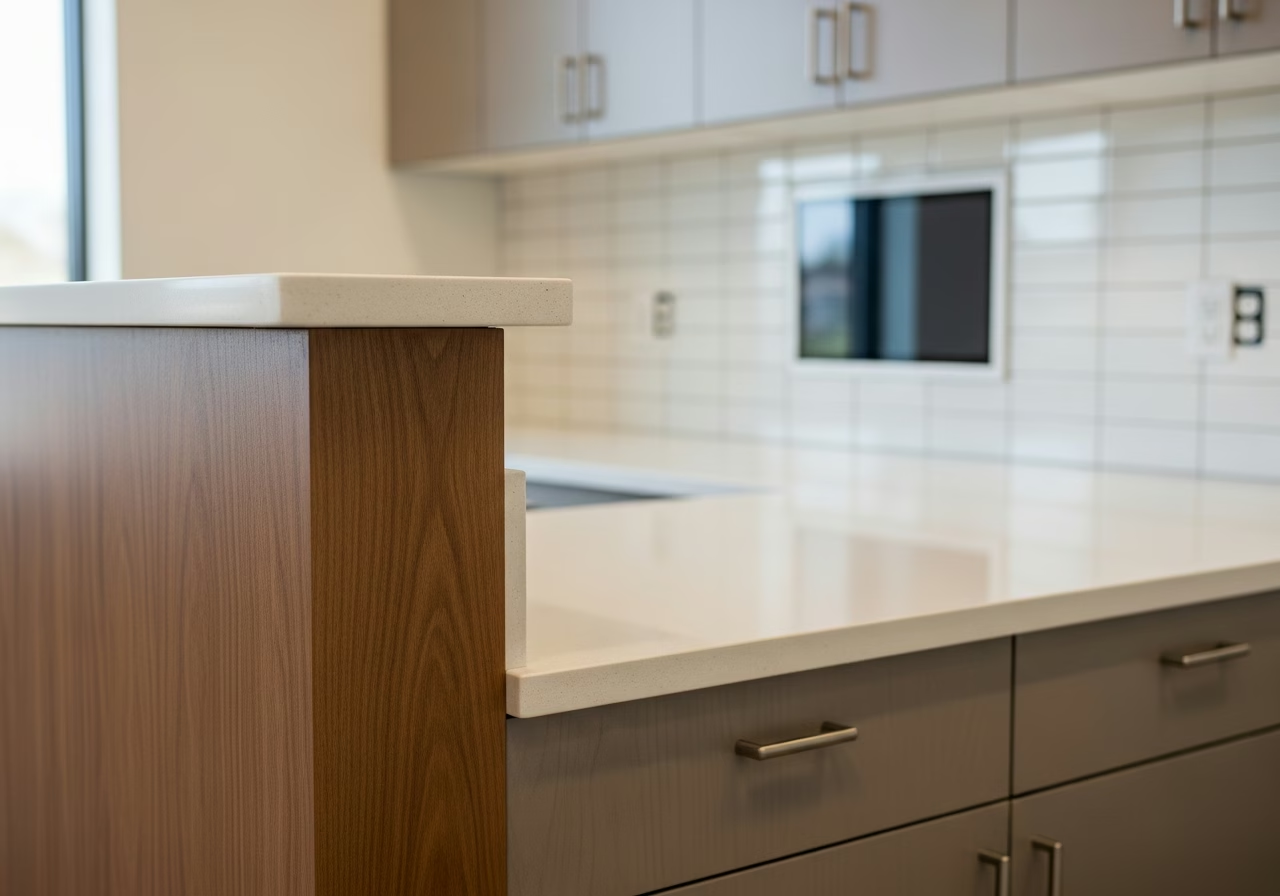
Vet clinic buildouts are won on workflow design and kennel ventilation. Get the clean/dirty workflow wrong in surgery + treatment + lab and you fail CVO inspection on day 1. Undersize the kennel exhaust and the building stinks within 60 days and the landlord serves notice. Most successful 2024-2026 GTA vet buildouts spent 20-30% of design budget on MEP engineering specifically for kennel + surgery + isolation HVAC, not on aesthetic finishes. The clinic that looks great but smells like a kennel three months in is the one that loses the long-term lease.
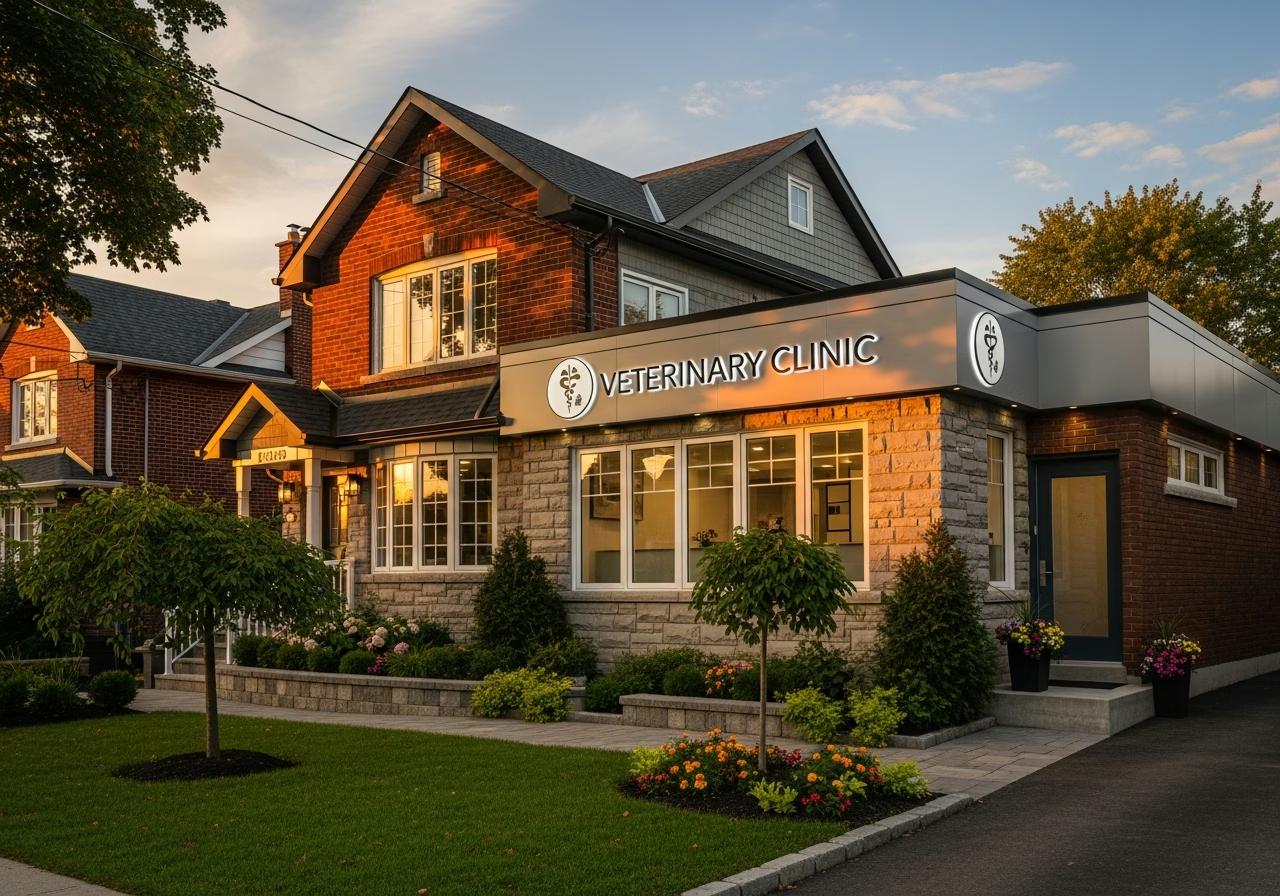
Why Trust RenoHouse
On-Time Completion
We respect deadlines for veterinary clinic buildout projects. 95% of jobs finish on or ahead of schedule.
Certified & Insured
Proper licensing, full insurance coverage, and WSIB protection. Your property and our team are completely protected.
Satisfaction Guarantee
We're not done until you're 100% happy with your veterinary clinic buildout. That's our promise.
Sound Familiar?
These are the most common problems our clients face.
Need professional help with this?
Not sure where to start?
Want quality results the first time?
Tired of putting it off?
Looking for a reliable contractor?
Want a free, no-obligation estimate?
Ready to get started?
Free estimate, no obligation. We respond within 1 hour.
Our Veterinary Clinic Buildout Work
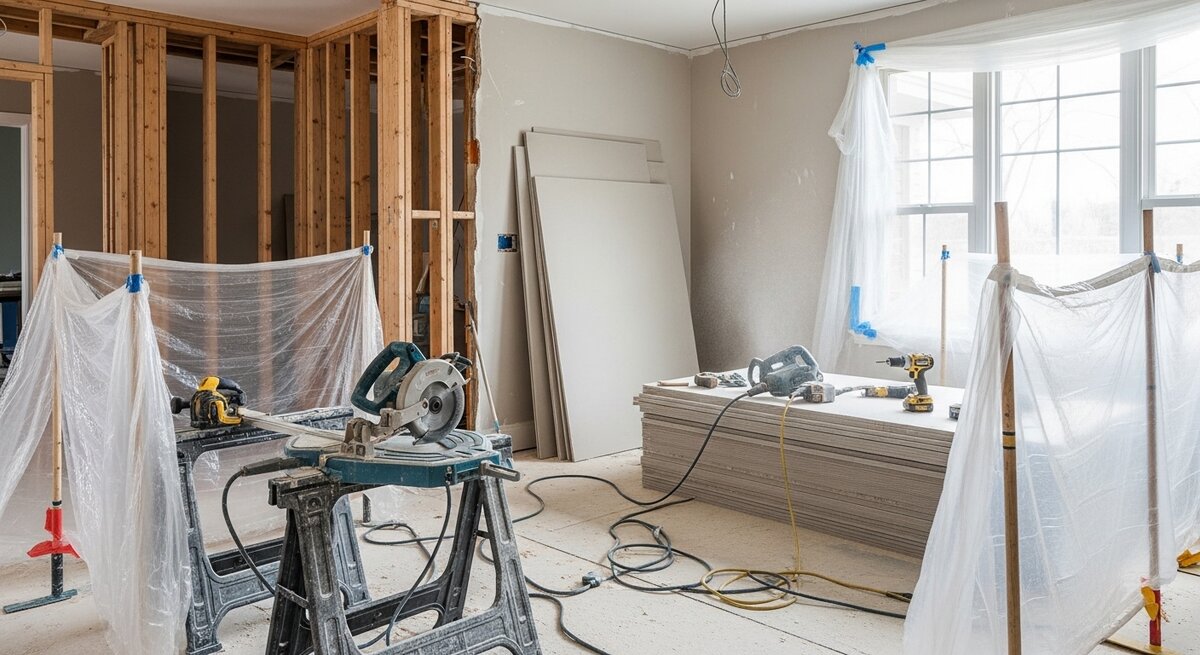
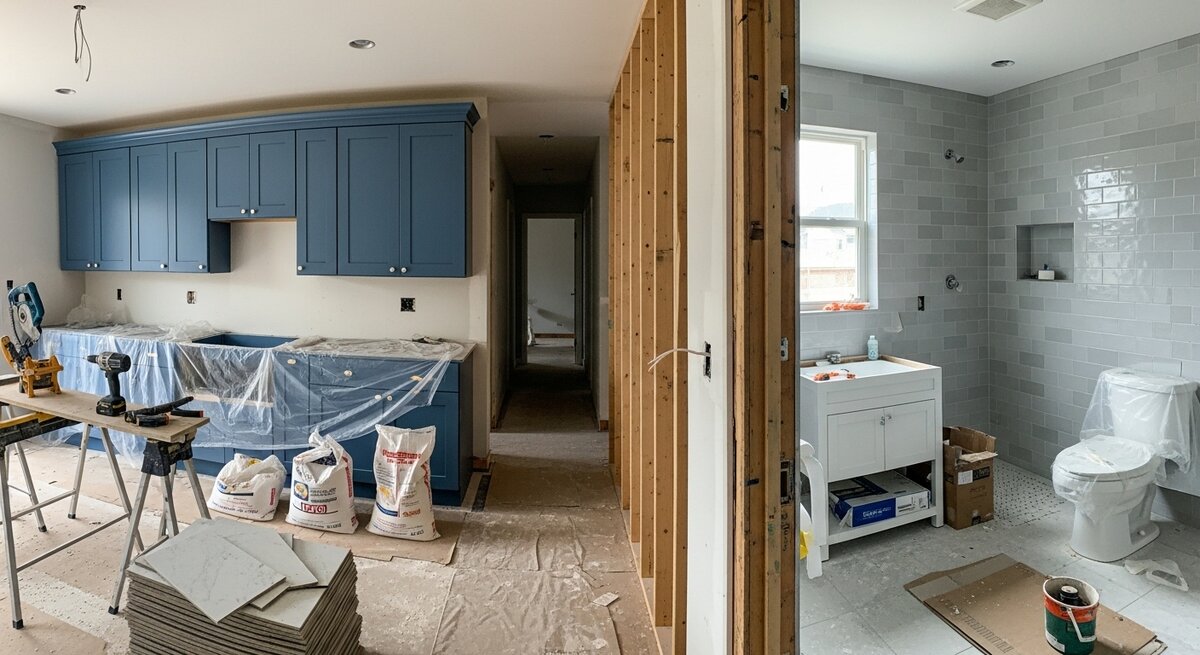
Professional veterinary clinic buildout results from RenoHouse projects across the Toronto GTA.
Veterinary Clinic Buildout
Toronto GTA
Quality Workmanship
Licensed & Insured
Like what you see? Let's talk about your project.
🧮 Veterinary Clinic Buildout Services — Cost Estimator
GTA / Ontario — 2026 market pricing
📊 Where the cost goes (typical breakdown)
📋 What affects your price:
💡 Estimates use 2026 GTA/Ontario market data. Actual cost depends on site conditions, material selections, and project scope. Book a free in-home quote for a precise number.
Frequently Asked Questions About Veterinary Clinic Buildout
Kennel zones generate high concentrations of dander, urine ammonia, and respiratory pathogens. Lower ACH leads to disease transmission (kennel cough, parvo) and odor that migrates to client-facing areas. CVO and most chain-owner standards push to 15 ACH on full boarding facilities; mid-clinic with 4-8 runs can get away with 8-10 ACH if exhaust is direct-to-atmosphere with no recirc.
Yes — veterinary X-ray rooms are shielded similarly to human general radiography (1.0-1.5mm Pb walls, ceiling, door, leaded-glass control window). HARP applies. Designed by a Qualified Expert (medical physicist). Budget $30-$55K for a standard vet radiology room shielded install in GTA 2026. CT shielded heavier ($60-$110K) for the larger room and higher mA tubes.
Possible but rare — most plaza landlords restrict 24-hour operations because of noise, late-night client traffic, and after-hours security expectations. Emergency hospitals typically take freestanding buildings or end-cap plaza units with dedicated parking and side-street access. Plan on 8,000-12,000 sf footprint and parking-ratio negotiations early.
4-exam-room practice in 2,500 sf at standard tier (with surgery + dental + intraoral X-ray, no kennel/boarding): $800K-$1M all-in. Add full-room radiology and you're $1.1-$1.4M. Add 15-30 kennel/boarding runs and you're $1.6-$2.2M. Add advanced imaging (CT) and 24-hour ops and you're $2.5M+.
Passive charcoal-canister scavenging on each anesthesia machine: $500-$1,200/machine, but consumable cost adds up. Active vacuum-pump scavenging system (preferred for surgical suite with multiple gas machines): $8-$18K install for a 4-station surgery, plus dedicated vacuum pump in mechanical room. CVO standards favour active scavenging for compliance and staff health.



You Might Also Need
Customers who looked at veterinary clinic buildout also asked us about these complementary services.
We Serve All GTA
Professional veterinary clinic buildout services available across the Greater Toronto Area.
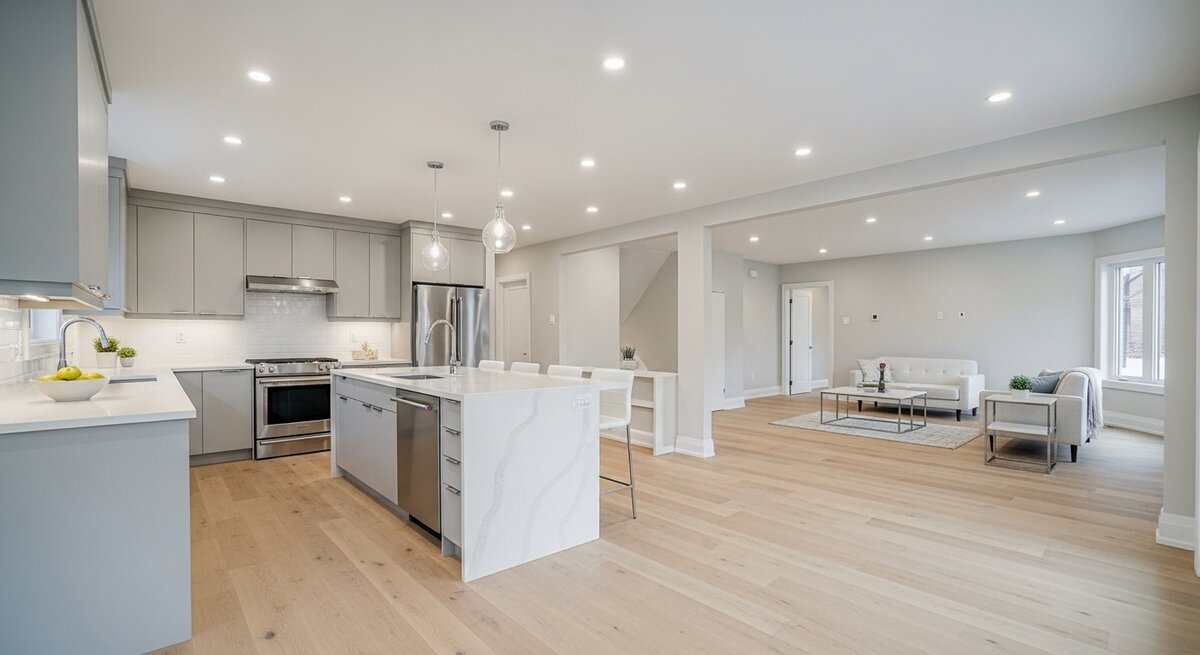
“Renovated our entire main floor — kitchen, living room, flooring, paint, lighting. They coordinated everything perfectly. One contractor for the whole project.”
— Anthony G., North York
Get a Free Veterinary Clinic Buildout Estimate
Contact us today for a free, no-obligation quote for your veterinary clinic buildout project in Toronto GTA. We'll get back to you within 1 hour.