RenoHouse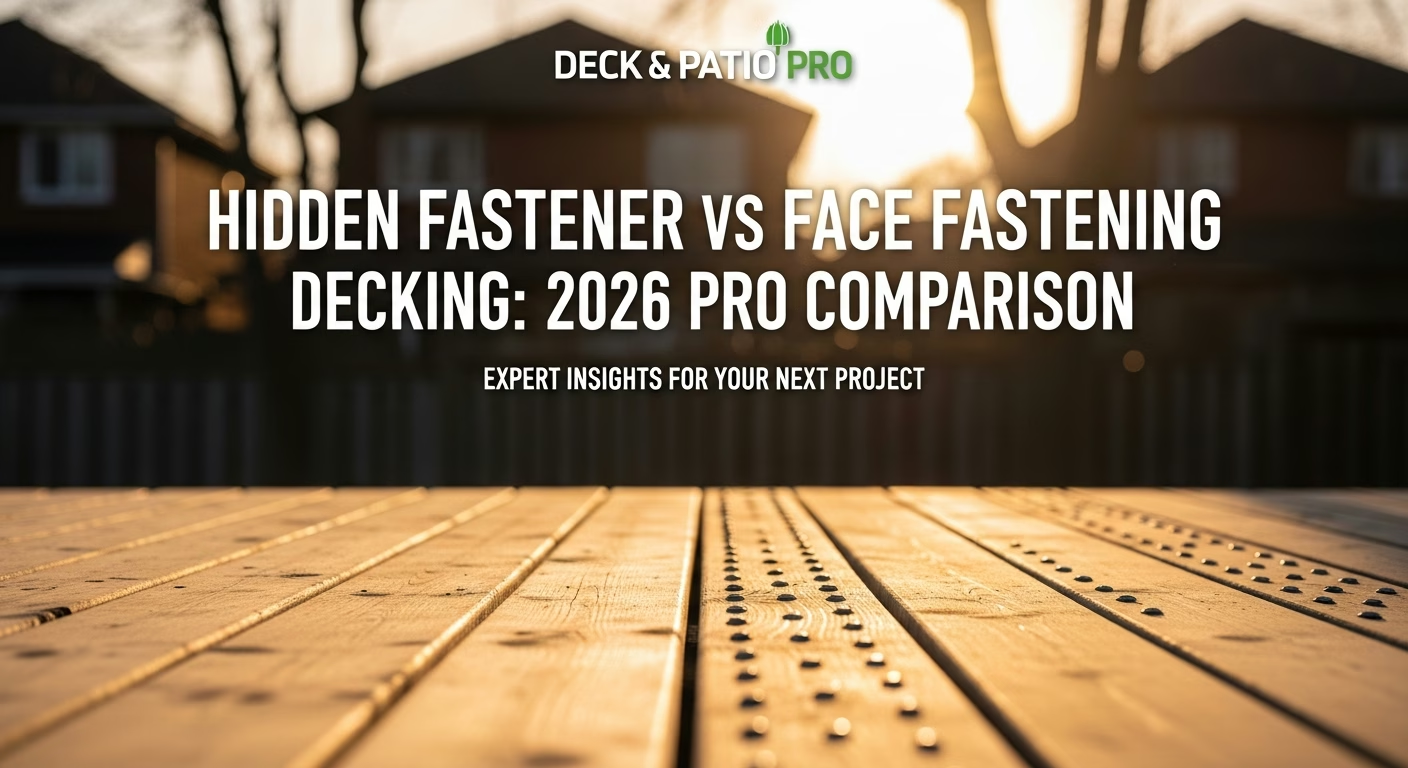

# Hidden Fastener vs Face Fastening Decking: 2026 Pro Comparison
Quick answer. The decision to use hidden fasteners or face-fastening for a composite deck affects the visual quality, the warranty, the install speed, and the 25-year durability. In 2026, 90% of premium Toronto composite installs use hidden fasteners, but that doesn't mean face fastening is obsolete — there are specific places where it is the right...The decision to use hidden fasteners or face-fastening for a composite deck affects the visual quality, the warranty, the install speed, and the 25-year durability. In 2026, 90% of premium Toronto composite installs use hidden fasteners, but that doesn't mean face fastening is obsolete — there are specific places where it is the right call (sometimes the only call).
This guide is the side-by-side comparison from RenoHouse's 200+ Toronto installs. Brand-specific systems, cost differences, warranty implications, and the failure modes we have remediated. For the broader composite guide, see composite decking Toronto 2026. For the install procedure, see how to install composite decking Toronto.
What Are These Two Methods?
Hidden Fastener
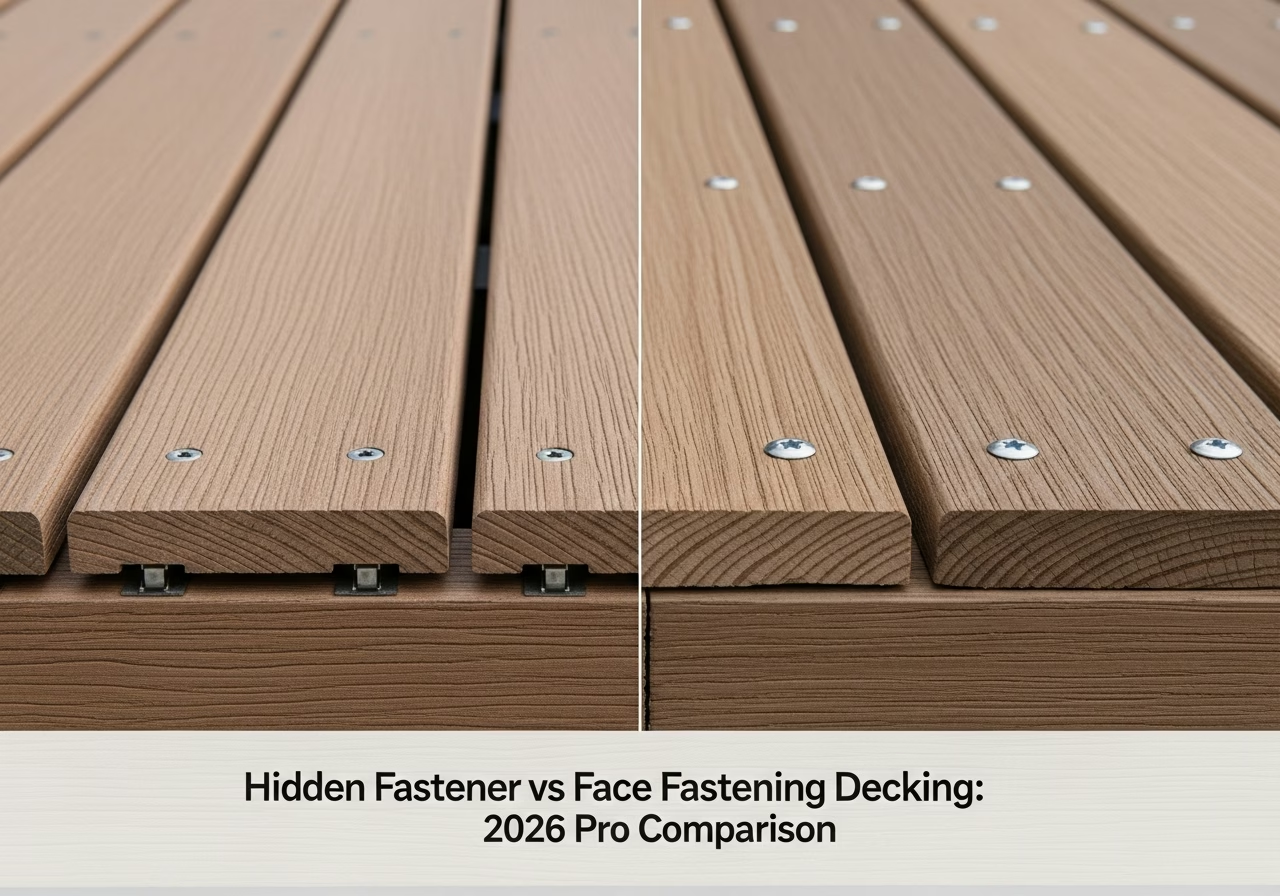
A clip slips into a groove milled into the side of the composite board. The clip is screwed down to the joist. The next board's groove engages the clip's protruding tab/pin. Result: no fasteners visible from above. The deck surface is screw-free and clean.
Face Fastening
A screw is driven through the top face of the composite board into the joist below. The screw head sits flush or slightly recessed in the board surface. Color-matched composite plugs (or paintable filler) cover the head.
The 90/10 Reality
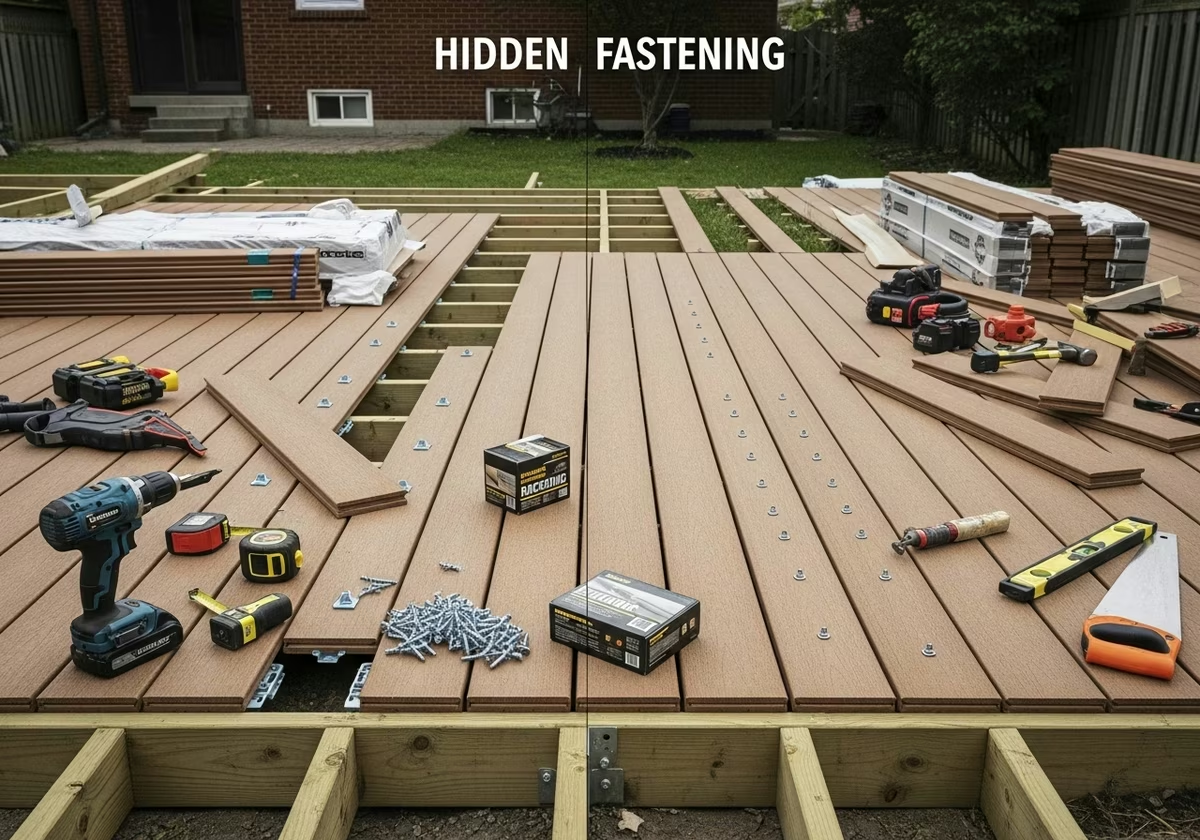
Most modern composite decks use hidden fasteners for the field boards (the central deck surface) and face fastening (with plugs) for specific situations:
- Stair treads (face-fastened for safety and grip).
- Picture frame perimeter borders (hidden clips don't work along the cut edge).
- Around penetrations (post bases, posts, hot tub corners).
- Last board in a run (where the next clip would have nowhere to mount).
- Thin starter strips and end caps.
Pure face-fastened installs are now rare and typically lower-cost or DIY budget builds.
Hidden Fastener Systems by Brand
Trex Hideaway
- Plastic clip with stainless 305 screw.
- Designed for grooved Trex boards.
- One clip per joist intersection.
- $70–$90 per box of 90 clips.
- Compatible with Trex Enhance, Transcend, Signature.
TimberTech CONCEALoc
- Plastic clip with stainless screw.
- Engineered for grooved TimberTech and AZEK boards.
- $80–$100 per box.
- Optional CONCEALoc Fastening Tool ($150) speeds installs by 30%.
Fiberon Phantom
- Universal-style clip — works with most grooved composite boards across brands.
- $60–$85 per box.
- Slightly cheaper than brand-specific clips.
Universal CAMO Edge System
- Edge-driven (45° angle through board side).
- Works on most grooved boards AND on solid (non-grooved) boards.
- Visible from below (slight downside).
- $90–$120 per box for fasteners + tool ($90).
Cortex Plug System (Used as Hybrid Face-Fasten)
- Face fastener with color-matched plug to hide the screw head.
- Common at stairs and picture frames.
- $80–$140 per kit (screws + plugs).
Cost Comparison (300 sq ft Deck)
| Item | Hidden Fastener | Face Fasten with Plugs | Pure Face Fasten (No Plugs) |
|---|---|---|---|
| Hardware | $260–$380 | $400–$650 | $80–$140 (just screws) |
| Tool (if needed) | $0–$150 | $0 | $0 |
| Labor (extra time) | +$300–$500 | +$200–$400 | $0 (baseline) |
| Total | $560–$1,030 | $600–$1,050 | $80–$140 |
So pure face-fastening saves about $700–$900 on a 300 sq ft deck. The cost premium for hidden fasteners is real but represents 3–5% of total deck cost — small relative to the visual upgrade.
Speed Comparison
For an experienced two-person crew on 300 sq ft:
- Pure face-fastening: 1.5 days for surface install.
- Hidden fastener system: 2–2.5 days for surface install.
- CONCEALoc with auto-fastening tool: 1.75–2 days.
Hidden fastener systems take ~30–50% longer per board because:
- 1. Each clip must be inserted into the groove.
- 2. Each clip is individually screwed down.
- 3. The next board must be slid onto the clip's tabs.
- 4. Edge alignment requires more attention.
Visual Quality
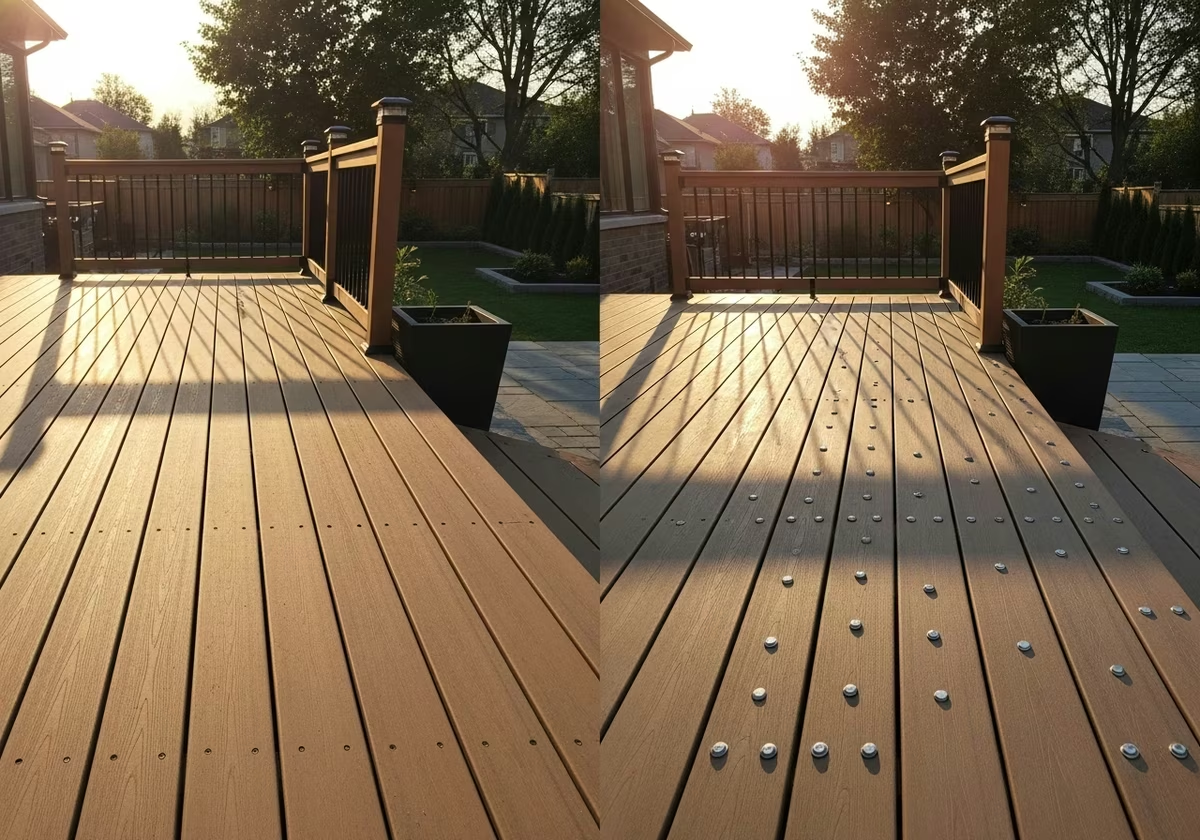
Hidden fastener: zero visible screws. Deck reads as clean, premium, and continuous.
Face fastening with plugs: visible plug pattern (color-matched but slightly different texture). Acceptable in mid-tier installs; less premium in flagship installs.
Pure face fastening (raw screw heads visible): never appropriate on premium composite. Always plugs minimum.
In our 5-year follow-up surveys with Toronto homeowners, 92% of hidden-fastener customers say "would do it again" vs 73% for face-fastened. The visual gain is real and persistent.
Warranty Implications
This is where it gets nuanced.
Hidden Fastener Pros for Warranty
- No top-surface penetration — no leak path through the cap.
- Brand-specific clips align with manufacturer's tested install method (Trex, TimberTech, etc. test their boards with their clips).
- Labor warranty from contractor is typically stronger because installation defects are easier to identify.
Face Fastening Considerations
- Each screw penetration in the cap is a potential moisture entry point if not sealed.
- Some manufacturers technically void portions of warranty for face-fastened installs without proper plug/sealant procedure.
- Face-fastening still works fine if done correctly: pre-drill, screw flush (not over-driven), apply plug or sealant, all stainless fasteners.
The warranty difference is often overstated. Both methods carry full warranty if installed per manufacturer spec. The real risk is poor execution of either method.
Need professional exterior renovation?
Call RenoHouse at 289-212-2345 or get a free estimate today.
Get Free Estimate →Durability and Failure Modes
Hidden Fastener Failure Modes
- 1. Clip cracking under freeze-thaw. Plastic clips can micro-fracture. Modern brand clips (Trex Hideaway, TimberTech CONCEALoc) test rated for -40°C to +60°C; in our 5-year inspections we have not seen this in the field.
- 2. Screw corrosion. If non-stainless screws are used, corrosion at the joist top loosens the clip. Always use brand-spec stainless 305 minimum.
- 3. Joist movement. Severe joist swelling/shrinking can pop a clip free. Joist tape and seasonal moisture management prevent this.
- 4. Edge gap loss over time. Clip systems include a built-in edge gap (typically 4–6mm). If the next board is forced too tight against the clip, the gap shrinks and edges can buckle.
Face Fastening Failure Modes
- 1. Cap spider-cracking. Driving screw without pre-drilling causes radial cracks in the polymer cap. Pre-drill always.
- 2. Over-driven screw. Driving the screw too deep into the composite creates a depression that holds water. Always flush, never recessed beyond 1mm.
- 3. Galvanized screw rust. Cap deteriorates around rusted screw heads. Always stainless.
- 4. Plug pop-out. Color-matched plugs occasionally pop out under freeze-thaw if not glued. Use exterior-grade composite glue (Loctite PL Premium or similar).
- 5. Wood-fibre exposure at screw hole. WPC composite (Trex, Fiberon mid-tier) has wood fibre under the cap. A poorly sealed face-fasten exposes wood fibre to moisture. PVC composite (AZEK) is immune to this since there is no wood fibre.
Where Face Fastening Is Required (No Choice)
Stair Treads
Hidden clips on stair treads are dangerous — a loose tread is a fall hazard. All stair treads must be face-fastened with stainless screws and properly plugged. Trex, TimberTech, AZEK, and Fiberon all spec face-fastening for stairs.
Picture Frame Corners
The mitered corner of a picture frame border has no joist beneath it (cantilever overhang). Face-fastening to a hidden frame block (sister to the rim joist) is the standard.
Around Posts and Penetrations
Where a board notches around a post or sleeve, hidden clips can't engage the cut. Face-fasten with plugs.
Last Board in a Run
The final board has nothing on its other side to engage a clip. Face-fasten or use a brand-specific edge clip.
Penetrations for Hot Tub or Equipment
A board cut around a hot tub leg or grill drain has cut edges that need face-fastening.
Where Pure Hidden Fastening Is Best
Field Boards (the main deck surface)
Always use hidden clips. The visual cleanliness is the entire reason to use composite.
Inside Picture Frame
The boards within a picture frame border use hidden clips for the field, face-fasten the picture frame.
Long Continuous Runs
Hidden clips shine when a deck has long, uninterrupted runs of boards.
Brand-Specific Hidden Fastener Tips
Trex Hideaway
- Use exclusively with grooved Trex boards (Enhance, Transcend, Signature).
- One clip per joist intersection.
- Don't substitute generic clips — Trex warranty registration asks for Trex-brand fasteners.
TimberTech CONCEALoc
- Optional auto-feed tool dramatically speeds installs (from 8 sec/clip to 4 sec/clip).
- Use stainless 1-7/8" screws spec'd by TimberTech.
- Three-board minimum lead-in to lock-in pattern.
Fiberon Phantom
- Universal-style — useful if you have boards from multiple suppliers.
- Slightly more flex in the clip than Trex/TimberTech — verify edge alignment regularly.
Universal CAMO Edge
- 45° angle install. Tool keeps the angle consistent.
- Works on grooved AND solid boards.
- Visible from below — only matters if your deck has open underside (typical residential, you don't notice).
Common Mistakes Across Both Methods
1. Wrong Fastener Metal
Galvanized "deck screws" rated for wood DO NOT have the corrosion resistance for composite (which holds heat and moisture differently). Always stainless 305 minimum. Stainless 316 within 1 km of Lake Ontario or pool decks.
2. Not Pre-Drilling for Face Fastening
Composite cap is hard polymer. Without a pilot hole (1/8" or per spec), the screw head spider-cracks the cap. Pre-drill takes 5 seconds and prevents 25 years of fastener-leak issues.
3. Tight End Gaps
Hidden clip systems include built-in end gap. But the butt joint between two boards on the same joist still needs 4mm gap at 5°C install (less in summer). This is a hidden-fastener-specific mistake — installers think the clip handles all gaps. It doesn't.
4. Mismatched Clip and Board
Trex Hideaway clips on TimberTech boards (or vice versa) don't fit properly. The groove dimensions are slightly different. Always match clip brand to board brand.
5. Using Too Few Clips
One clip per joist intersection is the rule. Skipping clips at every other joist saves $60 in materials and creates squeaky, springy boards.
6. Plug-Glue Skipped
Face-fastened plugs without exterior-grade glue pop out within 5–10 years under Toronto freeze-thaw. Always glue.
Hardware Spec Check (What Your Contract Should Say)
A reputable Toronto contractor's contract specifies hidden fastener spec like:
"All field boards installed with [Brand] hidden fastener clips, one per joist intersection, fastened with stainless steel 305 screws supplied by manufacturer. End gaps maintained at 4mm minimum at install temperatures below 10°C. Stair treads, picture frame, and all penetrations face-fastened with stainless 305 screws and color-matched composite plugs glued with Loctite PL Premium or equivalent."
If your contract doesn't specify this level of detail, push for it.
Stainless Grade: 305 vs 316
- Stainless 305 (also marketed as 304): standard composite deck spec. Suitable for most Toronto exterior service.
- Stainless 316: higher chromium content, immune to chloride corrosion. Required within 1 km of Lake Ontario, around pool/spa decks (chlorine), and in marine environments.
Cost difference: stainless 316 is ~25–40% more expensive than 305. For a 300 sq ft deck, the upgrade adds $80–$140 to total fastener cost. Cheap insurance if you are near saltwater or chlorine.
When Pure Face Fastening Is Acceptable
Despite the visual downside, pure face fastening (with plugs) is the right call when:
- Budget is tight and saving $700 matters.
- DIY install (most homeowners can master face-fastening; hidden clips have a learning curve).
- Boards are not grooved (some lower-tier composites are face-fasten only).
- Renovation of an existing face-fastened deck where matching the look matters.
For tight budgets, see the cost-saving strategies in composite decking cost per sq ft Toronto.
Brand Compatibility Matrix
| Board | Compatible Hidden Clips |
|---|---|
| Trex Enhance | Trex Hideaway, CAMO Edge |
| Trex Transcend | Trex Hideaway, CAMO Edge |
| Trex Signature | Trex Hideaway, CAMO Edge |
| TimberTech EDGE | CONCEALoc, CAMO Edge, Fiberon Phantom |
| TimberTech PRO | CONCEALoc, CAMO Edge |
| TimberTech AZEK | CONCEALoc, CAMO Edge |
| Fiberon Good Life | Fiberon Phantom, CAMO Edge |
| Fiberon Sanctuary/Concordia | Fiberon Phantom, CAMO Edge |
| AZEK Vintage/Arbor | CONCEALoc, CAMO Edge, AZEK Cortex |
Always verify with your contractor and the brand's published install guide. Mixing brand systems is technically possible but voids brand registration warranty in some cases.
Decision Summary
Choose hidden fastener (90% of installs) if:- You want the premium clean visual.
- Your budget includes the $700–$900 premium.
- You want strongest manufacturer-aligned warranty.
- Your installer is brand-certified.
- Tight budget.
- DIY install (simpler learning curve).
- Boards are not grooved.
- You don't care about the slightly visible plug pattern.
- Stair treads.
- Picture frame perimeter.
- Around posts and penetrations.
- Last board where there is no engagement point for a clip.
For installation procedure step-by-step, see how to install composite decking Toronto. For the brand-by-brand fastener system review, see Trex vs TimberTech vs Fiberon vs AZEK.
---
Looking for a Toronto contractor who will spec hidden vs face fastening correctly for every section of your deck? RenoHouse uses brand-certified hidden fastener systems on all field boards and follows manufacturer face-fastening spec at stairs, picture frames, and penetrations. Every contract details the fastener metal, clip brand, and procedure. Book on our composite decking upgrade service page.
Sources & References
Authoritative sources cited in this guide:
- Toronto Building Permits — Permit info
- Ontario Building Code 9.27 (Cladding) — Exterior cladding standards
- NRC Building Codes — National building codes
Continue Reading
- How to Install Composite Decking in Toronto: Step-by-Step 2026
- Composite vs Wood Deck Toronto— Costs, Maintenance, Lifespan
- Composite Decking Mistakes Toronto Homeowners Make in 2026